Ever found yourself wondering just how fast riding lawn mowers can go? You’re not alone.
As you navigate the world of lawn care, understanding the speed capabilities of these machines can help you make smarter choices. Imagine trimming your yard in record time, all while enjoying the thrill of a smooth ride. Whether you’re a lawn care enthusiast or simply looking to make your weekend chores quicker, knowing the speed of your mower can transform your mowing experience.
Stick with us, and you’ll discover everything you need to know about the speeds of riding lawn mowers and how it impacts your efficiency. Ready to turn your mowing routine into a speedy adventure? Let’s dive in!

Credit: mowrator.com
Typical Speeds Of Riding Lawn Mowers
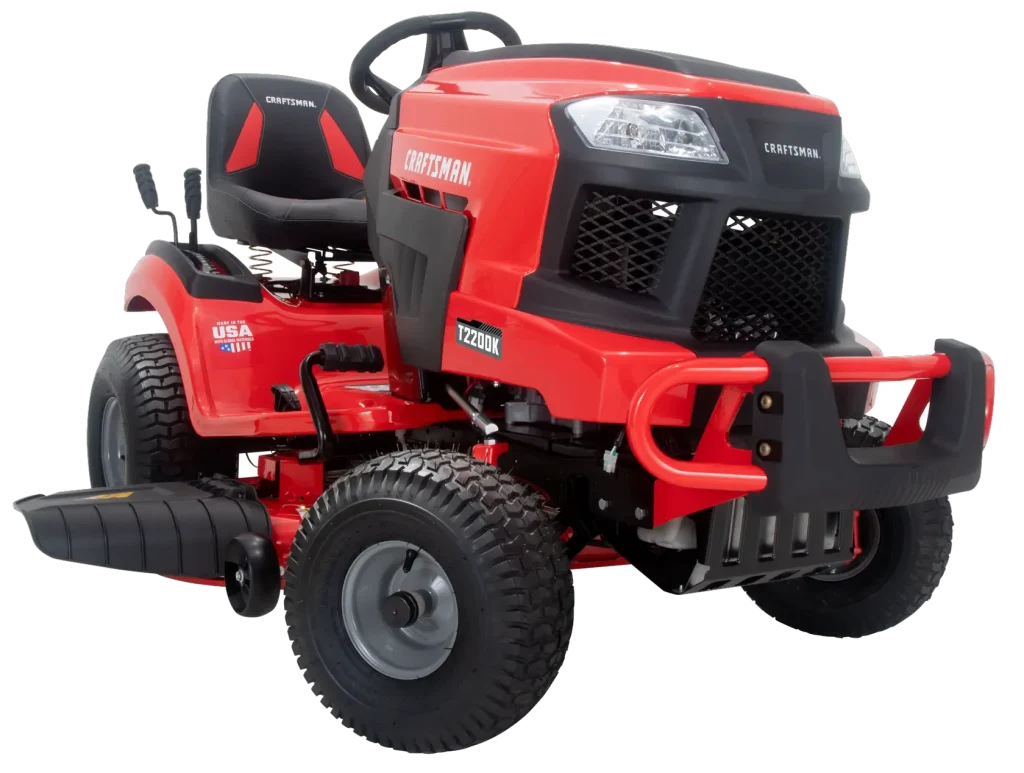
Riding lawn mowers are designed to make lawn care faster and easier. Knowing their typical speeds helps you plan your mowing time better. These machines balance speed with safety and efficiency. Their speeds vary based on design and purpose.
Average Speed Range
Most riding lawn mowers travel between 4 and 7 miles per hour. This speed is enough to cover large lawns quickly. Some high-performance models can reach up to 8 or 9 miles per hour. Slow speeds help maintain control and a clean cut. Speed limits keep users safe while mowing.
Factors Affecting Speed
- Engine Power:Stronger engines allow higher speeds.
- Turf Condition:Wet or uneven ground slows the mower.
- Mower Size:Larger mowers may move slower for control.
- Terrain:Hills and slopes reduce speed for safety.
- Load:Heavy grass or attachments can lower speed.
Credit: www.craftsman.com
Types Of Riding Lawn Mowers
Understanding the different types of riding lawn mowers can help you pick the right one for your yard and speed needs. Each type offers unique features that affect how fast it can go and how well it handles your lawn. Let’s look at the main categories and what sets them apart.
Standard Models
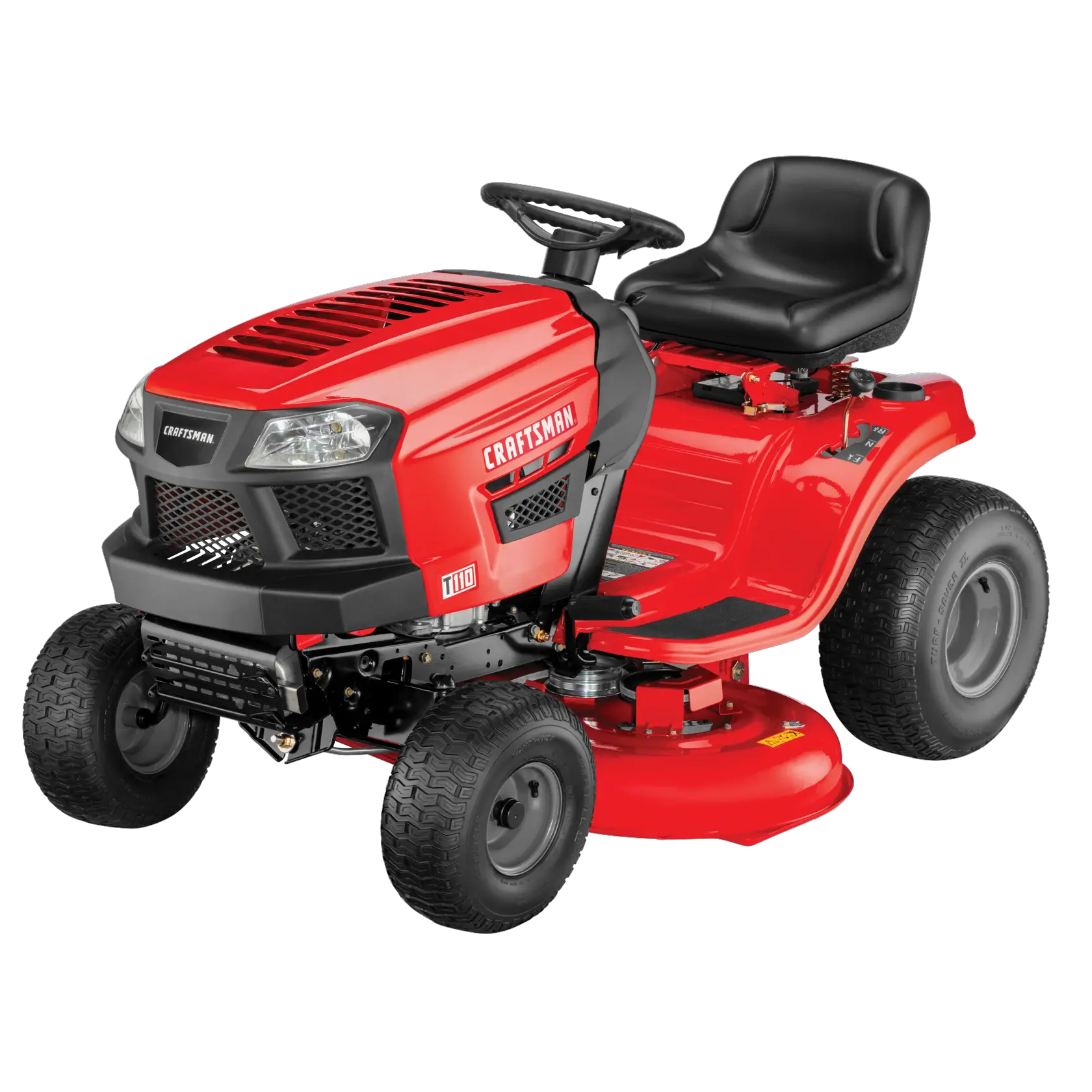
Standard riding mowers are the most common type you’ll find. They usually have a top speed of around 5 to 7 miles per hour, which is perfect for most home lawns. These mowers are easy to operate and great for straightforward mowing tasks without too many obstacles.
If you have a medium-sized yard and want something simple, a standard model might be all you need. They often come with a comfortable seat and basic controls, making them user-friendly for beginners. Have you noticed how these mowers strike a balance between speed and control?
Zero-turn Mowers
Zero-turn mowers stand out with their ability to turn sharply on the spot. This design lets you mow faster and more efficiently around trees and tight corners. Their top speeds can reach 7 to 10 miles per hour, which is faster than most standard models.
These mowers are ideal if your lawn has many obstacles or irregular shapes. They save time by reducing the need to make wide turns. Do you think this extra speed and agility could make your mowing easier and quicker?
Commercial-grade Mowers
Commercial-grade mowers are built for heavy use and large areas. They often feature powerful engines and can reach speeds up to 12 miles per hour or more. These machines handle rough terrain and long hours without wearing out quickly.
If you maintain big properties or offer lawn care services, a commercial mower is worth considering. Their speed and durability help you cover more ground in less time. Are you ready to invest in a mower that works as hard as you do?
Comparing Speed To Other Lawn Equipment
Speed matters a lot when choosing lawn equipment. It affects how fast you finish mowing. Different machines move at different speeds. Comparing riding lawn mowers to other tools helps understand their efficiency. This section breaks down these differences clearly.
Push Mowers Vs Riding Mowers
Push mowers run at a walking pace. They move about 2 to 3 miles per hour. You power them by pushing, so speed depends on your strength.
Riding mowers move faster, usually between 5 and 7 miles per hour. Some models can reach up to 8 miles per hour. You sit and drive, so less effort is needed.
The faster speed of riding mowers covers more ground in less time. This makes them ideal for big lawns. Push mowers suit small yards or tight spaces better.
Speed Differences In Robotic Mowers
Robotic mowers are slow but smart. They move around 1 to 2 miles per hour. Their speed is low to ensure safety and precision.
These mowers work automatically without human help. They mow small areas bit by bit, which takes time. Their slow pace means they are good for regular maintenance rather than quick jobs.
Riding mowers are much faster than robotic mowers. They finish jobs quicker but need someone to operate them. Robotic mowers offer convenience but trade speed for safety and control.

Credit: www.getmowers.com
Safety Considerations With Speed
Riding lawn mowers can reach surprising speeds, but safety must be the top priority. Controlling the mower at a safe speed protects both the operator and others nearby. Speed affects how well you can react to obstacles and changes in terrain.
Knowing the right speed helps prevent accidents. It also ensures a better mowing experience with less risk of injury.
Safe Operating Speeds
Most riding mowers have a top speed between 5 and 7 miles per hour. For safe operation, it is best to mow at slower speeds, around 3 to 4 miles per hour. This speed allows better control and quick stopping if needed.
On flat, open areas, you can safely go a bit faster. On slopes, uneven ground, or near obstacles, always slow down. Avoid sharp turns at high speeds to prevent tipping over. Use caution when backing up and always watch your surroundings.
Common Speed-related Accidents
- Rollovers due to high speed on slopes or uneven terrain.
- Collisions with trees, rocks, or garden structures from lack of control.
- Falls from the mower caused by sudden stops or sharp turns.
- Injuries to bystanders hit by debris thrown at high speed.
Most accidents happen because operators drive too fast for the conditions. Keeping speeds low reduces the chance of losing control. Always follow the mower’s safety guidelines and wear protective gear.
Improving Riding Mower Speed
Improving the speed of your riding lawn mower isn’t just about going faster—it’s about making your mowing experience more efficient and enjoyable. Small changes can have a big impact on how quickly your mower moves across your yard without compromising safety or control. Let’s look at practical ways to boost your mower’s speed through maintenance and upgrades.
Maintenance Tips
Keeping your riding mower well-maintained ensures it runs smoothly and reaches its top speed potential. Regularly check the tire pressure; underinflated tires create drag and slow you down. Clean or replace air filters to help the engine breathe better, which improves performance.
Don’t overlook the importance of fresh oil and sharp blades. Dirty oil makes the engine work harder, while dull blades force you to go slower for a clean cut. Have you noticed your mower struggling on flat ground? A thorough tune-up might be all it needs to pick up speed.
Upgrading Components
Sometimes, maintenance isn’t enough to get the speed you want. Upgrading certain parts can give your mower a noticeable boost. Installing a high-performance carburetor or a more powerful engine can increase speed and acceleration.
Consider swapping out the stock tires for turf tires designed for better traction and less resistance. Upgrading the drive belt to a heavy-duty version also helps transfer power more efficiently. Have you thought about adjusting your mower’s gear ratio? Changing to a higher gear ratio can make your mower move faster, but be careful—too high can strain the engine.
Speed Myths And Misconceptions
Many people have strong opinions about how fast riding lawn mowers can go, but some of these beliefs are more fiction than fact. Misunderstandings about speed often lead to unrealistic expectations or safety concerns. Let’s clear up some common myths and help you understand what your mower is really capable of.
Overestimating Maximum Speed
You might think riding lawn mowers can race across your yard at lightning speed. In reality, most models top out between 5 and 7 miles per hour. Some commercial or high-performance mowers reach speeds close to 10 mph, but those are exceptions.
I once assumed my mower could speed through the lawn like a small vehicle. After timing myself, I realized pushing it faster didn’t cut the job any quicker and made controlling it harder. Have you tested your mower’s speed, or do you just guess based on looks?
Speed Vs Efficiency
Going faster doesn’t always mean getting the job done better or quicker. Cutting grass too quickly can lead to uneven mowing and missed patches. It also puts more strain on the engine and blades, causing wear and tear.
Consider this: Would you rather finish mowing in half the time but with a patchy lawn, or take a little longer and have a clean, even cut? Efficiency comes from steady, controlled speed matched with proper mower maintenance and mowing technique.
- Maintain a moderate speed to ensure quality cuts
- Adjust speed based on grass height and terrain
- Focus on consistent passes rather than rushing
Frequently Asked Questions
How Fast Do Riding Lawn Mowers Typically Go?
Riding lawn mowers usually reach speeds between 5 and 7 mph. Some models can go up to 8 mph. Speed varies based on mower type and terrain.
Does Mower Speed Affect Cutting Quality?
Yes, mowing too fast can reduce cutting quality. Slower speeds allow for a cleaner, more even cut. Adjust speed according to grass thickness and mower power.
Can Riding Mowers Go Uphill Quickly?
Riding mowers slow down on steep inclines for safety. Most mowers handle gentle slopes well but reduce speed on hills. Always follow manufacturer guidelines for uphill mowing.
What Factors Influence Riding Mower Speed?
Engine power, mower type, terrain, and load affect speed. Larger engines typically offer faster speeds. Rough or uneven terrain can slow down the mower significantly.
Conclusion
Riding lawn mowers usually travel between 4 and 7 miles per hour. This speed helps you mow your yard efficiently and safely. Faster speeds may feel exciting but can reduce control. Slower speeds allow for better precision around obstacles. Choose a mower speed that fits your yard size and comfort.
Knowing how fast your mower goes helps plan your work time. Enjoy a smooth and steady mowing experience every time.