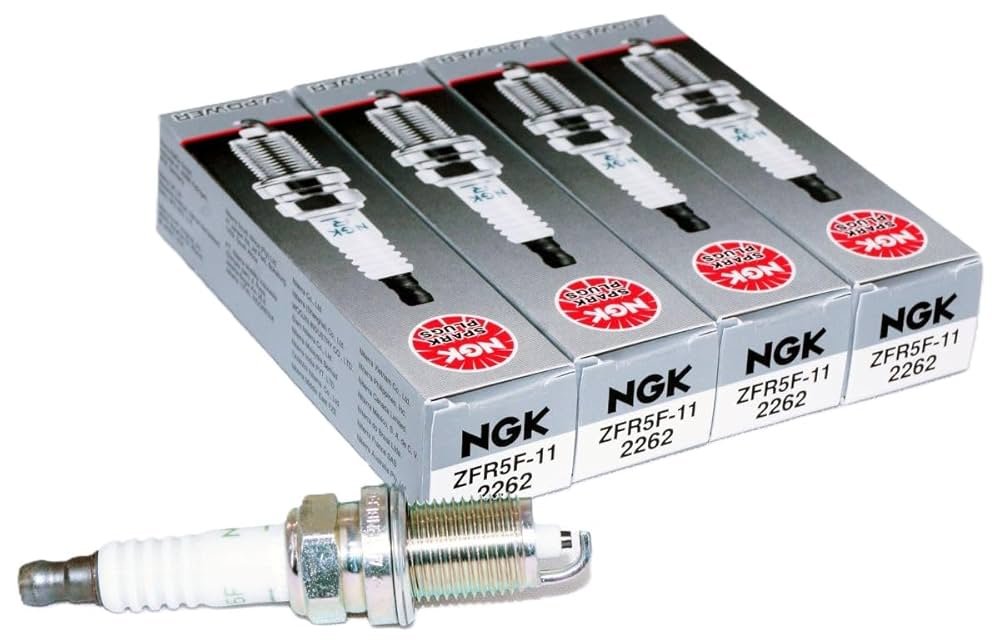
Are you wondering how much spark plugs are going to cost you? Whether you’re a seasoned car enthusiast or just starting to learn about vehicle maintenance, understanding the cost of spark plugs is crucial.
You might think they’re just small, unassuming parts of your car, but they play a significant role in keeping your engine running smoothly. The cost of these tiny components can vary widely, and knowing what to expect can save you both time and money.
We’ll break down the factors that influence spark plug prices and help you make the best choice for your vehicle and budget. Keep reading to uncover the secrets behind spark plug pricing and make sure you’re not overpaying for this essential car part.

Credit: www.amazon.ca
Spark Plug Price Range
Understanding the price range of spark plugs helps you make smarter choices for your vehicle. Spark plugs vary widely in cost, depending on the type, brand, and performance features you want. Knowing what fits your budget and needs prevents overspending on parts that might not bring extra value to your car.
Budget Options
Budget spark plugs typically cost between $2 and $5 each. These are basic models made from copper or standard materials. They work well for older or less demanding engines, providing reliable performance without extra bells and whistles.
If you drive a daily commuter or a simple vehicle, budget options can be a practical choice. Just keep in mind that they may wear out faster, requiring more frequent replacements.
Mid-range Choices
Mid-range spark plugs usually fall in the $6 to $12 range. These often include platinum or double platinum designs, offering better durability and improved ignition. They strike a good balance between cost and performance for many drivers.
Switching to mid-range spark plugs can boost your engine’s efficiency and fuel economy. Have you noticed smoother starts or better throttle response after upgrading? Many drivers report these subtle but valuable improvements.
Premium Models
Premium spark plugs cost $15 or more each and are often made with iridium or other high-performance materials. These are designed for high-performance vehicles or those requiring maximum longevity and reliability. They usually last longer and maintain optimal performance under tough conditions.
For enthusiasts or drivers with demanding engines, premium spark plugs can be worth the investment. But consider if your vehicle and driving style truly need this level of performance before spending extra.
Factors Influencing Costs
Understanding the cost of spark plugs goes beyond just the price tag on the shelf. Several factors play a role in determining how much you will pay. These factors influence the durability, performance, and ultimately the value you get from your purchase.
Material Type
The material used in spark plugs significantly affects their price. Copper plugs are usually the cheapest but wear out faster. Iridium and platinum plugs cost more but last longer and provide better performance.
If you want to save money in the long run, investing in iridium spark plugs might be worth it. They offer improved ignition and fuel efficiency, which can reduce overall vehicle maintenance costs.
Brand Impact
Well-known brands often charge higher prices for spark plugs. This is because they invest in research, quality control, and warranty services. Lesser-known brands might offer cheaper options but could compromise on reliability.
Think about your own experience—have you ever bought a cheap part only to replace it shortly after? Paying a bit more for a trusted brand can save you time and hassle.
Vehicle Compatibility
Your vehicle’s make and model also influence spark plug costs. Some cars require specialized plugs that fit unique engine designs. These plugs tend to be pricier due to their custom specifications.
Check your vehicle manual or consult a mechanic before buying. Using the wrong spark plug can lead to poor engine performance or even damage, costing you more in repairs.
Installation Expenses
Installation expenses can significantly affect the total cost of replacing spark plugs. While the price of the spark plugs themselves is important, the labor involved in installing them often adds a notable amount to your bill. Understanding these costs can help you decide whether to tackle the job yourself or hire a professional.
Diy Installation Savings
Installing spark plugs on your own can save you a good chunk of money. If you have basic tools and a bit of mechanical knowledge, this task can be done in under an hour for many vehicles.
By doing it yourself, you avoid labor charges, which might range from $50 to over $150 depending on the shop. Plus, you gain valuable experience and confidence in maintaining your car.
Have you ever opened your car’s hood and wondered if you could fix something yourself? Spark plug installation might be easier than you think, and the savings might surprise you.
Professional Labor Fees
Hiring a mechanic to install spark plugs means paying for their time and expertise. Labor fees vary widely based on location, vehicle complexity, and shop rates.
Expect to pay between $40 and $100 for labor alone, with some high-end or labor-intensive models costing more. The advantage is that professionals ensure the job is done right the first time.
If you’re unsure about your skills or tools, paying for professional installation might prevent costly mistakes. What’s more valuable to you: the savings or the peace of mind?

Credit: www.amazon.ca
Long-term Value
Thinking about the cost of spark plugs only at the point of purchase can be misleading. The true expense lies in their long-term value—how well they perform over time and how they impact your vehicle’s overall efficiency. Investing in quality spark plugs can save you money and hassle down the road.
Durability And Lifespan
High-quality spark plugs often last much longer than cheaper alternatives. Some premium models can run smoothly for up to 100,000 miles, reducing how often you need replacements. This durability means fewer trips to the mechanic and less money spent on parts and labor.
Have you ever changed spark plugs frequently and wondered why? It’s usually because the cheaper ones wear out faster, causing rough engine performance and more frequent maintenance. Choosing durable spark plugs means your engine stays in better shape longer, which protects your investment.
Fuel Efficiency Benefits
Good spark plugs create a stronger, more consistent spark, which helps your engine burn fuel more completely. This leads to better fuel efficiency and fewer emissions. Over time, the savings on gas can outweigh the initial cost difference between cheap and premium plugs.
Imagine driving an extra 200 miles a year without spending more on fuel just because your spark plugs are doing their job efficiently. That’s real value you gain by picking spark plugs that enhance your engine’s performance. Have you checked your fuel economy lately? It might be time to consider if your spark plugs are helping or hurting it.
Where To Buy Spark Plugs
Spark plugs are easy to find but prices vary widely. Knowing where to buy them helps save money and time. Different sellers offer different brands and prices. Choosing the right place depends on your needs and convenience.
Online Marketplaces
Online stores offer a wide range of spark plugs. Prices are often lower than in physical shops. You can read reviews from other buyers. Delivery comes right to your door. Watch for shipping costs and delivery time. Make sure the seller is reliable before buying.
Auto Parts Stores
Local auto parts shops have spark plugs in stock. You can get advice from store staff. Immediate purchase means no waiting for delivery. Prices might be higher than online. Sometimes, stores have special offers or discounts. Good for quick replacements or urgent needs.
Dealerships
Car dealerships sell spark plugs specific to your car model. They guarantee genuine and high-quality parts. Prices here are usually the highest. They provide professional advice and fitting services. Best choice for brand-new or luxury vehicles. Trustworthy but can cost more than other options.

Credit: www.amazon.ca
Frequently Asked Questions
How Much Do Spark Plugs Typically Cost?
Spark plugs usually cost between $10 and $30 each. Prices vary based on brand, type, and vehicle compatibility. Premium or specialized plugs can be more expensive.
Are Expensive Spark Plugs Worth The Price?
Expensive spark plugs often last longer and improve engine performance. However, basic plugs work well for most vehicles. Choose based on your car’s needs and budget.
What Affects The Price Of Spark Plugs?
Material quality, brand reputation, and technology affect spark plug prices. Iridium and platinum plugs cost more but offer better durability and efficiency.
How Often Should Spark Plugs Be Replaced?
Most spark plugs last 30,000 to 100,000 miles, depending on type. Regular replacement ensures optimal engine performance and fuel efficiency.
Conclusion
Spark plug costs vary based on type and brand. Basic plugs are affordable for most cars. Performance plugs cost more but last longer. Installation fees add to the total price. Regular checks help avoid costly engine problems. Choosing the right spark plug saves money over time.
Quality plugs improve engine efficiency and fuel use. Keep your vehicle running smooth with proper care. Simple steps prevent unexpected expenses on spark plugs. Knowing costs helps plan your car maintenance better.





