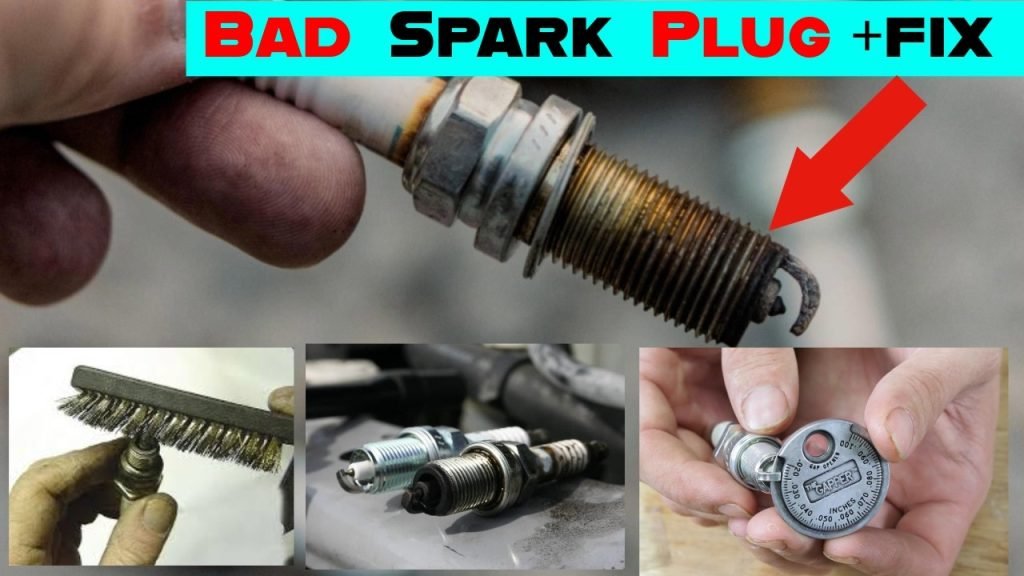
Have you ever wondered what might be causing your car to run rough or misfire? The culprit could be right under your hood: bad spark plugs.
These small but mighty components play a crucial role in your engine’s performance. When they’re in bad shape, they can lead to a host of problems, from poor fuel economy to engine damage. But how can you tell if your spark plugs are on their way out?
It’s not always obvious at first glance. That’s why understanding what bad spark plugs look like is essential for any car owner. We’ll dive into the telltale signs of worn-out spark plugs, so you can spot issues before they turn into costly repairs. Keep reading to discover how a quick visual check can save you time, money, and a whole lot of frustration.

Credit: www.reddit.com
Common Spark Plug Issues
Identifying common spark plug issues can save you from unexpected engine problems and costly repairs. Spark plugs may look small, but their condition directly impacts your vehicle’s performance. Noticing unusual signs on your spark plugs can give you an early warning that something needs fixing.
Worn Electrodes
The electrodes on spark plugs wear down over time due to constant sparking. When the electrodes become thin or rounded, the spark weakens, causing misfires or rough engine idling. If you spot noticeably eroded or uneven electrodes, it’s a clear sign your plugs need replacing.
Carbon Deposits
Carbon deposits appear as black, dry soot on the spark plug’s tip. This buildup often results from a too-rich fuel mixture or poor air-fuel combustion. If your plugs have heavy carbon deposits, your engine might run inefficiently or have trouble starting.
Oil Fouling
Oil fouling leaves wet, oily residue on the spark plug’s insulator and electrodes. This usually indicates oil leaking into the combustion chamber, possibly due to worn piston rings or valve guides. Oil-fouled plugs can cause misfires and poor engine performance, so checking your engine’s oil system is crucial.
Burnt Or Damaged Insulator
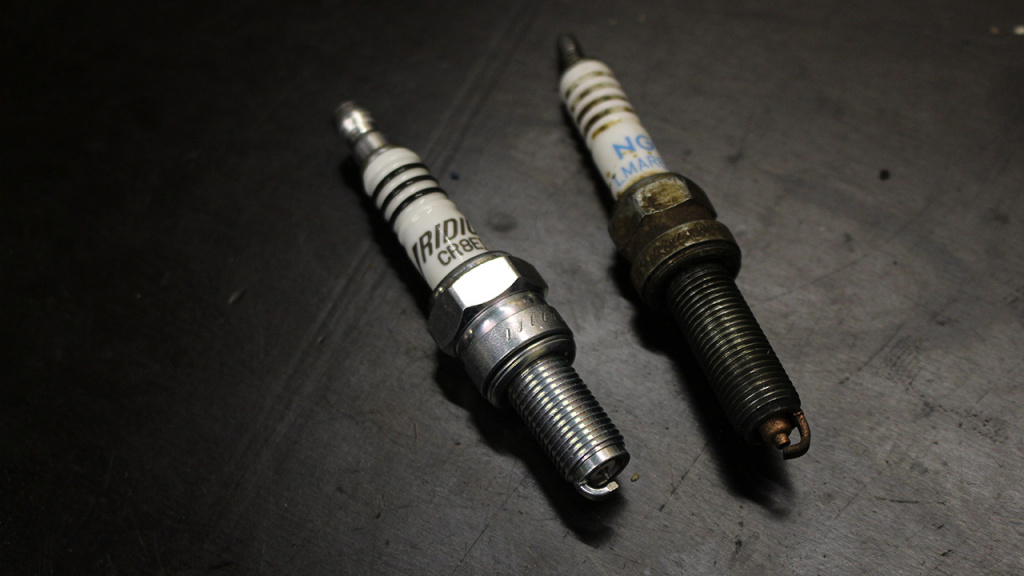
The insulator is the ceramic part surrounding the electrode. A burnt or cracked insulator shows signs of overheating or electrical damage. If you notice brown or white discoloration, cracks, or chips, your spark plug may fail to function properly and should be replaced immediately.
Credit: finntrail.com
Visual Signs Of Bad Spark Plugs
Visual signs of bad spark plugs often reveal underlying engine problems. Recognizing these signs early helps avoid costly repairs. A simple inspection can show spark plug health quickly. Here are common visual cues to check for.
Black Sooty Appearance
Spark plugs covered in black soot indicate a rich fuel mixture. This means too much fuel is burning in the engine. The black, dry soot can also signal weak ignition. Engines may misfire or run roughly with these plugs.
White Or Ashy Deposits
White or light gray deposits on spark plugs show overheating. These ash-like deposits come from oil or fuel additives. The deposits can cause weak sparks and poor engine performance. Over time, they may damage the plug’s firing tip.
Corroded Or Rusty Threads
Corrosion or rust on the threads means moisture or poor maintenance. Rust weakens the spark plug’s connection to the engine. It may cause poor electrical contact and misfires. Cleaning or replacing the plug is necessary to restore function.
Cracked Or Broken Tips
Visible cracks or broken electrodes hurt spark plug performance. Cracks allow combustion gases to leak and reduce spark power. Broken tips cause misfires and rough engine running. Damaged spark plugs must be replaced immediately.
Performance Symptoms Linked To Spark Plug Damage
Noticing a drop in your car’s performance? It might be time to check your spark plugs. Damaged spark plugs can cause several symptoms that directly affect how your engine runs. Understanding these signs can help you catch problems early and avoid costly repairs.
Engine Misfires
One of the most common signs of bad spark plugs is engine misfires. Your engine might hesitate or jerk during acceleration, which feels like it’s struggling to keep up. This happens because the spark plug isn’t igniting the fuel-air mixture properly, causing incomplete combustion.
You might also hear unusual popping or coughing sounds from the engine. If your car feels less powerful or stalls occasionally, don’t ignore these warning signs. Have you ever experienced a sudden jerk while driving? That could be a misfire caused by spark plug damage.
Poor Fuel Efficiency
Are you filling up your tank more often than usual? Damaged spark plugs can lower your fuel efficiency significantly. When the spark isn’t strong enough, your engine burns more fuel to compensate, leading to wasted gas and higher expenses.
Imagine driving the same distance but using more fuel each time—spark plugs directly influence this. Checking your spark plugs could be the simple fix to save money at the pump.
Hard Starting
If your car struggles to start, especially on cold mornings, the spark plugs might be the culprit. Worn or fouled plugs can make it difficult for your engine to ignite the fuel mixture quickly.
This delay in starting can become frustrating, especially if you’re in a hurry. Have you ever had to try multiple times before your engine finally turned over? That’s a clear sign your spark plugs need attention.
Rough Idling
Does your engine shake or sound uneven when idling? Rough idling often points to spark plug problems. When plugs don’t fire consistently, the engine runs irregularly, causing vibrations and noise.
This can make your car uncomfortable to drive and might indicate bigger engine issues if left unchecked. Paying attention to how your engine feels at idle can save you from unexpected breakdowns.
Causes Behind Spark Plug Deterioration
Spark plugs play a critical role in your engine’s performance, but they don’t last forever. Understanding what causes them to deteriorate can save you from unexpected breakdowns and costly repairs. Let’s dive into the key reasons behind spark plug wear and damage, helping you spot issues early and maintain your vehicle’s health.
Incorrect Heat Range
Using spark plugs with the wrong heat range is a common mistake that accelerates wear. If the plug runs too hot, it can cause pre-ignition and damage the electrode. On the other hand, a plug that runs too cold will foul quickly, leaving deposits that reduce performance.
Have you checked your vehicle’s manual for the recommended heat range? Ignoring this can shorten your spark plugs’ lifespan significantly.
Fuel Quality Issues
Poor-quality fuel often contains impurities that leave behind stubborn deposits on spark plugs. These deposits can lead to misfires and rough idling. Over time, the buildup can wear down the electrode and insulator, reducing the spark plug’s efficiency.
Using fuel with higher octane than required or additives might seem helpful, but it won’t fix underlying fuel quality problems. Paying attention to the fuel you use can prevent unexpected spark plug problems.
Engine Oil Leaks
When engine oil leaks into the combustion chamber, it coats the spark plugs with oil residue. This fouling prevents the spark from igniting the air-fuel mixture properly. You might notice black, oily deposits on the plugs, signaling a need to check seals and gaskets.
Ignoring oil leaks can cause ongoing spark plug issues and even damage your engine. Have you looked under your hood for signs of leaks recently?
Overheating Conditions
Excessive heat can warp or crack spark plugs, leading to failure. Overheating might result from engine tuning problems, cooling system failures, or driving habits like constant high-speed runs. This damage reduces spark effectiveness and engine efficiency.
Monitoring your engine temperature gauge and performing regular cooling system maintenance can help you avoid overheating-related spark plug damage. What steps do you take to keep your engine cool?
Maintenance Tips To Extend Spark Plug Life
Keeping your spark plugs in good shape is key to maintaining your engine’s performance and fuel efficiency. Simple care routines can prevent common issues like misfires, rough idling, and poor acceleration. Let’s look at practical ways you can extend the life of your spark plugs and keep your vehicle running smoothly.
Regular Inspection
Check your spark plugs every 10,000 to 15,000 miles or as recommended by your vehicle’s manual. Look for signs of wear such as corrosion, carbon buildup, or damaged electrodes. Catching these early helps you avoid costly repairs and keeps your engine firing properly.
Proper Cleaning Techniques
Use a soft wire brush or spark plug cleaner to gently remove carbon deposits without damaging the electrodes. Avoid harsh abrasives or sandpaper, which can harm the plug’s surface. Cleaning your plugs can improve performance, but if they’re heavily worn, replacement is a better option.
Correct Installation
Make sure to install spark plugs using the right torque—too tight can strip threads, too loose causes poor connection. Use a torque wrench to get it just right. Also, apply a small amount of anti-seize compound on the threads to prevent them from sticking in the cylinder head.
Scheduled Replacements
Follow your car manufacturer’s recommended replacement intervals, usually between 30,000 and 100,000 miles depending on the plug type. Waiting too long can lead to engine misfires and reduced fuel efficiency. Keep a maintenance log to track when each plug was last replaced to avoid surprises.

Credit: www.toyotanation.com
Frequently Asked Questions
What Are The Visible Signs Of Bad Spark Plugs?
Bad spark plugs often look worn, dirty, or cracked. They may have black soot, oil deposits, or blistering on the electrodes. These signs indicate poor combustion or engine issues needing spark plug replacement.
How Do Bad Spark Plugs Affect Engine Performance?
Worn spark plugs cause rough idling, misfires, and reduced fuel efficiency. They struggle to ignite the fuel-air mixture properly, leading to power loss and increased emissions. Timely replacement restores smooth engine operation.
Can Spark Plugs Be Visually Tested At Home?
Yes, you can remove and inspect spark plugs yourself. Look for discoloration, cracks, or deposits. However, a professional diagnostic test is better for accurate spark plug health assessment.
Why Do Spark Plugs Get Fouled Or Dirty?
Spark plugs foul due to oil leaks, carbon build-up, or improper fuel mixture. These conditions cause deposits that hamper spark production, reducing engine efficiency and increasing emissions.
Conclusion
Bad spark plugs show clear signs you should not ignore. They look worn, dirty, or cracked. These signs mean your engine won’t run well. Fixing or replacing spark plugs helps your car start better. Regular checks save time and money later.
Remember, clean and good spark plugs keep your car healthy. Check them often to avoid bigger problems. Simple steps can keep your engine strong and smooth. Don’t wait until problems grow bigger or harder to fix. Take care of spark plugs and drive with confidence.





