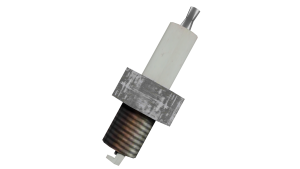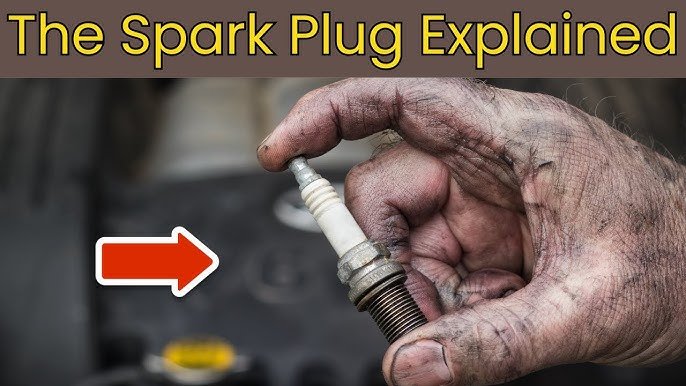
Have you ever wondered what makes your car’s engine come to life every time you turn the key? The secret lies in a small but mighty part called the spark plug.
Understanding how a spark plug works can help you take better care of your vehicle and avoid unexpected breakdowns. You’ll discover the simple science behind spark plugs and why they are essential for your engine’s performance. Keep reading—you’ll soon see how this tiny component plays a huge role in keeping your car running smoothly.

Credit: www.chase.com
Role Of A Spark Plug
The role of a spark plug in your vehicle is more critical than you might think. It acts as the tiny but powerful trigger that starts the entire combustion process inside the engine. Without a properly working spark plug, your engine simply won’t fire up or run efficiently.
Ignition In Combustion Engines
The spark plug’s main job is to ignite the air-fuel mixture inside the engine’s cylinders. It does this by creating a small but intense spark at just the right moment.
This spark causes the fuel to explode, pushing the piston down and producing the power needed to move your car. If the spark is weak or mistimed, your engine may misfire or lose power.
Energy Conversion Process
Think of the spark plug as the bridge between electrical energy and mechanical energy. It takes electricity from your car’s battery and turns it into a spark.
This spark then converts the chemical energy in fuel into mechanical energy that powers your engine. Keeping your spark plugs clean and in good shape ensures this energy conversion happens smoothly, saving fuel and reducing emissions.
Credit: www.vanguardpower.com
Spark Plug Components
Understanding the key components of a spark plug helps you see how it sparks life into your engine. Each part plays a vital role in creating the right conditions for ignition. Knowing these parts can guide you when inspecting or replacing spark plugs to keep your vehicle running smoothly.
Electrodes And Insulator
The electrodes are the heart of the spark plug. They consist of a central electrode and a ground electrode, separated by a small gap where the spark jumps to ignite the air-fuel mixture.
The central electrode is usually made from durable metals like copper, platinum, or iridium, which can withstand high heat and corrosion. The insulator surrounds the central electrode and is made from ceramic material. It keeps the electrical energy focused, preventing it from escaping to the metal shell.
Have you ever wondered why a worn electrode can cause engine misfires? That tiny gap needs to be just right for the spark to jump effectively. If it’s too wide or damaged, your engine struggles to start or runs poorly.
Metal Shell And Terminal
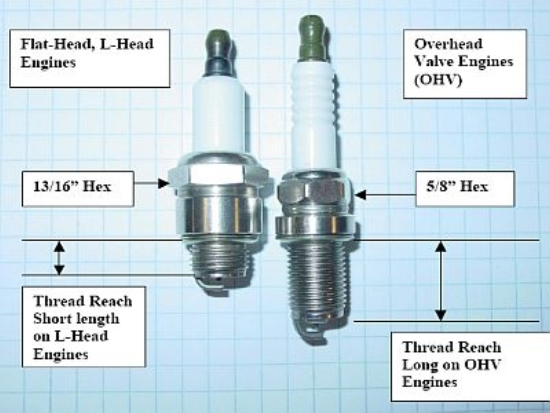
The metal shell screws into the engine’s cylinder head and holds the spark plug in place. It also helps transfer heat from the combustion chamber to the cooling system, preventing the spark plug from overheating.
On the top of the spark plug is the terminal, where the ignition wire connects. This connection transfers the high voltage needed to create the spark. A clean and secure terminal ensures consistent electrical flow, which your engine depends on.
Think about the last time you had trouble starting your car. Sometimes the problem isn’t the battery but a loose or corroded terminal connection on the spark plug. Paying attention here can save you from unexpected breakdowns.
Ignition Process
The ignition process is the heartbeat of your engine. It’s what transforms fuel into power, enabling your vehicle to move. Understanding this process gives you a clearer picture of how a spark plug plays its crucial role in every start and every mile.
Voltage Generation
Your car’s ignition system produces a high voltage electric charge. This voltage can reach up to 25,000 volts or more, which is necessary to jump the gap inside the spark plug. Without this intense voltage, the spark plug can’t create the spark needed to ignite the fuel.
Think about the last time your engine struggled to start—often, low voltage means weak or no spark. This highlights how vital the voltage generation step is for a smooth ignition.
Spark Formation
Once the high voltage reaches the spark plug, it jumps across a tiny gap between the electrodes. This jump creates a spark, a sudden flash of electricity that lasts just milliseconds. The spark’s precise timing and strength are essential to ignite the fuel-air mixture efficiently.
Have you ever seen a spark plug’s electrode worn or dirty? That small damage can prevent the spark from forming properly, causing misfires or rough running engines.
Fuel-air Mixture Ignition
The spark ignites the compressed fuel-air mixture inside the combustion chamber. This ignition creates a small explosion, pushing the piston down and generating the power that drives your vehicle. The quality of this ignition affects everything from fuel efficiency to engine performance.
Next time you think about your engine’s power, consider how this tiny spark starts the whole process. Have you checked your spark plugs lately to ensure that every ignition is clean and strong?

Credit: beachautomotive.com
Factors Influencing Performance
The performance of a spark plug depends on several key factors. These factors affect how well the spark plug ignites the fuel-air mix. Proper performance ensures smooth engine running and better fuel efficiency. Understanding these factors helps in choosing the right spark plug for any engine.
Heat Range And Gap Size
The heat range of a spark plug shows how fast it can transfer heat. A plug with the correct heat range avoids overheating or fouling. Too hot causes damage; too cold leads to deposits.
The gap size is the distance between the electrodes. It controls the spark strength and timing. A gap too wide makes starting hard. A gap too small weakens the spark. Correct gap size keeps ignition strong and consistent.
Material And Design
Spark plugs use different materials like copper, platinum, or iridium. Copper plugs conduct electricity well but wear faster. Platinum and iridium last longer and resist corrosion.
The design of the spark plug also matters. Some have multiple ground electrodes to improve spark quality. Others have special coatings to reduce fouling. The right material and design improve durability and engine performance.
Common Issues And Maintenance
Understanding common spark plug issues helps keep engines running smoothly. Spark plugs wear out over time and can develop problems. Regular maintenance prevents engine misfires and poor fuel economy. Checking spark plugs often improves vehicle performance and saves money.
Wear And Fouling Signs
Worn spark plugs cause weak sparks and engine problems. Look for these signs:
- Rough idling or engine misfires
- Hard starts or slow acceleration
- Increased fuel consumption
- Black, oily, or sooty deposits on the plug
- Corroded or damaged electrodes
Fouling happens when deposits build on the plug. Oil leaks, carbon deposits, or fuel residue cause fouling. These reduce spark efficiency and lead to poor engine performance.
Replacement Guidelines
Replace spark plugs following the vehicle manufacturer’s schedule. Most cars need new plugs every 30,000 to 100,000 miles. Check the owner’s manual for exact intervals.
Use the correct spark plug type and gap size. Installing the wrong plug harms engine function. Proper torque during installation prevents damage.
Inspect plugs regularly during tune-ups. Early replacement stops engine issues from getting worse. Clean or replace fouled plugs to restore spark quality.
Advancements In Spark Plug Technology
Spark plug technology has evolved significantly over the years. Innovations focus on durability, performance, and fuel efficiency. These advances improve how engines start and run smoothly. Modern spark plugs last longer and reduce emissions. They also help engines perform better under different conditions.
Iridium And Platinum Tips
Iridium and platinum tips are common in newer spark plugs. These metals resist wear much better than traditional copper. Iridium is harder and lasts longer than platinum. Both metals help create a stronger spark with less voltage. This improves ignition and reduces misfires. The thin tips also allow for more precise sparks.
Impact On Engine Efficiency
Better spark plug materials lead to more efficient engines. Stronger sparks burn fuel more completely. This results in more power and less wasted fuel. Engines run cleaner and produce fewer harmful gases. Spark plugs with iridium or platinum tips maintain performance for longer periods. This reduces maintenance frequency and saves money.
Frequently Asked Questions
How Does A Spark Plug Ignite The Engine Fuel?
A spark plug creates a spark to ignite the air-fuel mixture inside the engine cylinder. This spark causes combustion, powering the engine.
What Are The Main Parts Of A Spark Plug?
A spark plug consists of a central electrode, insulator, metal shell, and ground electrode. These parts work together to create and deliver the spark.
How Often Should Spark Plugs Be Replaced?
Spark plugs typically need replacement every 30,000 to 100,000 miles. Check your vehicle manual for specific intervals and performance signs.
Can A Faulty Spark Plug Cause Engine Problems?
Yes, faulty spark plugs can cause misfires, poor fuel economy, and rough engine performance. Regular inspection helps prevent these issues.
Conclusion
A spark plug plays a key role in your engine’s function. It ignites the air-fuel mix. This creates the power your vehicle needs to run. Regular checks ensure it works properly. Replacing worn-out spark plugs boosts engine efficiency. Better performance means smoother rides and fewer emissions.
Understanding this small component helps maintain your vehicle’s health. Keep it in good shape for a reliable drive. Your engine will thank you. Stay informed and care for your spark plugs. Your vehicle depends on it.