Have you ever noticed your car not running as smoothly as it should? Perhaps it’s struggling to start, or maybe you’re experiencing poor fuel economy.
These issues can be frustrating and often lead to expensive repair bills if not addressed promptly. But here’s a little secret: the culprit could be something as simple as a bad spark plug. Understanding the signs of a failing spark plug can save you time, money, and a lot of headaches.
In this guide, we’ll walk you through how to tell if a spark plug is bad, ensuring your vehicle stays in top-notch condition. Stay with us, and you’ll discover the key to maintaining your car’s performance and extending its lifespan.
Symptoms Of A Bad Spark Plug
Recognizing the symptoms of a bad spark plug can save you time and money on car repairs. Spark plugs play a crucial role in your engine’s performance, and when they start failing, your vehicle quickly shows signs. Knowing what to look for helps you act before small issues turn into costly damages.
Engine Misfires
One of the first signs of a bad spark plug is engine misfires. You might feel your car hesitate or jerk during acceleration. This happens because the spark plug isn’t igniting the fuel-air mixture properly.
Have you ever noticed your car suddenly losing power without warning? That’s often a misfire in action. Ignoring this can lead to more serious engine problems.
Poor Fuel Economy
Bad spark plugs can cause your engine to burn more fuel than necessary. You might find yourself filling up the gas tank more often than usual. This happens because incomplete combustion wastes fuel.
Think about the last time your mileage dropped unexpectedly. Could your spark plugs be the reason? Checking and replacing them can improve your fuel efficiency noticeably.
Difficulty Starting
If your car struggles to start or takes longer to turn over, a faulty spark plug could be the culprit. The spark plug needs to create a strong spark to ignite the engine’s fuel mixture.
Have you ever stood outside in the cold, waiting for your engine to catch? A worn-out spark plug can make this more frustrating. Replacing it often restores smooth starts.
Rough Idling
A bad spark plug can cause your engine to idle roughly or shake while your car is stopped. You might hear unusual noises or feel vibrations inside the vehicle. This happens because the engine cylinders aren’t firing evenly.
Next time you’re waiting at a red light, pay attention to how your engine feels. If it’s rough or noisy, your spark plugs may need a checkup. Fixing this can make your ride much smoother.

Credit: www.subaruoutback.org
Visual Inspection Of Spark Plugs
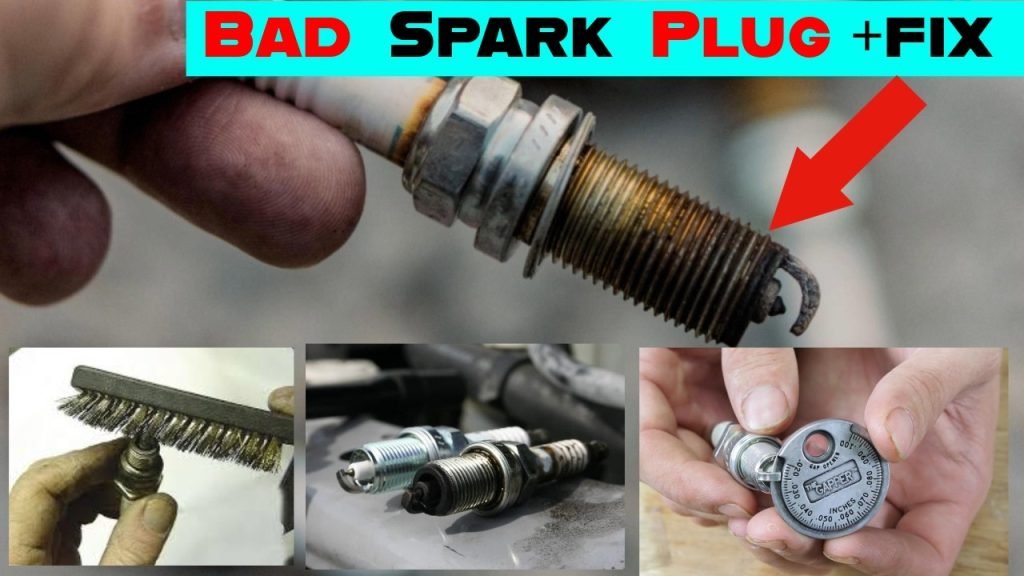
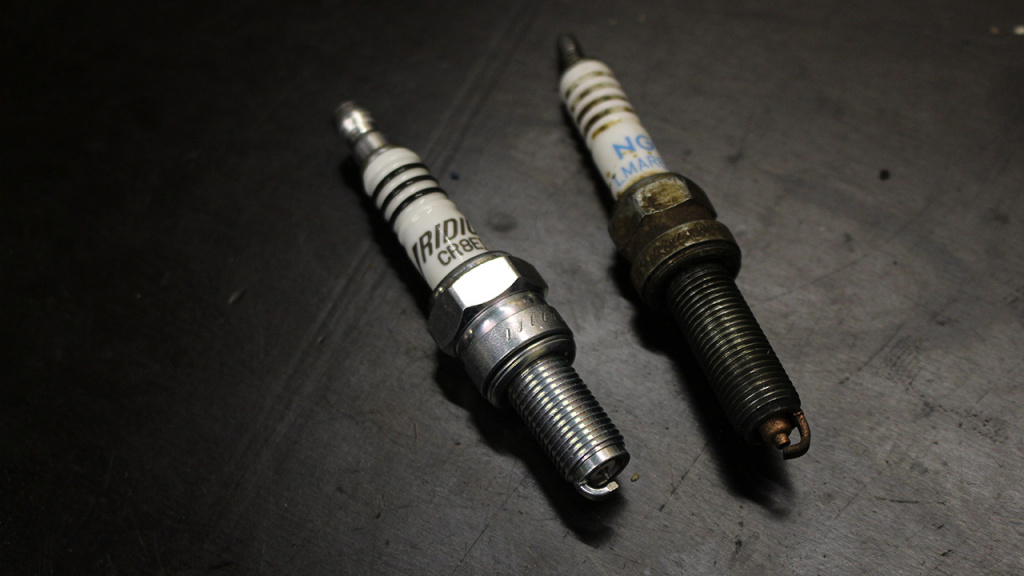
Visual inspection of spark plugs reveals many clues about their condition. It helps spot issues that affect engine performance. A careful look at the spark plug can save time and money on repairs. Simple signs like deposits, wear, or damage show if a spark plug is bad.
Checking For Carbon Deposits
Carbon deposits appear as black, dry soot on the spark plug tip. This buildup blocks the spark and causes misfires. Thick carbon means a rich fuel mixture or weak ignition. Light carbon is normal, but heavy deposits need cleaning or replacement.
Detecting Oil Fouling
Oil fouling shows as wet, oily, or shiny coating on the spark plug. It means oil leaks into the combustion chamber. This fouling causes poor engine start and rough idling. Oil on the plug requires fixing engine seals or piston rings.
Examining Electrode Wear
Electrode wear looks like rounded or eroded edges on the spark plug. Worn electrodes increase the gap and weaken the spark. This leads to poor fuel burning and lower power. Replace plugs with worn electrodes to restore engine efficiency.
Identifying Cracks And Damage
Cracks or chips on the ceramic insulator or metal parts are signs of damage. Physical damage causes misfires and engine trouble. Damaged spark plugs should be replaced immediately to avoid engine harm.
Testing Spark Plug Performance
Testing spark plug performance helps find issues that cause engine problems. A bad spark plug can lead to misfires, poor fuel economy, and rough idling. This test saves time and money by spotting faults early.
Several simple tools check spark plug condition. These tests show if the spark plug works well or needs replacement. Follow these easy steps to test the spark plug’s health.
Using A Spark Tester
A spark tester shows if the spark plug produces a strong spark. Connect the tester between the spark plug and ignition wire. Crank the engine and watch the tester.
- A bright blue spark means the plug works well.
- A weak or no spark means the plug may be bad.
- Look for irregular sparks that can cause engine trouble.
This test gives a quick result without removing the spark plug.
Measuring Electrode Gap
The electrode gap affects spark plug performance. Use a feeler gauge to measure the gap between the center and side electrodes. Compare it to the manufacturer’s recommended gap.
- A gap too wide or too narrow can cause misfires.
- Adjust the gap carefully if it is off by a small amount.
- Replace the spark plug if the gap cannot be corrected.
Correct gap ensures proper spark and engine efficiency.
Checking Resistance With A Multimeter
A multimeter measures the spark plug’s internal resistance. Set the meter to the ohms (Ω) scale. Place the probes on the spark plug’s terminal and the electrode.
- Normal resistance varies by spark plug type, check the specs.
- Very high or infinite resistance means a faulty plug.
- Low resistance can indicate a short circuit inside the plug.
This test helps detect hidden electrical problems.
Credit: finntrail.com
Common Causes Of Spark Plug Failure
Spark plugs play a key role in your engine’s performance. They ignite the air-fuel mixture that powers your vehicle. When spark plugs fail, the engine runs poorly or may not start at all. Understanding the common causes of spark plug failure helps prevent engine trouble and costly repairs.
Several factors cause spark plugs to wear out or stop working. Some are due to heat problems, while others come from improper handling or fuel issues. Regular checks can catch these problems early.
Overheating Issues
Spark plugs can overheat due to engine running too hot or wrong spark plug type. Excess heat damages the electrode and insulator. This leads to misfires and poor engine performance. Overheating can cause the spark plug to crack or melt.
Incorrect Installation
Improper spark plug installation causes many failures. Too tight or too loose plugs damage the threads or cause poor contact. Wrong gap size affects the spark quality. Always use the right tools and follow the manufacturer’s torque specifications.
Poor Fuel Quality
Low-quality fuel contains dirt and chemicals that harm spark plugs. Deposits build up on the electrode, causing fouling. This fouling prevents sparks and reduces engine power. Using clean, high-quality fuel helps maintain spark plug health.
Wear And Tear Over Time
Spark plugs wear naturally after many miles. Electrodes erode, increasing the gap and weakening the spark. This causes rough idling, hard starts, and lower fuel efficiency. Replacing spark plugs at recommended intervals keeps your engine smooth.
When To Replace Spark Plugs
Knowing the right time to replace spark plugs keeps your engine running smoothly. Old or faulty spark plugs can cause poor fuel efficiency and engine trouble. Regular checks help avoid costly repairs and maintain good performance.
Manufacturer Recommendations
Car makers provide guidelines on spark plug replacement intervals. These vary by vehicle model and spark plug type. Commonly, replacement is suggested every 30,000 to 100,000 miles. Follow the owner’s manual to ensure proper maintenance.
Signs Of Irreparable Damage
- Cracked or broken insulator
- Heavy carbon buildup
- Worn or rounded electrodes
- Burnt or melted tips
- Oil fouling on the plug
These signs indicate the spark plug cannot be cleaned or repaired. Replace immediately to avoid engine misfires or starting issues.
Impact On Engine Performance
Bad spark plugs cause rough idling and poor acceleration. The engine may hesitate or stall during driving. Fuel consumption often rises due to inefficient combustion. Replacing faulty plugs restores power and smooth operation.
Credit: www.toyotanation.com
Tips For Maintaining Spark Plugs
Maintaining spark plugs is key to keeping your engine running smoothly. Proper care helps avoid misfires, poor fuel economy, and rough idling. Small efforts in maintenance extend the life of your spark plugs and improve performance.
Regular Cleaning
Cleaning spark plugs removes dirt, oil, and carbon buildup. Use a wire brush or spark plug cleaner to gently clean the electrodes. Avoid harsh scrubbing, which can damage the plug. Clean plugs help maintain strong sparks and efficient combustion.
Proper Installation Techniques
Install spark plugs carefully to prevent damage and ensure good contact. Check the gap before installation using a gap tool. Tighten plugs to the correct torque to avoid stripping threads or cracking the insulator. Use anti-seize compound if recommended by the manufacturer.
Choosing The Right Spark Plug Type
Select spark plugs that match your vehicle’s specifications. Check the owner’s manual or ask a professional. Different engines require different heat ranges and electrode materials. Using the correct type prevents engine damage and improves fuel efficiency.
Frequently Asked Questions
How Can I Identify A Bad Spark Plug Visually?
A bad spark plug shows signs like black soot, oil deposits, or worn electrodes. Cracks or gaps also indicate failure. These visual cues help diagnose spark plug health quickly and effectively.
What Symptoms Indicate A Failing Spark Plug?
Common symptoms include engine misfires, rough idling, poor acceleration, and reduced fuel efficiency. These signs suggest the spark plug isn’t firing properly and needs inspection or replacement.
How Often Should Spark Plugs Be Checked Or Replaced?
Check spark plugs every 30,000 miles or as recommended by your vehicle’s manual. Replace them if worn or damaged to maintain optimal engine performance and fuel economy.
Can A Bad Spark Plug Cause Engine Misfires?
Yes, bad spark plugs often cause engine misfires. Misfires result from incomplete combustion, leading to rough running, reduced power, and increased emissions.
Conclusion
Bad spark plugs cause engine trouble and poor fuel use. Check for cracks, buildup, or worn tips often. Clean or replace plugs to keep your car running well. Regular checks help avoid bigger problems later. Simple steps save time and money.
Stay alert to signs like rough starts or poor power. Healthy spark plugs mean a smooth, strong engine. Keep them in good shape for better driving.





