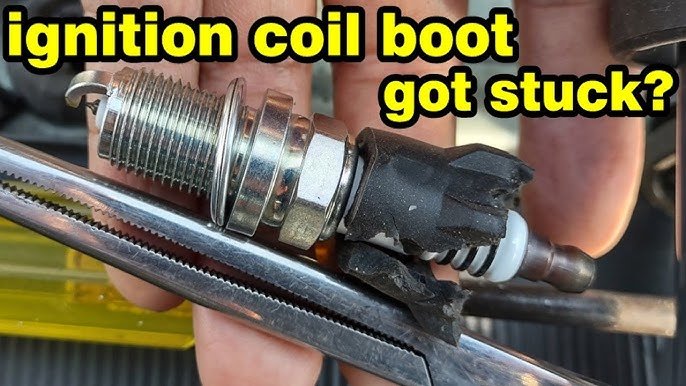
Are you dealing with a stubborn spark plug that refuses to budge? You’re not alone.
Many car owners face this frustrating issue. Removing a stuck spark plug can feel like trying to move a mountain, leaving you worried about damaging your engine or tools. But don’t worry—there’s a way to tackle this challenge without the headache.
In this guide, you’ll discover simple, effective steps to safely free that stubborn plug. By the end, you’ll feel confident and equipped to handle the task, saving you time, money, and unnecessary stress. Ready to reclaim control over your vehicle’s maintenance? Let’s dive in!
Signs Of A Stuck Spark Plug
Knowing the signs of a stuck spark plug can save you time and frustration before you even start working on your engine. These signs often appear subtly, but recognizing them early can prevent further damage to your vehicle. Let’s break down what causes spark plugs to get stuck and what symptoms you should keep an eye on.
Common Causes
Spark plugs can get stuck due to several factors related to engine conditions and maintenance habits. One common cause is corrosion, which happens when moisture and heat cause rust to form around the spark plug threads. Another frequent issue is over-tightening during installation, which can make removal difficult later on.
Carbon buildup inside the cylinder head can also glue the spark plug in place over time. If your engine has been overheating, the heat can cause the metal parts to expand and fuse together. Have you checked if your spark plugs were installed with the right torque? That simple step can prevent many headaches.
Symptoms To Watch For
You might suspect a stuck spark plug if you notice unusual resistance when trying to remove it. But before you even get to that point, your engine might give you clues. Look out for misfires, rough idling, or a sudden drop in fuel efficiency.
Another sign is visible damage or wear around the spark plug area. If the engine sounds different or struggles to start, it could be related to spark plug issues. Pay attention to any warning lights on your dashboard—they can sometimes signal ignition problems that stem from stuck plugs.
Tools Needed
Removing a stuck spark plug requires the right tools. Using proper tools helps prevent damage and makes the task easier. Some tools are essential, while others can help speed up the process or provide extra support.
Basic Tools
- Spark plug socket – fits snugly around the plug for safe removal
- Ratchet wrench – provides leverage to loosen the spark plug
- Extension bar – helps reach deep or tight spark plug holes
- Torque wrench – ensures proper tightening when reinstalling the spark plug
- Penetrating oil – loosens rust and corrosion around the plug threads
Optional Helpful Tools
- Breaker bar – offers extra leverage for very tight plugs
- Impact wrench – makes loosening stuck plugs quicker and easier
- Compressed air – clears debris around the spark plug before removal
- Wire brush – cleans the spark plug hole threads after removal
- Magnetic pickup tool – retrieves dropped spark plugs or small parts
Preparing The Area
Preparing the area before removing a stuck spark plug is crucial to avoid further damage and make the process smoother. Taking a few moments to set up properly can save you hours of frustration later. Let’s focus on two key tasks: cleaning around the plug and ensuring safety.
Cleaning Around The Plug
Before you start loosening the spark plug, clear any dirt, grease, or debris from the area. Dirt can easily fall into the cylinder once the plug is removed, potentially causing engine problems. Use a small brush or compressed air to clean the space thoroughly.
Pay close attention to the spark plug well. If you notice stubborn grime, a rag dampened with a bit of brake cleaner can help break it down. Have you ever struggled with a spark plug only to find dirt inside the engine afterward? Taking time to clean now prevents that headache.
Ensuring Safety
Safety should never be an afterthought when working on your engine. First, make sure the engine is completely cool. Attempting to remove a spark plug from a hot engine can cause burns or strip the threads due to metal expansion.
Disconnect the battery to avoid any accidental electrical shorts while you work. Also, wear gloves and safety glasses to protect your hands and eyes from debris or sudden sparks. Have you checked your tools and workspace for hazards before diving in? A safe environment helps you stay focused and efficient.

Credit: www.odyclub.com
Step-by-step Removal Process
Removing a stuck spark plug can be frustrating, but taking it step-by-step can save you from damaging your engine or the spark plug itself. The key is to be patient and use the right techniques. Here’s a detailed removal process that will guide you through safely loosening that stubborn spark plug.
Applying Penetrating Oil
Start by spraying a generous amount of penetrating oil around the spark plug threads. This oil seeps into the rust or debris binding the plug, making it easier to remove.
Let the oil soak for at least 15 to 20 minutes. Sometimes, letting it sit overnight can make a huge difference if the plug is really stuck.
Have you noticed how patience with this step often saves hours of frustration? Don’t rush—this simple action often prevents damage.
Using The Correct Socket
Use a spark plug socket that fits snugly around your plug. A loose fit can strip the plug or damage the threads.
Choose a socket with a rubber insert or a magnet to grip the plug securely. This helps prevent the plug from falling out once it’s loose.
Think about the last time you tried using an ill-fitting tool—did it make the job easier or harder? Getting the right socket is a small step with big impact.
Gentle Rocking Technique
Don’t try to force the plug out in one go. Instead, gently rock it back and forth by turning it slightly counterclockwise, then clockwise.
This loosens the rust or debris little by little without stripping the threads. Be patient and feel how the plug gradually loosens.
Have you ever experienced a stuck bolt that finally gave way after gentle rocking? The same principle applies here—force often leads to breakage.
Using Heat Safely
If the plug still won’t budge, applying heat to the surrounding area can expand the metal and break the bond.
Use a heat gun or a propane torch carefully, aiming heat around the spark plug’s base—not directly on the plug itself.
Remember, too much heat or direct flame can damage engine components, so apply heat in short bursts and check frequently. Have you tried this and found a safe balance between enough heat and too much?
Troubleshooting Stubborn Plugs
Dealing with a stuck spark plug can quickly turn from a minor task into a frustrating challenge. Troubleshooting these stubborn plugs requires patience and the right approach to avoid worsening the problem. Understanding how to carefully loosen the plug without causing damage is essential for any DIY mechanic or car owner.
Avoiding Damage
When you attempt to remove a stuck spark plug, it’s easy to strip the threads or break the plug inside the cylinder. Use a spark plug socket with a rubber insert to grip the plug firmly and reduce slipping. Applying a penetrating oil and letting it sit for several hours can help loosen rust and debris holding the plug in place.
Try gently rocking the plug back and forth rather than forcing it in one direction. Excessive force often leads to costly repairs, such as rethreading the cylinder head. Have you ever found yourself tightening the plug further by accident? That’s why slow, steady pressure works better than brute strength.
When To Seek Professional Help
If the plug refuses to budge after careful attempts, or if you feel unusual resistance, it might be time to call a professional. Mechanics have specialized tools like impact wrenches and thread chasers that can safely remove stuck plugs. Attempting aggressive removal yourself can result in a broken plug or damaged cylinder head threads, costing you much more in the long run.
Recognize when the risk outweighs the reward. If you’re unsure about the plug’s condition or your tools, seeking expert assistance can save time, money, and frustration. Would you rather risk a small delay or face a major engine repair?

Credit: www.reddit.com
Post-removal Care
After successfully removing a stuck spark plug, your job isn’t finished yet. Taking proper care of the spark plug and the engine’s threads can prevent future headaches and keep your engine running smoothly. Paying attention to the details now saves you from costly repairs and time wasted down the road.
Inspecting The Spark Plug
Once the spark plug is out, examine it closely. Look for cracks, worn electrodes, or heavy deposits that could affect performance. If the spark plug shows signs of damage, replacing it is a smarter choice than trying to reuse it.
Check the gap between the electrodes using a feeler gauge. A gap that’s too wide or narrow can cause misfires or poor fuel efficiency. Adjust the gap if necessary, but be gentle to avoid damaging the plug.
Cleaning And Thread Maintenance
Before installing a new or cleaned spark plug, make sure the threads in the cylinder head are clean. Dirt or debris can cause the plug to seat improperly or get stuck again. Use a thread chaser or a small wire brush to clear any buildup carefully.
Applying a small amount of anti-seize compound on the spark plug threads helps prevent them from sticking in the future. However, don’t overdo it—too much compound can affect torque readings and cause damage.
Have you ever struggled with a spark plug that got stuck again after reinstallation? Proper thread maintenance is often the missing piece. Taking these extra steps can make your next spark plug change much easier and less frustrating.
Preventing Future Stuck Spark Plugs
Preventing stuck spark plugs saves you time, money, and frustration. Once you’ve dealt with the hassle of removing a stuck plug, you want to avoid repeating the process. Taking a few simple steps during installation and maintenance can make a big difference in keeping your spark plugs working smoothly.
Proper Installation Tips
Installing spark plugs correctly is your first defense against them getting stuck. Always clean the spark plug threads and cylinder head before installation to remove dirt and old sealant. This ensures the plug seats properly and doesn’t seize due to debris or corrosion.
Use a quality anti-seize compound on the threads, but apply it sparingly. Too much can cause over-tightening, which makes future removal harder. Tighten the spark plug to the manufacturer’s recommended torque using a torque wrench for accurate fitting.
Have you ever tightened a spark plug by feel and later struggled to remove it? That’s a common mistake. Relying on torque specs prevents damage to the threads and reduces the chances of the plug sticking in place.
Regular Maintenance Advice
Checking and replacing spark plugs on schedule prevents buildup that can cause them to stick. Carbon deposits and corrosion increase the risk of the plug bonding to the cylinder head. Make it a habit to inspect your plugs during regular tune-ups.
Keep an eye on your engine’s performance as well. Misfires, rough idling, or reduced fuel efficiency can signal spark plug issues early. Addressing these signs promptly avoids bigger problems and difficult removals later on.
Consider this: How often do you inspect your spark plugs? Adding this simple task to your routine can save hours of engine work. Staying proactive is the key to smooth spark plug removal next time.
Credit: www.rav4world.com
Frequently Asked Questions
How Can I Safely Remove A Stuck Spark Plug?
Use penetrating oil and let it sit for 15-20 minutes. Gently tap the spark plug with a rubber mallet to loosen it. Then, use a proper spark plug socket and turn slowly counterclockwise to avoid damage.
What Tools Do I Need To Remove Stuck Spark Plugs?
You need a spark plug socket, ratchet wrench, penetrating oil, and possibly a rubber mallet. A torque wrench is helpful for reinstallation. These tools ensure safe removal without damaging the spark plug or engine.
Why Do Spark Plugs Get Stuck In Engines?
Spark plugs can get stuck due to corrosion, dirt buildup, or over-tightening. High engine heat can also cause metal expansion, making removal difficult. Regular maintenance helps prevent spark plugs from seizing in place.
Can Heat Help Loosen A Stuck Spark Plug?
Yes, applying controlled heat can expand the metal and ease removal. Use a heat gun or let the engine warm up slightly. Avoid overheating to prevent damage to surrounding components.
Conclusion
Removing a stuck spark plug takes patience and the right tools. Take your time and avoid rushing the process. Apply lubricant carefully and use gentle force. This helps prevent damage to the engine. Regular maintenance can stop spark plugs from getting stuck.
Always keep your tools clean and ready. Following these steps makes the job easier and safer. Now, you can tackle stuck spark plugs with more confidence. Your engine will run smoother after this simple fix.





