Imagine you’re driving down the open road, your favorite song playing, and everything feels just right. Suddenly, your car starts to sputter, the engine hesitates, and you feel a jolt of worry.
Could it be the spark plugs? If you’ve ever wondered about the tiny components that play a crucial role in keeping your vehicle running smoothly, you’re not alone. Knowing when to replace your spark plugs can save you from unexpected breakdowns and costly repairs.
In this guide, we’ll explore the telltale signs that your spark plugs might need attention. By the end, you’ll be equipped with the knowledge to keep your car humming along effortlessly. Let’s dive into the world of spark plugs and ensure your ride remains as smooth as your favorite tune.
Common Spark Plug Problems
Spark plugs play a vital role in your vehicle’s performance. They ignite the fuel-air mixture in the engine cylinders. Over time, spark plugs wear out or get dirty. This leads to several common problems that affect your car’s efficiency and drivability. Recognizing these issues helps you know when to replace the spark plugs.
Misfiring Engine
A misfiring engine feels like it’s jerking or stumbling. This happens when spark plugs fail to ignite fuel properly. The engine may lose power or run roughly. Misfires can cause damage to other parts if ignored. They often lead to a rough ride and poor acceleration.
Poor Fuel Economy
Worn spark plugs cause incomplete combustion. This wastes fuel and lowers mileage. You might notice you fill the tank more often. Spark plugs need to produce a strong spark to burn fuel fully. When they don’t, your car uses more gas than normal.
Difficulty Starting
Old or damaged spark plugs make starting the engine hard. The engine may crank longer or fail to start. This happens because the spark needed to ignite fuel is weak or missing. Starting problems often get worse in cold weather or after the car sits unused.
Rough Idling
Rough idling means the engine runs unevenly when stopped. The car may shake or vibrate at low speeds. Faulty spark plugs cause inconsistent firing in the cylinders. This leads to an unstable engine sound and feel. Rough idling can be a sign that spark plugs need attention.

Credit: www.reddit.com
Physical Signs On Spark Plugs
Checking the physical condition of your spark plugs is one of the most direct ways to know if they need replacement. Spark plugs wear out over time and show visible signs that affect their performance. Paying close attention to these signs can save you from unexpected engine troubles and costly repairs.
Worn Or Damaged Electrodes
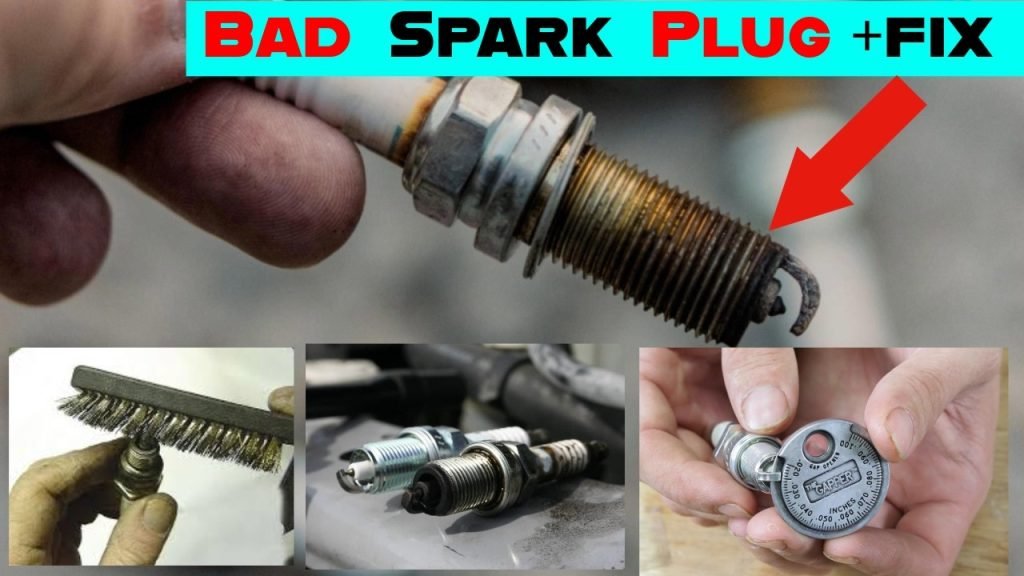
Electrodes are the small metal parts at the tip of the spark plug where the spark jumps to ignite the fuel. If you notice the electrodes are rounded, eroded, or have sharp edges worn down, it’s a clear sign your spark plugs are wearing out.
Damaged electrodes can cause weak sparks or misfires, leading to rough engine running and poor fuel efficiency. Have you ever experienced your car hesitating or stalling? Worn electrodes might be the culprit.
Excessive Carbon Buildup
Carbon buildup appears as a black, dry, and sooty coating on the spark plug tip. This usually means the engine is running too rich, burning more fuel than necessary.
Excess carbon can prevent the spark from jumping properly, causing misfires and decreased power. If you spot thick black deposits, it’s time to clean or replace your spark plugs to restore smooth engine performance.
Oil Or Ash Deposits
Oil or ash deposits create a wet, oily, or crusty layer on the spark plug surface. This buildup often points to oil leaking into the combustion chamber or poor fuel quality.
Oil-fouled spark plugs can cause the engine to misfire and run roughly. Spotting these deposits early helps you address bigger engine problems before they worsen.
Performance Issues Linked To Spark Plugs
Performance problems in your vehicle can often trace back to faulty spark plugs. These small components play a big role in how smoothly your engine runs. Recognizing the signs early can save you from costly repairs and keep your car running efficiently.
Loss Of Power
Have you noticed your car struggling to accelerate or maintain speed? Worn spark plugs can cause a noticeable drop in engine power. This happens because the spark plugs fail to ignite the fuel-air mixture properly, leading to incomplete combustion.
Imagine trying to sprint with a sprained ankle—your engine feels similarly handicapped. If your vehicle feels sluggish, it’s time to check those plugs.
Engine Hesitation
Does your engine hesitate or stumble when you press the gas pedal? This hesitation is a classic sign of spark plug issues. When plugs misfire, the engine can’t fire consistently, causing that annoying pause or jerk.
Think about how frustrating it is when your car doesn’t respond immediately—that’s your spark plugs asking for attention. Ignoring this can lead to further engine damage.
Increased Emissions
Faulty spark plugs can also cause your vehicle to emit more pollutants. If your engine isn’t burning fuel efficiently, expect higher emissions and possibly a failed emissions test. This isn’t just bad for the environment; it can hurt your wallet too.
Have you noticed the check engine light glowing after a long drive? It might be time to inspect your spark plugs before the problem worsens.

Credit: www.acg.aaa.com
Maintenance And Replacement Tips
Maintaining and replacing spark plugs keeps your engine running smoothly. Regular care prevents engine misfires and poor fuel efficiency. Knowing when to check or change spark plugs saves money and hassle. Follow these tips to keep your spark plugs in good shape.
Recommended Replacement Intervals
Most car makers suggest replacing spark plugs every 30,000 to 100,000 miles. The exact interval depends on the spark plug type and vehicle model. Copper plugs need more frequent changes, about every 30,000 miles. Platinum and iridium plugs last longer, often up to 100,000 miles. Check your owner’s manual for specific guidelines.
Choosing The Right Spark Plugs
Select spark plugs that match your car’s engine requirements. Using the wrong type can cause poor performance and engine damage. Consider plug size, heat range, and material. Iridium plugs offer durability and better ignition but cost more. Copper plugs are cheaper but wear out faster. Always buy plugs recommended by the vehicle manufacturer.
Diy Inspection Steps
- Locate spark plugs under the engine cover.
- Remove one plug using a spark plug socket.
- Look for signs of wear, such as erosion or black soot.
- Check the electrode gap with a feeler gauge.
- Clean light deposits with a wire brush if plugs are reusable.
- Replace plugs if they show cracks, heavy deposits, or damage.
- Reinstall plugs carefully and tighten to the correct torque.

Credit: www.reddit.com
Frequently Asked Questions
How Often Should Spark Plugs Be Replaced?
Spark plugs typically need replacement every 30,000 to 100,000 miles. Check your vehicle’s manual for specific intervals. Regular inspection helps maintain engine performance and fuel efficiency.
What Are Common Signs Of Worn Spark Plugs?
Worn spark plugs cause rough idling, poor acceleration, and engine misfires. You may also notice decreased fuel efficiency and difficulty starting your car.
Can Bad Spark Plugs Affect Fuel Economy?
Yes, faulty spark plugs reduce combustion efficiency, leading to higher fuel consumption. Replacing them improves mileage and lowers emissions.
How Can I Test If Spark Plugs Need Replacement?
Use a spark plug tester or inspect for wear, deposits, or damage. If performance issues persist, consult a mechanic for proper diagnosis.
Conclusion
Spark plugs affect your car’s performance every day. Worn or faulty plugs cause rough starts and poor fuel use. Notice strange engine sounds or slow acceleration? These signs mean it’s time to check your spark plugs. Regular inspection saves money and prevents bigger repairs.
Keep your engine healthy and running smooth. Don’t wait for serious problems to appear. Taking care of spark plugs helps your car last longer. Simple checks can avoid costly issues later. Your car deserves this small but important attention.





