Is your car not running as smoothly as it used to? Maybe you’ve noticed a drop in fuel efficiency or a rougher ride.
These could be signs that your spark plugs need changing. Spark plugs are small but mighty components that play a crucial role in your vehicle’s performance. When they’re worn out, they can affect everything from engine efficiency to starting your car.
But how do you know when it’s time to replace them? Ignoring the signs can lead to bigger issues, costing you more time and money. Stay with us as we dive into the telltale signs and simple checks you can do to ensure your vehicle runs smoothly. Your wallet and your car will thank you!
Role Of Spark Plugs
Spark plugs play a crucial role in your vehicle’s engine, acting as the ignition source that powers your car. Without them, the engine wouldn’t start or run smoothly. Understanding their role helps you recognize when it’s time to replace them, preventing costly repairs and keeping your ride efficient.
Function In Engine Performance
Spark plugs ignite the air-fuel mixture inside the engine’s cylinders by producing a small electrical spark. This ignition creates the explosion needed to push the pistons and generate power. If spark plugs wear out, misfire, or get dirty, your engine may hesitate, stall, or lose power.
Have you noticed rough idling or trouble starting your car? These are classic signs that your spark plugs might be struggling to do their job. Regularly checking spark plugs can save you from unexpected breakdowns and improve fuel efficiency.
Types Of Spark Plugs
Not all spark plugs are the same. They come in different materials and designs, each suited for specific engines and driving conditions. Choosing the right type can impact your engine’s performance and longevity.
- Copper Spark Plugs:Offer good performance and heat conductivity but wear out faster. Ideal for older vehicles.
- Platinum Spark Plugs:Last longer than copper and provide better fuel efficiency. Common in many modern cars.
- Iridium Spark Plugs:Known for durability and strong spark, they deliver optimal performance and longer life.
When was the last time you checked which spark plugs your car uses? Matching the right type to your vehicle can make a noticeable difference in how smoothly your engine runs.
Credit: www.terrylabontechevy.com
Common Spark Plug Issues
Common spark plug issues can cause engine problems and reduce fuel efficiency. Recognizing these issues helps decide when to replace spark plugs. Several signs point to worn or damaged spark plugs. Understanding these problems improves car maintenance and performance.
Wear And Tear
Spark plugs wear out over time from constant use. The electrode wears down, increasing the gap between electrodes. This gap reduces spark strength, causing misfires and rough idling. Regular driving can cause gradual wear, making plugs less effective.
Carbon Deposits
Carbon builds up on spark plugs from incomplete fuel combustion. These deposits look black and sooty on the plug tip. Carbon deposits can cause weak sparks, poor engine start, and lower fuel efficiency. Dirty spark plugs struggle to ignite the fuel-air mix properly.
Electrode Damage
The electrode can suffer physical damage from heat or debris. Chips, cracks, or melting indicate severe wear. Damaged electrodes cause inconsistent sparks and engine misfires. This damage often requires immediate spark plug replacement to avoid engine issues.
Signs Spark Plugs Need Replacement
Knowing the signs that spark plugs need replacement helps keep your car running smoothly. Spark plugs play a key role in starting the engine and keeping it efficient. Worn or damaged spark plugs cause various issues that affect your vehicle’s performance. Spotting these signs early saves time and money on repairs.
Engine Misfires
Engine misfires feel like sudden jerks or pauses while driving. They happen when spark plugs fail to ignite the fuel properly. Misfires can cause rough engine performance and more emissions. Frequent misfires mean spark plugs need inspection and possible replacement.
Poor Fuel Economy
Lower fuel economy shows up as more trips to the gas station. Worn spark plugs burn fuel inefficiently, wasting gas. If your car uses more fuel than usual, the spark plugs may be the cause. New spark plugs improve fuel use and save money.
Difficulty Starting Engine
Hard engine starts can signal worn spark plugs. The engine struggles to ignite the fuel mixture without strong sparks. If your car takes longer to start or needs several tries, check the spark plugs. Replacing them often restores easy engine starts.
Rough Idling
Rough idling means the engine shakes or sounds uneven while stopped. Faulty spark plugs cause unstable combustion, leading to this problem. You may notice vibrations or odd noises when the car is idle. Smooth idling returns after spark plug replacement.
Reduced Acceleration
Slower acceleration and weak power indicate spark plug issues. Worn plugs cannot ignite fuel quickly or fully, reducing engine output. You may feel the car lagging when pressing the gas pedal. New spark plugs bring back strong and responsive acceleration.
Credit: modernautoparts.co.za
Checking Spark Plugs
Checking spark plugs helps know their condition and performance. Regular checks keep engines running smoothly. You can spot issues early and avoid bigger repairs. A quick inspection reveals dirt, wear, or damage. Measuring the gap shows if plugs spark correctly. Both steps are easy and save time and money.
Visual Inspection Tips
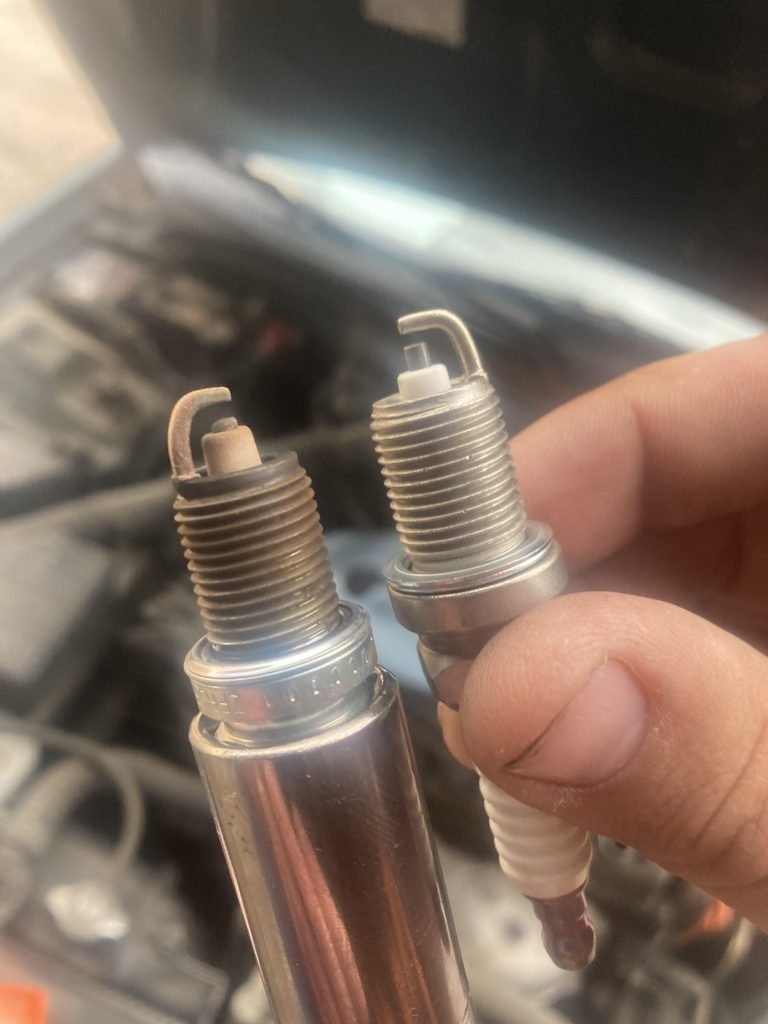
Remove the spark plug carefully. Use a clean cloth to wipe off dirt. Look at the electrode and insulator for cracks or chips. Check for black, oily, or white deposits. These signs show different engine problems. A worn electrode means the plug needs changing. Compare the plug’s color to a guide for normal wear. Spark plugs should look light tan or gray. If they appear very dark, it may show fuel issues. A rusty or damaged plug can cause misfires. Always inspect the threads for damage or corrosion.
Measuring Spark Plug Gap
The gap is the space between the center and side electrodes. It controls the spark size and strength. Use a spark plug gap tool or feeler gauge to measure. Slide the gauge between the electrodes gently. The right gap size depends on your vehicle’s manual. Too small a gap causes weak sparks and poor fuel burn. Too large a gap can make the engine hard to start. Adjust the gap by bending the side electrode carefully. Never force it or use pliers roughly. Check the gap after adjustment to ensure accuracy.
Maintenance And Replacement Tips
Proper maintenance of spark plugs keeps your engine running smoothly. Regular checks help spot issues early. Changing spark plugs at the right time prevents engine misfires and poor fuel efficiency. Understanding the basics of replacement and maintenance saves time and money.
Recommended Replacement Intervals
Most car makers suggest changing spark plugs every 30,000 to 50,000 miles. Some high-quality plugs last up to 100,000 miles. Check your vehicle’s owner manual for exact intervals. Driving style and conditions can shorten plug life. Inspect plugs more often in harsh environments like dusty or wet areas.
Choosing The Right Spark Plugs
Select plugs that match your car’s specifications. Common types include copper, platinum, and iridium. Copper plugs are cheaper but wear out faster. Platinum and iridium last longer and improve performance. Use the exact size and heat range for your engine. Wrong plugs can cause engine trouble or damage.
Diy Vs Professional Replacement
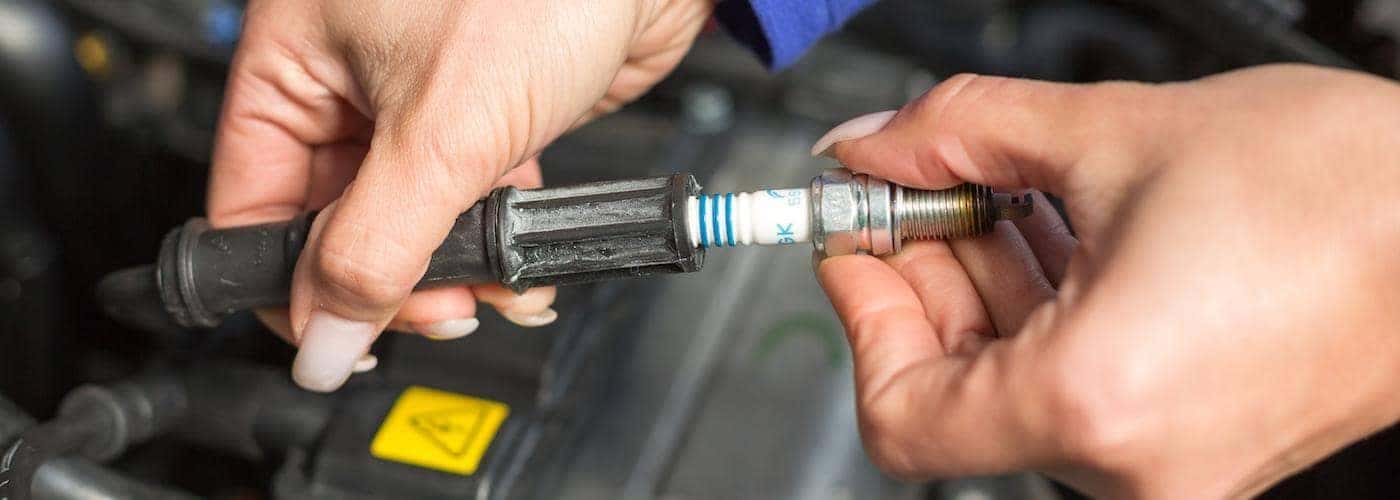
Replacing spark plugs is a simple task for some. Basic tools and a little knowledge are enough. You save money by doing it yourself. Watch tutorials and follow safety steps carefully. Some engines have hard-to-reach plugs needing special tools. Professionals ensure plugs are installed correctly and gaps set right. They also spot other engine issues during replacement.

Credit: www.reddit.com
Frequently Asked Questions
How Often Should Spark Plugs Be Changed?
Spark plugs typically need replacement every 30,000 to 100,000 miles. Check your vehicle manual for exact intervals. Regular inspection helps maintain engine performance and fuel efficiency.
What Are Signs Of Worn Spark Plugs?
Common signs include engine misfires, rough idling, poor acceleration, and reduced fuel economy. If your car experiences these, inspect the spark plugs promptly to avoid further damage.
Can Bad Spark Plugs Affect Fuel Economy?
Yes, faulty spark plugs cause incomplete combustion, lowering fuel efficiency. Replacing worn plugs restores proper ignition, improving mileage and reducing emissions.
How To Inspect Spark Plugs For Wear?
Remove the spark plugs and check for deposits, corrosion, or worn electrodes. Clean or replace them if you notice any damage or excessive buildup.
Conclusion
Changing spark plugs keeps your engine running smooth. Watch for signs like rough idling, poor gas mileage, or trouble starting. Regular checks help avoid bigger car problems later. Don’t wait for a complete breakdown. Simple maintenance saves money and time.
Keep your vehicle healthy by knowing when to replace spark plugs. Stay safe and enjoy a better drive every day.





