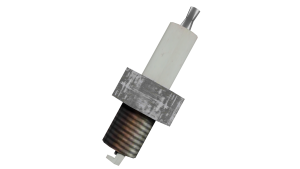
Are your car’s spark plugs causing hidden problems you haven’t noticed yet? If your engine feels sluggish or your gas mileage is dropping, it might be time to check them.
But how do you know for sure if your spark plugs need replacing? This guide will help you spot the signs early, saving you from costly repairs and keeping your car running smoothly. Keep reading to learn exactly what to look for and when to act—your car will thank you.

Credit: www.reddit.com
Role Of Spark Plugs
Spark plugs play a vital role in your vehicle’s engine. They create the spark that ignites the air-fuel mixture in the combustion chamber. This ignition powers the engine and keeps the vehicle running smoothly.
Each spark plug must work perfectly for the engine to perform well. Worn or dirty spark plugs can cause misfires, rough idling, and poor fuel efficiency. Understanding their role helps identify when they need replacement.
How Spark Plugs Ignite The Fuel
Spark plugs generate a small electric spark. This spark lights the fuel and air mixture inside the engine cylinder. The explosion from this ignition pushes the piston down, creating power.
Importance Of Spark Plug Heat Range
The heat range controls how hot the spark plug gets. Too hot or too cold can harm engine performance. Proper heat range prevents deposits and avoids engine knocking.
Impact On Engine Efficiency
Good spark plugs ensure complete fuel burning. This leads to better mileage and less pollution. Faulty plugs cause incomplete combustion, wasting fuel and lowering power.
Signs Of Spark Plug Wear
- Engine misfires or rough idle
- Hard starting or slow acceleration
- Increased fuel consumption
- Engine surging or hesitation

Credit: www.acg.aaa.com
Common Spark Plug Issues
Spark plugs play a crucial role in your vehicle’s engine performance. When they start to fail, you might notice your car acting strangely or running less efficiently. Recognizing common spark plug issues early can save you from costly repairs down the road.
Misfiring Engine
A misfiring engine often signals worn or damaged spark plugs. You might feel your car hesitate or jerk during acceleration. This happens because the spark plug isn’t igniting the fuel-air mixture properly.
Have you ever felt your car stumble right when you press the gas? That’s a classic sign your spark plugs could be struggling.
Hard Starting
If your engine takes longer than usual to start, your spark plugs might be to blame. Old or fouled plugs can make it difficult to ignite the engine’s fuel. This issue becomes more noticeable in cold weather or after your car has been sitting for a while.
Poor Fuel Economy
Notice your gas tank emptying faster than before? Faulty spark plugs can cause incomplete combustion, wasting fuel. Replacing them often improves mileage and saves money at the pump.
Rough Idling
When your car idles roughly or vibrates excessively, spark plugs might be the culprit. Bad plugs can cause uneven firing, making the engine shake or sound off. Pay attention to your car’s idle—it’s a subtle but important clue.
Visible Plug Damage
Sometimes you can spot problems just by checking the spark plugs themselves. Look for signs like:
- Carbon buildup or black soot
- Oil or fuel deposits
- Cracked or worn electrodes
These indicators tell you the plugs aren’t functioning as they should. Have you checked your spark plugs during your last oil change?
Engine Misfires And Rough Idling
Engine misfires and rough idling are two common signs that your spark plugs might be failing. When your engine misfires, it means the spark plug isn’t igniting the fuel properly, causing your car to jerk or hesitate. Rough idling happens when your engine runs unevenly or shakes while the car is stationary, which can also point to spark plug issues.
What Causes Engine Misfires?
Engine misfires occur when the spark plug fails to ignite the air-fuel mixture at the right time. This can happen due to worn-out spark plugs, carbon buildup, or improper gaps between the electrodes. If you notice your car stuttering during acceleration or a sudden loss of power, it’s a clear sign to check your spark plugs.
How Rough Idling Indicates Spark Plug Problems
If your car shakes or runs unevenly while idling, it might mean the spark plugs aren’t firing consistently. Rough idling often feels like the engine is struggling to keep running smoothly without stalling. This can cause poor fuel efficiency and increased emissions, which means your car isn’t performing at its best.
Simple Tests You Can Try
- Listen for unusual engine sounds or hesitation during acceleration.
- Observe if the engine shakes or vibrates more than usual while idling.
- Check if the “Check Engine” light comes on; it often signals spark plug or ignition issues.
Why Ignoring These Signs Can Cost You More
Delaying spark plug replacement can lead to more serious engine damage. Misfires can harm the catalytic converter, and rough idling can strain other engine components. Have you noticed these symptoms but waited too long? Fixing spark plugs early can save you both time and money.
Trouble Starting The Engine
Engine trouble starting can signal worn-out spark plugs. The spark plugs create the spark that ignites fuel inside the engine. Weak or dirty spark plugs make starting difficult. Your car may crank longer before it starts or fail to start at all.
Starting problems often come with other signs. Pay attention to how your car behaves when you turn the key. Early detection helps prevent bigger issues and costly repairs.
Trouble Starting In Cold Weather
Cold weather makes spark plugs work harder. Old plugs may fail to produce a strong spark. This causes slow or no starts on cold mornings. If your car struggles more in winter, spark plugs might need replacement.
Engine Cranks But Does Not Start
The engine may turn over but not ignite. Weak spark plugs can cause this problem. Fuel and air mix but fail to ignite. This leads to frustration and wasted fuel. Replacing spark plugs usually fixes this issue.
Longer Cranking Time Before Start
When spark plugs wear out, they need more time to start the engine. You might notice the engine cranks for several seconds before starting. This delay indicates spark plugs are losing their effectiveness.
Engine Misfires During Start-up
Misfires can happen when spark plugs fail to ignite fuel properly. You may hear sputtering or feel jerking as the engine starts. Misfires cause rough starts and poor engine performance. Spark plug replacement often stops these symptoms.
Poor Fuel Efficiency
Poor fuel efficiency is a clear sign your spark plugs might need replacement. Spark plugs ignite the fuel-air mix inside the engine. Worn or dirty plugs cause incomplete combustion. This wastes fuel and lowers miles per gallon.
Noticeable drops in fuel economy often mean your engine isn’t running smoothly. The engine works harder and uses more fuel. Checking your spark plugs can save money on gas and repair.
Poor Combustion Leads To Wasted Fuel
Old spark plugs create weak sparks. Weak sparks fail to burn all fuel fully. Unburned fuel leaves the engine unused. This results in fuel waste and more emissions.
Engine Misfires Affect Fuel Use
Misfires happen when plugs don’t fire properly. Misfires cause jerking and poor acceleration. The engine compensates by using extra fuel. Fixing spark plugs stops misfires and improves efficiency.
How To Monitor Fuel Efficiency Drop
- Track your average miles per gallon regularly.
- Notice sudden drops after long drives.
- Watch for rough idling or slow starts.
- Listen for engine hesitation during acceleration.
Regular Spark Plug Inspection
Check spark plugs every 30,000 miles or as your manual suggests. Look for worn electrodes or heavy deposits. Replace plugs showing damage to restore fuel efficiency.
Reduced Acceleration And Power
Reduced acceleration and power are clear signs your spark plugs might need replacement. Spark plugs create the spark that ignites fuel in the engine. Worn or dirty spark plugs can cause weak sparks or misfires. This leads to poor engine performance and slower acceleration.
The engine may feel sluggish when you press the gas pedal. You might notice the car struggles to reach higher speeds. This happens because the combustion process is not efficient. Fuel burns unevenly or incompletely, reducing power output.
Ignoring this problem can cause more engine damage. Fuel efficiency drops, and the engine runs rough. Checking spark plugs regularly can help maintain smooth acceleration and power.
Signs Of Weak Spark Plug Performance
- Engine hesitation during acceleration
- Difficulty reaching or maintaining speed
- Noticeable drop in engine power
- Engine misfires or rough idle
How Spark Plugs Affect Engine Power
Spark plugs deliver sparks at precise times. This ignites the fuel-air mixture in the cylinders. Worn plugs produce weak sparks or none at all. Poor ignition reduces the force generated in each cylinder.
Less force means less power to turn the wheels. The car feels less responsive and slower. Replacing spark plugs restores proper ignition and engine strength.
When To Check And Replace Spark Plugs
- Car slows down or feels less powerful
- Fuel economy decreases noticeably
- Engine misfires become frequent
- Recommended maintenance interval reached (usually 30,000 to 100,000 miles)
Visual Spark Plug Inspection
Visual spark plug inspection is a simple yet powerful way to check the health of your engine’s ignition system. By closely examining the spark plugs, you can spot early signs of trouble before they impact your car’s performance. This hands-on approach saves time and money by helping you decide if replacement is necessary.
Signs Of Wear And Damage
Look for cracks, chips, or broken insulators on the spark plug body. These physical damages can cause misfires and reduce engine efficiency. If you spot any such wear, it’s a clear signal that your spark plugs need replacing.
Also, check the color of the ceramic insulator. A healthy spark plug usually has a light tan or gray color. Dark, oily, or blistered surfaces indicate problems like oil leaks or overheating that may require immediate attention.
Carbon Deposits And Fouling
Carbon buildup appears as black, dry, and sooty deposits on the electrodes and insulator. This fouling often results from running too rich a fuel mixture or poor ignition. If your spark plugs look heavily coated in carbon, your engine may be struggling with fuel combustion.
Ask yourself: has your fuel economy dropped or is your engine running rough? These signs often accompany carbon fouling, highlighting the need to clean or replace the plugs.
Electrode Erosion
Check the electrodes for rounded edges or noticeable wear. Over time, the gap between the center and ground electrode widens due to erosion, weakening the spark. A worn electrode means your spark plug can’t ignite fuel efficiently, leading to poor engine performance.
Use a feeler gauge to measure the gap and compare it to your vehicle’s specifications. If the gap is too wide or uneven, it’s time to swap out those spark plugs for new ones.
When To Replace Spark Plugs
Spark plugs play a key role in your vehicle’s engine. They ignite the fuel-air mix to power the engine. Over time, spark plugs wear out and need replacing. Knowing when to replace them helps keep your engine running smoothly.
Replacing spark plugs too late can cause poor engine performance. It may lead to hard starts, misfires, or lower fuel efficiency. Replacing them too early wastes money. Follow reliable guidelines to find the right timing.
Manufacturer’s Recommendations
Every vehicle has a recommended spark plug replacement schedule. Check your owner’s manual for this info. The manufacturer suggests the best intervals based on your engine type. Sticking to these guidelines prevents damage and maintains engine health.
Some newer vehicles use spark plugs that last longer. Others need more frequent changes. Follow the exact recommendations for your car model. These instructions consider driving conditions and engine design.
Mileage And Time Factors
Most spark plugs need replacement after a certain mileage. Typically, this ranges from 30,000 to 100,000 miles. The exact number depends on the spark plug type and car model.
Time also affects spark plug life. Even without high mileage, plugs can degrade over years. Old spark plugs may cause engine issues regardless of miles driven.
Regular checks help catch worn plugs early. Replace spark plugs if you notice engine problems before reaching the mileage limit. This keeps your car running efficiently.
Choosing The Right Spark Plugs
Choosing the right spark plugs is crucial for your engine’s performance and fuel efficiency. The wrong type can cause misfires, poor acceleration, and higher emissions. Understanding the options available helps you pick plugs that match your driving style and vehicle needs.
Types Of Spark Plugs
Spark plugs come in several types, each designed for different engine conditions and performance levels. The most common types include:
- Copper Spark Plugs:Known for excellent conductivity but shorter lifespan. Great if you want quick starts and don’t mind changing them more often.
- Platinum Spark Plugs:More durable than copper and provide steady performance over time. Suitable for newer vehicles that require longer service intervals.
- Iridium Spark Plugs:Offer the best longevity and stronger sparks. Ideal if you want top performance and fewer replacements.
- Double Platinum or Double Iridium:Both electrodes are coated for even longer life and better efficiency, often used in distributor-less ignition systems.
Think about your driving conditions and how often you want to service your vehicle. Do you drive mostly in the city or on highways? This can influence which type works best for you.
Material Considerations
The material of the spark plug’s electrode affects its durability and how well it conducts electricity. Copper plugs heat up quickly, which helps prevent fouling but wears out faster.
Platinum and iridium materials are harder and resist wear better, which means they last longer and keep your engine running smoothly. Iridium is especially popular because it maintains a stable spark even under tough conditions.
Choosing the right material depends on your budget and how much maintenance you’re willing to do. Have you checked your vehicle’s manual for manufacturer recommendations? Sticking to those guidelines can save you from headaches down the road.
Maintenance Tips To Extend Spark Plug Life
Extending the life of your spark plugs doesn’t just save you money—it keeps your engine running smoothly and efficiently. Proper maintenance can prevent the common issues that wear out spark plugs prematurely. Are you paying enough attention to the small details that make a big difference?
Regular Engine Tune-ups
Tuning up your engine regularly helps keep spark plugs in top shape. During a tune-up, mechanics check spark plug gaps and replace faulty plugs before they cause bigger problems. Skipping this step can lead to poor fuel efficiency and engine misfires, which wear out your plugs faster.
Use Quality Fuel And Additives
Fuel quality directly impacts spark plug longevity. Low-grade fuel can cause deposits to build up on the plugs, leading to misfires. Adding fuel system cleaners occasionally keeps your injectors and plugs cleaner, helping maintain optimal performance.
Keep Your Ignition System Healthy
Your spark plugs don’t work alone—they rely on the ignition system. Faulty ignition coils or wires can cause inconsistent sparks, which strains your plugs. Regularly inspect and replace worn ignition components to protect your spark plugs and your engine.
Check And Maintain Proper Spark Plug Gap
The spark plug gap affects how well your engine runs. A gap that’s too wide or too narrow can cause ignition problems and accelerate wear. Use a gap tool to check and adjust the gap based on your vehicle’s specifications during maintenance.
Avoid Short Trips That Prevent Full Engine Warm-up
Frequent short trips don’t allow your engine to reach optimal temperature, leading to carbon buildup on spark plugs. This buildup reduces spark efficiency and plug life. Try combining errands into one longer drive to keep your engine and plugs cleaner.

Credit: www.reddit.com
Frequently Asked Questions
How Can I Tell If Spark Plugs Need Replacing?
Look for engine misfires, rough idling, and reduced fuel efficiency. These signs often indicate worn or faulty spark plugs.
What Are Common Symptoms Of Bad Spark Plugs?
Common symptoms include difficulty starting the engine, poor acceleration, and increased emissions. These issues suggest spark plug problems.
How Often Should Spark Plugs Be Replaced?
Typically, spark plugs need replacement every 30,000 to 100,000 miles. Check your vehicle’s manual for specific intervals.
Can Bad Spark Plugs Affect Fuel Economy?
Yes, worn spark plugs cause incomplete combustion, lowering fuel efficiency and increasing fuel consumption.
Conclusion
Recognizing the signs of worn-out spark plugs is crucial. Misfires, poor acceleration, or reduced fuel efficiency indicate potential problems. Regular checks can prevent engine issues. Ignoring these signs might lead to costly repairs. Replacing spark plugs enhances your car’s performance.
It ensures smoother rides and better mileage. Easy maintenance tips can save you time and money. Keeping your car in top shape is essential. Next time, pay attention to your vehicle’s signals. Your engine will thank you. Regular care ensures a longer lifespan for your car.
Take action today for a smoother drive tomorrow.