You’re driving down the road when suddenly your car starts to sputter and stall. It’s a frustrating experience that can leave you feeling stranded and helpless.
But what if I told you that the culprit could be something as small as a spark plug? Yes, those tiny components play a massive role in your vehicle’s performance. If they’re not working right, neither is your car. But how do you know if your spark plugs are bad?
Understanding the signs can save you time, money, and stress. We’ll dive into the tell-tale signs of failing spark plugs and how you can spot them before they cause bigger problems. Stay with us, because knowing this could mean the difference between a smooth ride and an unexpected trip to the mechanic.
Common Symptoms Of Bad Spark Plugs
Recognizing the common symptoms of bad spark plugs can save you time and money on car repairs. Spark plugs play a crucial role in igniting the fuel-air mixture in your engine, so when they start to fail, your vehicle’s performance drops noticeably. Watch closely for these signs to know when it’s time for a replacement.
Engine Misfires
One of the most obvious signs of bad spark plugs is engine misfires. You might feel your car jerk or hesitate during acceleration. This happens because faulty spark plugs can’t ignite the fuel properly, causing the engine to skip a beat.
Poor Fuel Economy
If you notice your gas mileage dropping without changing your driving habits, bad spark plugs could be the culprit. When spark plugs don’t work efficiently, your engine burns more fuel to compensate. This means more stops at the pump and less money in your wallet.
Difficulty Starting The Engine
Does your car take longer to start or struggle to turn over? Bad spark plugs can cause weak sparks, making it harder for your engine to fire up. If you’ve experienced this recently, it’s a clear signal to check those plugs.
Rough Idling
A rough or uneven idle is another symptom that your spark plugs might be worn out. You may notice your vehicle shaking or vibrating when it’s just sitting still. This happens because the engine isn’t firing smoothly on all cylinders.
Lack Of Acceleration
Feeling sluggish when you press the gas pedal can be frustrating. Worn spark plugs reduce the power your engine produces, leading to slower acceleration. If your car feels less responsive, your spark plugs could be dragging performance down.

Credit: www.toyotanation.com
Physical Signs To Inspect
Checking your spark plugs for physical signs is a straightforward way to tell if they might be causing trouble. You don’t need fancy tools—just a good look can reveal a lot. Let’s break down what you should look for when inspecting your spark plugs closely.
Carbon Deposits
If you see a black, dry, and sooty layer on the spark plug’s tip, that’s carbon buildup. This usually means the engine is running too rich or the air filter is dirty. Have you noticed your engine misfiring or struggling to start? Carbon deposits could be the culprit.
Worn Electrodes
Electrodes that are rounded or eroded lose their ability to create a strong spark. This wear happens over time and can cause weak ignition and poor fuel efficiency. When was the last time you replaced your spark plugs? Worn electrodes might be a sign it’s overdue.
Oil Fouling
If the spark plug tip looks wet and oily, oil is leaking into the combustion chamber. This can cause misfires and rough idling. Oil fouling often points to worn piston rings or valve seals—issues that need attention before things get worse.
Cracked Insulator
A visible crack in the white ceramic insulator means the spark plug can’t perform properly. Cracks can cause misfires and poor engine performance. Have you experienced sudden engine hesitation? A cracked insulator might be to blame and needs immediate replacement.
Testing Spark Plugs
Testing spark plugs helps find engine problems early. It ensures your engine runs smoothly and saves money on repairs. Simple checks can reveal if spark plugs need replacement or cleaning. Use these techniques to test spark plugs effectively.
Visual Inspection Techniques
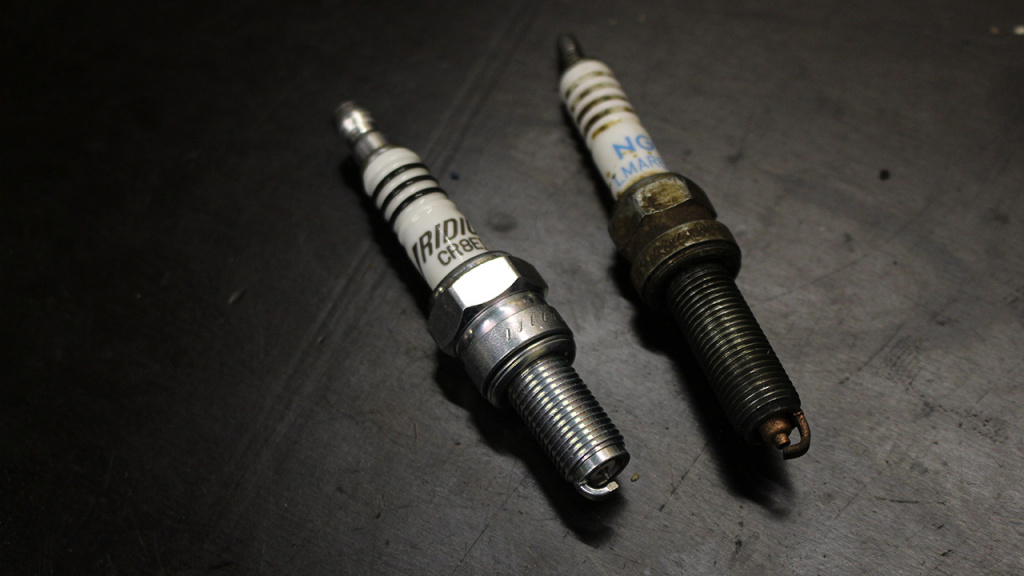
Look at the spark plug carefully under good light. Check for signs of wear like:
- Black soot or carbon buildup
- Cracks in the ceramic insulator
- Worn or rounded electrodes
- Oil or fuel deposits on the tip
These signs often mean the spark plug is bad or dirty. A clean spark plug has a light tan or gray color on the tip.
Spark Plug Tester Tools
Spark plug testers show if the plug creates a strong spark. Connect the spark plug to the tester and crank the engine. Watch for a bright blue spark inside the tester window. A weak or no spark means the plug is faulty. These tools are easy to use and give quick results.
Multimeter Testing
A multimeter checks the electrical resistance of the spark plug. Set the multimeter to the ohms setting. Touch one probe to the top terminal and the other to the electrode. A good spark plug shows low resistance, usually between 4,000 and 8,000 ohms. High or infinite resistance means the plug is damaged and must be replaced.
Credit: finntrail.com
Solutions For Bad Spark Plugs
Dealing with bad spark plugs doesn’t have to be a headache. Whether your engine is misfiring or your fuel efficiency has dropped, taking the right steps can bring your car back to smooth running condition. Let’s look at practical solutions to fix bad spark plugs and get your vehicle performing at its best again.
Cleaning Spark Plugs
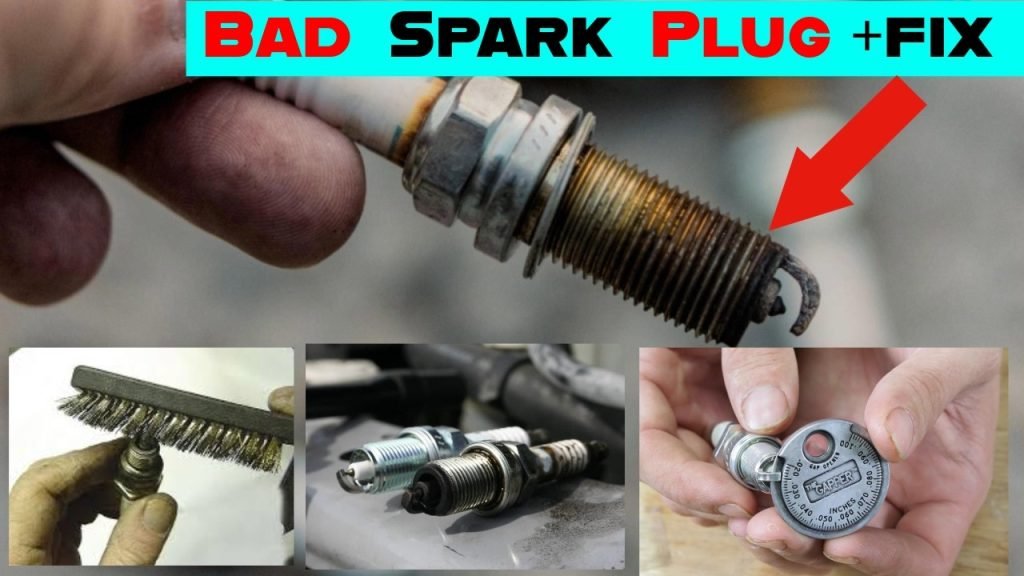
Sometimes, spark plugs just need a good cleaning instead of a full replacement. Deposits like carbon or oil can build up on the plug’s tip, causing poor ignition. You can use a wire brush or spark plug cleaner to remove these deposits carefully.
Make sure you check the gap after cleaning, as buildup can affect spacing. If the plug is too worn or damaged, cleaning won’t help much, and replacement is the better choice. Have you tried cleaning spark plugs before? It’s a simple task that can save you money and improve performance.
Replacing Spark Plugs
If cleaning doesn’t fix the problem, it’s time to replace your spark plugs. New plugs ensure a strong spark and better fuel combustion. Be sure to replace all plugs at once for consistent engine performance.
Remember to use a torque wrench to tighten the plugs to the manufacturer’s specs—too tight or too loose can cause damage. Also, check the condition of the spark plug wires or coils while you’re at it. Have you noticed smoother idling or quicker starts after replacing plugs? Many drivers find it’s one of the simplest upgrades to boost their car’s reliability.
Choosing The Right Spark Plug Type
Picking the right spark plug isn’t just about brand or price. Different engines require specific plug types, materials, and heat ranges. Using the wrong type can cause poor performance or even engine damage.
Consult your vehicle’s manual or ask an expert to find the correct plug specification. Common types include copper, platinum, and iridium—each with different lifespans and benefits. Do you know which spark plug suits your driving style and car model? Matching the right plug type can make a noticeable difference in power and fuel economy.
Preventive Maintenance Tips
Keeping your spark plugs in top shape is key to avoiding unexpected engine troubles. Preventive maintenance not only extends the life of your spark plugs but also improves your vehicle’s overall performance. Let’s look at some practical ways you can stay ahead of potential spark plug problems.
Regular Inspection Schedule
Set a clear schedule to check your spark plugs. Depending on your vehicle, inspecting them every 30,000 to 50,000 miles is a good rule of thumb. Look for signs like worn electrodes, buildup of deposits, or cracks in the ceramic insulator.
Have you ever noticed rough engine idling or trouble starting your car? These can be subtle clues that spark plugs need attention. Don’t wait for a complete failure—catching issues early saves you time and money.
Proper Installation Practices
Installing spark plugs correctly is just as important as inspecting them. Always use a torque wrench to tighten plugs to the manufacturer’s specified torque. Over-tightening can damage threads, while under-tightening may cause poor engine performance.
Pay attention to the gap between the electrodes. Using a gap gauge, adjust it according to your vehicle’s manual. A wrong gap affects spark efficiency and fuel economy.
Using Quality Fuel And Oil
The quality of fuel and oil you use impacts spark plug health more than you might think. Low-grade fuel can cause deposits to build up on the plugs, leading to misfires. Choose fuels with proper additives that help keep the combustion chamber clean.
Similarly, using the right grade and type of engine oil reduces carbon buildup around spark plugs. Have you checked your owner’s manual to confirm the recommended fuel and oil types? Following these guidelines can prevent many spark plug issues before they start.

Credit: www.reddit.com
Frequently Asked Questions
How Can I Tell If Spark Plugs Need Replacing?
Worn spark plugs cause engine misfires, poor fuel economy, and rough idling. Inspect for carbon deposits, cracks, or corrosion. Replace plugs every 30,000 to 50,000 miles for optimal performance.
What Are The Common Symptoms Of Bad Spark Plugs?
Symptoms include difficulty starting, engine hesitation, reduced power, and increased fuel consumption. Bad spark plugs cause uneven engine performance and noisy combustion.
How Often Should Spark Plugs Be Checked Or Changed?
Check spark plugs every 30,000 miles or during routine maintenance. Replace them if worn or damaged to maintain engine efficiency and smooth operation.
Can Bad Spark Plugs Damage My Engine?
Yes, faulty spark plugs cause misfires that may damage the catalytic converter. Prolonged use can reduce engine performance and increase emissions.
Conclusion
Bad spark plugs cause engine trouble and poor fuel use. Signs include rough starts, low power, and strange noises. Check them often to keep your car running well. Replacing old plugs helps save money on repairs. Clean plugs improve engine smoothness and boost gas mileage.
Don’t wait for big problems; act early. Your car will thank you with better performance and fewer issues. Stay aware and maintain spark plugs for safe driving. Simple care keeps your vehicle healthy and reliable.





