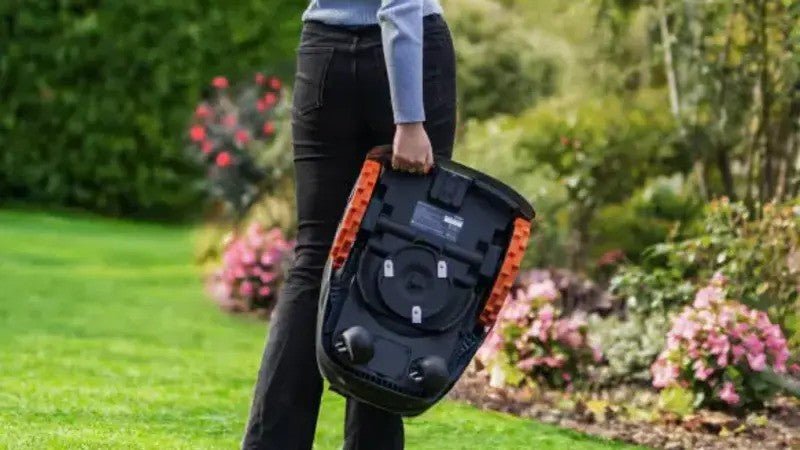
Ever glanced at that old lawn mower sitting in your garage or backyard, wondering what to do with it? You’re not alone.
Many of us face this dilemma, and it can be a bit daunting. You might think, “It’s just an old machine, how hard can it be to get rid of it? ” But the truth is, disposing of old lawn mowers requires a little more thought than just tossing them out.
What if I told you that the way you handle this task could impact not only your immediate environment but also offer you some unexpected benefits? Intrigued? Stick around as we delve into practical, environmentally-friendly, and even financially rewarding ways to dispose of your old lawn mower. Your garage will thank you, and you might just find yourself feeling a bit lighter, knowing you’ve made a smart choice.

Credit: lawnlove.com
Assessing Your Lawn Mower’s Condition
Before you decide to toss out your old lawn mower, it’s important to carefully assess its condition. This helps you figure out if repair is possible or if the mower still has useful life left. Taking a few moments to evaluate can save you money and reduce waste.
Checking For Repair Options
Start by inspecting the mower for any obvious damage like broken handles, dull blades, or engine troubles. Sometimes, a simple fix like replacing the spark plug or sharpening the blades can bring it back to life.
Think about how much you’re willing to spend on repairs. Is the cost reasonable compared to buying a new mower? Calling a local repair shop for a quick estimate can give you a clearer picture.
Have you checked if replacement parts are still available? Some older models might be harder to fix if parts are discontinued. This can be a dealbreaker in deciding whether to repair or replace.
Determining Reusability
Look beyond repairs and consider if your mower can serve another purpose. Could it be donated to a community garden or a neighbor who needs it? Giving it a second life is a great way to avoid waste.
If it’s not repairable or reusable, think about whether parts like the engine or metal frame can be recycled. Separating components that can be recycled helps the environment and reduces landfill waste.
Ask yourself: does holding onto this mower add value, or is it just taking up space? Sometimes, letting go is the best option for both your yard and peace of mind.
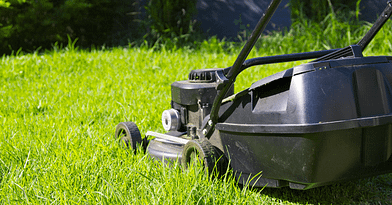
Credit: nixxitjunk.com
Recycling Lawn Mower Parts
Recycling lawn mower parts reduces waste and helps the environment. Many parts of a lawn mower can be reused or recycled. Breaking down the mower into its materials makes recycling easier. This process saves resources and lowers pollution.
Separating Metal And Plastic Components
Start by taking apart the lawn mower carefully. Remove the engine oil and fuel before disassembly. Separate metal parts like the blade, deck, and frame from plastic parts. Metal parts often include steel or aluminum. Plastic parts include covers, wheels, and handles.
Use basic tools like screwdrivers and wrenches to dismantle the mower. Keep metal and plastic parts in separate containers. This helps recycling centers process the materials correctly. Clean parts from dirt and grease to improve recycling quality.
Finding Local Recycling Centers
Search for recycling centers near your home that accept lawn mower parts. Many centers take scrap metal and plastics separately. Contact them to confirm which materials they recycle. Some centers offer free drop-off for metal items.
Community waste facilities often have special collection days for yard equipment. Check city or town websites for recycling schedules. Local scrap yards may pay for metal parts, providing extra value. Recycling centers help keep old lawn mowers out of landfills.
Donating Or Selling Old Mowers
Donating or selling old lawn mowers gives them a second life. It helps others and reduces waste. This approach saves money and supports community needs. Many organizations and buyers seek used mowers in good condition. Sharing your mower can benefit someone who cannot afford a new one.
Identifying Charities And Community Groups
Local charities often accept lawn mower donations. They use them for community gardens or public parks. Churches and youth clubs may need equipment for their grounds. Check if the mower works or needs minor repairs before donating. Some groups offer free pickup for large items. Contact local non-profits to ask about their needs.
Using Online Marketplaces
Online marketplaces connect sellers with buyers easily. Platforms like Craigslist, Facebook Marketplace, and eBay are popular. Provide clear photos and accurate descriptions of your mower. Mention brand, model, condition, and price. Respond quickly to inquiries to close sales faster. Selling online reaches a wide audience near you.
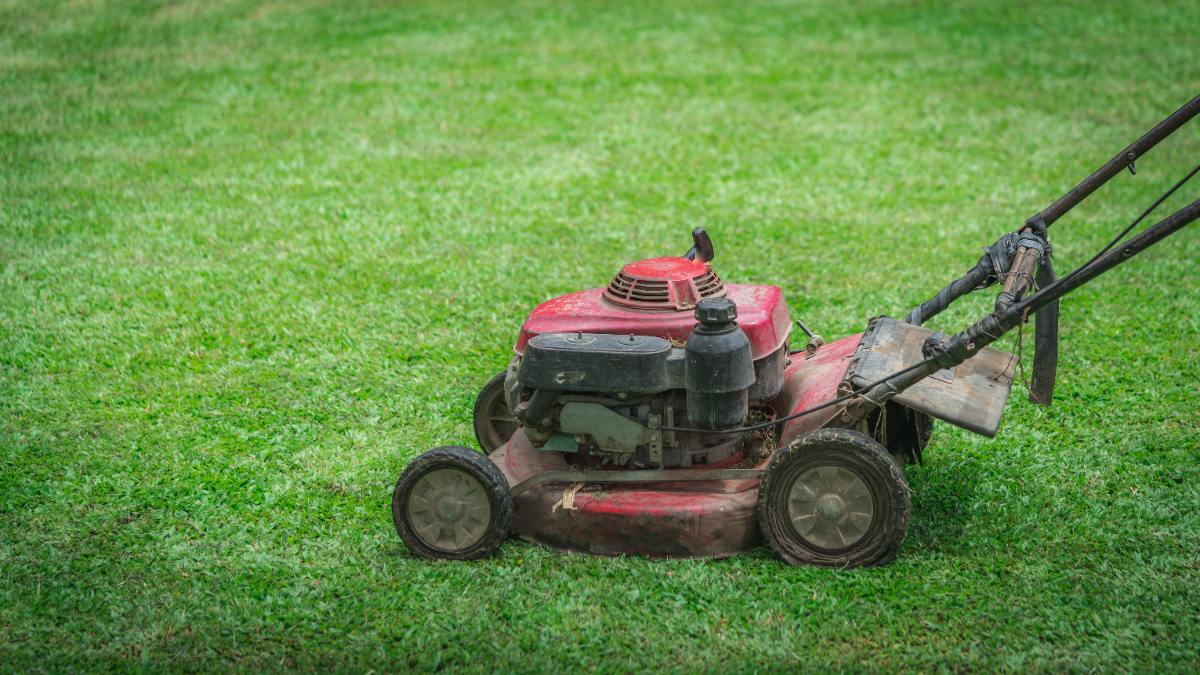
Credit: www.lawnstarter.com
Safe Disposal Of Hazardous Materials
Old lawn mowers contain materials that can harm the environment. Safe disposal of hazardous parts keeps people and nature safe. Careful handling of fuel, oil, and other chemicals is essential. Proper disposal stops pollution and health risks.
Handling Fuel And Oil Properly
Drain all fuel and oil from the mower before disposal. Store the fluids in sealed containers to avoid spills. Take these containers to a recycling or hazardous waste center. Never pour fuel or oil down drains or on the ground. Use gloves and work in a well-ventilated area to protect yourself. Clean any spills immediately with absorbent materials. Proper handling prevents fires and soil contamination.
Locating Hazardous Waste Facilities
Find local hazardous waste facilities for safe disposal of mower fluids and parts. Many communities have special drop-off events or centers. Check with your city or county waste management office. These places accept fuel, oil, batteries, and other hazardous items. Some retailers also offer take-back programs for old lawn equipment. Use online tools or call local agencies for exact locations. Proper disposal at these facilities protects water, soil, and air quality.
Eco-friendly Alternatives
Finding eco-friendly alternatives for disposing of old lawn mowers helps reduce waste and supports a healthier environment. Instead of simply tossing your mower, you can take steps that benefit both your garden and the planet. These options often save you money and time in the long run, too.
Switching To Electric Or Manual Mowers
Electric and manual lawn mowers offer a cleaner way to maintain your lawn without producing harmful emissions. Electric mowers run quietly and don’t rely on gas, which means no fuel spills or air pollution.
Manual reel mowers require no electricity or fuel at all. Using one gives you light exercise and keeps your grass healthy by cutting it cleanly. Have you tried pushing a manual mower? It might surprise you how peaceful and rewarding mowing can feel without the noise and fumes.
Maintaining Lawn Health Naturally
Instead of heavy mowing, consider natural lawn care techniques that reduce the need for frequent cutting. Letting grass grow a bit longer helps retain moisture and encourages deeper roots.
Adding natural compost and aerating your soil improves its quality, making your lawn more resilient and reducing the need for chemical fertilizers. You might even notice fewer weeds when your lawn is healthier. Could a natural approach to lawn care mean less work for you over time?
Frequently Asked Questions
How Can I Safely Dispose Of An Old Lawn Mower?
You can safely dispose of an old lawn mower by taking it to a local recycling center. Remove the fuel and oil first. Many centers accept metal parts and engines for recycling. Check with your municipality for specific disposal guidelines to ensure environmental safety.
Where To Recycle Old Lawn Mowers Near Me?
Search for nearby recycling centers or scrap metal yards that accept lawn mowers. Many communities offer special collection events for bulky items. Contact your local waste management service for drop-off locations. Proper recycling helps reduce landfill waste and recovers valuable materials.
Can I Donate A Used Lawn Mower?
Yes, you can donate a used lawn mower if it’s still functional. Charities, community gardens, or local schools may accept it. Ensure the mower is clean and in good working condition. Donating extends its life and supports community needs.
What Should I Do Before Disposing Of A Lawn Mower?
Before disposal, drain all fuel and oil to prevent spills. Remove the battery if it has one. Clean the mower to avoid environmental contamination. Check local rules for hazardous waste disposal to comply with regulations.
Conclusion
Disposing of old lawn mowers safely helps protect the environment. Take time to remove fuel and oil before disposal. Recycling parts can reduce waste and save resources. Many local centers accept old mowers for recycling or safe disposal. Donating working mowers gives them a second life.
Proper disposal keeps your yard and community clean. Small steps make a big difference in waste management. Choose the best option that fits your needs. Keep your lawn care eco-friendly and responsible.





