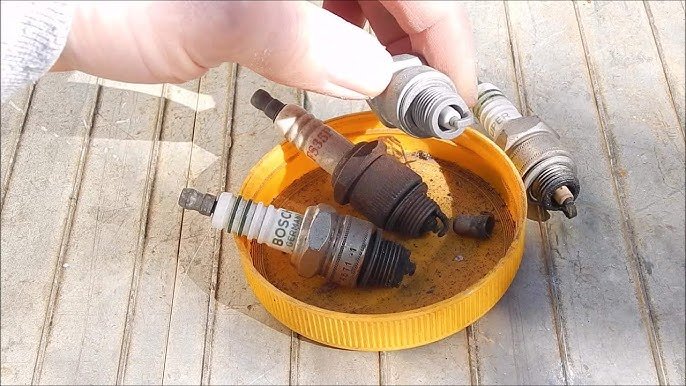
Is your car not running as smoothly as it used to? It might be time to give your spark plugs some attention.
Cleaning spark plugs is a simple task that can make a big difference in your vehicle’s performance and fuel efficiency. You don’t need to be a car expert to tackle this—just a bit of guidance, which is exactly what you’ll find here.
Imagine the satisfaction of getting your engine to purr like new again, just by following a few straightforward steps. Curious about how to clean spark plugs effectively without spending a fortune at the mechanic? Stick around, because you’re about to discover how easy it can be to give your car a little DIY love and care.

Credit: www.youtube.com
Signs Of Dirty Spark Plugs
Dirty spark plugs can cause several performance issues in your vehicle. Recognizing the signs early helps you avoid costly repairs and keeps your engine running smoothly. Here are key symptoms that indicate your spark plugs might need cleaning or replacement.
Engine Misfires And Rough Idling
If your engine frequently misfires or idles roughly, it’s a strong sign your spark plugs are dirty. Misfires happen when the spark plug fails to ignite the air-fuel mixture properly. You might notice jerking or hesitation during acceleration, which makes driving frustrating and unsafe.
Have you ever felt your car shaking or stalling at a stoplight? That’s often caused by fouled spark plugs disrupting smooth engine operation. Cleaning or replacing them can restore the steady rhythm your engine needs.
Reduced Fuel Efficiency
Dirty spark plugs affect how efficiently your engine burns fuel. When plugs don’t fire correctly, your engine compensates by using more fuel. This means more trips to the gas station and higher expenses.
Think about the last time your fuel gauge dropped faster than usual. It might be time to check those spark plugs. Improving their condition can help you save money and reduce unnecessary emissions.
Difficulty Starting The Engine
Struggling to start your car in the morning? Dirty spark plugs can be the culprit. They create weak or inconsistent sparks, making ignition harder.
You might notice the engine cranks longer before catching or sometimes fails to start at all. Cleaning the plugs often resolves this issue and gets your vehicle back to reliable starts.
Tools And Materials Needed
Cleaning spark plugs requires the right tools and materials to get the job done efficiently and safely. Using improper items can damage the spark plug or fail to remove the buildup effectively. Let’s look at what you need to gather before starting your cleaning process.
Basic Cleaning Supplies
- Wire Brush:A small wire brush helps remove dirt, carbon deposits, and rust from the spark plug’s surface. It’s simple but very effective for routine cleaning.
- Cleaning Solvent:Use a carburetor or brake cleaner to dissolve stubborn grime. These solvents evaporate quickly and leave no residue.
- Rags or Paper Towels:Essential for wiping off loosened debris and drying the spark plug after cleaning.
- Compressed Air (Optional):Blowing compressed air can clear out hard-to-reach areas, especially inside the spark plug’s gap.
Have you ever tried cleaning spark plugs with household cleaners? They often leave residues that interfere with performance. Choosing the right solvent makes a noticeable difference.
Specialized Spark Plug Tools
- Spark Plug Gap Tool:This tool measures and adjusts the spark plug gap for optimal engine performance. A precise gap ensures your engine runs smoothly.
- Spark Plug Socket:Designed specifically for spark plugs, this socket has a rubber insert to grip the plug securely without damaging it.
- Torque Wrench:Using a torque wrench helps you tighten the spark plug to the manufacturer’s specification, preventing over-tightening or under-tightening.
- Feeler Gauge:If you want extra precision, a feeler gauge can check the gap thickness more accurately than some gap tools.
Using specialized tools may seem like extra effort, but they protect your spark plugs and ensure your engine runs efficiently. Have you ever skipped using a spark plug socket and ended up with damaged threads? That’s a costly mistake you can avoid with the right tools.
Removing Spark Plugs Safely
Removing spark plugs safely is essential for maintaining your engine’s performance. Taking proper care prevents damage to the spark plugs and the engine. It also ensures your safety during the process.
Follow these steps to remove spark plugs without causing harm to yourself or your vehicle.
Locating Spark Plugs
Open the hood and find the engine’s cylinder head. Spark plugs usually sit along the top or side of the engine block. They connect to thick wires or ignition coils. Check your car manual if you have trouble finding them.
Disconnecting Spark Plug Wires
Hold the spark plug wire by the boot, not the wire itself. Gently twist and pull the boot to remove it. Avoid yanking the wire to prevent damage. Label the wires if needed to reconnect them correctly later.
Using The Right Socket
Use a spark plug socket with a rubber insert or magnetic feature. This keeps the plug from falling during removal. Attach the socket to a ratchet or wrench. Turn counterclockwise carefully to loosen and remove the spark plug.
Cleaning Spark Plugs Step-by-step
Cleaning spark plugs keeps your engine running smoothly and saves money. Regular maintenance prevents misfires and poor fuel economy. Follow these clear steps to clean spark plugs safely and effectively.
Inspecting For Damage
First, check each spark plug carefully. Look for cracks, chips, or worn electrodes. If the plug is damaged, replacement is better than cleaning. Also, check for oil or heavy deposits. These signs can indicate engine problems.
Removing Carbon Deposits
Use a soft cloth or a spark plug cleaner tool to remove carbon buildup. Gently wipe away soot and dirt on the tip and threads. Avoid harsh scraping that can damage the plug surface. A clean plug improves spark quality and engine performance.
Cleaning With Wire Brush Or Cleaner
Lightly scrub the spark plug using a small wire brush. Focus on the electrode and threaded area. For stubborn grime, use a spray spark plug cleaner or carburetor cleaner. Let it sit for a few minutes before brushing. Rinse with water and dry completely before reinstalling.
Checking The Gap
Use a spark plug gap tool to measure the electrode gap. The correct gap size is in your vehicle’s manual. Adjust the gap carefully by bending the side electrode. Proper gap ensures efficient combustion and better engine start. Avoid over-bending, which can cause misfires.
Reinstalling Spark Plugs
Reinstalling spark plugs is a key step after cleaning them. Proper reinstallation ensures the engine runs smoothly and efficiently. Careful handling during this process prevents damage and maintains engine performance.
Proper Threading Techniques
Start threading the spark plug by hand. This avoids cross-threading and damaging the cylinder head. Turn the spark plug gently until it is snug. Use a ratchet or socket wrench for final tightening. Avoid forcing the plug in too hard.
Torque Specifications
Use a torque wrench to tighten spark plugs to the right specification. Too tight can strip threads or break the plug. Too loose can cause poor engine performance or spark blowout. Check your vehicle’s manual for exact torque values. Typical torque ranges from 20 to 30 ft-lbs.
Reconnecting Wires Correctly
Attach the spark plug wires firmly to each plug. Ensure the connection is clean and secure. Avoid pulling the wire by the cord; pull by the boot. Proper connection prevents misfires and engine problems. Check each wire matches its correct plug position.

Credit: www.youtube.com
Maintaining Spark Plugs For Longevity
Maintaining your spark plugs properly can save you time and money while keeping your engine running smoothly. Clean and well-maintained spark plugs improve fuel efficiency, reduce emissions, and prevent engine misfires. Taking the time to care for them means fewer breakdowns and better performance over the long haul.
Regular Inspection Intervals
Check your spark plugs every 30,000 miles or as recommended by your vehicle’s manual. Regular inspections help catch buildup or wear before it causes bigger problems.
Look for signs like carbon deposits, oil fouling, or worn electrodes during your checks. Ignoring these can lead to poor engine performance and increased fuel consumption.
Signs To Replace Instead Of Clean
Cleaning spark plugs isn’t always enough. If the electrode is worn down, or if there’s heavy corrosion or cracking on the insulator, replacement is necessary.
Have you noticed rough idling, difficulty starting, or a drop in power? These often mean your spark plugs are past cleaning and need new ones to restore proper function.
Using Quality Fuel And Additives
Fuel quality directly affects spark plug life. Using low-quality fuel can cause deposits that foul your plugs faster.
Consider fuel additives that clean your engine and spark plugs as you drive. They help reduce buildup and keep your plugs firing efficiently for longer periods.
Common Mistakes To Avoid
Cleaning spark plugs might seem straightforward, but many overlook key details that can lead to bigger engine problems. Avoiding common mistakes ensures your spark plugs perform well and last longer. Let’s look at some pitfalls you should steer clear of during the cleaning process.
Over-tightening Or Under-tightening
Have you ever tightened a spark plug only to realize it’s either too loose or too tight? Both extremes cause issues. Over-tightening can strip the threads in the cylinder head or crack the plug, leading to costly repairs.
Under-tightening, on the other hand, can cause poor engine compression or even allow the plug to fall out. Use a torque wrench to achieve the exact tightness recommended by your vehicle’s manufacturer. This small tool prevents guesswork and protects your engine.
Ignoring Spark Plug Gaps
Many skip checking the gap between the spark plug electrodes, but this gap is crucial for proper ignition. If the gap is too wide or too narrow, your engine might misfire or run inefficiently.
Use a feeler gauge to measure the gap and adjust it carefully. Ignoring this step can waste your time cleaning plugs that won’t work correctly once reinstalled.
Using Harsh Cleaning Methods
It’s tempting to scrub spark plugs aggressively or use abrasive chemicals to remove deposits. However, harsh cleaning methods can damage the delicate electrode and ceramic insulator.
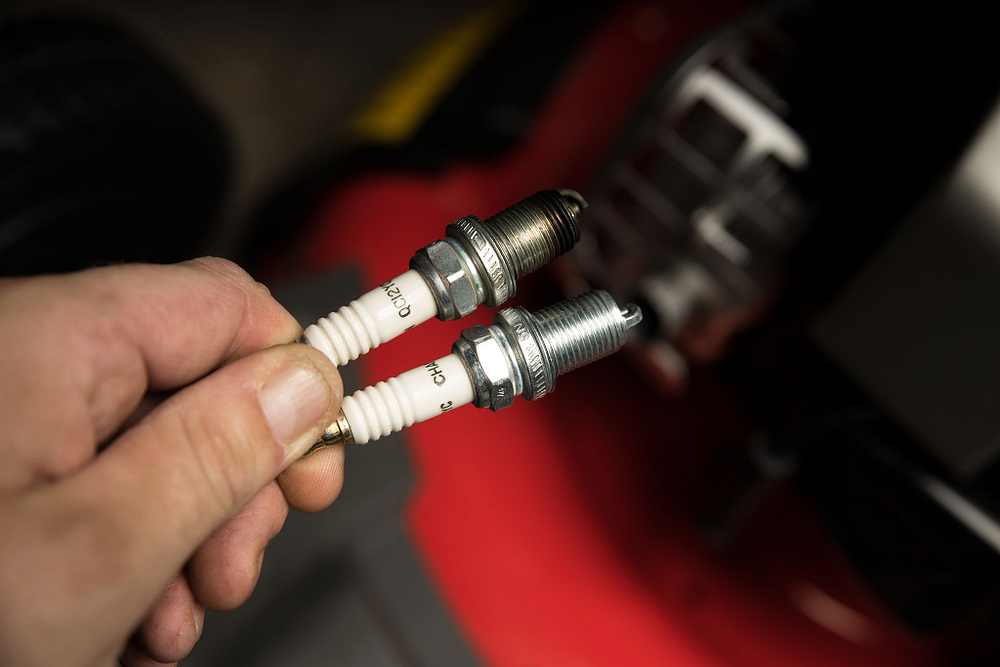
Opt for gentle cleaning tools like a wire brush or spark plug cleaner designed for the task. Avoid sandblasting or metal files, which may reduce spark plug life and performance.
Credit: www.vanguardpower.com
Frequently Asked Questions
How Often Should Spark Plugs Be Cleaned?
Spark plugs should be cleaned every 30,000 miles or during routine maintenance. Regular cleaning ensures optimal engine performance and fuel efficiency.
What Tools Do I Need To Clean Spark Plugs?
You need a spark plug socket, wire brush, carburetor cleaner, and compressed air. These tools help remove carbon deposits safely and effectively.
Can I Clean Spark Plugs Without Removing Them?
It’s best to remove spark plugs for thorough cleaning. Cleaning without removal risks damaging the ignition system and reduces cleaning effectiveness.
How Do I Remove Carbon Buildup From Spark Plugs?
Use a wire brush and carburetor cleaner to gently scrub away carbon deposits. Avoid using abrasive materials that can damage the electrodes.
Conclusion
Cleaning spark plugs helps your engine run smoothly and saves money. Regular maintenance stops buildup and improves fuel efficiency. Use simple tools and follow safety steps for best results. Clean plugs last longer and keep your car starting well. Small efforts now avoid bigger problems later.
Keep spark plugs in good shape to enjoy a reliable ride every time.





