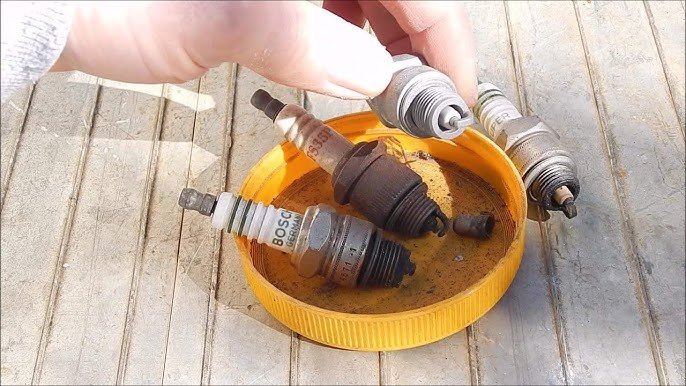
If you’ve ever felt your engine stutter or noticed a drop in fuel efficiency, your spark plugs might be the culprits. These tiny components are crucial for keeping your vehicle running smoothly, yet they often go unnoticed.
Cleaning your spark plugs can breathe new life into your engine, improve performance, and save you money on fuel. Imagine driving with the confidence that your engine is firing on all cylinders, just because you took a few minutes to clean your spark plugs.
Curious about how you can easily do this at home? Let’s dive into the simple steps that will have your engine purring like new.
Why Clean Spark Plugs Matter
Keeping your spark plugs clean is more important than many car owners realize. Dirty spark plugs can silently drag down your engine’s efficiency and increase fuel consumption. Knowing why clean spark plugs matter helps you understand when and how to maintain them for smoother rides.
Impact On Engine Performance
Clean spark plugs deliver a strong, consistent spark that ignites the fuel-air mixture perfectly. This results in better combustion and more power from your engine. When spark plugs get dirty, they cause misfires, rough idling, and sluggish acceleration.
Have you ever felt your car hesitate or jerk unexpectedly? That could be your spark plugs struggling to do their job. Keeping them clean ensures your engine runs smoothly and lasts longer.
Signs Of Dirty Spark Plugs
You might not notice dirty spark plugs right away, but your car will give you clues. Look out for:
- Difficulty starting your engine
- Poor fuel economy despite normal driving habits
- Engine misfires or uneven acceleration
- Increased exhaust emissions
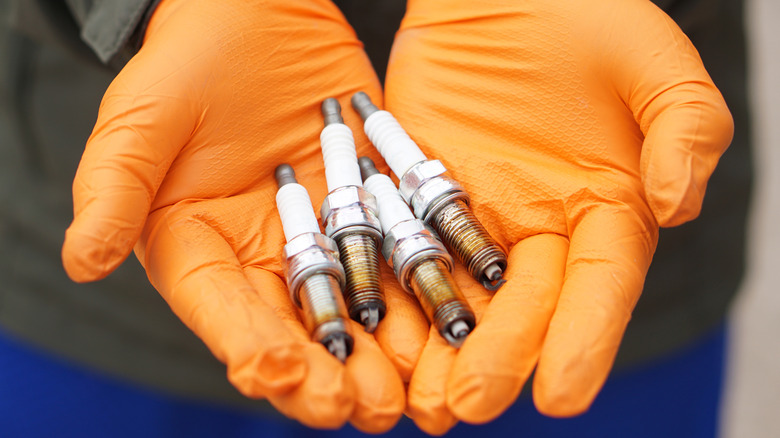
Spotting these signs early can save you from costly repairs. If your car acts up, checking the spark plugs should be one of your first steps.
Credit: www.jalopnik.com
Tools And Materials Needed
Cleaning a spark plug needs the right tools and materials. Using proper items makes the job easier and protects the spark plug from damage.
Gathering all the necessary tools before starting helps you work smoothly and finish faster.
Essential Cleaning Tools
- Wire brush – removes dirt and carbon build-up effectively
- Socket wrench – fits spark plug size for easy removal and installation
- Spark plug gap tool – checks and adjusts the electrode gap accurately
- Compressed air or air blower – clears out loose debris from the plug
- Protective gloves – keeps your hands safe from dirt and chemicals
- Clean cloth or rag – wipes off excess dirt and cleaning agents
Recommended Cleaning Agents
- Carburetor cleaner – dissolves grease and carbon deposits quickly
- Brake cleaner – removes tough grime without leaving residue
- WD-40 or similar lubricant – helps loosen stuck dirt and protects metal
- Isopropyl alcohol – cleans the plug without harming metal parts
Preparing For Spark Plug Cleaning
Before you dive into cleaning your spark plug, getting ready properly can save you time and prevent damage. Preparation helps you work efficiently and safely. It also makes sure the spark plug is accessible and ready for thorough cleaning.
Safety Precautions
Handling spark plugs means dealing with electrical components and sometimes fuel residues. Always disconnect the battery to avoid any accidental shocks. Wear gloves to protect your hands from dirt and sharp edges.
Make sure the engine is cool before you start. Hot engines can burn you or cause the spark plug to break when removed. Working in a well-ventilated area is also smart, especially if you use cleaning chemicals.
Removing The Spark Plug
Finding the spark plug can be tricky if you’re not familiar with your engine layout. Check your vehicle’s manual or search online for its exact location. Use a spark plug socket and a ratchet wrench to loosen it carefully.
Turn the plug counterclockwise, applying steady pressure. Avoid forcing it, as you might damage the threads. Once loose, pull it out gently, holding the plug boot to prevent wire damage.

Credit: www.reddit.com
Step-by-step Cleaning Process
Cleaning a spark plug properly can boost your engine’s performance and save you money on replacements. The process is simple if you follow each part carefully. Let’s break down how to clean your spark plug step-by-step.
Inspecting The Spark Plug
Start by examining the spark plug closely. Look for cracks in the ceramic insulator or any heavy deposits on the electrode. If you spot any damage, replacing the spark plug might be a better option than cleaning.
Check the electrode gap with a feeler gauge. An incorrect gap can cause misfires, so note if it needs adjustment after cleaning. Have you ever skipped this and faced engine trouble? It’s a small step that can make a big difference.
Cleaning The Electrode And Threads
Use a wire brush or a specialized spark plug cleaner to remove carbon deposits from the electrode. Clean the threads gently to avoid damage, which can make reinstalling difficult. Avoid using abrasive materials that might harm the spark plug’s metal parts.
If deposits are stubborn, try soaking the spark plug in a carburetor cleaner for a few minutes. This helps break down grime without harsh scrubbing. Remember, patience here ensures your spark plug lasts longer and performs better.
Drying And Final Inspection
After cleaning, dry the spark plug completely using compressed air or a clean cloth. Moisture left on the plug can cause misfires once installed. Give the plug one last look to confirm it’s free of dirt and damage.
Does the electrode look clean and the gap correct? If yes, your spark plug is ready for reinstallation. Taking this extra care can improve your engine’s fuel efficiency and power output noticeably.
Reinstalling Spark Plugs
Reinstalling spark plugs correctly ensures your engine runs smoothly. After cleaning, the plugs must fit perfectly to avoid misfires or damage. Careful handling and proper tools make a big difference in performance.
Proper Installation Techniques
Start by checking the spark plug threads for dirt or damage. Hand-thread the plug carefully to avoid cross-threading. Use a spark plug socket with a rubber insert for a secure grip. Tighten the plug until it is snug but not overly tight. Double-check the gap before final tightening. Reattach the spark plug wire or coil firmly to ensure a good connection.
Torque Specifications
Using the right torque prevents damage to the spark plug and engine. Find the torque value in your vehicle’s manual or on the spark plug box. Use a torque wrench for accuracy. Tighten the plug to the recommended torque setting. Over-tightening can strip threads or crack the plug. Under-tightening can cause poor engine performance and spark plug loosening.
When To Replace Instead Of Clean
Knowing when to replace a spark plug is important for engine health. Cleaning works for minor dirt and buildup. Some issues need a full replacement. Using a damaged spark plug can cause poor engine performance. It also lowers fuel efficiency and increases emissions. Watch for clear signs to decide between cleaning and replacing.
Signs Of Wear And Damage
- Electrode is worn down or rounded
- Cracks or chips on the ceramic insulator
- Heavy deposits that can’t be removed by cleaning
- Corrosion or rust on metal parts
- Engine misfires or rough idling persist after cleaning
- Gap between electrodes is too wide or uneven
These signs mean the spark plug cannot perform well. Replacing it ensures smooth engine operation.
Choosing The Right Replacement
Select a spark plug that matches your vehicle’s specifications. Check the owner’s manual for the correct type and size. Use plugs with the right heat range for your engine. Opt for quality brands to avoid early wear. Proper installation is key; ensure the gap is set correctly. Replace all spark plugs together to keep engine balance.
Maintaining Spark Plug Health
Maintaining spark plug health is key to keeping your engine running smoothly. Clean spark plugs help improve fuel efficiency and reduce engine misfires. Dirt, oil, and carbon buildup can affect spark plug performance. Regular care ensures better ignition and longer spark plug life. Simple cleaning and checks prevent costly repairs later.
Regular Cleaning Schedule
Set a cleaning schedule based on your vehicle’s manual. Most spark plugs need cleaning every 20,000 to 30,000 miles. Check spark plugs more often if you drive in dusty or harsh conditions. Inspect the spark plug for deposits and wear each time you change the oil. Clean plugs before heavy buildup causes engine problems.
Tips For Longevity
- Use a wire brush or spark plug cleaner to remove deposits.
- Check the spark plug gap and adjust it if needed.
- Avoid using harsh chemicals that can damage the plug.
- Replace spark plugs if cleaning does not restore good condition.
- Always handle spark plugs gently to avoid electrode damage.
- Keep the spark plug threads clean and properly tightened.

Credit: www.youtube.com
Frequently Asked Questions
How Often Should You Clean Spark Plugs?
Clean spark plugs every 30,000 miles or during regular maintenance. Frequent cleaning prevents engine misfires and ensures efficient fuel combustion. Check your vehicle manual for specific intervals.
What Tools Are Needed To Clean Spark Plugs?
You need a spark plug socket, wire brush, carburetor cleaner, and compressed air. These tools effectively remove dirt and carbon deposits from the plug surface.
Can You Clean Spark Plugs Without Removal?
It’s best to remove spark plugs for thorough cleaning. Cleaning without removal risks damaging surrounding engine parts and won’t properly remove all deposits.
How Do You Remove Carbon Buildup On Spark Plugs?
Use a wire brush or carburetor cleaner to scrub off carbon deposits. Avoid harsh abrasives that can damage the electrode or insulator.
Conclusion
Cleaning a spark plug keeps your engine running smooth. Regular cleaning helps prevent misfires and saves fuel. Use simple tools and take your time. Check for cracks or heavy wear before cleaning. A clean spark plug improves engine power and starts better.
Keep your spark plugs in good shape for longer engine life. Simple steps make a big difference in performance. Try these tips to keep your spark plugs clean and working well.





