Are your car’s spark plugs causing trouble? Knowing how to check spark plugs can save you time, money, and stress.
You don’t need to be a mechanic to do it yourself. With a few simple steps, you can spot problems early and keep your engine running smoothly. Keep reading to learn exactly what to look for and how to make sure your spark plugs are in top shape.
This easy guide puts the power in your hands.
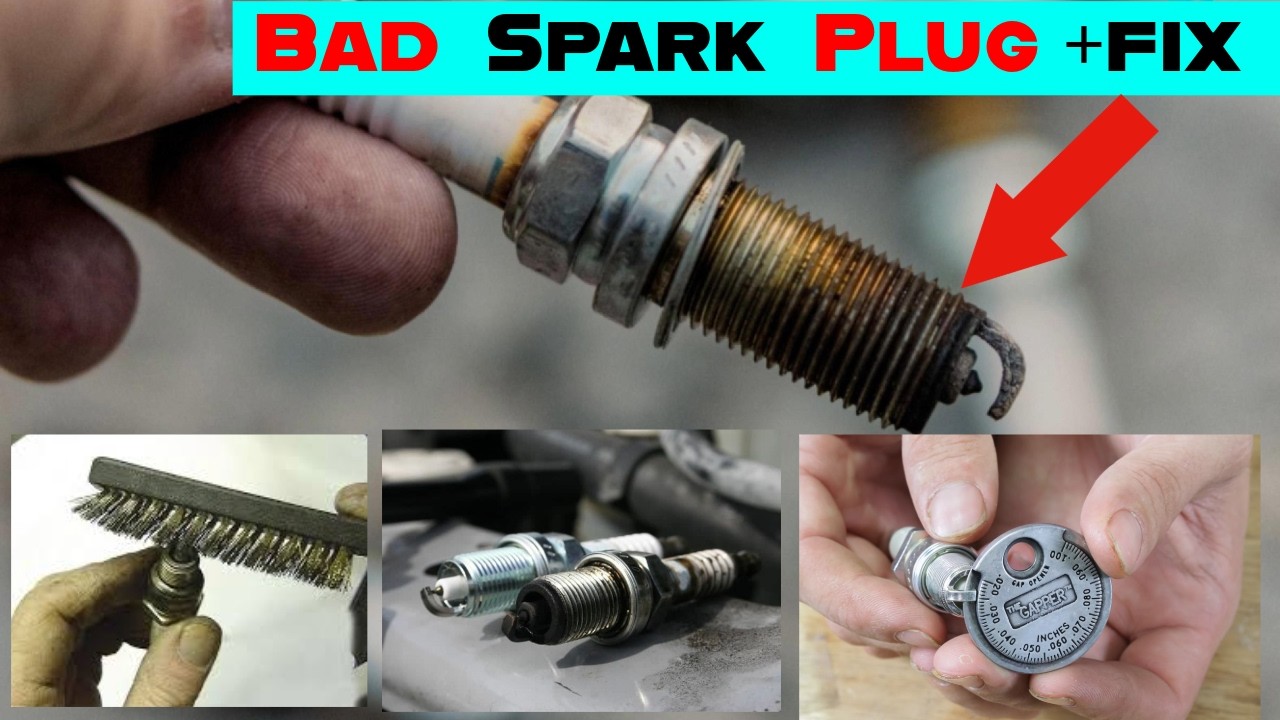
Credit: www.youtube.com
Spark Plug Basics
Spark plugs play a vital role in the engine’s function. They create the spark that ignites the fuel-air mix inside the engine cylinders. Without good spark plugs, the engine won’t run smoothly or start easily. Understanding the basics of spark plugs helps in checking and maintaining them properly.
Role In Engine Performance
Spark plugs ignite the fuel in the engine’s combustion chamber. This ignition creates the power needed to move the vehicle. Proper spark plugs improve fuel efficiency and reduce emissions. Worn or dirty spark plugs cause misfires and poor engine performance. They can make the engine hard to start and reduce acceleration.
Common Types Of Spark Plugs
Several types of spark plugs fit different engines. The main types include:
- Copper Spark Plugs:Good conductivity but shorter lifespan.
- Platinum Spark Plugs:Last longer and resist wear better.
- Iridium Spark Plugs:Most durable and offer strong spark.
Choosing the right spark plug depends on the vehicle and driving needs. Using the correct type ensures better engine performance and longevity.
Tools Needed
Checking your spark plugs requires a few specific tools to make the job smooth and effective. Having the right equipment not only helps you inspect the plugs correctly but also protects your engine from damage during the process. Let’s look at what you need to get started.
Essential Inspection Tools
- Spark Plug Socket:This specialized socket fits snugly over the spark plug and typically has a rubber insert to hold the plug securely while you remove or install it.
- Ratchet Wrench:You’ll need a ratchet wrench to turn the spark plug socket. A wrench with an extension bar can help reach plugs that are deep inside the engine.
- Gap Gauge:This tool measures the gap between the electrodes of the spark plug. Ensuring the correct gap is crucial for proper engine performance.
- Feeler Gauge or Spark Plug Gap Tool:Use this to adjust the spark plug gap if it’s not within the manufacturer’s recommended range.
- Torque Wrench:Tightening the spark plug to the right torque prevents damage to the threads or the plug itself.
- Wire Brush or Spark Plug Cleaner:Sometimes, cleaning the spark plug is enough. A wire brush helps remove carbon deposits and dirt.
Safety Gear
Safety should never be overlooked when working on your vehicle. You’ll want to protect yourself from sparks, sharp edges, and dirt.
- Gloves:Durable gloves protect your hands from cuts and grime. They also improve your grip on tools and parts.
- Safety Glasses:These shield your eyes from debris and accidental splashes of fluids.
- Work Clothes:Wear clothes that cover your skin and won’t get easily caught in engine parts.
Have you ever started a simple car task only to be slowed down by missing the right tool? Getting prepared with these items can save time and frustration. What tool do you think is the most overlooked when working with spark plugs?
Preparing Your Vehicle
Preparing your vehicle before checking the spark plugs is important for safety and ease. Taking the right steps helps avoid injury and makes the process smoother. Start by making sure your engine is cool and then find the spark plugs correctly.
Ensuring Engine Cool Down
Wait at least 30 minutes after driving before touching the engine. Hot parts can cause burns. Letting the engine cool protects your hands and tools. Use a cloth to feel if the engine is still warm. Never rush this step.
Locating Spark Plugs
Open the hood and look for the spark plug wires or ignition coils. They usually run from the distributor or ignition system to the engine block. Spark plugs are often found on top or the side of the engine. Check your vehicle manual for exact locations. Clean the area around plugs to avoid dirt falling inside.
Removing Spark Plugs
Removing spark plugs is a key step in checking their condition. It allows you to inspect and clean them properly. This process also helps spot issues that affect engine performance.
Before removing spark plugs, make sure the engine is cool. Hot engine parts can cause burns and damage to the spark plugs. Handle each part with care to avoid breaking or damaging components.
Disconnecting Ignition Wires
Start by locating the ignition wires connected to the spark plugs. Gently pull the boot, not the wire itself, to avoid damage. Twist slightly if the boot is tight. Keep track of wire order to reconnect correctly later.
Using The Right Socket
Choose a spark plug socket that fits snugly over the plug. These sockets often have rubber inside to grip the plug securely. Attach a ratchet or wrench to the socket for better control. Turn counterclockwise to loosen the spark plug carefully. Avoid force to prevent thread damage.
Inspecting Spark Plugs
Inspecting spark plugs is a key part of keeping your engine running smoothly. This simple check can reveal much about engine health and performance. Careful inspection helps spot issues early, avoiding costly repairs later.
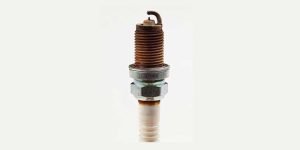
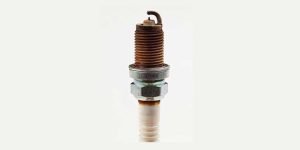
Remove the spark plug and clean off any dirt. Use a flashlight to see details clearly. Look for changes in color, wear, or damage on the spark plug parts.
Checking Electrode Condition
The electrode is where the spark jumps to ignite fuel. Check if it is worn down or rounded. A sharp electrode means the plug is still good. If it looks eroded or burnt, replacement is needed.
Also, look for cracks or breaks on the electrode. Damaged electrodes cause weak sparks and engine misfires. Clean electrodes ensure strong and consistent sparks.
Identifying Deposits And Wear
Deposits on spark plugs tell a story about engine conditions. Light tan or gray deposits are normal signs of use. Black, oily, or sooty deposits show fuel or oil problems.
Heavy deposits can stop the spark from firing properly. Look for melted or blistered areas that show overheating. These signs mean the spark plug is worn out or the engine runs too hot.
Measuring Gap Size
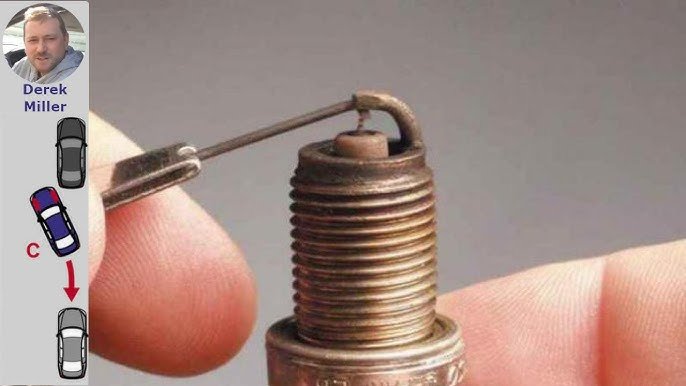
The gap between electrodes affects spark strength. Use a spark plug gap tool to check this gap. Compare it to the size recommended by your vehicle’s manual.
A gap too small or too wide weakens the spark. Adjust the gap carefully if needed. Proper gap size helps fuel burn efficiently and improves engine power.

Credit: beachautomotive.com
Cleaning And Adjusting
Cleaning and adjusting your spark plugs can significantly improve your engine’s performance and fuel efficiency. Over time, spark plugs accumulate deposits and their gaps can widen or narrow, affecting the spark’s strength. Taking a little time to clean and set them correctly can save you from costly repairs and keep your vehicle running smoothly.
Removing Carbon Deposits
Carbon deposits build up on spark plugs due to incomplete combustion. These deposits can block the spark, causing misfires or rough idling. To clean them, use a wire brush or a specialized spark plug cleaner to gently scrub off the black, sooty layer.
Be careful not to damage the electrode or insulator while cleaning. Sometimes, soaking the plug in a carburetor cleaner for a few minutes can help loosen stubborn deposits. After cleaning, wipe the plug with a clean cloth and inspect for any cracks or excessive wear—if you see any, replacement is a better option.
Adjusting The Gap
The gap between the center and ground electrode controls the spark’s reach and intensity. If the gap is too wide or too narrow, your engine may misfire or lose power. Use a feeler gauge to measure the gap, which should match your vehicle manufacturer’s specifications.
If the gap is off, gently bend the ground electrode using a spark plug gap tool or a small flathead screwdriver. Adjust it little by little to avoid breaking the electrode. Once set, double-check the measurement to ensure it’s perfect before reinstalling the spark plug.
Have you checked your spark plug gaps recently? Small adjustments here can make a big difference in how your engine runs and feels on the road.
When To Replace Spark Plugs
Spark plugs play a key role in your vehicle’s engine performance. Knowing when to replace them keeps your car running smoothly. Old or damaged spark plugs can cause misfires and reduce fuel efficiency. Checking them regularly helps avoid bigger engine problems. Understanding signs of wear and following replacement intervals is important for maintenance.
Signs Of Damage
- Engine misfires or runs rough
- Hard starts or no start
- Poor fuel economy
- Visible wear like cracks or deposits
- Excessive engine vibration
- Check engine light turns on
These symptoms often mean spark plugs need attention. Inspecting the plugs shows if they have worn electrodes or heavy buildup.
Recommended Replacement Intervals
Most car makers suggest changing spark plugs every 30,000 to 100,000 miles. This range depends on the spark plug type and vehicle model.
| Spark Plug Type | Replacement Interval (Miles) |
|---|---|
| Copper | 20,000 – 30,000 |
| Platinum | 60,000 – 100,000 |
| Iridium | 80,000 – 100,000 |
Check your vehicle’s manual for exact guidance. Regular replacement avoids poor engine performance and saves repair costs.
Reinstalling Spark Plugs
Reinstalling spark plugs correctly is crucial to keep your engine running smoothly and efficiently. If you’ve ever struggled with spark plugs that were cross-threaded or overtightened, you know how frustrating it can be. Paying close attention during the reinstall process can save you from costly repairs and improve engine performance.
Proper Threading Techniques
Start by hand-threading the spark plug into the cylinder head. This helps you avoid cross-threading, which can damage the threads and lead to expensive repairs. If the plug doesn’t turn easily by hand, don’t force it—back it out and try again.
Using a spark plug socket with a rubber insert can help grip the plug without damaging it. Gently screw it in until you feel resistance, then stop and switch to a torque wrench for tightening. Have you ever felt the frustration of forcing a spark plug and then realizing it was cross-threaded? This step prevents that.
Torque Specifications
Each engine has specific torque requirements for spark plugs. Over-tightening can strip threads or break the plug, while under-tightening may cause poor engine performance or even spark plug blowout. Always check your vehicle’s manual for the exact torque specs.
| Engine Type | Torque Range (ft-lbs) |
|---|---|
| Aluminum Cylinder Head | 13-15 |
| Cast Iron Cylinder Head | 20-25 |
Using a torque wrench ensures you don’t guess the tightness. It’s a small investment that protects your engine and spark plugs. Would you risk damaging your engine for a few dollars saved on tools?
Testing Engine Performance
Testing engine performance is essential to check the health of your spark plugs. A well-performing engine runs smoothly and efficiently. Poor spark plug condition can cause misfires, rough idling, and loss of power. Checking engine performance helps identify these issues early.
Starting The Engine
Begin by starting the engine and letting it idle. The engine should start quickly without hesitation. If the engine struggles or takes longer to start, the spark plugs may be faulty. A smooth start shows the spark plugs are firing correctly.
Listening For Irregularities
Pay close attention to the engine sound while it runs. Listen for any knocking, sputtering, or uneven sounds. These noises often indicate spark plug problems. A steady, even sound means the spark plugs are working well. Any irregular noise suggests a need for further inspection or replacement.

Credit: www.youtube.com
Frequently Asked Questions
How Often Should You Check Spark Plugs?
You should check spark plugs every 30,000 miles or as recommended by your vehicle’s manual. Regular checks ensure optimal engine performance.
What Tools Are Needed To Check Spark Plugs?
You need a spark plug socket, ratchet, extension bar, and a gap gauge to check spark plugs properly.
What Signs Indicate Faulty Spark Plugs?
Signs include engine misfires, poor fuel economy, rough idling, and difficulty starting the engine. These suggest spark plug issues.
How To Inspect Spark Plugs For Wear And Damage?
Remove the plug and examine the electrode for deposits, erosion, or cracks. A healthy plug is clean with minimal wear.
Conclusion
Checking spark plugs is essential for car maintenance. It ensures smooth engine performance. Regular checks help detect wear and tear early. This saves you from costly repairs later. Use basic tools for the inspection. Look for signs of damage or deposits.
Clean or replace plugs if needed. Doing this improves fuel efficiency and engine life. Remember, safety first. Always work on a cooled engine. Consistent checks enhance your car’s reliability. Keep your vehicle running smoothly. A small effort goes a long way.
Happy driving!