
Are you hearing a strange noise from your engine or noticing a dip in your car’s performance? It might be time to change your spark plugs.
This simple maintenance task can breathe new life into your vehicle, ensuring a smoother ride and better fuel efficiency. But where do you start? The thought of tinkering under the hood might seem daunting, but don’t worry—it’s easier than you think.
By the end of this article, you’ll know exactly how to change your spark plugs, saving you time and money on mechanic visits. Stick around, and let’s get your car running like new again!
Signs You Need New Spark Plugs
Spark plugs are small but vital parts of your car’s engine. They help start the engine and keep it running smoothly. Over time, spark plugs wear out and need replacement. Recognizing the signs of worn spark plugs saves you from bigger engine problems. Watch for these common signs to know when to change them.
Common Symptoms Of Worn Spark Plugs
- Engine misfires or runs rough
- Difficulty starting the car
- Unusual engine noise or knocking
- Visible wear or deposits on plugs
- Frequent stalling or hesitation
Impact On Engine Performance
Worn spark plugs cause weak engine power. Acceleration feels slower and less smooth. The engine may shake or vibrate more than usual. You might notice poor idling or rough running. These issues affect driving comfort and safety.
Fuel Efficiency Issues
Old spark plugs burn fuel less efficiently. Your car uses more gas than normal. This means you spend more money on fuel. Poor fuel efficiency also raises harmful emissions. Changing spark plugs helps save fuel and reduce pollution.
Tools And Materials Required
Before you start changing your spark plugs, gathering the right tools and materials is essential. Using proper equipment not only makes the job easier but also prevents damage to your engine components. Have you ever tried working with the wrong tools and ended up frustrated or causing more harm than good?
Spark Plug Socket And Ratchet
A spark plug socket is specially designed to fit spark plugs securely, usually featuring a rubber insert or magnetic core to hold the plug in place. Pair it with a ratchet handle to easily loosen and tighten the spark plugs without slipping. Using a regular socket can strip the plug or make removal difficult, so investing in the correct size socket is crucial.
Gap Gauge And Torque Wrench
Checking the gap on new spark plugs is vital to ensure optimal engine performance. A gap gauge helps you measure and adjust the distance between the electrodes accurately. After installation, a torque wrench ensures you tighten the plugs to the manufacturer’s specifications—too loose and they can leak, too tight and you risk breaking the plug or damaging the threads.
Replacement Spark Plugs
Choosing the right replacement spark plugs depends on your vehicle’s make and model. Check your owner’s manual or consult a trusted auto parts store to find the exact type and heat range recommended. Don’t just grab the cheapest option; quality plugs can improve fuel efficiency and engine response noticeably.
Preparing Your Vehicle
Preparing your vehicle before changing the spark plugs is important for safety and efficiency. Taking the right steps helps avoid damage and injury. Follow these simple actions to get your car ready.
Ensuring Engine Is Cool
Never start work on a hot engine. Wait at least 30 minutes after driving. The engine and spark plugs cool down. This prevents burns and makes parts easier to handle. Touch the engine carefully to check the temperature.
Disconnecting The Battery
Disconnect the negative battery cable. This stops electrical power from flowing. It lowers the risk of electric shock and sparks. Use a wrench to loosen the battery terminal. Remove the cable and keep it away from the battery.
Locating The Spark Plugs
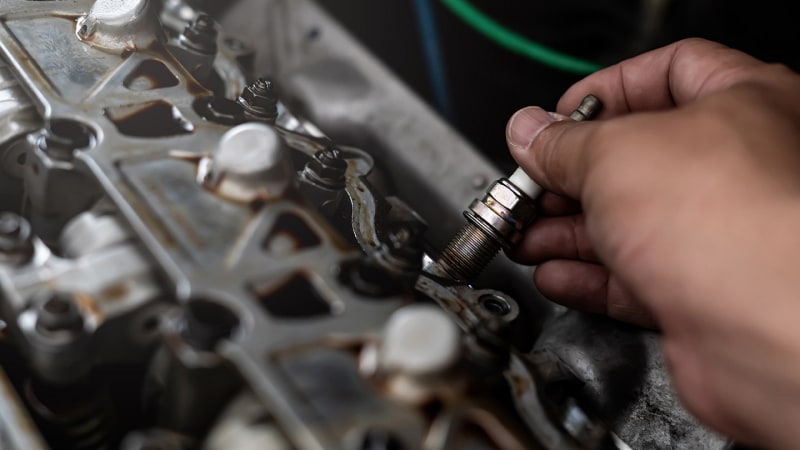
Open the car’s hood and find the spark plugs. They usually sit on the engine’s cylinder head. Look for thick wires or ignition coils leading to them. Check your vehicle’s manual for exact locations. Knowing this saves time and avoids mistakes.
Credit: www.chase.com
Removing Old Spark Plugs
Removing old spark plugs is the first key task in changing them. It helps prepare your engine for new plugs to work properly. Taking out the old plugs carefully keeps the engine safe from damage. This process requires simple tools and patience.
Removing Ignition Coils Or Wires
Start by locating the ignition coils or wires connected to the spark plugs. Gently pull the coil or wire from the plug. Avoid pulling on the wire itself; grip the boot firmly to prevent damage. If your car has ignition coils, remove the bolts holding them in place. Set the coils or wires aside carefully.
Cleaning Around Spark Plugs
Before unscrewing, clean the area around each spark plug. Use a small brush or compressed air to remove dirt and debris. This stops dirt from falling into the engine cylinder. A clean surface makes the removal process easier and safer.
Unscrewing The Spark Plugs
Use a spark plug socket attached to a ratchet wrench to loosen each spark plug. Turn the socket counterclockwise to unscrew. Work slowly to avoid breaking the plug inside the engine. Once loose, pull the spark plug out carefully by hand. Place the old plugs in a safe spot for inspection or disposal.
Inspecting And Gapping New Spark Plugs
Inspecting and gapping new spark plugs is key for engine performance. Proper inspection avoids damage and ensures longevity. Gapping affects how well the spark ignites the fuel. A wrong gap can cause rough idling or poor fuel efficiency. Checking and adjusting the gap prepares the spark plugs for installation.
Checking The Spark Plug Gap
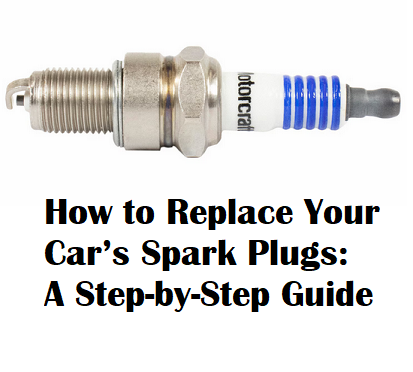
The spark plug gap is the distance between the center and ground electrodes. Use a spark plug gap tool or feeler gauge to measure this gap. Compare the measurement with the vehicle’s recommended gap found in the owner’s manual. A correct gap ensures a strong spark and smooth engine running.
- Place the gauge between the electrodes gently.
- Check if the tool slides through with slight resistance.
- Too tight means the gap is too small.
- Too loose means the gap is too wide.
Adjusting The Gap If Necessary
Adjust the gap carefully to avoid damage. Use the gap tool’s built-in adjuster or a small flat tool. Bend the ground electrode slightly to widen or narrow the gap. Check the measurement again after each adjustment. Repeat until the gap matches the recommended size exactly.
- Do not touch the center electrode while adjusting.
- Make small changes to avoid breaking the electrode.
- Confirm the final gap before installing the spark plug.
Credit: beachautomotive.com
Installing New Spark Plugs
Installing new spark plugs is a key step in maintaining your vehicle’s engine performance. The process requires care to ensure that the plugs sit correctly and function efficiently. Let’s look at how to properly install new spark plugs for a smooth-running engine.
Hand-tightening The Spark Plugs
Start by carefully screwing the new spark plug into the cylinder head by hand. This helps prevent cross-threading, which can damage the threads and lead to costly repairs. If you feel resistance, back the plug out slightly and try again—forcing it can cause serious problems.
Hand-tightening ensures the spark plug seats properly before you apply final torque. It’s a simple step, but skipping it can make the rest of the job harder or ruin the spark plug threads altogether.
Using Torque Wrench For Proper Tightness
Once the spark plug is hand-tight, use a torque wrench to tighten it to the manufacturer’s specified torque. Over-tightening can crack the plug or damage the cylinder head, while under-tightening can cause poor engine performance or spark plug ejection.
Check your vehicle’s manual for the exact torque value, usually measured in pound-feet or Newton-meters. Applying the right torque guarantees a secure fit without risking damage.
Reattaching Ignition Coils Or Wires
After the spark plugs are properly tightened, reconnect the ignition coils or spark plug wires. Make sure each connection snaps or fits firmly in place to ensure a strong electrical connection.
Loose connections can cause misfires or engine hesitation, which might leave you scratching your head over why your car isn’t running smoothly. Double-check each coil or wire before moving on to the next spark plug.
Testing Engine Performance
Testing your engine’s performance after changing spark plugs is crucial to ensure everything runs smoothly. It helps you catch any issues early and confirms that your efforts have made a real difference. Let’s look at how you can evaluate your engine’s condition step by step.
Starting The Engine
Turn your ignition and listen closely as the engine starts. A properly functioning engine should start quickly without hesitation or excessive cranking. If your car struggles to start or takes longer than usual, it could indicate an issue with the spark plugs or other components.
Listening For Smooth Operation
Once the engine is running, pay attention to the sound and feel. The engine should run smoothly without any irregular noises or vibrations. Rough idling or sputtering often points to spark plugs that aren’t firing correctly. You might notice a difference if your old plugs were worn out—your car feels more responsive and steady now.
Checking For Improved Fuel Efficiency
Track your fuel consumption over the next few days of driving. New spark plugs can improve combustion efficiency, which often leads to better gas mileage. If you observe your car using less fuel for the same distance, that’s a clear sign your spark plug change had a positive effect.
Maintenance Tips For Spark Plugs
Maintaining your spark plugs ensures your engine runs smoothly and efficiently. Regular care helps avoid poor performance and costly repairs. Knowing when and how to maintain spark plugs saves time and money. Simple checks and timely replacements keep your vehicle in top shape.
Recommended Replacement Intervals
Most spark plugs last between 30,000 and 100,000 miles. Check your vehicle’s manual for exact intervals. High-performance or iridium plugs often last longer. Replacing plugs too early wastes money. Waiting too long can harm engine parts. Stick to recommended schedules for best results.
Signs To Monitor Between Changes
Watch for rough idling, slow acceleration, or engine misfires. These may signal worn spark plugs. Poor fuel economy is another sign to check plugs. Difficulty starting your engine can also indicate spark plug issues. Inspect spark plugs if any of these symptoms occur. Early detection prevents bigger problems later.

Credit: www.youtube.com
Frequently Asked Questions
How Often Should You Change Spark Plugs?
Spark plugs typically need changing every 30,000 to 100,000 miles. Check your vehicle’s manual for exact intervals. Regular replacement ensures optimal engine performance and fuel efficiency.
What Tools Are Needed To Change Spark Plugs?
You need a spark plug socket, ratchet wrench, extension bar, and a gap gauge. Gloves and anti-seize lubricant are also useful for safe and easy replacement.
How To Check If Spark Plugs Need Replacement?
Look for engine misfires, rough idling, or poor fuel economy. Visually inspect plugs for wear, deposits, or damage to confirm replacement is necessary.
Can I Change Spark Plugs Myself Safely?
Yes, changing spark plugs is a simple DIY task with basic tools. Follow safety steps like disconnecting the battery and working on a cool engine.
Conclusion
Changing spark plugs helps your engine run smooth and saves money. It takes just a few tools and some careful steps. Regular changes prevent engine problems and improve fuel use. Remember to check your car’s manual for the right spark plugs.
Take your time and work safely. Soon, you will feel proud fixing your car yourself. Simple tasks like this keep your vehicle healthy for longer. Give it a try and notice the difference in your ride.





