
Are your car’s spark plugs due for a change? If you’ve noticed your vehicle not performing at its best, it might be time to roll up your sleeves and tackle this simple maintenance task.
Changing spark plugs might sound intimidating, but with the right guidance, you can do it yourself and save money on mechanic fees. Imagine the satisfaction of knowing you played a crucial role in keeping your car running smoothly. You’ll discover a step-by-step process that makes changing spark plugs straightforward and stress-free.
Let’s get started and put the power back in your hands!
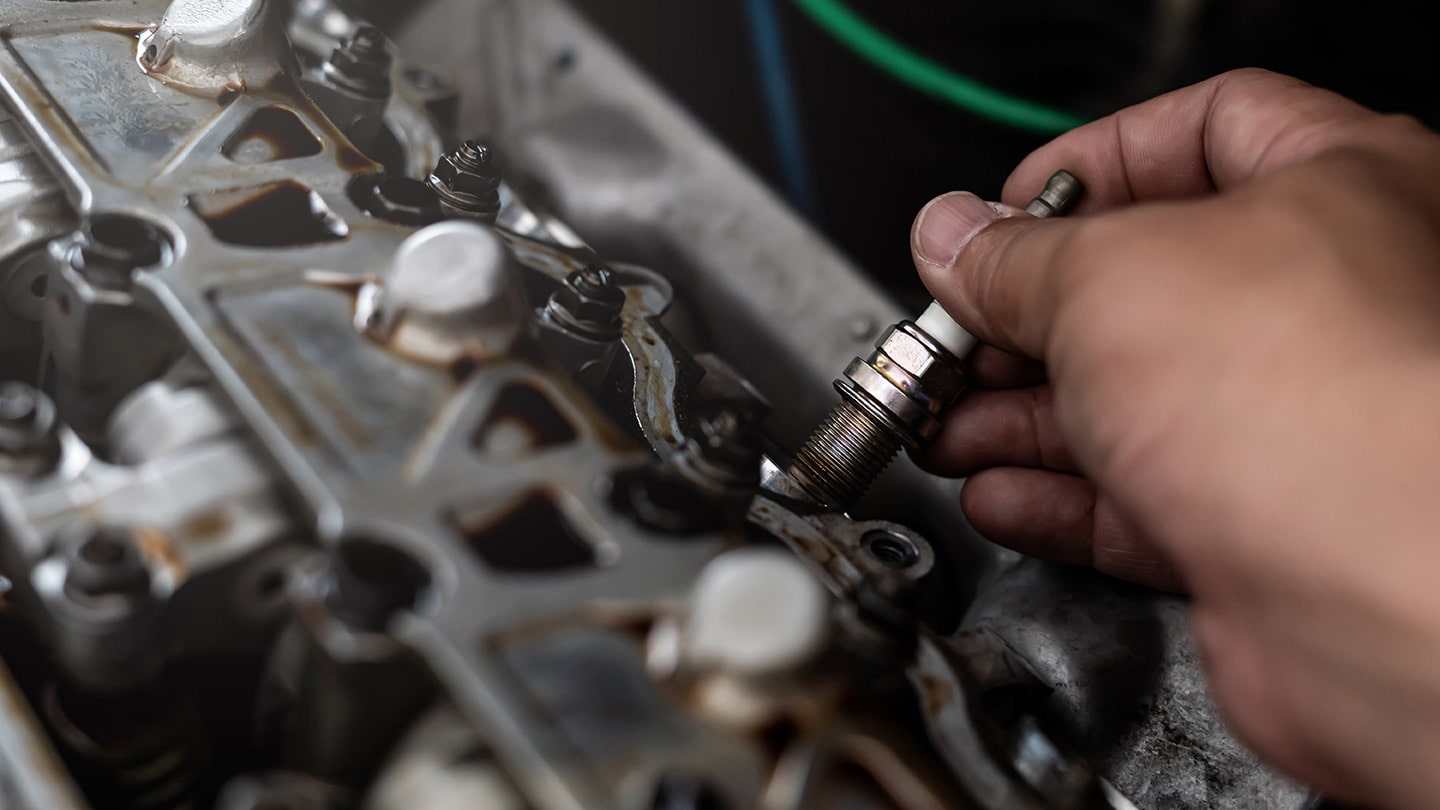
Credit: www.chase.com
Signs Your Spark Plugs Need Changing
Knowing when your spark plugs need changing can save you time and money while keeping your car running smoothly. Spark plugs play a crucial role in igniting the fuel-air mixture inside your engine cylinders. When they start to fail, your vehicle sends clear signals that shouldn’t be ignored.
Engine Misfires
One of the most noticeable signs of worn spark plugs is engine misfires. You might feel your car jerk or hesitate during acceleration. This happens because the spark plugs aren’t firing correctly, causing incomplete combustion.
If you hear unusual popping sounds or notice a sudden drop in engine power, your spark plugs could be the culprit. Ignoring misfires can lead to more serious engine damage, so it’s best to check them promptly.
Poor Fuel Economy
Have you noticed your car’s fuel gauge dropping faster than usual? Worn spark plugs can cause poor fuel economy because they don’t ignite the fuel efficiently. This forces your engine to work harder, burning more fuel to maintain performance.
Simple changes like replacing spark plugs often improve mileage noticeably. Tracking your fuel consumption over time can help you spot this issue early and avoid expensive fuel bills.
Difficulty Starting
Struggling to start your car can be frustrating, especially on cold mornings. Faulty spark plugs can make ignition difficult because they fail to create a strong enough spark. This means the engine doesn’t catch fire right away, leaving you turning the key repeatedly.
If your engine cranks but doesn’t start easily, it’s a good idea to inspect the spark plugs. Replacing them can restore quick and reliable starts.
Rough Idling
When your engine idles roughly, it feels like it’s shaking or vibrating more than usual. This happens because the spark plugs aren’t igniting the fuel-air mixture evenly in every cylinder. The uneven firing causes your engine to run unsteadily at low speeds.
You might also notice unusual noises or a fluctuating RPM gauge during idling. If your car’s idle feels off, checking the spark plugs should be one of your first steps.
Tools And Materials Needed
Changing spark plugs requires specific tools and materials to work safely and effectively. Having the right equipment makes the job easier and helps avoid damage. Gather everything before starting the process.
Spark Plug Socket
A spark plug socket fits snugly around the spark plug for easy removal and installation. It usually has a rubber insert to hold the plug securely. Choose the correct size for your vehicle’s spark plugs.
Ratchet And Extensions
A ratchet provides the turning power needed to loosen and tighten spark plugs. Extensions help reach plugs in deep or tight engine spaces. Select extensions of different lengths for better access.
Torque Wrench
A torque wrench ensures spark plugs are tightened to the manufacturer’s exact specifications. Proper torque prevents over-tightening or loose plugs. This tool protects your engine from damage.
Dielectric Grease
Dielectric grease protects the spark plug boots from moisture and corrosion. It improves electrical connection and makes future removal easier. Apply a small amount on the inside of each boot.
Replacement Spark Plugs
Use the correct replacement spark plugs designed for your vehicle. Check the owner’s manual for the recommended type and gap size. New plugs improve engine performance and fuel efficiency.
Preparing Your Vehicle
Before you dive into changing your spark plugs, getting your vehicle ready is key. Proper preparation not only makes the job easier but also keeps you safe during the process. Skipping these steps could lead to frustration or even injury.
Park On A Flat Surface
Find a level spot to park your car. A flat surface keeps your vehicle stable while you work. It also prevents any unexpected rolling, which can be dangerous when you’re under the hood.
If you don’t have access to a flat driveway or garage floor, consider using wheel chocks to secure the wheels. This small precaution adds an extra layer of safety that’s easy to overlook.
Let The Engine Cool
Never try to change spark plugs right after driving. The engine and spark plugs get extremely hot and can cause burns. Wait at least 30 minutes to an hour for everything to cool down.
While waiting, use this time to gather your tools and review the replacement plugs. This ensures you won’t rush and makes the process smoother once you start.
Disconnect The Battery
Safety first: always disconnect the negative terminal of your battery. This cuts power to your vehicle and prevents accidental shocks or short circuits. Even if you’re experienced, this step is critical and often overlooked.
Use a wrench to loosen the terminal clamp and secure the cable away from the battery post. This simple move can save you from electrical hazards and protect your car’s electronics.
Removing Old Spark Plugs
Removing old spark plugs is a crucial part of maintaining your vehicle’s engine performance. It requires a careful approach to avoid damaging the plugs or the engine components. Let’s break down how to safely and effectively remove your old spark plugs so you can get ready for the new ones.
Locate The Spark Plugs
Open your car’s hood and find the spark plugs by tracing the spark plug wires or ignition coils. These are usually connected to the engine’s cylinder head. Depending on your car model, the spark plugs might be easy to spot or tucked away under engine covers.
Have you noticed how some engines have coil-on-plug setups, making the plugs easier to access? Identifying your specific setup early on saves time and frustration later.
Remove Ignition Coils Or Wires
Before you can pull out the spark plugs, you’ll need to remove the ignition coils or spark plug wires. Gently twist and pull the wire boot from the plug—avoid pulling on the wire itself to prevent damage.
If your car has ignition coils, unscrew the bolts holding them in place and carefully lift them off. Remember, a little patience here prevents costly mistakes like breaking the coil or damaging connectors.
Use The Socket To Extract Plugs
Use a spark plug socket attached to a ratchet wrench to loosen and remove the plugs. Turn counterclockwise slowly and apply steady pressure to avoid stripping the threads.
Sometimes plugs can be stuck due to carbon buildup. If this happens, try a few gentle back-and-forth turns to loosen them before pulling out completely. Have you experienced stubborn spark plugs before? Proper tools and patience make all the difference.
Inspecting And Gapping New Spark Plugs
Inspecting and gapping new spark plugs is a crucial task before installation. This process ensures optimal engine performance and fuel efficiency. Proper inspection helps spot any defects or damage from shipping or handling.
The spark plug gap affects the spark strength and ignition timing. Setting the correct gap prevents misfires and rough engine running. Applying dielectric grease protects the spark plug and helps with easy removal later.
Check For Damage
Look closely at the spark plug’s ceramic insulator for cracks or chips. Examine the metal threads for any signs of rust or deformation. Make sure the electrode is not bent or worn out. Damaged plugs can cause engine problems and should be replaced immediately.
Adjust The Gap
Use a spark plug gap tool or feeler gauge to measure the gap. Compare the gap to the vehicle manufacturer’s specifications. Gently bend the ground electrode to adjust the gap if needed. Avoid forcing or breaking the electrode during adjustment.
Apply Dielectric Grease
Apply a small amount of dielectric grease to the inside of the spark plug boot. This grease prevents moisture and corrosion inside the boot. It also makes removing the plug easier in the future. Use only a thin layer; too much grease can cause problems.
Installing New Spark Plugs
Installing new spark plugs is a key part of car maintenance. Proper installation ensures your engine runs smoothly and efficiently. Taking time to do it right prevents damage and keeps your vehicle reliable. Follow these important steps carefully.
Thread By Hand To Avoid Cross-threading
Start by placing the new spark plug into the hole gently. Turn it slowly with your fingers to thread it in. This helps avoid cross-threading, which can damage the cylinder head. Never force the spark plug or use a tool at this stage. Hand threading ensures the spark plug fits perfectly and safely.
Tighten With Torque Wrench
Use a torque wrench to tighten the spark plug. This tool controls the exact tightness needed. Over-tightening can crack the spark plug or the engine parts. Under-tightening may cause poor contact or loosening. Check your car’s manual for the right torque setting. Apply steady pressure until the wrench clicks or shows the correct torque.
Reconnect Ignition Components
After tightening, reconnect the ignition wires or coils. Ensure each connection is secure and clicks into place. Loose connections can cause misfires or poor engine performance. Check that wires are clean and free from damage. Proper reconnection completes the spark plug installation and prepares your engine for action.
Testing After Installation
Testing after installing new spark plugs is key to ensure your engine runs well. This step confirms the plugs fit right and work as expected. It helps catch any issues early before they affect your car’s performance.
Start The Engine
Turn the ignition and start the engine. Listen carefully to how it sounds. The engine should start quickly without hesitation. If it struggles or makes odd noises, recheck the spark plug installation.
Check For Smooth Operation
Let the engine run at idle. The sound should be steady and even. Watch for any shaking or rough running. Smooth operation means the spark plugs ignite fuel properly. If the engine runs unevenly, tightening or repositioning the plugs may be needed.
Monitor Performance Improvements
Drive the car normally and note how it feels. You should notice better acceleration and fuel efficiency. Watch for any misfires or power loss. Improved performance shows the spark plugs are working well. Keep an eye on the engine’s behavior over the next few days.
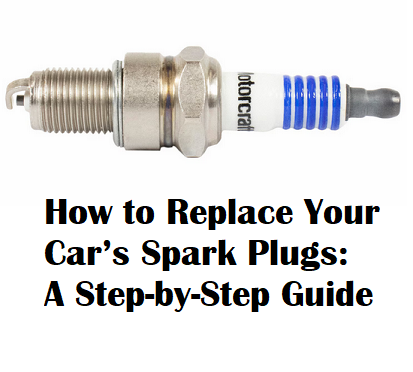
Credit: beachautomotive.com
Maintenance Tips For Longevity
Keeping your spark plugs in top shape is key to ensuring your engine runs smoothly for a long time. Simple maintenance habits can save you from costly repairs and improve fuel efficiency. Here are some practical tips to help your spark plugs last longer.
Regular Inspections
Check your spark plugs regularly for signs of wear or damage. Look for cracks, corrosion, or buildup on the electrodes. Catching problems early can prevent engine misfires and poor performance.
Have you noticed your engine hesitating or struggling to start? That could be a sign your spark plugs need a closer look. Taking a few minutes every few thousand miles to inspect them can make a big difference.
Use Quality Spark Plugs
Investing in high-quality spark plugs pays off in durability and performance. Cheap plugs may save money upfront but often wear out faster and cause engine issues. Brands like NGK or Bosch offer reliable options that fit most vehicles.
Choosing the right type of spark plug is just as important. Iridium and platinum plugs last longer than standard copper ones. Consider upgrading if you want fewer replacements and better ignition.
Follow Manufacturer’s Replacement Schedule
Your vehicle’s manual provides a recommended interval for changing spark plugs. Sticking to this schedule keeps your engine running efficiently and helps avoid unexpected breakdowns. Don’t wait until you see problems—replace them on time.
Some modern spark plugs can last over 100,000 miles, but older models may need changes every 30,000 miles. Check your specific recommendations and set reminders to stay on track.

Credit: www.youtube.com
Frequently Asked Questions
How Often Should You Change Spark Plugs?
Spark plugs should be changed every 30,000 to 100,000 miles. Check your vehicle’s manual for exact intervals. Worn plugs reduce engine efficiency and fuel economy.
What Tools Are Needed To Change Spark Plugs?
You need a spark plug socket, ratchet wrench, extension bar, and a gap gauge. Safety gloves and anti-seize lubricant are also helpful.
How Do You Check Spark Plug Condition?
Remove the plug and inspect for deposits, wear, or damage. A black or oily plug indicates engine issues needing attention.
Can Changing Spark Plugs Improve Engine Performance?
Yes, fresh spark plugs ensure better combustion. This leads to smoother starts, improved fuel efficiency, and reduced emissions.
Conclusion
Changing spark plugs can improve your car’s performance and fuel efficiency. It takes only a few tools and some basic steps to do it yourself. Regular checks help keep the engine running smoothly and prevent bigger problems. Remember to choose the right spark plugs for your vehicle.
Stay safe and work carefully to avoid damage. With practice, the process becomes quicker and easier. Keep your car healthy by changing spark plugs on time. Simple care makes a big difference in how your car drives.





