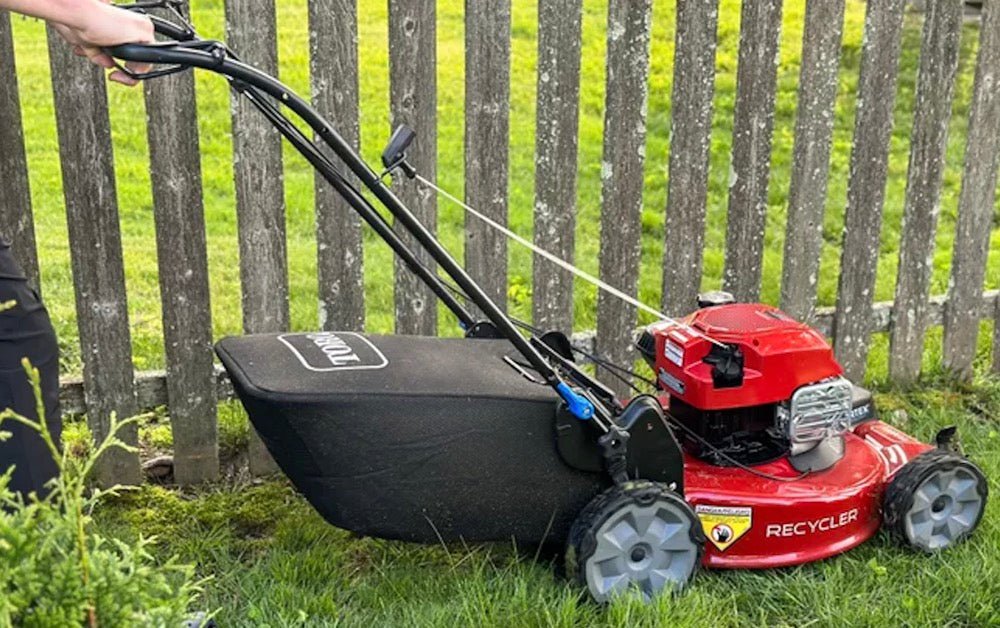
Imagine mowing your lawn without breaking a sweat. Sounds ideal, doesn’t it?
That’s exactly what self propelled lawn mowers promise. If you’ve ever wondered how these machines transform the chore of mowing into a breeze, you’re in the right place. You’ll discover the inner workings of self propelled lawn mowers and how they can change your gardening routine.
By understanding their mechanics, you’ll not only appreciate their convenience but also make smarter choices for your yard. Stick around to learn how you can turn mowing from a dreaded task into a delightful experience. Ready to explore the world of effortless lawn care? Let’s get started!
Self Propelled Mower Basics
Understanding the basics of a self propelled lawn mower can change how you handle your yard work. These machines don’t just cut grass—they do a lot of the heavy lifting for you. Knowing what makes them tick helps you choose the right one and use it more efficiently.
Key Components
At the heart of a self propelled mower are several crucial parts working together.
- Engine:Powers both the blade and the wheels.
- Transmission:Controls the power flow from the engine to the wheels.
- Drive Wheels:These are the wheels that move the mower forward.
- Control Lever:Allows you to engage or disengage the self-propulsion feature.
Each component plays a role in making your mowing experience smoother and less tiring.
How Propulsion Works
When you engage the self-propulsion lever, the mower’s engine sends power to the transmission. This transmission then drives the wheels, causing the mower to move forward without you pushing.
Think of it as the mower pulling you along—reducing the effort you need to apply. You control the speed with the lever, so you can mow at a pace that suits you.
Have you noticed how much easier it feels to mow uphill with a self propelled model? That’s the transmission and drive wheels doing their job, saving your energy on tough terrain.

Credit: navimow.segway.com
Types Of Drive Systems
Self-propelled lawn mowers come with different types of drive systems that affect how they move and handle your yard. Understanding these systems helps you pick the right mower for your lawn’s size and terrain. Each drive type offers unique benefits and challenges, so knowing the differences can save you effort and improve your mowing experience.
Front-wheel Drive
Front-wheel drive mowers pull themselves forward with the front wheels while you steer from behind. This setup makes turning easier and gives good control on flat, even lawns.
However, if your yard has hills or uneven ground, the front wheels might slip because they carry less weight. This can make mowing tougher and less efficient on slopes.
Think about your lawn’s layout—do you have mostly flat space or gentle slopes? Front-wheel drive could be your best bet if your answer is flat ground.
Rear-wheel Drive
Rear-wheel drive mowers push themselves forward with the back wheels, offering stronger traction and better control on uneven or hilly terrain. The weight naturally rests over the rear wheels, which helps maintain grip.
This drive type makes it easier to mow on slopes, but steering might require more effort compared to front-wheel drive. You’ll notice improved stability when navigating rough patches or thick grass.
If your lawn includes hills or tricky areas, consider rear-wheel drive for smoother operation and less strain on your part.
All-wheel Drive
All-wheel drive mowers power all four wheels simultaneously, giving maximum traction and control. This is ideal for challenging terrain like steep hills, wet grass, or rugged ground.
While all-wheel drive mowers often cost more and can be heavier, the extra grip means you spend less energy fighting the mower. It’s like having a machine that adapts to every part of your yard.
Do you struggle with muddy or uneven sections in your lawn? All-wheel drive can make those tasks easier and safer.
Engine And Power Source
The engine and power source are the heart of a self-propelled lawn mower. They provide the force needed to move the mower forward and cut grass efficiently. Choosing the right engine type affects the mower’s performance, noise level, and maintenance needs.
Gas-powered Engines
Gas-powered engines are common in self-propelled mowers. They use gasoline to generate power through combustion. These engines offer strong performance and can handle thick or tall grass easily.
Most gas engines come in two types:
- Four-stroke engines:Quiet, fuel-efficient, and low in emissions.
- Two-stroke engines:Lightweight and powerful but use more fuel.
Gas engines need regular maintenance like oil changes and spark plug checks. They produce more noise and fumes compared to electric options.
Electric And Battery Options
Electric self-propelled mowers run on electricity stored in rechargeable batteries. These models are quieter and produce zero emissions. They suit small to medium lawns well.
Battery types include:
- Nickel-metal hydride (NiMH):Affordable but heavier and less efficient.
- Lithium-ion (Li-ion):Lightweight, long-lasting, and fast to charge.
Electric mowers require less maintenance and are easier to start. Their runtime depends on battery capacity, so charging time matters.

Credit: www.familyhandyman.com
Control Mechanisms
Understanding the control mechanisms of self-propelled lawn mowers helps you get the most from your machine. These controls let you adjust speed, power, and direction, making mowing easier and more efficient. Let’s break down how these key controls work together to give you smooth handling and better results.
Throttle And Speed Control
The throttle lets you manage the engine’s power output. Adjusting the throttle changes how fast the engine runs, which in turn affects the mower’s speed. Many models have a simple lever or dial that you can move to increase or decrease speed effortlessly.
You might notice that a higher throttle setting makes it easier to cut through thick or tall grass without the mower bogging down. Have you ever tried mowing too fast and had to go over the same spot twice? Controlling the throttle helps avoid that by matching speed to the grass condition.
Engaging The Drive System
The drive system is what actually moves the mower forward. To engage it, you usually squeeze a lever or press a control handle. This action connects the engine’s power to the wheels, propelling the mower along as you guide it.
Some mowers let you adjust how much power goes to the wheels, so you can control the pace without changing the engine speed. This makes it easier to navigate uneven terrain or tight spots without losing momentum.
- Engaging the drive system reduces fatigue because you don’t have to push the mower.
- Disengaging it stops the wheels while the engine continues running, giving you more control during turns.
- Knowing when and how to engage the drive system improves safety and mowing efficiency.
Advantages Of Self Propelled Mowers
Self propelled mowers offer several advantages that can transform the way you handle lawn care. They are designed to reduce the physical effort needed while improving the overall mowing experience. Understanding these benefits can help you decide if this type of mower suits your yard’s needs and your personal comfort.
Ease Of Use
One of the biggest advantages of self propelled mowers is how easy they are to use. Since the mower moves forward on its own, you don’t have to push it hard, which means less strain on your arms and back.
Think about a hot summer day when mowing feels like a chore. Using a self propelled mower can make the task feel lighter and even enjoyable. This is especially helpful if your lawn has uneven terrain or slopes, where pushing a regular mower can be challenging.
Efficiency And Speed
Self propelled mowers help you finish your mowing faster. Because the mower powers itself, you maintain a steady pace without stopping to catch your breath.
This consistent speed means you cover more ground in less time. Have you ever noticed how stopping and starting with a manual mower breaks your rhythm? Self propelled mowers eliminate that issue, making your lawn care routine smoother and quicker.

Credit: www.nytimes.com
Maintenance Tips
Proper maintenance keeps your self-propelled lawn mower running smoothly. Regular care prevents breakdowns and extends mower life. Focus on key parts to ensure efficient performance.
Engine Care
Check the oil level before every use. Change the oil as the manual suggests. Clean or replace the air filter regularly. A clean filter improves engine efficiency. Spark plugs need inspection and replacement once a year. Use fresh fuel to avoid clogging. Store the mower in a dry place to protect the engine from rust.
Drive System Upkeep
Inspect the drive belt for cracks or wear. Replace worn belts promptly to maintain power. Lubricate the wheels and moving parts often. Check tire pressure and keep it consistent. Clean grass and debris from the drive system after each use. This prevents blockages and keeps the mower moving smoothly.
Choosing The Right Model
Choosing the right self-propelled lawn mower makes mowing easier and faster. It depends on your yard’s size and layout. Picking a mower that fits these needs saves effort and improves results. Consider key factors before buying.
Lawn Size Considerations
Large lawns need mowers with wider cutting decks. They cover more ground in less time. Smaller lawns work well with compact models. They are easier to store and maneuver. Battery-powered mowers suit small to medium yards. Gas-powered models handle big areas better.
Terrain And Features
Hilly or uneven terrain requires strong drive systems. Look for mowers with variable speed controls. Good traction helps prevent slipping on slopes. Features like adjustable handles improve comfort. Some models include mulching or bagging options. These add convenience depending on your lawn care style.
Frequently Asked Questions
What Makes A Lawn Mower Self-propelled?
A self-propelled mower has a built-in transmission that moves the wheels. This feature reduces the effort needed to push it, making lawn mowing easier, especially on slopes and large areas.
How Does The Drive System In Self-propelled Mowers Work?
The drive system transfers power from the engine to the wheels. It can be a single-speed or variable-speed transmission, allowing users to control the mower’s pace for comfortable operation.
Are Self-propelled Mowers Suitable For All Lawn Types?
Yes, self-propelled mowers work well on flat and uneven terrains. They provide better control on hills and rough patches, making lawn maintenance efficient and less tiring.
What Are The Benefits Of Using A Self-propelled Lawn Mower?
They reduce physical strain by moving the mower forward automatically. This saves energy and speeds up mowing, especially for large lawns or challenging terrains.
Conclusion
Self-propelled lawn mowers make mowing easier and faster. They use an engine to move the wheels on their own. You just guide the mower without pushing hard. This saves energy and reduces fatigue. Understanding how they work helps you choose the right mower.
It also helps with proper use and maintenance. A well-maintained mower lasts longer and performs better. Now you know why self-propelled mowers are popular. They bring comfort and efficiency to lawn care. Simple, smart, and effective tools for your yard.





