Imagine a world where your weekends are free from the hum of a lawnmower and the smell of freshly cut grass. Instead of spending hours pushing and pulling, you can relax, knowing your lawn is being perfectly manicured by a robotic lawn mower.
Sounds like a dream, right? But how exactly do these futuristic machines work? If you’ve ever found yourself wondering about the magic behind robotic lawn mowers, you’re not alone. We’re going to dive into the fascinating technology that powers these devices.
You’ll discover how they navigate your yard, trim the grass with precision, and even handle obstacles. By the end, you’ll understand why investing in a robotic lawn mower could be the best decision for your lawn and your leisure time. Ready to learn more? Let’s get started!
Basics Of Robotic Lawn Mowers
Robotic lawn mowers offer a simple way to keep your grass neat without much effort. They work automatically to cut grass evenly. These machines save time and energy by mowing on their own. Understanding their basics helps you choose the right model for your yard.
Key Components
- Cutting Blades:Small blades that trim the grass neatly.
- Motors:Power the movement and blade rotation.
- Sensors:Detect obstacles, edges, and grass height.
- Battery:Supplies energy for cordless operation.
- Navigation System:Guides the mower around the lawn.
- Boundary Wire:Marks the mowing area limits (in some models).
Types Of Models
- Basic Models:Suitable for small, simple lawns.
- Advanced Models:Include GPS for precise navigation.
- Hybrid Models:Combine boundary wires and GPS technology.
- Heavy-Duty Models:Designed for large or uneven terrain.
Typical Lawn Size Compatibility
| Model Type | Recommended Lawn Size |
|---|---|
| Basic | Up to 1/4 acre |
| Advanced | 1/4 to 1 acre |
| Heavy-Duty | More than 1 acre |
Navigation And Mapping Techniques
Robotic lawn mowers use smart navigation and mapping to mow efficiently. These techniques guide the mower around the yard. They help the device know where to cut and avoid missing spots.
Boundary Wire Systems
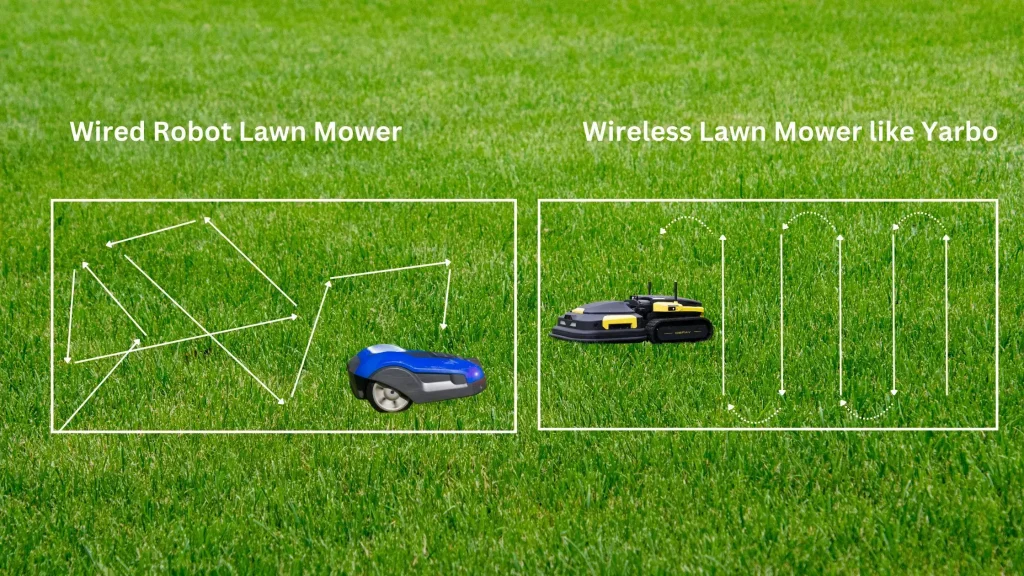
Boundary wires create invisible fences around the lawn. The mower senses signals from these wires to stay inside the area. This method keeps the mower from going outside the yard.
Installing boundary wires is simple. The wire runs along the lawn edges and around obstacles. The mower follows the wire signals to cover the entire space safely.
Gps And Sensor Integration
Many robotic mowers use GPS to map the lawn. GPS helps the mower track its position in real time. This allows it to plan the best mowing path.
Sensors work with GPS to improve accuracy. They measure distance and detect lawn size. This data helps the mower adjust its route for full coverage.
Obstacle Detection
Obstacle detection stops the mower from bumping into objects. Sensors detect trees, furniture, and pets. The mower then changes direction to avoid collisions.
These sensors use sound, touch, or light to sense obstacles. They keep the mower safe and protect items in the yard. This feature makes mowing worry-free and efficient.
Cutting Mechanisms
Robotic lawn mowers use smart cutting mechanisms to keep your grass neat. These machines combine different blade types, cutting patterns, and grass clipping handling to work efficiently. Their design focuses on precision, safety, and low maintenance.
Blade Types
Robotic mowers mainly use two blade types: rotary and pivoting. Rotary blades spin fast like a fan, slicing grass cleanly. Pivoting blades move up and down, cutting more gently. Some models have multiple small blades, while others use a single blade. Sharp blades ensure a smooth cut and reduce damage to grass.
Cutting Patterns
The mowers follow set cutting patterns for even grass length. Some move randomly, covering the area in zigzag motions. Others use systematic patterns, like straight lines or spirals. Sensors help avoid obstacles and adjust the path. These patterns avoid missed spots and keep lawns looking tidy.
Grass Clipping Management
Grass clippings are finely chopped and spread back on the lawn. This natural mulch feeds the soil and reduces waste. Some mowers collect clippings in a small container for easy disposal. Regular mowing with these machines means clippings stay short and decompose quickly.

Credit: robotlawnmower.nz
Power Sources And Charging
Robotic lawn mowers rely on efficient power sources and smart charging systems. These elements keep the mower running smoothly and maintain its performance. Understanding how these power systems work helps to see why robotic mowers are convenient and eco-friendly.
Battery Technologies
Most robotic lawn mowers use lithium-ion batteries. These batteries are lightweight and hold a strong charge for a long time. They allow the mower to work longer on a single charge. Some models use nickel-metal hydride batteries, but lithium-ion is more common due to better efficiency.
Battery capacity varies. Higher capacity means longer run time before charging. Batteries also have safety features to prevent overheating or damage. This technology ensures reliable and consistent mowing without frequent interruptions.
Charging Stations
Robotic mowers come with a charging station placed in the yard. The mower returns to the station automatically when the battery is low. It connects to the charger to refill the battery quickly. This process is fully automatic and requires no human help.
Charging stations are designed to be weather-resistant. They also serve as a home base for the mower. The station uses low voltage for safe and efficient charging. Placement of the station is important for easy mower access and smooth operation.
Energy Efficiency
Robotic lawn mowers use energy smartly. They cut only small sections at a time to save power. Sensors help the mower avoid obstacles and optimize its path. This reduces energy waste and improves battery life.
Many models include eco modes that lower power use during slow mowing. The mower’s ability to recharge itself without human help adds to energy savings. Overall, these machines offer a green alternative to gas-powered mowers.
Smart Features And Connectivity
Robotic lawn mowers come with smart features that make lawn care easy and efficient. These features allow you to control and monitor the mower from anywhere. Connectivity options help the mower work smoothly with your lifestyle and technology.
App Controls
Many robotic mowers have dedicated apps for smartphones. The app lets you start, stop, or pause the mower remotely. You can also check the mower’s status and battery level anytime. Some apps send alerts if the mower needs attention or is stuck.
Scheduling And Automation
Set mowing schedules through the app to keep your lawn neat automatically. The mower will start and stop at the times you choose. It can adjust its schedule based on weather or grass growth. This reduces the need for manual intervention.
Integration With Smart Home Systems
Robotic mowers often connect with popular smart home devices. Voice assistants like Alexa or Google Assistant can control the mower with simple commands. Some mowers link with smart irrigation systems for coordinated lawn care. This integration adds convenience and saves time.
Installation And Maintenance Tips
Installing and maintaining a robotic lawn mower properly can save you time and keep your lawn looking sharp. Getting the setup right ensures your mower works efficiently without interruptions. Regular upkeep prevents small issues from turning into costly repairs.
Setting Up Boundaries
Before your robotic mower starts its job, you need to define the area it should mow. Most models use a boundary wire that you lay around your lawn’s edges and any obstacles like flower beds or trees.
Make sure the wire is securely pinned to the ground and follows the shape of your lawn closely. Loose or misplaced wires can confuse the mower or cause it to leave patches uncut. Have you checked corners and narrow spaces carefully? These are common spots where boundaries need extra attention.
Routine Cleaning
Your mower works hard and picks up grass clippings, dirt, and debris. Cleaning it regularly keeps the blades sharp and prevents buildup that can slow down the machine.
Use a soft brush or cloth to wipe the underside and blades after every few uses. Avoid using water on the electrical parts—dry cleaning is safer. Also, check the wheels for stuck grass or stones that might affect movement.
Troubleshooting Common Issues
Robotic mowers are generally reliable, but sometimes they might stop or behave oddly. Start by checking if the boundary wire is intact and the charging station is plugged in properly.
If the mower won’t start, examine the battery and connections. A simple reset can sometimes fix software glitches. Have you noticed unusual noises or uneven cutting? These could indicate dull blades or an obstruction beneath the mower. Keeping a small tool kit handy can make quick fixes easier and keep your mower running smoothly.
Benefits Of Using Robotic Lawn Mowers
Using a robotic lawn mower can change the way you manage your garden. These smart machines offer several advantages that go beyond just cutting grass. Understanding these benefits can help you decide if a robotic mower suits your lifestyle and gardening needs.
Time Savings
Imagine reclaiming hours each week that you usually spend pushing a mower. Robotic lawn mowers work autonomously, freeing you from manual labor. You can set the schedule, and the mower will handle the task, giving you more time for activities you enjoy.
Have you noticed how unpredictable weather can disrupt your mowing plans? A robotic mower can adapt to these changes by working more frequently but in shorter sessions, keeping your lawn consistently trimmed without your constant attention.
Environmental Impact
Robotic mowers run on electricity, producing zero emissions during operation. This is a clear win over gas-powered mowers that contribute to air pollution. Using a robotic mower can reduce your carbon footprint while still maintaining a beautiful lawn.
These mowers are also quieter, which means less noise pollution for you and your neighbors. Quiet operation makes it possible to mow early in the morning or late at night without disturbance. Wouldn’t a peaceful neighborhood be a better place to live?
Lawn Health Improvement
Robotic mowers cut grass more frequently and at a higher precision than traditional mowers. This results in healthier grass because the clippings act as natural fertilizer. Your lawn can become greener and denser without extra effort or chemical treatments.
The mower’s ability to navigate around obstacles and uneven terrain means it maintains an even cut across your entire yard. Have you ever noticed patchy spots after mowing? A robotic mower’s consistent patterns help prevent this, promoting uniform growth.
Credit: www.yarbo.com
Potential Limitations And Challenges
Robotic lawn mowers offer convenience but come with some challenges. Understanding these limits helps in choosing the right model for your yard. Some factors can affect performance and satisfaction.
Terrain Restrictions
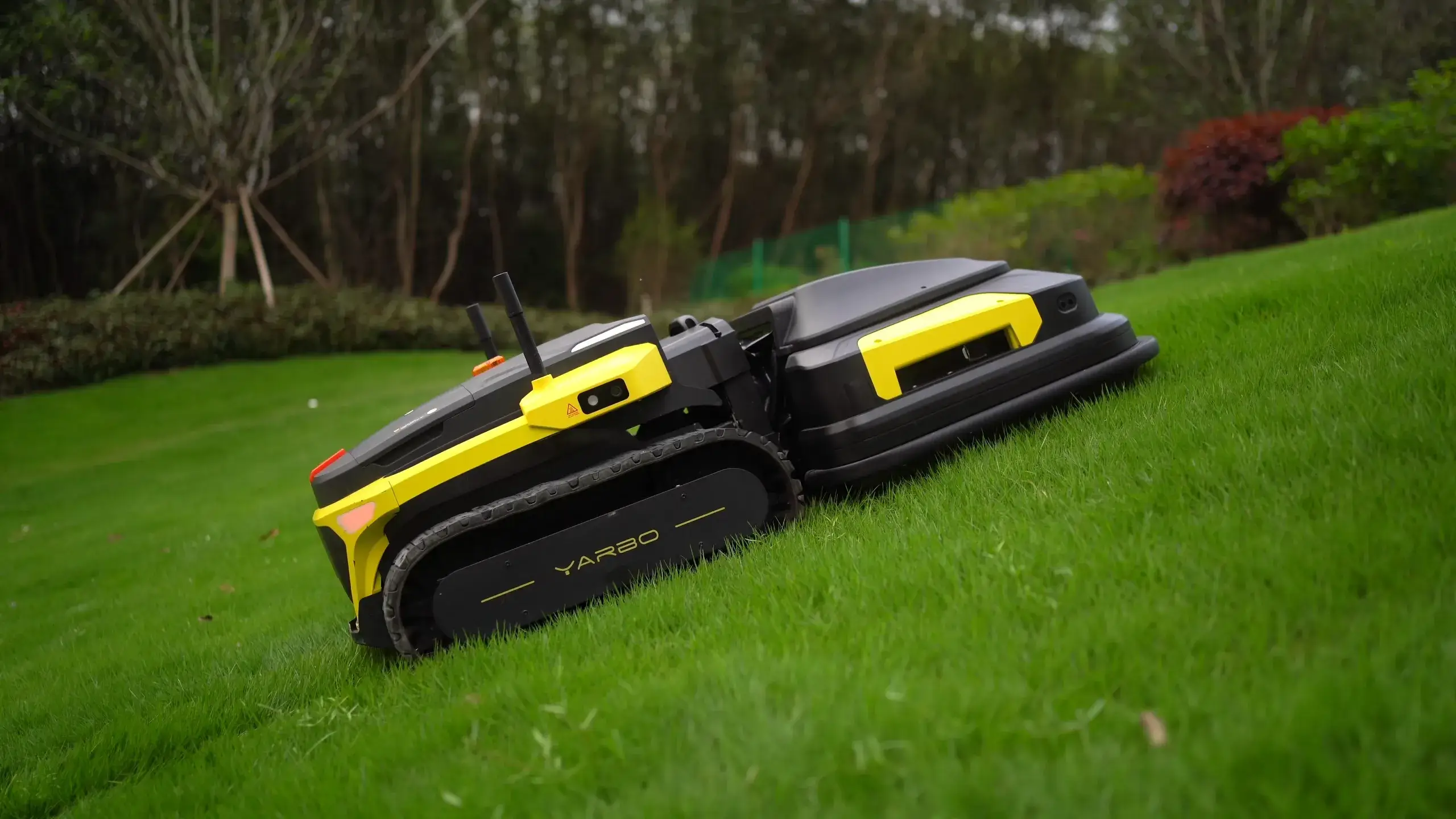
Robotic mowers work best on flat, even lawns. Steep slopes or very rough terrain can cause issues. Mowers may struggle to climb or move smoothly. Rocks, roots, and uneven ground can block or damage the mower. Some models handle gentle slopes, but steep hills remain a challenge.
Initial Cost Considerations
Robotic mowers require a higher upfront investment than traditional ones. The price depends on features and brand quality. Installation may add to the cost, especially if boundary wires are needed. This initial cost can deter some buyers despite future time savings.
Weather Impact
Rain and wet grass can slow down robotic mowers. Most models pause mowing during heavy rain to avoid damage. Wet conditions might cause uneven cuts or slipping. Snow and frost stop operation completely, limiting use to warmer seasons. Proper storage is essential during bad weather.
Credit: www.ecovacs.com
Frequently Asked Questions
How Do Robotic Lawn Mowers Navigate The Yard?
Robotic lawn mowers use sensors and boundary wires to map your yard. They detect obstacles and adjust their path automatically. GPS-enabled models offer more precise navigation and efficient mowing patterns.
What Powers A Robotic Lawn Mower?
Robotic lawn mowers are powered by rechargeable lithium-ion batteries. These batteries provide several hours of operation on a single charge. Charging is usually automatic via a docking station.
How Do Robotic Mowers Avoid Obstacles?
Robotic mowers have built-in sensors to detect objects in their path. When they sense an obstacle, they slow down or change direction. This helps prevent damage to the mower and your property.
Are Robotic Lawn Mowers Safe For Pets And Children?
Yes, robotic lawn mowers have safety features like lift and tilt sensors. These stop the blades immediately if the mower is lifted or tilted. They operate quietly, minimizing disturbance to pets and children.
Conclusion
Robotic lawn mowers cut grass without much work from you. They use sensors and smart programming to move safely. These mowers keep your lawn neat all the time. Quiet and energy-efficient, they work on their own schedule. You save time and effort with this technology.
Understanding how they work helps you choose the right one. A tidy lawn with less hassle is within reach. Simple, smart, and reliable—robotic mowers fit many needs.





