Imagine a world where your weekends are free from the chore of lawn mowing, yet your grass is always perfectly trimmed. Sounds like a dream, right?
With robot lawn mowers, this is your reality. But how do these futuristic garden helpers actually work? You might wonder if they’re worth the investment, or if they can really handle your specific lawn. By the end of this article, you’ll not only understand the magic behind these machines but also how they might just change your life for the better.
Keep reading, and discover the secret to a beautifully maintained lawn without lifting a finger.
Basics Of Robot Lawn Mowers
Understanding the basics of robot lawn mowers can change how you care for your garden. These smart machines take away the hassle of mowing, letting you enjoy a neat lawn without much effort. But how do they actually work, and what makes them tick? Let’s break down their essentials so you can decide if one fits your lawn care routine.
Core Components
Every robot lawn mower relies on a few key parts that work together to keep your grass trimmed:
- Cutting Blades:Small, sharp blades slice the grass evenly. They are designed to work safely and quietly.
- Motors and Wheels:These power the mower and move it across your lawn, adjusting speed and direction as needed.
- Sensors:Sensors detect obstacles like trees or garden furniture, preventing collisions and keeping the mower on track.
- Battery:A rechargeable battery powers the mower, allowing it to work without a cord.
- Boundary Wire:This wire outlines the mowing area. It tells the mower where to stop, keeping it within your lawn’s limits.
- Control System:The brain of the mower, often programmable via an app or control panel, sets schedules and mowing patterns.
Imagine you come home after a busy day to find your lawn already trimmed—thanks to these components working silently while you were away.
Types Of Robot Mowers
Robot mowers come in various types, each suited for different lawn sizes and features:
- Standard Models:Perfect for small to medium lawns, these mowers handle simple layouts and basic grass types.
- Advanced Models:Equipped with GPS and more sensors, these can manage larger, complex gardens with slopes and obstacles.
- Solar-Powered Mowers:These use solar panels to extend battery life, reducing the need for frequent charging.
- Hybrid Models:Combining manual and robotic mowing, these offer flexibility if you want to take control occasionally.
Which type fits your lawn’s needs? Consider the size, terrain, and how much control you want over your mowing schedule.
Navigation And Mapping
Navigation and mapping are the heart of how robot lawn mowers operate efficiently and safely. These smart machines need to understand their surroundings to avoid obstacles, cover the entire lawn, and return to their charging stations without getting lost. How do they manage this complex task? Let’s look at the technologies behind their navigation skills.
Boundary Wires And Sensors
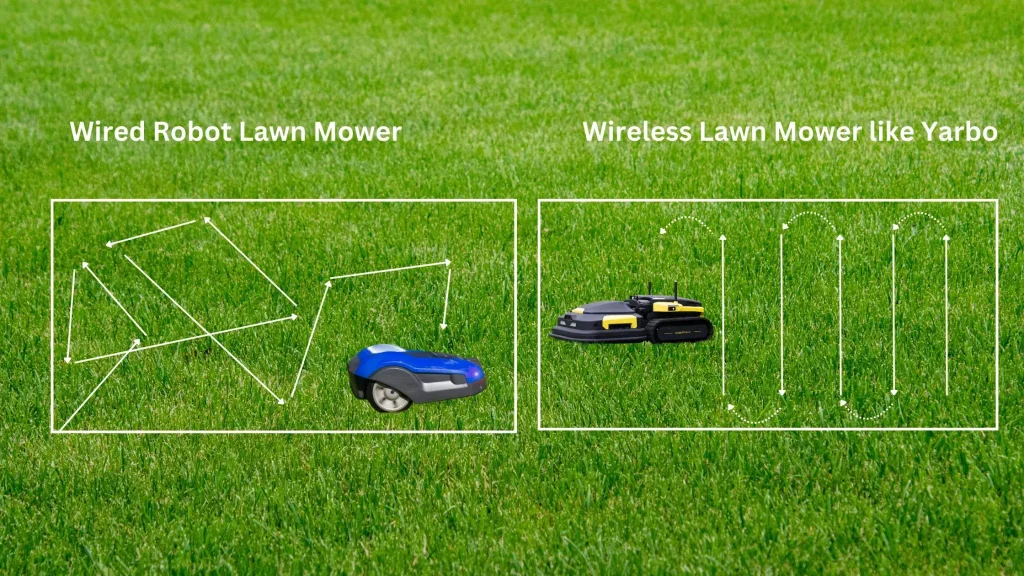
Many robot mowers use boundary wires to define the mowing area. You install these wires around your lawn’s edges and around obstacles like flower beds. The mower detects these wires through built-in sensors and stays within the designated space.
Sensors do more than just detect boundaries. They also help the mower avoid collisions by sensing objects in its path. Some models include bump sensors that stop the mower immediately when it hits something unexpected.
This combination of boundary wires and sensors ensures your robot mower doesn’t wander into flower beds or neighbor’s yards. Have you ever worried about your mower damaging delicate plants? This system offers a practical solution.
Gps And Advanced Mapping
Higher-end robot mowers go beyond boundary wires by using GPS technology for precise navigation. GPS helps the mower create an accurate map of your lawn. This allows it to mow in systematic patterns rather than random movements.
Advanced mapping also means the mower can remember where it has already cut, reducing unnecessary passes. Some models even adjust their route based on grass growth patterns or obstacles that appear after the initial setup.
Imagine having a mower that learns your lawn’s unique layout and adapts over time. Wouldn’t that save you more energy and give you a consistently neat yard? GPS and smart mapping bring that level of intelligence to your lawn care.
Cutting Mechanisms
The cutting mechanisms of robot lawn mowers are the heart of their operation. They determine how efficiently and cleanly your grass gets trimmed without any manual effort. Understanding these mechanisms can help you choose the right mower and maintain it for optimal performance.
Blade Types
Robot lawn mowers use different types of blades depending on the model and lawn size. The most common are rotary blades, which spin rapidly to slice grass evenly. These blades are usually very sharp and require less power, making them ideal for small to medium lawns.
Some models feature multiple small blades arranged on a disk. These blades rotate horizontally and cut grass in a scissor-like motion. This design helps achieve a precise cut and reduces damage to the lawn.
Have you ever noticed how a dull blade leaves your lawn looking ragged? Keeping blades sharp is crucial for a clean cut and healthy grass growth. You should check your mower’s blades regularly and replace them when they become dull or damaged.
Height Adjustment Features
Height adjustment is a key feature that lets you control how short or tall your grass stays. Robot mowers offer either manual or automatic height adjustments, depending on their sophistication.
Manual adjustment usually involves lifting the mower and setting the blade height with a lever or dial. This method is simple but requires you to remember to change the setting as seasons or grass types change.
Automatic height adjustment is more convenient and precise. Sensors detect the grass length or ground level and adjust the blade height accordingly. This feature ensures your lawn stays consistent, even if you forget to tweak the settings.
Think about how often your lawn’s needs change through the year. Wouldn’t it be easier if your mower adapted itself? Choosing a model with height adjustment that fits your routine can save you time and hassle while keeping your lawn looking its best.
Credit: www.ecovacs.com
Power And Charging
Power and charging are key to how robot lawn mowers operate. These machines run on batteries that store energy for cutting grass. They need to recharge often to keep working without interruption. Smart charging systems help the mower manage its energy efficiently, saving time and effort for users.
Battery Technology
Most robot lawn mowers use lithium-ion batteries. These batteries hold a lot of power in a small size. They last longer than older battery types. Lightweight batteries make the mower easy to move and quiet during operation. Battery capacity affects how long the mower can cut grass before needing a recharge.
Charging Stations And Scheduling
Robot mowers return to a charging station when their battery runs low. The station connects to a power source and charges the mower automatically. Some models schedule charging times to avoid working during rain or night. Scheduling helps maintain a healthy battery life and ensures the lawn stays tidy.
Safety Features
Safety features are crucial in robot lawn mowers to protect people, pets, and property. These mowers operate without constant supervision, so built-in safety systems prevent accidents. Smart technology helps the mower respond to its environment.
Obstacle Detection
Robot mowers use sensors to detect objects in their path. These sensors stop the blades immediately when something blocks the mower. This prevents damage to plants, garden furniture, and pets. The mower changes direction to avoid obstacles and continues mowing safely.
Rain Sensors And Emergency Stops
Rain sensors pause mowing during wet weather to protect the lawn and mower. Wet grass can cause slipping or uneven cutting. Emergency stop buttons allow users to stop the mower quickly in urgent situations. These stops are easy to access and instantly cut power to the blades for safety.

Credit: www.youtube.com
Smart Connectivity
Smart connectivity is what transforms a simple robot lawn mower into a convenient, hands-off gardening assistant. It lets you control and monitor your mower from anywhere, making lawn care fit seamlessly into your busy life. With this technology, you gain more than just automation—you get flexibility and peace of mind.
App Control And Monitoring
Most robot lawn mowers come with dedicated apps that put full control at your fingertips. You can start, stop, or schedule mowing sessions right from your smartphone. This means you don’t need to be home to manage your lawn care.
The app also provides real-time updates about the mower’s status and battery life. Imagine getting a notification if your mower gets stuck or leaves the designated area. This feature saves you time and prevents potential damage to your garden.
Some apps even let you adjust cutting height or set virtual boundaries without physically moving wires. This level of control makes it easy to customize the mower’s operation to your lawn’s unique needs.
Integration With Smart Home Systems
Robot lawn mowers that connect with smart home systems take convenience a step further. They can sync with devices like Amazon Alexa or Google Assistant, letting you use voice commands to control your mower. Have you ever tried telling your mower to start while cooking dinner?
Integration also allows your mower to work in harmony with other smart devices. For example, it can pause mowing when your smart sprinkler system activates to avoid wet grass. This coordination helps maintain your lawn’s health and prevents unnecessary wear on the mower.
Additionally, smart home integration enables scheduling based on your calendar or weather forecasts. Your mower can avoid working during rain or when you have guests over, making lawn maintenance less intrusive.
Maintenance Tips
Proper maintenance keeps your robot lawn mower running smoothly. It extends the mower’s life and improves cutting quality. Regular care prevents breakdowns and saves repair costs. Simple tasks done right can make a big difference.
Blade Replacement
Sharp blades cut grass cleanly and evenly. Replace blades when they become dull or damaged. Use the correct blade type made for your model. Turn off the mower and disconnect power before changing blades. Check blades for balance to avoid vibration. Tighten screws firmly to secure the blades in place.
Cleaning And Storage
Clean the mower after each use to remove grass and dirt. Use a soft brush or cloth to wipe surfaces gently. Avoid water on electrical parts to prevent damage. Store the mower in a dry, shaded spot to protect it from weather. Remove the battery if storing for a long time. Check the mower for wear and tear before storage.

Credit: robotlawnmower.nz
Benefits Of Robot Lawn Mowers
Robot lawn mowers offer a range of benefits that make lawn care easier and more efficient. They not only save you time but also reduce the environmental impact compared to traditional lawn maintenance methods. Understanding these benefits can help you decide if a robot mower fits your lifestyle and values.
Time And Effort Savings
Imagine not having to push a mower around your yard on weekends or after work. Robot lawn mowers handle the job automatically, freeing up your time for other activities. You simply set the schedule, and the mower does the rest, even navigating around obstacles.
Many users report that their lawns look consistently better because robot mowers cut grass frequently. This means your lawn stays neat without the effort of manual mowing. Have you ever thought about how much time you spend maintaining your yard each month?
Environmental Impact
Robot mowers run on electricity, which means no gas emissions while they operate. This reduces air pollution compared to traditional gas-powered mowers. Also, they tend to cut the grass in small amounts regularly, which encourages healthier grass growth without stressing the plants.
Because they cut so often, clippings are small and left on the lawn as natural fertilizer. This reduces the need for chemical fertilizers and lowers waste. If you care about making your yard more eco-friendly, a robot mower could be a smart choice.
Frequently Asked Questions
How Do Robot Lawn Mowers Navigate My Yard?
Robot lawn mowers use boundary wires and sensors to map your yard. They detect obstacles and adjust their path automatically. This technology ensures efficient and safe mowing without human intervention.
What Powers A Robot Lawn Mower?
Most robot lawn mowers run on rechargeable lithium-ion batteries. These batteries provide hours of operation on a single charge. Charging is automatic when the mower returns to its docking station.
Are Robot Lawn Mowers Safe To Use?
Yes, robot lawn mowers have built-in safety features like lift and tilt sensors. They stop the blades immediately if lifted or tilted. This minimizes the risk of accidents during operation.
How Do Robot Mowers Handle Uneven Terrain?
Robot mowers are designed with flexible wheels and sensors to handle slopes and bumps. They adjust blade height and speed to maintain an even cut on uneven ground. This ensures a neat lawn finish.
Conclusion
Robot lawn mowers cut grass quietly and on their own. They follow set paths using sensors and boundaries. These machines save time and effort in yard work. You just set them up and let them run. Regular use keeps your lawn neat and healthy.
They work best on flat, obstacle-free lawns. Maintenance is simple and does not take long. Choosing the right mower depends on your yard size. Understanding how they work helps you use them well. Robot mowers offer a smart way to care for grass.





