Do you ever wonder how the lawn mower in your garage turns an unruly patch of grass into a neat, green carpet? It’s not magic, but understanding its mechanics can feel like unlocking a secret.
Whether you’re a curious homeowner or a budding gardener, knowing how lawn mowers work can help you maintain your equipment better and make informed choices when purchasing a new one. We’ll break down the workings of these essential gardening tools in simple terms.
You’ll discover the fascinating process that happens between pulling the starter cord and seeing your lawn transform. Ready to become a lawn mower expert? Keep reading to uncover the inner workings of your trusty grass-grooming ally.
Types Of Lawn Mowers
Choosing the right lawn mower can change how you feel about yard work. Different types of lawn mowers suit different lawn sizes, terrains, and personal preferences. Understanding these options helps you pick the one that fits your needs and saves you time and effort.
Push Mowers
Push mowers are great for small to medium-sized lawns. You walk behind the mower, pushing it forward to cut the grass. They come in two main types: manual reel mowers and powered gas or electric mowers.
Manual reel mowers are quiet and eco-friendly but require more physical effort. Powered push mowers make the job easier, especially on thicker grass. If your yard has tight spaces or flower beds, a push mower offers better control and maneuverability.
Riding Mowers
Riding mowers are designed for larger lawns where pushing a mower would be tiring. You sit on the mower and drive it, making it easier to cover a lot of ground quickly. These machines often come with adjustable cutting heights and extra features like bagging grass clippings.
Think about your lawn size and shape. If you have hills or uneven terrain, a riding mower with good traction will make the job safer and more comfortable. Plus, you can add attachments like snow plows or trailers for extra yard work tasks.
Robotic Mowers
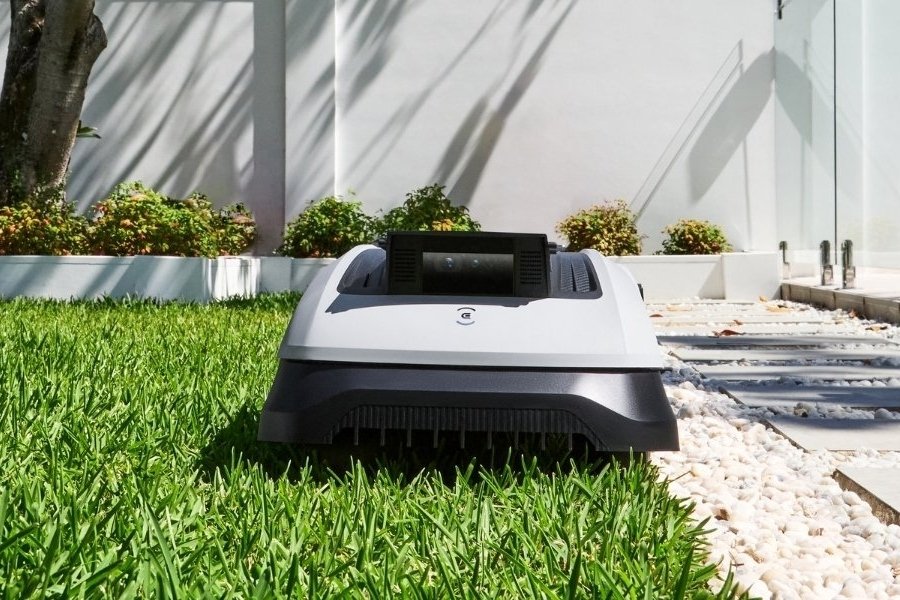
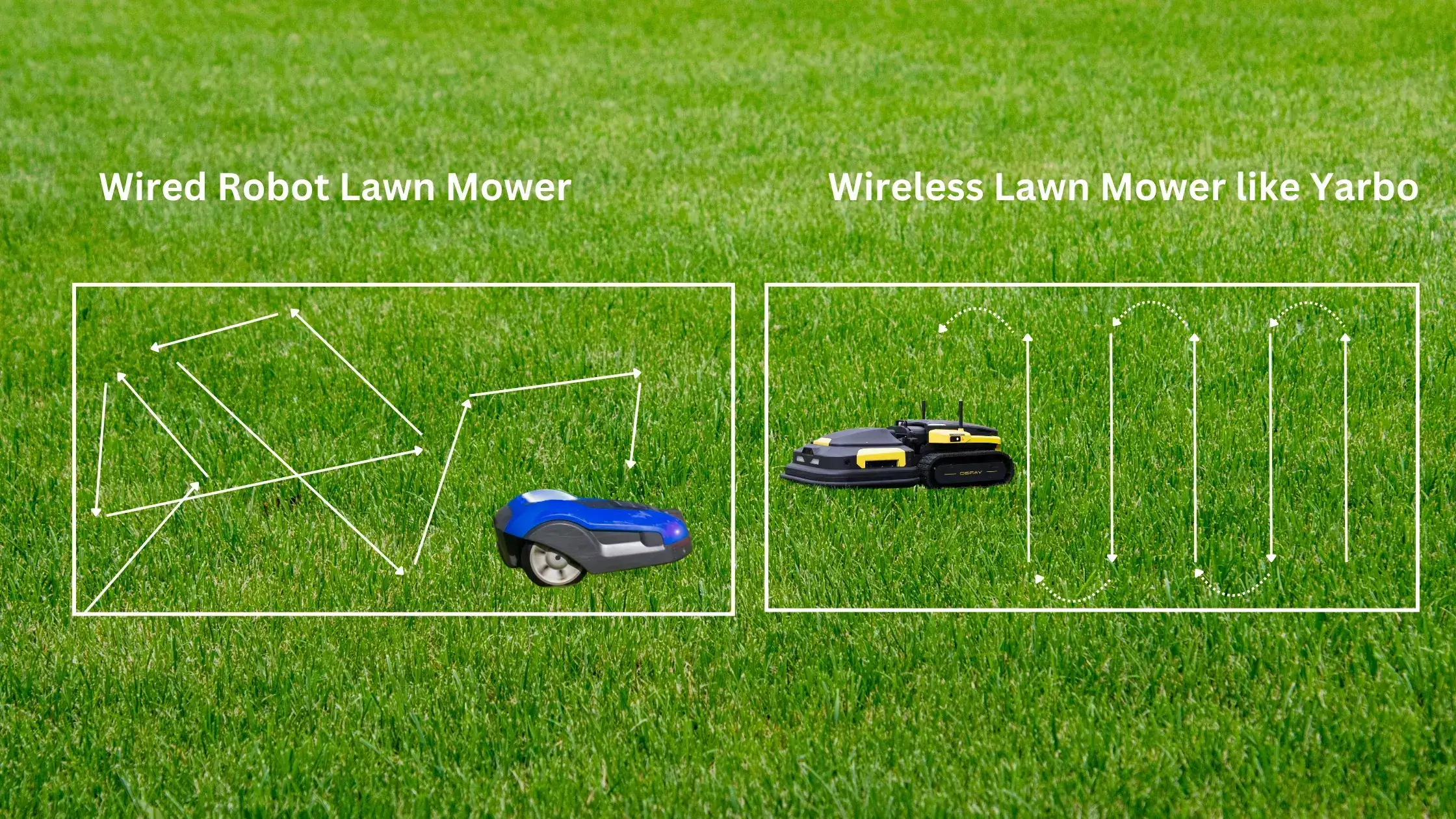
Robotic mowers bring automation to lawn care, cutting grass on their own according to a schedule you set. They navigate around obstacles and return to their charging station when done or low on power. This type is perfect if you want to save time or have mobility issues.
While robotic mowers are an investment, they can maintain your lawn regularly without you lifting a finger. Have you considered how much time you could free up with one? Just remember to set boundary wires correctly and keep an eye on the mower during its initial runs.
Credit: www.ecovacs.com
Core Components
Understanding the core components of a lawn mower helps you maintain it better and choose the right model for your yard. Each part plays a crucial role in how effectively and efficiently your mower cuts grass. Let’s break down the essentials that keep your mower running smoothly.
Blades
Blades are the heart of your lawn mower. They spin rapidly to slice through grass, giving your lawn a clean, even cut.
Different blades serve different purposes—some are designed for mulching, while others are better at bagging clippings. Have you noticed how a dull blade tears grass rather than cutting it? That’s a sign it’s time for sharpening or replacement.
Engines And Motors
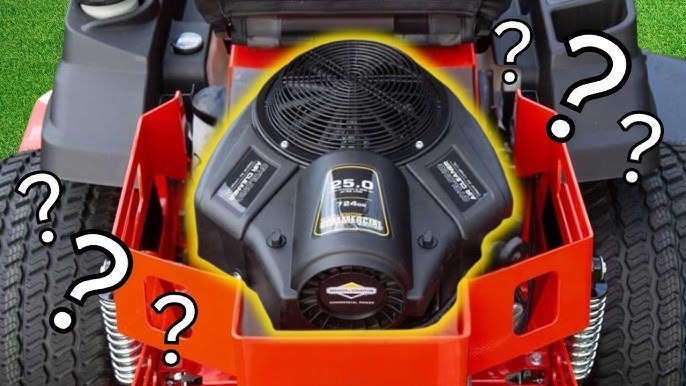
The engine or motor powers the blades and other moving parts. Gas-powered engines are common for larger lawns, offering strong performance and longer run times.
Electric motors, whether corded or battery-operated, are quieter and require less maintenance. Think about how often you mow and the size of your lawn when choosing between gas and electric. Which one fits your routine better?
Wheels And Drive Systems
Wheels help you move the mower across the lawn, but the drive system determines how much effort you need to put in.
- Push mowers:You supply all the power by pushing the mower forward.
- Self-propelled mowers:These have a drive system that powers the wheels, making it easier to mow large or hilly areas.
Consider the terrain of your yard. Would a self-propelled mower save you energy, or is a simple push mower enough for your needs?
Cutting Mechanism
The cutting mechanism is the heart of any lawn mower. It directly affects how cleanly and efficiently your grass is trimmed. Understanding how this part works can help you choose the right mower and maintain it better.
Blade Rotation
The blade spins rapidly to slice through grass. Most lawn mowers use a horizontal blade that rotates at high speed just above the ground. This fast movement creates a sharp cutting edge, which helps achieve a smooth and even cut.
Have you ever noticed how a dull blade tears grass rather than cuts it? That’s because sharp blades create a clean cut, promoting healthier lawn growth. Keeping your blades sharp is essential for a neat finish.
Height Adjustment
Adjusting the cutting height lets you control how short or long your grass remains after mowing. Many mowers have a lever or knob that raises or lowers the blade deck. This flexibility is useful depending on the season or type of grass you have.
Think about the last time you set the height too low. Did your lawn look uneven or stressed afterward? Choosing the right height helps your lawn stay strong and resist weeds.
Grass Collection
After cutting, the mower needs to handle the clippings effectively. Some mowers come with a grass catcher bag attached to collect clippings, while others mulch them back into the lawn. Both methods have their pros and cons depending on your lawn care goals.
- Using a catcher keeps the lawn tidy and reduces thatch build-up.
- Mulching returns nutrients to the soil but may require more frequent mowing.
What’s your preference when it comes to grass collection? Understanding this part of the cutting mechanism can save you time and improve your lawn’s health.

Credit: www.nytimes.com
Power Sources
Understanding the power source of your lawn mower is key to choosing the right model for your yard. Each type offers unique benefits and challenges that affect how you maintain your lawn and the environment around you. Let’s look closely at how these power sources work and what they mean for your mowing experience.
Gasoline Engines
Gasoline engines have been the traditional heart of lawn mowers for decades. They provide strong power and are ideal for large yards or tough grass because they can run continuously without needing to recharge.
However, these engines require regular maintenance such as oil changes, air filter cleaning, and spark plug replacements. They also produce emissions and noise, which might be a concern if you live in a quiet neighborhood.
Have you ever thought about how much time you spend maintaining your mower versus actually mowing? Gasoline engines demand attention but reward you with raw power and long run times.
Electric Motors
Electric mowers are powered by a cord plugged into an outlet, offering a quieter and cleaner alternative to gasoline models. They are perfect if your lawn is small and you have easy access to power outlets.
These mowers require less maintenance since there’s no need for oil changes or fuel mixing. But you must be mindful of the cord length and avoid running over it, which can interrupt your work unexpectedly.
Imagine mowing your lawn without the loud roar of an engine. Electric motors provide a peaceful experience, but you must plan your mowing route carefully to stay connected to power.
Battery Power
Battery-powered mowers blend the convenience of electric motors with the freedom of cordless operation. Advances in lithium-ion batteries mean many models now offer enough power to handle medium-sized lawns efficiently.
You’ll appreciate the lightweight design and quiet operation. Still, battery life limits your mowing time, and you’ll need to recharge batteries between uses or have spares ready.
How much do you value mobility and ease during mowing? Battery-powered mowers let you move freely without cords, making them a great choice if your yard has many obstacles or uneven terrain.
Safety Features
Understanding the safety features of lawn mowers is crucial for anyone handling this powerful tool. These features are designed to protect you from accidents and ensure smooth operation. Knowing how they work can help you use your mower confidently and responsibly.
Blade Guards
Blade guards act as a physical barrier between the spinning blades and your hands or feet. They reduce the risk of accidental cuts by covering the sharp edges when the mower is in use or at rest. Some models even have adjustable guards, allowing you to mow close to fences or garden beds without compromising safety.
Have you ever accidentally kicked a rock while mowing? Blade guards help prevent debris from flying toward you, minimizing injury risks. Always check that your blade guard is securely in place before starting your mower.
Automatic Shutoff
Automatic shutoff is a lifesaver feature that stops the blade from spinning as soon as you release the handle or step away. This quick response can prevent serious injuries if you lose grip or need to pause suddenly. It’s like having an invisible safety net that reacts immediately to your movements.
Imagine mowing your lawn and tripping on uneven ground. The mower’s blade stops instantly, reducing potential harm. Does your mower have this feature? If not, consider upgrading for safer operation.
Operator Controls
Operator controls give you full command over the mower’s operation, including starting, stopping, and speed adjustments. Many mowers feature two-handed controls that require both hands to be on the handles to run, keeping your hands away from the blades. This design prevents accidental activation when you’re not ready.
Some models also come with safety switches or levers that must be engaged for the mower to work. These controls add layers of security, ensuring the mower only runs when you intend it to. Are you familiar with all the controls on your mower? Taking time to learn them can make a big difference in safety.
Maintenance Tips
Proper maintenance keeps your lawn mower running smoothly and lasts longer. Regular care prevents breakdowns and improves cutting performance. Small tasks done often save money and effort over time.
Blade Sharpening
Dull blades tear grass instead of cutting it cleanly. This can cause lawn damage and uneven cuts. Sharpen blades at least twice a season for the best results. Use a file or a grinding tool to restore the edge. Always disconnect the spark plug before working on blades for safety.
Engine Care
Clean air filters help the engine breathe and run well. Replace filters yearly or after heavy use. Change the oil every 25 hours of operation to avoid engine wear. Check the spark plug and replace it if it looks worn. Proper fuel storage also protects the engine from damage.
Cleaning And Storage
Remove grass clippings and debris after every use to prevent clogging. Use a brush or hose to clean under the deck. Store the mower in a dry, sheltered place to avoid rust. Before winter, drain the fuel or add a fuel stabilizer. Cover the mower to keep dust and moisture away.
Innovations In Lawn Mowers
Lawn mowers have evolved a lot over the years. New designs and features make mowing easier and more efficient. Innovations focus on technology, environment, and user comfort. These changes help save time and energy while keeping lawns neat.
Smart Technology
Modern lawn mowers include smart features that improve control and safety. Some models use sensors to avoid obstacles. Others connect to smartphones for easy operation. GPS tracking helps map your lawn for precise mowing. Smart technology reduces effort and increases accuracy.
Eco-friendly Designs
Eco-friendly lawn mowers reduce pollution and energy use. Electric and battery-powered mowers replace gas engines. They produce no harmful fumes and need less maintenance. Solar-powered chargers extend battery life using sunlight. These designs protect the environment and lower running costs.
Noise Reduction
Noise levels in lawn mowers have dropped significantly. Engineers use quieter motors and better blade design. Soundproof covers reduce engine noise. Electric mowers are much quieter than gas ones. Lower noise means less disturbance to neighbors and pets.
Credit: www.yarbo.com
Frequently Asked Questions
How Does A Lawn Mower Cut Grass Effectively?
A lawn mower cuts grass using sharp rotating blades powered by an engine or motor. The blades slice the grass evenly for a neat lawn appearance.
What Powers Different Types Of Lawn Mowers?
Lawn mowers can be powered by gasoline engines, electric motors, or batteries. Gas models offer more power, while electric ones are quieter and eco-friendly.
Why Is Blade Sharpness Important In Lawn Mowers?
Sharp blades ensure clean cuts, promoting healthy grass growth. Dull blades tear grass, causing brown tips and increasing vulnerability to disease.
How Do Self-propelled Lawn Mowers Work?
Self-propelled mowers use an engine to drive wheels, reducing user effort. This feature helps mow larger lawns with less physical strain.
Conclusion
Lawn mowers cut grass by spinning sharp blades quickly. The engine powers the blades to move. Different types use gas, electricity, or batteries. You guide the mower to trim your lawn evenly. Knowing how they work helps you use them safely.
Regular care keeps your mower running well. A neat lawn looks nice and feels good. Simple tools can do a big job. Understanding your mower makes lawn care easier.





