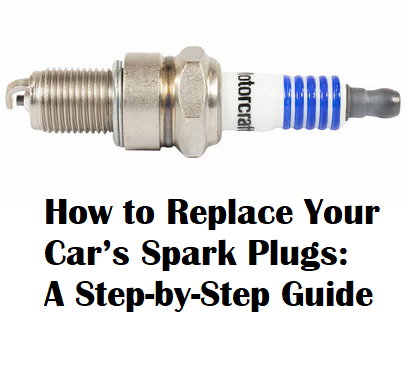
Are your car’s spark plugs trying to tell you something? You might not realize it, but these tiny components play a crucial role in keeping your engine running smoothly.
Ignoring their signals can lead to poor performance, decreased fuel efficiency, and even engine damage. But how do you know when it’s time to replace them? In this guide, we’ll uncover the telltale signs that your spark plugs are due for a change.
By the end of this article, you’ll have the knowledge to keep your vehicle in peak condition and avoid costly repairs. Keep reading to discover the key indicators that it’s time for new spark plugs, and ensure your car remains the reliable companion you depend on.
Credit: modernautoparts.co.za
Signs Of Worn Spark Plugs
Worn spark plugs affect your car’s performance and fuel use. They cause problems that are easy to notice. Catching these signs early helps avoid bigger repairs. Here are key signs your spark plugs may need replacing.
Engine Misfires
Engine misfires feel like sudden jerks or pauses. This happens when spark plugs fail to ignite fuel properly. Misfires reduce power and can damage the engine over time.
Poor Fuel Economy
Bad spark plugs cause your car to use more fuel. The engine burns fuel less efficiently. You may notice more trips to the gas station than usual.
Difficulty Starting Engine
Old spark plugs make your car hard to start. The engine struggles to create a strong spark. This leads to longer cranking times or failure to start.
Rough Idling
When your car idles roughly, spark plugs could be the cause. The engine runs unevenly or shakes at low speeds. This shows the plugs are not firing evenly.
Visual Inspection Tips
Visual inspection of spark plugs reveals many clues about their condition. It helps decide if replacement is necessary. Simple checks save time and prevent engine issues. A careful look at the spark plug’s parts shows signs of wear and contamination. This section explains key visual inspection tips to identify spark plug problems.
Checking Electrode Wear
The electrode is the spark plug’s core part. Check if it looks rounded or eroded. Sharp edges and flat surfaces should be clearly visible. Worn electrodes cause weak sparks and poor engine performance. Measure the gap between electrodes with a feeler gauge. A gap wider than recommended means the spark plug is worn out.
Examining Carbon Deposits
Carbon buildup appears as black, dry soot on the spark plug tip. Light deposits are normal but thick layers indicate incomplete combustion. Heavy carbon deposits can cause misfires and rough idling. Clean the plug or replace it if deposits cover the electrodes and insulator. Persistent carbon deposits may signal engine running too rich or air filter problems.
Looking For Oil Contamination
Oil on the spark plug tip looks wet and shiny, different from dry carbon. Oil contamination causes misfires and poor fuel economy. It often means worn piston rings or valve guides leaking oil. Check the insulator and electrodes for oily residue. Replace spark plugs affected by oil to restore engine function and prevent damage.
Mileage And Replacement Intervals
Knowing the right time to replace spark plugs helps keep your engine running smoothly. Mileage and replacement intervals guide this decision. Spark plugs wear out over time, affecting performance and fuel efficiency. Following the correct schedule avoids engine problems and costly repairs.
Manufacturer Recommendations
Car makers provide specific spark plug replacement intervals. These vary by vehicle model and engine type. Common intervals range from 30,000 to 100,000 miles. Check the owner’s manual for exact details. Using the recommended plugs ensures better engine health.
Effects Of Driving Conditions
Driving habits influence spark plug life. Short trips and stop-and-go traffic cause faster wear. High-speed or long-distance driving may extend plug life. Harsh environments like dusty or wet areas also impact performance. Adjust replacement timing based on your driving style and conditions.
Impact On Vehicle Performance
Understanding how worn spark plugs affect your vehicle’s performance can save you from unexpected breakdowns and costly repairs. Spark plugs play a crucial role in igniting the fuel-air mixture inside the engine. When they start failing, the impact on your vehicle’s efficiency and drivability becomes noticeable quickly.
Acceleration Issues
Have you ever felt your car hesitate or jerk when pressing the gas pedal? This is often a sign of spark plug trouble. Worn plugs struggle to ignite the fuel properly, causing delayed or uneven acceleration.
You might notice your vehicle takes longer to speed up, especially when merging onto highways or climbing hills. This lag can frustrate you and even become dangerous in traffic. Checking your spark plugs can fix this issue and restore smooth acceleration.
Engine Power Loss
Does your engine feel weaker than usual? Diminished engine power often points to spark plugs that need replacing. Faulty plugs cause incomplete combustion, reducing the energy your engine produces.
You’ll see this most when driving uphill or carrying heavy loads. The engine may sound rough or struggle to maintain speed. Swapping out old spark plugs can bring back the full power your car is meant to deliver.
Increased Emissions
Are you worried about your vehicle failing an emissions test? Bad spark plugs can lead to higher exhaust emissions because they don’t burn fuel efficiently. This inefficiency increases pollutants like carbon monoxide and unburned hydrocarbons.
Besides environmental harm, increased emissions can affect your car’s fuel economy. Addressing spark plug wear helps your engine burn cleaner and saves you money at the pump. Have you checked if your spark plugs are causing your car to pollute more than it should?
Tools And Techniques For Testing
Knowing when to replace your spark plugs can save you from unexpected car troubles and improve fuel efficiency. To figure this out, you need the right tools and techniques for testing. These methods help you check the condition of your spark plugs without guessing, ensuring your engine runs smoothly.
Using A Spark Plug Tester
A spark plug tester is a handy tool that lets you see if your spark plug is firing properly. You simply connect the tester between the spark plug and ignition wire, then crank the engine. If you see a strong, blue spark, your plug is working well; a weak or no spark means it’s time for a replacement.
I once tested a plug that looked fine but showed no spark on the tester. Replacing it fixed my engine’s rough start immediately. This tool removes any guesswork from the process.
Checking Gap Size
The gap between the spark plug electrodes plays a crucial role in ignition. Use a gap gauge to measure this space and compare it to your vehicle’s specifications. If the gap is too wide or too narrow, the spark plug may misfire or perform inefficiently.
Adjusting the gap yourself can extend the life of your spark plugs, but if it’s worn down or damaged, replacement is the safer choice. Have you checked your plug’s gap recently?
When To Consult A Mechanic
Not every spark plug issue is straightforward. If your engine struggles despite testing and adjusting plugs, or if you’re unsure about handling tools, it’s wise to consult a mechanic. Complex problems like engine misfires or deep carbon deposits might need professional attention.
Trusting a mechanic can save you time and prevent costly mistakes. Are you confident in diagnosing your spark plugs, or do you prefer expert advice?

Credit: www.reddit.com

Credit: www.acg.aaa.com
Frequently Asked Questions
How Often Should Spark Plugs Be Replaced?
Spark plugs typically last 30,000 to 100,000 miles. Check your vehicle manual for specific intervals. Replace them when performance drops or misfires occur.
What Are Signs Of Worn-out Spark Plugs?
Common signs include engine misfires, poor fuel economy, rough idling, and difficulty starting. If you notice these, inspect or replace spark plugs promptly.
Can Bad Spark Plugs Cause Engine Problems?
Yes, faulty spark plugs can cause misfires, reduced power, and increased emissions. Replacing them ensures smooth engine performance and better fuel efficiency.
How To Check Spark Plugs Condition?
Remove the spark plug and inspect for deposits, wear, or damage. A healthy plug has a light tan color; black or oily plugs need replacement.
Conclusion
Spark plugs wear out over time and affect engine performance. Watch for signs like rough idling, poor fuel economy, or trouble starting. Regular checks help catch problems early and keep your car running smoothly. Replace spark plugs as recommended in your vehicle’s manual to avoid damage.
Taking simple steps now saves money and stress later. Stay attentive to your car’s needs for a safer, smoother drive.





