If you’ve ever wondered about the right time to change your spark plugs, you’re not alone. Many car owners find themselves asking this very question.
Spark plugs are small but mighty components that play a crucial role in keeping your engine running smoothly. Ignoring them could lead to bigger, more expensive problems down the road. But how do you really know when it’s time for a change?
You’ll discover the telltale signs that your spark plugs are due for a replacement. Understanding these signs can save you money, improve your car’s performance, and keep you safer on the road. So, if you want to keep your vehicle in top shape and avoid costly repairs, keep reading to learn everything you need to know about spark plug maintenance.

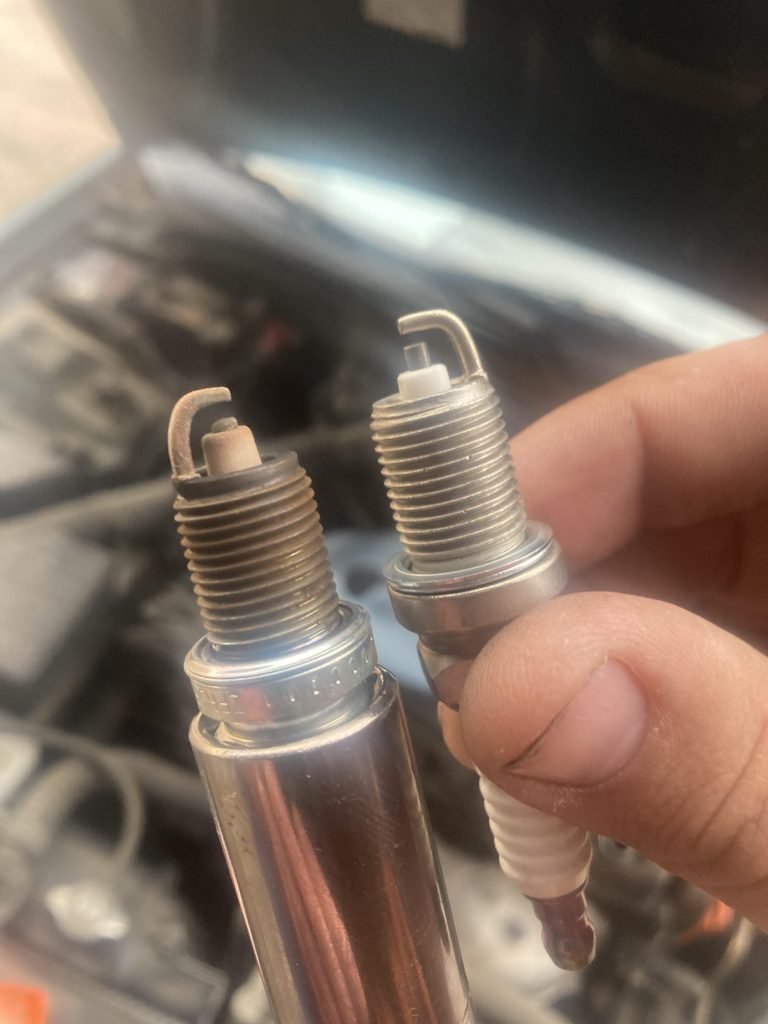
Credit: www.reddit.com
Symptoms Of Worn Spark Plugs
Worn spark plugs can silently affect your car’s performance before you even notice. Recognizing the symptoms early helps you avoid costly repairs and keeps your engine running smoothly. If you’ve felt your ride isn’t quite right lately, check out these common signs that your spark plugs might need changing.
Engine Misfires
Have you experienced sudden jerks or pauses while driving? Engine misfires often happen when spark plugs fail to ignite the fuel-air mixture properly. This can cause your engine to stutter, especially under load or during acceleration, signaling that your spark plugs might be worn out.
Reduced Fuel Efficiency
If you’ve noticed you’re filling up your tank more often, worn spark plugs could be the culprit. They cause incomplete combustion, meaning your engine burns more fuel to produce the same power. Paying attention to fuel economy can save you money and point you toward a needed spark plug replacement.
Difficulty Starting The Engine
Struggling to start your car, especially on cold mornings? Worn spark plugs can make ignition harder, requiring multiple attempts or longer cranking times. If your engine sounds sluggish at startup, it’s time to inspect those plugs.
Rough Idling
Does your engine shake or vibrate when idling? Rough idling often indicates inconsistent firing from spark plugs. You might feel the car shudder or notice fluctuating engine speed, both signs that your spark plugs need attention.
Poor Acceleration
Notice a lag when you press the gas pedal? Poor acceleration can result from spark plugs that don’t deliver consistent sparks. This means your engine isn’t getting the power it needs, which can impact your driving experience and safety.
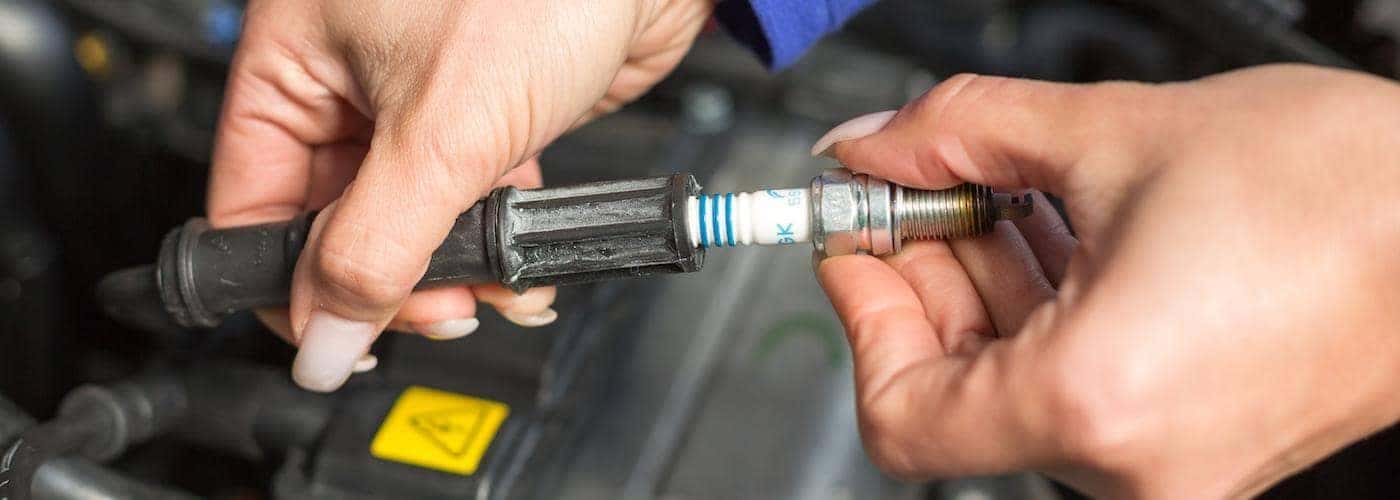
Credit: www.terrylabontechevy.com
Visual Inspection Tips
Visual inspection of spark plugs helps find early problems. This simple check can save time and money. Use a clean cloth to wipe the spark plug before checking. Look closely at each part for signs of wear or damage. This process helps decide if the spark plug needs replacement.
Checking Electrode Wear
Electrodes wear down with use. Check if the gap between electrodes is too wide. A worn electrode looks rounded or thin. Too much wear lowers the spark quality. Replace spark plugs if electrodes look damaged or very worn.
Signs Of Carbon Deposits
Black, dry soot on the spark plug shows carbon deposits. This buildup stops good sparks. Carbon deposits can cause engine misfires and rough idling. Cleaning may help, but heavy deposits mean it is time to change the spark plug.
Detecting Oil Fouling
Oil fouling appears as wet, oily deposits on the spark plug. This means oil is leaking into the combustion chamber. Oil fouling causes poor engine performance and hard starts. Replace spark plugs if oil fouling is visible to avoid engine damage.
Cracks And Damage
Look for cracks on the ceramic insulator or broken parts. Cracks allow sparks to escape. Broken spark plugs cause engine misfires and low power. Always replace spark plugs with visible cracks or damage for safe engine operation.
Manufacturer Recommendations
Manufacturer recommendations provide the most reliable guidance on when to change your spark plugs. These guidelines are based on extensive testing and are tailored to your vehicle’s specific engine design. Ignoring them can lead to poor engine performance or even damage over time.
Mileage Intervals
Most manufacturers suggest changing spark plugs at specific mileage intervals. This can range from 30,000 to 100,000 miles depending on your vehicle and spark plug type. Checking these intervals helps you avoid premature wear and keeps your engine running smoothly.
For example, some newer cars with iridium or platinum spark plugs may last up to 100,000 miles, while older vehicles with copper plugs often require replacement closer to 30,000 miles. Have you ever wondered why your car might stall or hesitate? It could be time to check those plugs based on mileage.
Spark Plug Types
The type of spark plug your vehicle uses directly affects how often you should replace them. Copper plugs wear out faster but cost less, while platinum and iridium plugs last longer but come with a higher price tag. Knowing which type your car requires lets you plan maintenance more effectively.
- Copper:Typically replaced every 20,000 to 30,000 miles
- Platinum:Often lasts around 60,000 miles
- Iridium:Can last up to 100,000 miles
Using the wrong type or ignoring the lifespan can lead to decreased fuel efficiency and rough engine idling. What type does your car use, and are you following the right replacement schedule?
Using The Owner’s Manual
Your vehicle’s owner’s manual is the most trustworthy source for spark plug replacement intervals and specifications. It includes detailed information on the recommended spark plug type and exact mileage or time between changes. Checking your manual before buying parts saves you from costly mistakes.
When I once neglected the manual and bought generic plugs, my engine performance dropped noticeably. Following the manufacturer’s instructions ensured I got the right plugs for my car’s needs. Do you keep your owner’s manual handy for maintenance tasks?
Tools For Spark Plug Testing
Knowing when to change your spark plugs starts with accurate testing. The right tools can save you time and money by pinpointing problems early. These tools let you check spark plug condition, performance, and even the engine’s health. Let’s look at some essentials you can use to test spark plugs effectively.
Spark Plug Gap Gauge
A spark plug gap gauge measures the distance between the center and ground electrode. This gap is crucial for proper ignition and engine efficiency. If the gap is too wide or too narrow, your engine may misfire or run poorly.
Using a gap gauge is simple: slide the tool between the electrodes to see if the gap matches the manufacturer’s specifications. I once ignored a small gap issue that led to rough idling—checking it early would have prevented that.
Multimeter Use
A multimeter helps you test the spark plug’s resistance and continuity. High resistance can indicate a failing plug that needs replacement. You just set the multimeter to ohms, touch the leads to the plug terminals, and read the value.
If the resistance is out of the normal range, it’s a clear sign the spark plug isn’t functioning properly. Have you checked your plugs this way? It’s a quick step that many skip but shouldn’t.
Compression Test
While not a direct spark plug test, a compression test reveals how well your engine is sealing and performing. Low compression can mimic spark plug problems or worsen their effects. This test uses a gauge to measure cylinder pressure during the engine’s compression stroke.
Running a compression test can save you from replacing spark plugs unnecessarily when the real issue lies elsewhere. Have you ever replaced plugs only to find the problem persisted? Compression testing might have given you the real answer.
Benefits Of Timely Replacement
Changing spark plugs at the right time brings many benefits to your vehicle. It helps keep the engine running smoothly and saves money on fuel. Regular replacement also protects the environment and prevents costly engine problems. Here are some key advantages of timely spark plug replacement.
Improved Engine Performance
Fresh spark plugs ignite fuel better. This leads to smoother starts and faster acceleration. The engine runs more efficiently without misfires or rough idling. Timely replacement helps maintain power and responsiveness.
Better Fuel Economy
Worn spark plugs use more fuel. New plugs burn fuel more completely. This reduces wasted gas and improves miles per gallon. Changing plugs on time lowers your fuel expenses over time.
Reduced Emissions
Old spark plugs cause incomplete combustion. This releases harmful gases into the air. New plugs reduce pollution by burning fuel cleaner. Timely replacement helps your car meet emission standards.
Preventing Engine Damage
Failing spark plugs strain engine parts. This can cause overheating or damage to cylinders. Replacing plugs regularly protects your engine from costly repairs. It extends the life of your vehicle.
Credit: modernautoparts.co.za
Frequently Asked Questions
How Often Should Spark Plugs Be Replaced?
Spark plugs typically last 30,000 to 100,000 miles. Check your vehicle’s manual for specific intervals. Replace them sooner if you notice performance issues or poor fuel economy.
What Are Common Signs Of Worn Spark Plugs?
Signs include engine misfires, rough idling, poor acceleration, and difficulty starting. These symptoms indicate your spark plugs may need inspection or replacement.
Can Bad Spark Plugs Affect Fuel Efficiency?
Yes, worn spark plugs cause incomplete combustion, lowering fuel efficiency. Replacing them improves engine performance and saves fuel costs over time.
How Do I Inspect Spark Plugs For Damage?
Remove the spark plugs and check for deposits, wear, or cracks. Dark, oily, or eroded plugs indicate they need replacement.
Conclusion
Changing spark plugs keeps your engine running smooth and strong. Watch for signs like rough idling or trouble starting. Regular checks help avoid bigger car problems later. Spark plugs wear out over time and affect fuel use. Replacing them on time saves money and stress.
Trust your car’s feel and sounds to guide you. Stay ahead by knowing when to change spark plugs. Simple care makes a big difference for your vehicle’s life.





