Picture this: you’re driving down the road, and suddenly your car starts to sputter, hesitate, or even stall. Frustrating, right?
You might be wondering what’s going on under the hood. One of the common culprits could be your spark plugs. But how can you tell if they need replacing? Don’t let this mystery stress you out. Knowing when to change your spark plugs can save you time, money, and a whole lot of headaches.
You’ll discover the tell-tale signs that your spark plugs need attention. By the end, you’ll feel confident and empowered to keep your car running smoothly. So, let’s dive in and explore how you can maintain your vehicle’s performance and avoid those unexpected breakdowns.

Credit: www.reddit.com
Spark Plug Basics
Spark plugs play a key role in your vehicle’s engine. They create the spark that ignites the air-fuel mixture inside the engine cylinders. This ignition powers your car and keeps it running smoothly. Understanding the basics of spark plugs helps you know when they need replacement.
Role In Engine Performance
Spark plugs provide the spark to start the engine’s combustion process. Each plug fires at the right time to ignite fuel and air. Good spark plugs ensure smooth engine running and better fuel efficiency. Worn or faulty plugs cause poor engine performance and higher fuel use. They can also make the engine hard to start or cause rough idling.
Types Of Spark Plugs
Spark plugs come in different types based on their material and design. Common types include:
- Copper: Good conductivity but wears out faster.
- Platinum: Longer life and better performance than copper.
- Iridium: Very durable with excellent spark quality.
- Double Platinum: Used in some modern engines for longer life.
Choosing the right spark plug depends on your vehicle’s needs and manufacturer recommendations. Using the correct type helps maintain engine health and performance.
Common Signs Of Worn Spark Plugs
Worn spark plugs can quietly undermine your vehicle’s performance without you realizing it immediately. Knowing the common signs helps you catch issues before they turn into costly repairs. Pay attention to how your engine feels and sounds; your car often tells you when spark plugs need attention.
Engine Misfires
One clear sign of worn spark plugs is engine misfires. You might notice your engine hesitating or jerking while driving. This happens because the spark plugs fail to ignite the fuel properly, disrupting smooth engine operation.
Difficulty Starting
If your car struggles to start or takes longer than usual to turn over, worn spark plugs could be the cause. Spark plugs provide the spark needed to start combustion, so when they wear out, ignition becomes difficult. Have you ever stood outside your car, turning the key multiple times before it finally starts? That’s a strong hint.
Poor Fuel Economy
Are you filling up the gas tank more often than before? Worn spark plugs cause incomplete combustion, which wastes fuel. This means your engine burns more gas to deliver the same power, hitting your wallet hard at the pump.
Rough Idling
When your car idles roughly or shakes while stopped, the spark plugs might not be firing correctly. This roughness signals inconsistent combustion in the engine cylinders. Noticeable vibrations or noise during idle are red flags worth checking out.
Lack Of Acceleration
If your car feels sluggish or slow to respond when you press the gas pedal, worn spark plugs could be the culprit. They struggle to ignite the air-fuel mixture quickly and efficiently, leading to poor throttle response. Ask yourself: is your car losing its usual pep?
Visual Inspection Tips
Visual inspection is a simple way to check the condition of your spark plugs. It helps spot problems before they affect your car’s performance. Carefully removing the spark plugs allows you to see their state clearly. Use a flashlight and a magnifying glass for a better view.
Checking For Deposits
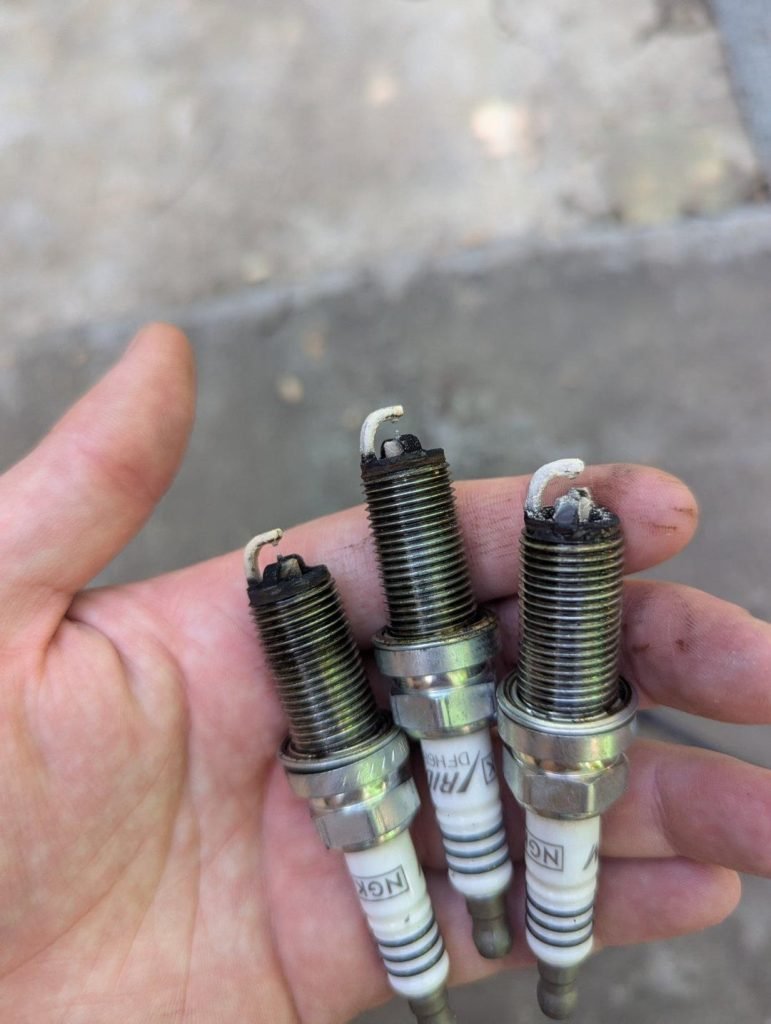
Look for any build-up on the spark plug tip. Black, oily deposits can mean oil is leaking into the combustion chamber. White or light gray deposits may suggest overheating or fuel additives. Light tan or grayish color usually shows normal wear. Heavy deposits affect the spark and engine performance.
Worn Or Damaged Electrodes
Check the center and ground electrodes for wear. Rounded or eroded edges reduce the spark’s strength. The gap between electrodes should be consistent with your car’s specifications. A wider gap can cause misfires and poor engine start. Replace plugs if electrodes look thin or broken.
Corrosion And Cracks
Inspect the ceramic insulator for cracks or chips. Cracks allow voltage to escape, causing weak sparks. Corroded metal parts can affect the plug’s connection and firing. Rust or discoloration on the threads may also signal damage. Any sign of corrosion or cracks means it’s time to replace the spark plugs.
When To Replace Spark Plugs
Knowing when to replace spark plugs helps keep your engine running smoothly. Spark plugs wear out over time and affect car performance. Timely replacement saves fuel and prevents bigger engine problems. Several signs and guidelines show the right time to change spark plugs.
Manufacturer Recommendations
Car makers give clear advice on spark plug replacement intervals. These instructions appear in your owner’s manual. Following them ensures your engine runs efficiently. Some newer cars use long-life spark plugs lasting up to 100,000 miles. Older models may need new plugs every 30,000 miles. Always check the manual for exact details.
Mileage Guidelines
Tracking mileage is a simple way to plan spark plug changes. Most spark plugs last between 30,000 and 100,000 miles. Iridium or platinum plugs tend to last longer than copper ones. Keep a log of when plugs were last replaced. Plan to swap them out once you reach the recommended miles. This prevents unexpected breakdowns on the road.
Performance Indicators
Watch for engine signs that signal worn spark plugs. Rough idling, hard starts, or engine misfires are common clues. Poor fuel economy may also indicate spark plug problems. The engine might hesitate or feel sluggish during acceleration. Strange noises or a check engine light can hint at plug issues. Addressing these signs early protects your engine health.
Diy Spark Plug Testing
Testing your spark plugs yourself can save you time and money. It helps you catch issues early before they affect your car’s performance. You don’t need to be a mechanic to check if your spark plugs are still doing their job well.
Tools Needed
- Socket wrench set:To remove the spark plugs safely.
- Spark plug socket:Specifically designed to grip the spark plug.
- Gap gauge tool:To measure the spark plug gap.
- Wire brush or spark plug cleaner:To clean off carbon deposits.
- Multimeter (optional):For checking the electrical resistance of the plug.
- Protective gloves and safety glasses:To keep yourself safe.
Step-by-step Testing Process
Start by letting your engine cool down completely. Hot spark plugs can burn your fingers and give inaccurate readings.
Use the socket wrench and spark plug socket to carefully remove one spark plug at a time. Don’t force it; gentle twisting will prevent damage.
Check the physical condition of the plug. Look for cracks, heavy carbon buildup, or worn electrodes.
Use the gap gauge tool to measure the distance between the center and side electrodes. Compare this with your car’s manual specifications.
If you have a multimeter, test the resistance by placing the probes on the terminal and electrode. A very high or infinite reading can indicate a faulty plug.
Clean the plug with a wire brush if it’s just dirty, then reinstall it. Repeat the process for each plug.
Interpreting Results
If the spark plug has heavy black soot, it means the engine is running too rich or the plug is fouled. This will cause misfires and poor fuel economy.
Light tan or grayish color on the electrode indicates the plug is functioning well. You can usually keep using it unless it’s very old.
Worn or rounded electrodes reduce the spark’s effectiveness. In this case, replacing the spark plug is your best bet.
A gap that’s too wide or too narrow affects how the spark jumps. Adjust the gap carefully or replace the plug with one that fits your car’s specs.
High resistance readings on the multimeter suggest internal damage or buildup inside the plug. This is a sign you need new spark plugs.
Have you noticed any changes in your car’s start time, engine smoothness, or fuel mileage? Your spark plugs might be the reason, and testing them yourself can give you a clear answer.
Benefits Of New Spark Plugs
Replacing your spark plugs might seem like a small task, but it brings noticeable benefits to your vehicle’s overall health. Fresh spark plugs ensure your engine runs smoothly and efficiently, helping you avoid bigger problems down the road. Let’s look at how new spark plugs can make a real difference in your driving experience.
Improved Engine Efficiency
New spark plugs create a stronger and more reliable spark, which ignites the fuel-air mixture more effectively. This means your engine burns fuel more completely, reducing wasted energy. Have you noticed your engine hesitating or misfiring? That’s often a sign your spark plugs are struggling to do their job.
Enhanced Fuel Economy
Worn-out spark plugs cause incomplete combustion, forcing your car to use more fuel to maintain power. By replacing them, you help your engine use fuel more wisely, which can save you money at the pump. Think about how often you fill up—could better fuel efficiency stretch that interval?
Smoother Performance
Old spark plugs can lead to rough idling and sluggish acceleration. Installing new ones restores smooth starts and consistent power delivery. If you’ve ever felt your car stumble or jerk during acceleration, new spark plugs could be the fix that makes your ride feel brand new.
Professional Inspection And Replacement
Professional inspection and replacement of spark plugs ensure your vehicle runs smoothly. Experts use tools and experience to check spark plug condition. They spot early signs of wear that are hard to detect alone. Timely replacement prevents engine issues and improves fuel efficiency. Trusting professionals helps maintain your car’s performance and safety.
When To Seek Help
Seek professional help if your car:
- Has trouble starting
- Runs rough or stalls
- Shows low fuel efficiency
- Has engine misfires or hesitation
- Exhibits unusual engine noises
These signs may indicate worn spark plugs. A mechanic can confirm the problem. Regular check-ups during oil changes are also wise.
What To Expect From Mechanics
Mechanics perform a detailed spark plug inspection. They remove and examine each plug for wear and damage. They check gaps and electrode condition. If needed, they replace plugs with the right type for your engine. They may also inspect ignition coils and wires. After replacement, they test the engine to ensure smooth running.

Credit: www.acg.aaa.com

Credit: www.reddit.com
Frequently Asked Questions
How Do I Know If Spark Plugs Are Failing?
If your engine misfires, idles roughly, or has poor acceleration, spark plugs may be failing. Check for difficulty starting the car or decreased fuel efficiency. These are common signs indicating worn or damaged spark plugs needing replacement.
What Are The Symptoms Of Bad Spark Plugs?
Symptoms include engine misfires, rough idling, poor fuel economy, and difficulty starting. You may also notice hesitation during acceleration or engine surging. These signs suggest spark plugs are not firing correctly and should be inspected.
How Often Should Spark Plugs Be Replaced?
Spark plugs typically need replacement every 30,000 to 100,000 miles, depending on the type. Consult your vehicle’s manual for exact intervals. Regular maintenance helps prevent engine issues and ensures optimal performance.
Can Bad Spark Plugs Cause Engine Problems?
Yes, bad spark plugs can cause misfires, rough idling, and poor fuel efficiency. They can lead to engine hesitation and increased emissions. Timely replacement is crucial to avoid further engine damage.
Conclusion
Knowing when to change spark plugs saves you time and money. Watch for rough engine starts, poor fuel economy, or strange noises. These signs show your spark plugs might be worn out. Regular checks keep your car running smoothly and avoid bigger issues later.
Don’t wait for problems to get worse. Stay aware and act early to keep your engine healthy and strong. Simple steps help your car perform its best every day.





