Are you ready to take your car maintenance skills to the next level? Gapping a spark plug might sound technical, but it’s simpler than you think—and mastering it can make a world of difference to your vehicle’s performance.
Imagine your car running smoother and more efficiently, saving you money on fuel and repairs. You don’t need to be a mechanic to achieve this; with a little guidance, you can do it yourself. This article will walk you through the process, step by step, ensuring you understand exactly what needs to be done.
By the end, you’ll know how to gap a spark plug like a pro, ensuring your engine runs at its best. Curious to see how easy it can be? Let’s dive in and unlock the secrets behind this essential automotive skill.
Spark Plug Gap Basics
Understanding the basics of spark plug gapping is essential before you start adjusting them. The gap refers to the distance between the center and ground electrode of the spark plug. This small space plays a big role in how your engine performs and how efficiently it runs.
Why Gap Size Matters
The gap size directly affects the spark’s strength and timing. Too wide a gap can cause misfires, making your engine sputter or lose power. On the other hand, a gap that’s too narrow weakens the spark, leading to poor fuel combustion and reduced mileage.
Have you ever noticed your car hesitating during acceleration? Incorrect spark plug gaps could be the culprit. Getting the gap right ensures your engine starts smoothly and runs efficiently.
Tools Needed For Gapping
To check and adjust the gap, you don’t need expensive tools. A simple spark plug gap tool or feeler gauge will do the job perfectly. These tools help you measure the gap precisely and bend the ground electrode carefully without damaging the plug.
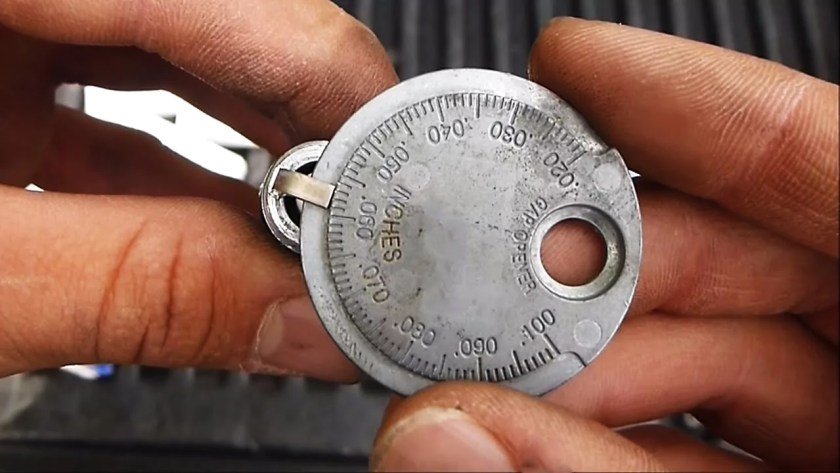
Some gap tools come with a wire gauge, a coin-style gauge, or a tapered gauge—choose one that feels comfortable for you. Having the right tool makes the process quicker and helps avoid costly mistakes.
Check Your Vehicle’s Specs
Checking your vehicle’s specifications is the first key step before gapping a spark plug. Each car model has a unique gap size that affects engine performance. Using the wrong gap can cause poor fuel efficiency or engine misfires.
Knowing the exact gap helps you adjust the spark plug correctly. This ensures the spark ignites the fuel mixture properly. Always prioritize your vehicle’s specs over generic settings.
Finding The Correct Gap Measurement
The spark plug gap is the distance between two electrodes on the plug. This gap must match your engine’s requirements. It usually ranges from 0.025 to 0.060 inches, but varies by model and engine type.
Check for the right measurement in:
- Vehicle specification stickers under the hood
- Service manuals
- Manufacturer’s website
Using the correct gap improves ignition and engine power. Avoid guessing or using default settings to prevent engine trouble.
Consulting The Owner’s Manual
The owner’s manual is a reliable source for your spark plug gap size. It provides exact numbers tailored to your vehicle’s engine. Look under the maintenance or engine section.
Owner’s manuals also offer tips on spark plug types and replacement intervals. Following the manual keeps your engine running smoothly and avoids damage.
Prepare The Spark Plug
Preparing the spark plug is a key step before adjusting its gap. This ensures the plug works well and lasts longer. A clean and undamaged spark plug provides a better spark. It helps your engine run smoothly and saves fuel.
Cleaning The Spark Plug
Remove dirt and carbon from the spark plug’s metal parts. Use a wire brush or spark plug cleaner to scrub gently. Avoid damaging the ceramic insulator. Wipe the plug with a clean cloth to remove loose debris. A clean plug allows accurate gap measurement and better performance.
Inspecting For Damage
Check the spark plug carefully for cracks or chips in the ceramic. Look at the electrodes for wear or burning. Bent or broken electrodes need replacement, not just gapping. Ensure the threads are not stripped or rusty. Using a damaged spark plug can cause engine problems.
Measure The Spark Plug Gap
Measuring the spark plug gap is crucial for engine performance. A correct gap ensures proper spark and efficient combustion. The gap is the distance between the center and side electrodes. Checking this gap helps avoid misfires and poor fuel economy.
Using A Feeler Gauge
A feeler gauge is the most accurate tool to measure the spark plug gap. It consists of thin metal blades of different thicknesses. Select a blade close to the recommended gap size.
- Insert the blade between the electrodes gently.
- The blade should slide with slight resistance.
- If it fits too tight or too loose, adjust the gap accordingly.
Feeler gauges give precise readings. They are easy to use and widely available.
Alternative Measuring Tools
Other tools can also measure the gap but may be less precise. A wire-type gap tool uses flexible wires of set thickness. Slide the wire between the electrodes to check the gap.
A coin-style gap tool has notches labeled with gap sizes. Match the notch to the electrode gap to estimate the distance.
- Plastic or metal feeler strips work similarly to a feeler gauge.
- Rulers or calipers can measure but require careful reading.
Use alternative tools if a feeler gauge is unavailable. Always compare the gap to the vehicle’s specification for best results.
Adjust The Gap
Adjusting the gap of a spark plug is a key step to ensure your engine runs smoothly. The gap is the space between the center and ground electrodes. This space must match the engine’s requirements for proper ignition. Too wide or too narrow a gap can cause poor performance or engine issues.
Use a spark plug gap tool to measure and adjust the gap precisely. Small changes make a big difference. Adjust carefully to avoid damaging the spark plug.
Increasing The Gap
To widen the gap, gently bend the ground electrode away from the center electrode. Use a spark plug gap tool or feeler gauge for accuracy. Adjust slowly, checking the gap often. Stop once the gap matches the recommended size.
Decreasing The Gap
To narrow the gap, carefully tap the ground electrode closer to the center electrode. Use a flat surface or the edge of the gap tool for tapping. Check the gap frequently to avoid making it too small. Precision is important for engine performance.
Avoiding Damage While Adjusting
- Do not force the electrode; it can break or bend permanently.
- Use the correct tool designed for spark plug gaps.
- Avoid touching the ceramic insulator to keep it clean and intact.
- Work slowly and check measurements often to prevent errors.

Credit: www.youtube.com
Double-check The Gap
Double-checking the gap on your spark plug is a crucial step that many overlook. Even a tiny mistake in measurement can affect engine performance and fuel efficiency. Taking a moment to verify the gap ensures you get the best spark and smooth running engine.
Ensuring Accuracy
Accuracy starts with the right tool. Use a reliable spark plug gap gauge—either a wire-type or a feeler gauge. Avoid using random objects or makeshift tools, as they can give you false readings.
Hold the gauge gently between the electrodes. If it fits too loosely or doesn’t fit at all, the gap is off. Think about this: how often do you trust the first measurement without a second look?
Re-measuring Tips
Measure the gap more than once to confirm consistency. Rotate the gauge slightly and check the gap from different angles. This reduces the chance of missing a subtle variation.
If you find the gap too wide or narrow, adjust it carefully using a gap tool or a small flathead screwdriver. Then, measure again. It might feel repetitive, but this precision pays off in engine performance.
Install The Spark Plug
Installing a spark plug correctly is crucial for your engine’s performance and longevity. Even if you’ve perfectly gapped the spark plug, improper installation can cause misfires or damage. Taking your time and using the right techniques ensures a secure fit and optimal function.
Proper Installation Techniques
Start by carefully threading the spark plug into the cylinder head by hand. This prevents cross-threading, which can damage the threads and be costly to repair.
Once the plug is hand-tight, use a spark plug socket with a ratchet to snug it down. Avoid overtightening—tighten it just enough to create a good seal.
Applying a small amount of anti-seize compound on the threads can help with future removal, but check your vehicle’s manual first. Some manufacturers advise against it to maintain proper torque readings.
Torque Specifications
Each spark plug and engine has specific torque requirements. Using a torque wrench ensures you apply the exact amount of force needed.
| Engine Type | Torque Range (ft-lbs) | Torque Range (Nm) |
|---|---|---|
| Aluminum Cylinder Head | 10-15 | 13-20 |
| Cast Iron Cylinder Head | 15-20 | 20-27 |
Have you ever tried tightening a spark plug without a torque wrench? You might think it’s tight enough, but it’s easy to overtighten or leave it too loose. Either way, it affects engine efficiency and can lead to costly repairs.

Credit: www.youtube.com
Signs Of Improper Gapping
Improper gapping of spark plugs can lead to noticeable problems in your vehicle’s performance. If your engine isn’t running smoothly, it might be time to check the spark plug gap. Recognizing the signs early helps you avoid bigger issues and keeps your engine healthy.
Engine Misfires
One of the first signs of incorrect spark plug gaps is engine misfires. You might feel your car hesitate or jerk when accelerating. This happens because the spark isn’t strong enough to ignite the fuel-air mixture efficiently.
Have you ever noticed your engine running rough or stalling unexpectedly? This could be due to a gap that’s too wide or too narrow, causing inconsistent sparks. Fixing the gap often smooths out the engine’s rhythm and restores proper combustion.
Poor Fuel Efficiency
Another clear sign is a drop in fuel efficiency. When the spark plug gap is off, the engine burns more fuel to compensate for weak sparks. You’ll find yourself refueling more often without any change in your driving habits.
Think about your recent fuel expenses—do they seem higher than usual? Adjusting the spark plug gap to the manufacturer’s specs can improve combustion and help you save money at the pump. It’s a small tweak with a noticeable impact on your wallet.
Credit: www.vanguardpower.com
Frequently Asked Questions
How Do I Measure The Correct Spark Plug Gap?
Use a spark plug gap tool or feeler gauge to measure the gap. Check your vehicle’s manual for the exact gap size.
Why Is Spark Plug Gapping Important?
Proper gapping ensures efficient combustion and engine performance. Incorrect gaps cause misfires, poor fuel economy, and reduced power.
Can I Gap A Spark Plug Without Tools?
It’s not recommended. Proper tools ensure accurate gap size and prevent damaging the electrode or insulator.
How Often Should I Check Spark Plug Gaps?
Check the spark plug gap every time you replace plugs or during regular tune-ups, typically every 30,000 miles.
Conclusion
Gapping a spark plug helps your engine run smooth and strong. Checking the gap size often keeps your car in good shape. Use a tool to measure and adjust the gap carefully. Small changes can make a big difference in performance.
Taking time to gap spark plugs saves money on repairs later. Practice makes this task easier and faster over time. Keep your engine healthy with simple spark plug care. Simple steps, better driving.





