Are your car’s spark plugs causing rough starts or poor fuel efficiency? Changing your spark plugs might be the simple fix you need.
But if you’re wondering, “How do I change my spark plugs? ” you’re in the right place. This guide will walk you through easy steps that anyone can follow, even if you’ve never touched a wrench before. By the end, you’ll save money and boost your car’s performance—all with confidence.
Keep reading to learn how to do it right, quickly, and safely.
Credit: www.blackcircles.com
Signs You Need New Spark Plugs
Spark plugs play a key role in your engine’s performance. Worn or faulty spark plugs cause many engine problems. Knowing the signs helps you change them before damage happens. Watch for these common symptoms that show spark plugs need replacement.
Engine Misfires And Rough Idling
When spark plugs fail, the engine may misfire. You feel jerks or stutters while driving. The engine might run unevenly at idle. This rough idling means combustion is incomplete. Old spark plugs cannot create a strong spark. This leads to poor engine performance and vibrations.
Poor Fuel Efficiency
Bad spark plugs cause lower fuel economy. Your car burns more gas than usual. The spark plugs fail to ignite fuel properly. This wastes fuel and reduces mileage. Watch for sudden drops in how far you can drive per tank. Replacing spark plugs restores better fuel use.
Difficulty Starting The Engine
Hard starts signal spark plug problems. The engine turns over but struggles to fire up. Weak or fouled plugs make ignition harder. This is most clear on cold mornings. New spark plugs help the engine start quickly and smoothly.

Credit: www.youtube.com
Tools And Materials Required
Changing your spark plugs is a straightforward task, but having the right tools and materials makes all the difference. Without proper equipment, you risk damaging your vehicle or spending unnecessary time on the job. Let’s go over what you need to get started so you can tackle this project confidently and efficiently.
Spark Plug Socket And Ratchet
A spark plug socket is specially designed to fit the unique shape of spark plugs. It usually has a rubber insert to grip the plug securely and prevent damage. Pair this with a ratchet wrench, and you’ll have the leverage needed to loosen or tighten spark plugs without struggling.
Many people underestimate the importance of the right socket size. Using a regular socket can strip the spark plug or make the job harder. Have you checked if your toolset includes a 5/8-inch or 13/16-inch spark plug socket? These sizes cover most vehicles.
Gap Gauge And Anti-seize Compound
Ensuring the correct gap on your new spark plugs is crucial for engine efficiency. A gap gauge measures the distance between the electrodes, letting you adjust it precisely. Don’t skip this step; an improper gap can cause misfires or poor fuel economy.
Anti-seize compound is a lubricant you apply to the spark plug threads before installation. It prevents the plugs from sticking in the cylinder head, making future removal easier. I learned this the hard way when a stuck spark plug turned a simple job into a frustrating ordeal.
Dielectric Grease And Replacement Spark Plugs
Dielectric grease helps protect the connection between the spark plug and the ignition coil or wire. It prevents moisture and corrosion, ensuring a solid electrical connection. Applying a small amount can save you from ignition problems down the road.
Of course, you’ll need the right replacement spark plugs for your vehicle. Check your owner’s manual or parts store to get the exact type and heat range. Installing incorrect plugs can harm your engine’s performance, so don’t guess—be precise.
Preparing Your Vehicle
Preparing your vehicle before changing spark plugs is crucial for both safety and efficiency. Taking the right steps beforehand can save you time and prevent damage to your engine or yourself. Let’s look at the essential tasks you need to complete to get your car ready.
Ensure Engine Is Cool
Never start working on your spark plugs while the engine is hot. A warm engine can cause burns and make spark plug removal more difficult.
Wait at least 30 minutes after turning off your car to let the engine cool down. Touch the engine block gently to check if it feels safe to handle.
Locate The Spark Plugs
Knowing exactly where your spark plugs are will make the job faster and less frustrating. Spark plugs are usually found on the cylinder head, connected to thick wires or ignition coils.
Consult your vehicle’s manual if you’re unsure. Sometimes engines have a cover you need to remove first, so be prepared to clear any obstacles.
Disconnect The Battery
Always disconnect your car battery before starting any electrical work. This prevents accidental shocks and protects your vehicle’s electrical system.
Use a wrench to loosen the negative terminal clamp and remove it. Keep the cable away from the battery terminal to avoid accidental reconnection.
Credit: www.familyhandyman.com
Removing Old Spark Plugs
Removing old spark plugs is an important part of car maintenance. It prepares your engine for new plugs, which helps it run smoothly. Doing this carefully avoids damage to the engine and ensures proper function.
Remove Ignition Coils Or Spark Plug Wires
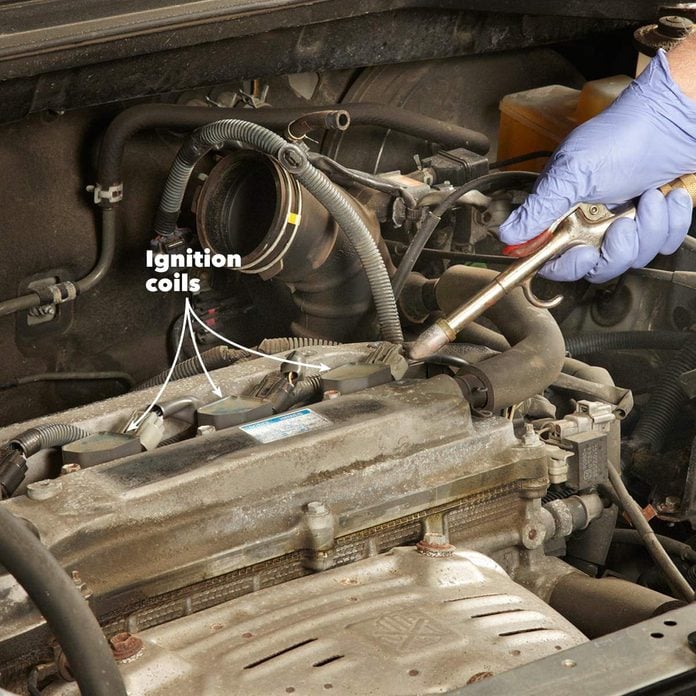
First, find the ignition coils or spark plug wires on your engine. Gently pull the wires or coils off the spark plugs. Avoid pulling on the wires themselves. Instead, grip the boot or connector to prevent damage. Set them aside safely to avoid dirt or damage.
Clean Around The Spark Plug Area
Use a soft brush or compressed air to clean the area around the spark plugs. This removes dirt and debris that could fall into the cylinder. Keeping the area clean helps prevent engine problems after installing new plugs.
Unscrew And Extract Old Plugs
Use a spark plug socket and ratchet to loosen each spark plug. Turn counterclockwise carefully until the plug is free. Pull the old spark plug straight out without twisting. Place the old plugs on a clean surface for inspection or disposal.
Inspecting And Gapping New Spark Plugs
Inspecting and gapping new spark plugs is an essential part of changing them. This step ensures the spark plugs work well with your engine. A correct gap helps the engine run smoothly and saves fuel.
Check For Proper Gap Size
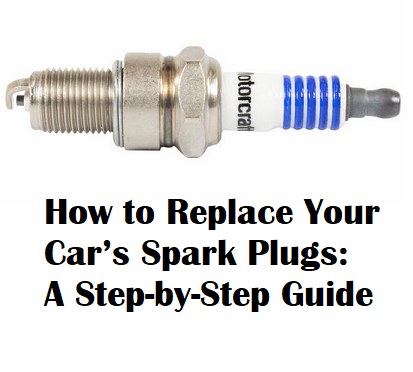
Each engine needs a specific gap size for spark plugs. The gap is the distance between the center and side electrodes. Find the correct gap size in your vehicle’s manual or online.
Use a spark plug gap tool or feeler gauge to check the gap. Slide the tool between the electrodes gently. The tool should fit snugly without forcing it.
Adjust Gap If Necessary
Sometimes new spark plugs come with the wrong gap size. Adjust the gap carefully using the gap tool. Bend the side electrode slightly to increase or decrease the gap.
Check the gap again after adjustment. Repeat the process until the gap matches the recommended size. Avoid over-bending, which can damage the spark plug.
Installing New Spark Plugs
Installing new spark plugs is a key part of car maintenance. Proper installation ensures the engine runs smoothly and efficiently. It also helps avoid damage to the spark plugs and engine components.
Follow these steps carefully to install your new spark plugs correctly. Small details matter in this process to keep everything working well.
Apply Anti-seize Compound
Apply a small amount of anti-seize compound to the spark plug threads. This prevents the plugs from sticking or seizing in the cylinder head. Use only a thin layer to avoid over-application. Too much compound can affect the spark plug’s performance.
Hand-tighten Spark Plugs
Start threading the spark plugs by hand. This avoids cross-threading and damage to the cylinder head. Turn the plug gently until it is snug. Hand-tightening ensures the plug sits correctly before using a tool.
Torque To Manufacturer Specifications
Use a torque wrench to tighten the spark plugs. Follow the vehicle manufacturer’s torque settings exactly. Proper torque prevents over-tightening or under-tightening. Both can cause problems, like thread damage or poor engine performance.
Reassembling And Testing
After replacing your spark plugs, the next crucial phase is reassembling and testing. This ensures that everything is connected properly and your engine runs smoothly. Skipping or rushing through this step can lead to poor engine performance or even damage.
Reconnect Ignition Coils Or Wires
Carefully reconnect the ignition coils or spark plug wires to the new plugs. Make sure each coil or wire clicks or fits snugly onto the spark plug to avoid loose connections. A loose wire can cause misfires that might confuse you during testing.
Take note of the order you remove the wires in, so you reconnect them correctly. If you mix them up, your engine won’t run properly. Double-check each connection before moving on.
Reconnect The Battery
Once the ignition components are back in place, reconnect your vehicle’s battery. This restores the electrical system and allows you to start the engine. Keep in mind, if you left the battery disconnected for a while, some settings like your radio presets might reset.
Be cautious when reconnecting to avoid sparks. A firm, clean connection on the battery terminals is key for smooth power flow.
Start Engine And Check Performance
Start your engine and listen carefully for any unusual sounds like knocking or rough idling. The engine should start smoothly and run consistently without hesitation or stalling. If you notice any issues, double-check your work, especially the wire connections.
Feel how the car responds when you press the accelerator. Does it accelerate smoothly? If the performance feels off, re-inspect the spark plug gaps and wire seating. Proper testing helps you catch problems early before they turn into costly repairs.
Maintenance Tips For Longevity
Keeping your spark plugs in top shape is essential for your car’s performance and fuel efficiency. Simple maintenance can extend their life and save you money. Let’s look at some practical tips to help your spark plugs last longer and perform better.
Regular Inspection Schedule
Check your spark plugs every 30,000 miles or as recommended by your vehicle’s manual. Look for signs of wear like deposits, cracks, or corrosion on the electrodes. Catching issues early helps you avoid bigger engine problems and ensures smooth starts every time.
I once ignored a worn spark plug for too long, and my car started misfiring. A quick inspection and timely replacement fixed the issue immediately. Don’t wait until you feel a problem—make inspections a routine part of your car care.
Choosing The Right Spark Plugs
Not all spark plugs are created equal. Use plugs that match your engine’s specifications—check the heat range and size recommended by the manufacturer. Picking the wrong type can cause poor performance or damage your engine over time.
Consider iridium or platinum plugs if you want longer life and better efficiency. They cost more upfront but often pay off by reducing replacements and improving fuel economy. Have you checked what spark plugs your car needs lately?
Avoiding Common Mistakes
Don’t overtighten the plugs when you install them—it can damage the threads and cause leaks. Use a torque wrench to apply the correct amount of force. Also, avoid using old spark plug wires if they show cracks or wear; they reduce spark quality and cause engine issues.
Another mistake is skipping the gap check. Even new spark plugs need the correct gap size to work well. Investing a few minutes in these simple checks can make a big difference in your car’s reliability and your peace of mind.
Frequently Asked Questions
How Often Should I Change My Spark Plugs?
Spark plugs typically last 30,000 to 100,000 miles. Check your vehicle’s manual for specific intervals. Regular replacement ensures engine efficiency and smooth performance.
What Tools Do I Need To Change Spark Plugs?
You need a spark plug socket, ratchet wrench, extension bar, and a gap gauge. These tools help safely remove and install spark plugs without damage.
How Do I Check Spark Plug Gaps Correctly?
Use a spark plug gap gauge to measure the gap. Adjust it by gently bending the electrode until it matches manufacturer specifications for optimal engine performance.
Can I Change Spark Plugs Myself Safely?
Yes, with basic mechanical skills and proper tools, you can replace spark plugs safely. Follow step-by-step instructions and work on a cool engine to avoid injury.
Conclusion
Changing spark plugs is easier with practice and patience. Follow the steps carefully. Ensure you have the right tools. Avoid rushing to prevent mistakes. Proper maintenance keeps your car running smoothly. Regularly check your spark plugs for wear. Replace them as needed for optimal performance.
A well-maintained engine saves fuel and reduces emissions. Remember to consult your vehicle’s manual for guidance. With these tips, you can confidently change spark plugs yourself. Save money and enjoy a smoother ride. Keep learning and stay safe on the road.