
Are your car’s spark plugs in need of a change? You might be surprised to learn how much of a difference a simple switch can make.
Changing spark plugs isn’t just for the car-savvy; it’s a straightforward task that you can tackle with ease. Imagine smoother starts, better fuel efficiency, and a more responsive engine—all achievable with a little DIY effort. In this guide, you’ll discover the step-by-step process to change spark plugs like a pro, even if it’s your first time.
Don’t worry about complicated jargon or expensive tools; we’ve got you covered with easy instructions and practical tips. Ready to give your car the boost it needs? Let’s dive into the details and get those spark plugs changed!
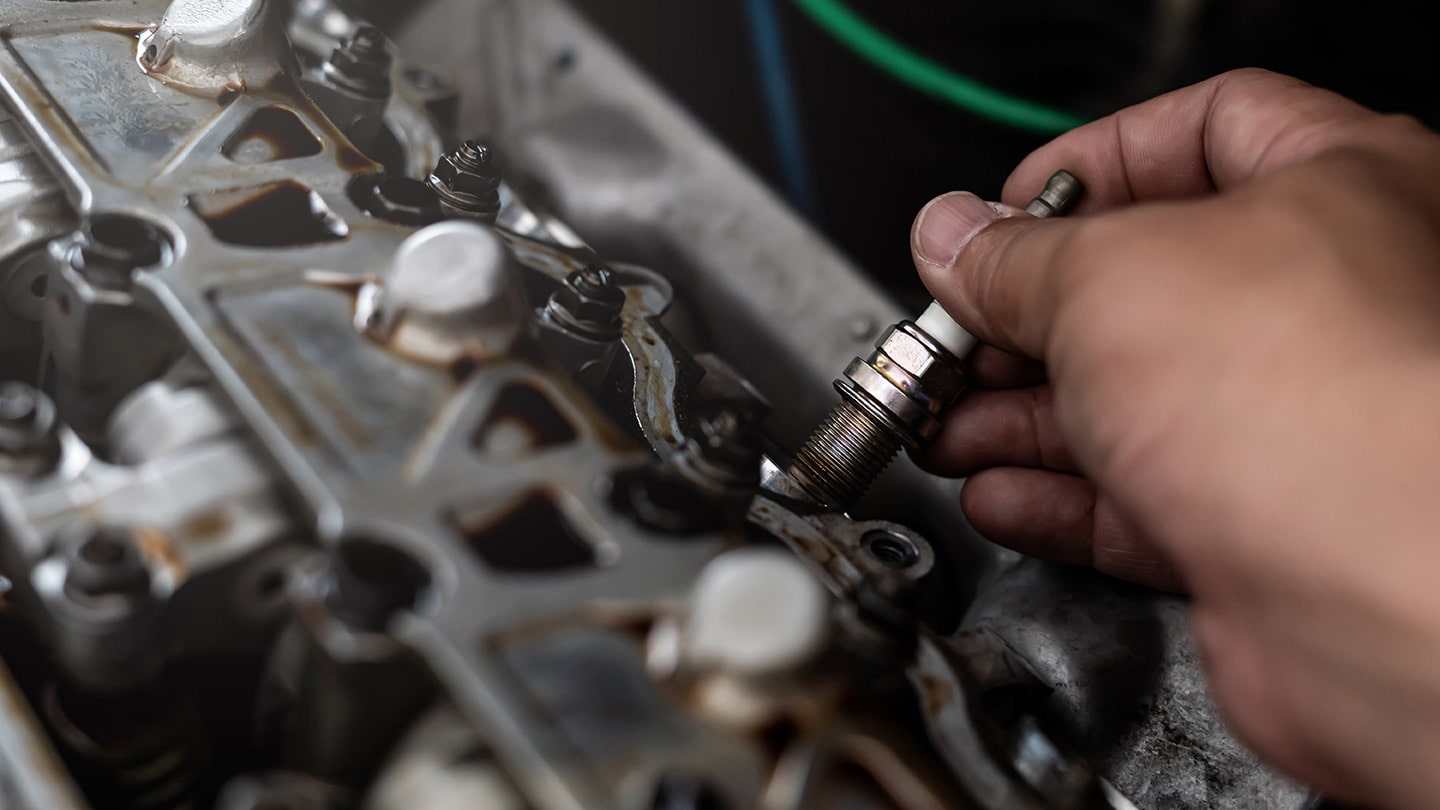
Credit: www.chase.com
Tools Needed
Changing spark plugs requires the right set of tools. Using proper tools makes the job easier and safer. Some tools are essential for every spark plug change. Others are optional but helpful.
Essential Equipment
- Spark plug socket:A special socket with rubber inside to grip the plug.
- Ratchet wrench:For turning the spark plug socket easily.
- Socket extension:Helps reach deep spark plugs.
- Torque wrench:Ensures correct tightening without damage.
- Gap gauge:Measures the spark plug gap accurately.
- Dielectric grease:Protects spark plug boots from moisture.
- Compressed air or air blower:Cleans debris around plugs before removal.
Optional Accessories
- Magnetic pickup tool:Retrieves dropped spark plugs or small parts.
- Anti-seize lubricant:Prevents spark plugs from sticking in the engine.
- Work light:Illuminates dark engine compartments for better visibility.
- Gloves:Protect hands from dirt and heat.
- Shop rags:Clean hands and engine parts during the task.
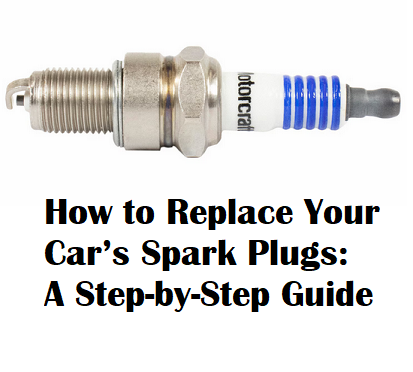
Credit: beachautomotive.com
Locate Spark Plugs
Locating the spark plugs is the first step in changing them. Knowing their exact position helps avoid confusion and saves time. Spark plugs are connected to the engine by wires or coils. Finding them depends on the engine type and layout. Some engines have plugs in plain sight; others hide them under covers or parts.
Engine Layout Tips
Most engines have spark plugs on the cylinder head. Inline engines place plugs in a row on one side. V-shaped engines have plugs on both sides of the engine block. Look for thick wires or coil packs leading to the spark plugs. These parts connect each plug to the ignition system. Check the owner’s manual or online diagrams for your engine layout. This information shows the exact plug locations and their number.
Access Challenges
Some engines have tight spaces making plug access tricky. Engine covers, air filters, or intake manifolds can block plugs. Removing these parts might be necessary to reach the plugs. Take care not to damage any wires or hoses. Use proper tools like a spark plug socket and extension bars. Working in a well-lit area helps see the plugs clearly. Patience is key in confined spaces to avoid frustration.
Remove Old Spark Plugs
Removing old spark plugs is a key part of changing them effectively. It might seem straightforward, but handling the wires and using the right tools carefully can save you from damaging your engine or the plugs themselves. Let’s look closely at how to remove those old spark plugs safely and correctly.
Disconnecting Wires
Start by locating the spark plug wires. Gently pull on the boot—the thick part at the end of the wire—not the wire itself. This prevents damage to the wire or the connection.
You might feel some resistance, but a steady, even pull usually works best. If the boots are hard to remove, try twisting them slightly while pulling to loosen the grip. Remember, the wires deliver high voltage, so handle them with care to avoid any shocks or damage.
Using The Spark Plug Socket
Once the wires are disconnected, use a spark plug socket attached to a ratchet to remove the plugs. This socket has a rubber insert that grips the spark plug securely, preventing it from falling out as you pull it free.
Turn the ratchet counterclockwise to loosen the plug. If it feels stuck, avoid forcing it; a stuck plug might need a little penetrating oil applied and some time to loosen. Removing spark plugs evenly and gently helps prevent damaging the threads in the engine’s cylinder head.

Credit: www.youtube.com
Check Spark Plugs
Checking spark plugs is a key part of car maintenance. Spark plugs help ignite the fuel in the engine. Over time, they wear out and lose efficiency. Regular checks ensure your engine runs smoothly and saves fuel. A quick inspection can reveal many issues before they get worse.
Signs Of Wear
Look for these signs to spot worn spark plugs:
- Engine misfires or runs rough
- Hard starting or slow acceleration
- Poor fuel economy
- Visible deposits or corrosion on the plug
- Cracked or worn electrodes
Dirty or damaged plugs cause weak sparks. This reduces engine power. Checking plugs helps find these problems early.
When To Replace
Replace spark plugs based on the car manual or these guidelines:
- Every 30,000 to 50,000 miles for standard plugs
- Every 60,000 to 100,000 miles for long-life plugs
- If there are visible cracks or heavy deposits
- If the engine has trouble starting or runs poorly
Regular replacement keeps the engine healthy. It avoids costly repairs and fuel waste.
Install New Spark Plugs
Installing new spark plugs might seem straightforward, but getting it right makes all the difference in your engine’s performance. It’s not just about screwing them in; each step ensures your engine runs smoothly and efficiently. Let’s break down the crucial parts of installing spark plugs that you should never overlook.
Gap Adjustment
Every spark plug has a gap between its electrodes. This gap controls the spark size that ignites the fuel-air mix in your engine. If the gap is too wide or too narrow, your engine may misfire or lose power.
Use a feeler gauge to check the gap before installation. Adjust the gap carefully by bending the ground electrode, but avoid touching the center electrode. Did you know that a small change in gap size can improve fuel efficiency and reduce emissions?
Proper Threading
Threading spark plugs in correctly is essential to prevent damage to the cylinder head. Start by hand-threading the plug to avoid cross-threading, which can be costly to fix.
If you feel resistance early on, stop and realign the plug. Cross-threading can strip the threads and cause leaks. Patience here saves you from expensive repairs down the road.
Torque Specifications
Tightening spark plugs to the right torque is crucial. Too loose, and the plug can vibrate loose or cause poor heat transfer. Too tight, and you risk cracking the plug or damaging the threads.
Use a torque wrench set to your vehicle manufacturer’s specifications. If you don’t have one, tighten the plug snugly and then add a quarter turn—but this is less precise. Have you ever wondered why your engine runs rough after changing plugs? Incorrect torque is often the culprit.
Reconnect And Test
After replacing your spark plugs, reconnecting and testing are crucial steps. These ensure your engine runs smoothly and safely. Proper reconnection avoids misfires and engine problems. Testing confirms everything works as it should.
Reattaching Wires
Carefully reconnect the spark plug wires to each new plug. Match each wire to the correct plug to keep the firing order. Push the wire firmly onto the plug until it clicks or feels secure. Loose wires cause poor engine performance and rough idling. Check each wire for damage or wear before reconnecting. Replace any damaged wires for best results.
Engine Performance Check
Start your engine after reconnecting the spark plugs and wires. Listen for smooth running and steady idling sounds. Watch for any engine shaking or misfires. Check if the engine starts easily without hesitation. Take a short drive to feel the engine’s response. Good acceleration and no stalling mean the job is done right. If problems persist, recheck the connections and plugs.
Maintenance Tips
Maintaining spark plugs ensures your engine runs smoothly and saves money. Proper care prevents engine misfires and poor fuel economy. Follow simple steps to keep spark plugs in good shape.
Regular Inspection
Check spark plugs every 30,000 miles or during routine vehicle service. Look for signs of wear like:
- Carbon deposits
- Cracked insulators
- Worn electrodes
- Oil fouling
Cleaning or replacing worn plugs improves engine performance. Use a spark plug socket and feel for tightness. Loose plugs cause engine problems.
When To Change Again
Replace spark plugs based on your car’s manual or if symptoms appear. Common signs include:
- Hard starting
- Engine misfires
- Reduced fuel efficiency
- Rough idling
Use the right spark plug type for your engine. Changing plugs on time avoids costly repairs later.
Frequently Asked Questions
How Often Should I Change Spark Plugs?
Spark plugs should be changed every 30,000 to 100,000 miles. Check your vehicle’s manual for specific intervals. Regular replacement ensures optimal engine performance and fuel efficiency.
What Tools Do I Need To Change Spark Plugs?
You need a spark plug socket, ratchet wrench, gap gauge, and possibly a torque wrench. These tools help safely remove and install spark plugs without damage.
How To Check If Spark Plugs Need Replacement?
Look for signs like engine misfires, poor fuel economy, or rough idling. Inspect plugs for wear, deposits, or damage. These indicate it’s time for replacement.
Can I Change Spark Plugs Myself Safely?
Yes, changing spark plugs is a simple DIY task with basic tools. Follow your car’s manual instructions carefully to avoid damage and ensure proper installation.
Conclusion
Changing spark plugs is a simple task anyone can do. It helps your car run better and saves money on repairs. Follow the steps carefully and take your time. Use the right tools and be safe. Regular spark plug care keeps your engine healthy and fuel efficient.
Try this DIY and enjoy smoother rides. Keep your car happy with fresh spark plugs.





