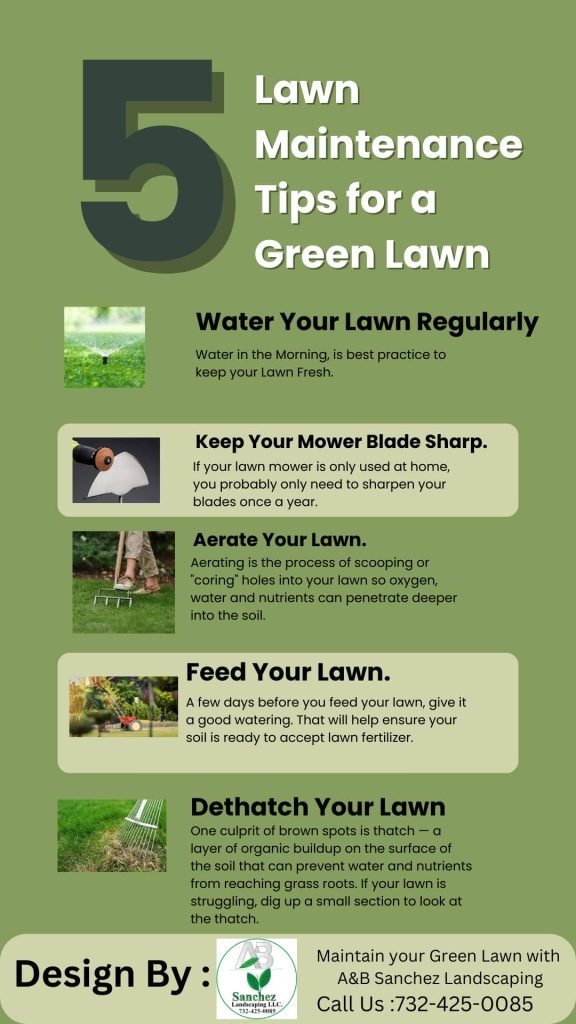
Are you tired of spending hours mowing your lawn and worrying about the impact it has on the environment? What if you could keep your yard looking great while also protecting the planet?
Eco friendly mowing tips can help you do just that. By making a few simple changes to how you mow, you’ll save time, reduce pollution, and create a healthier space for your family and pets. Keep reading to discover easy, practical steps you can start using today to make your lawn care greener and smarter.
Your lawn—and the earth—will thank you.
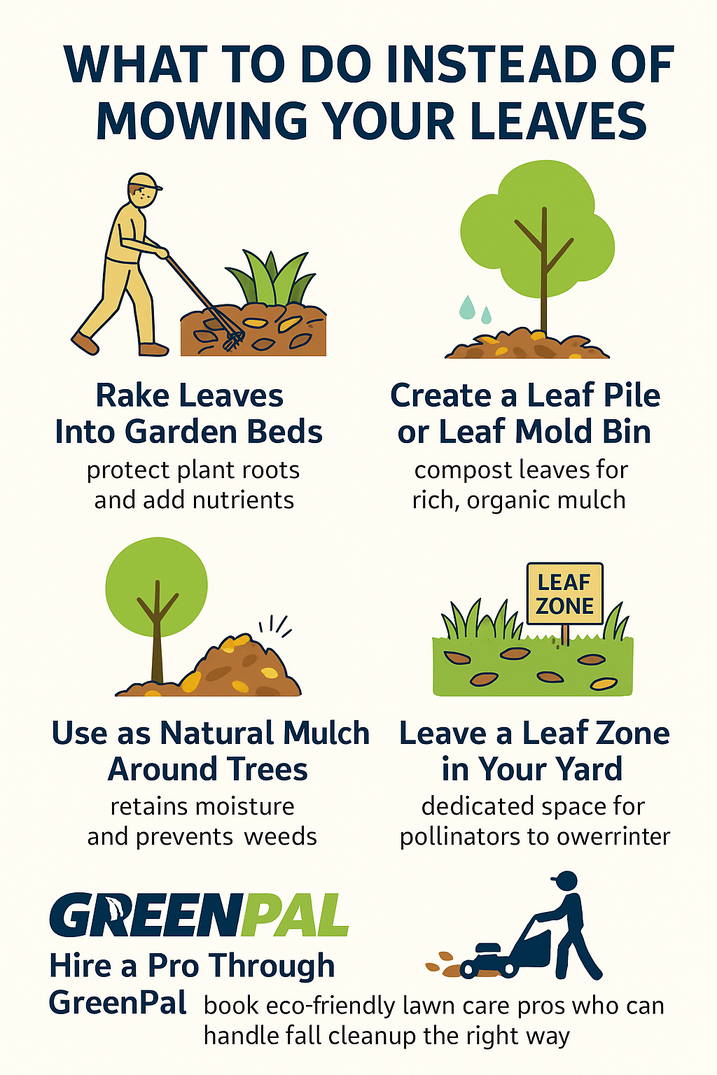
Credit: www.yourgreenpal.com
Choose The Right Mower
Choosing the right mower is key for eco-friendly mowing. Manual mowers do not use fuel or electricity. They are quiet and good for small yards. Electric mowers produce zero emissionsand are easier to use than manual ones. They need charging but do not pollute the air like gas mowers.
Battery-powered mowers offer freedom from cords. They run on rechargeable batteries and are quieter than gas mowers. These mowers produce no fumes, making them better for the environment and your health. Battery life varies, so choose one with a battery that lasts long enough for your lawn.
Maintaining your mower helps it work well and last longer. Keep blades sharp for a clean cut. Check the battery or manual parts regularly. Clean the mower after each use to avoid rust and dirt build-up. Proper maintenance means less waste and better mowing results.

Credit: fairwaylawns.com
Mow At The Right Height
Mowing grass to the right height can help the environment. It keeps the lawn healthy and reduces water needs. Taller grass shades the soil, preventing weeds and conserving moisture.
Benefits Of Taller Grass
Taller grasshelps roots grow deep. This makes your lawn healthierand stronger. It keeps the soil coolerand holds more water. Tall grass also stops weedsfrom growing easily. It provides shadefor the soil, so less water evaporates. This saves water and helps the environment.
Adjusting Mower Settings
Check your mower’s height settings. Set blades to cut grass higherthan usual. Avoid cutting too short; it can stressthe grass. Use a sharp blade for a cleancut. This reduces damage and helps grass healfast. Remember to mow less oftento keep grass tall and healthy.
Mow Smartly
Mowing grass at the right frequencyhelps keep your lawn healthy and green. Cutting too often can stress the grass. Let it grow a little before mowing again.
Choosing the best timeto mow matters. Early morning or late afternoon avoids heat stress. Grass cuts better when dry, not wet.
- Avoid cutting wet grassto prevent clumping and disease.
- Wet grass can clog your mower and damage blades.
- Wait until the lawn is dry for a cleaner cut.
- Alternate mowing patternsto keep soil healthy.
- Change direction each time to avoid compacting soil.
- This helps grass grow straight and strong.
Leave Grass Clippings
Leaving grass clippings on your lawn helps return nutrients to the soil naturally. It reduces waste and keeps grass healthy without extra fertilizer. This simple step supports a greener, eco-friendly mowing routine.
Natural Fertilizer Benefits
Grass clippingsare full of nutrients. They are a natural fertilizer. They add nitrogen to the soil. This helps grass grow strong. Clippings also keep moisture in the ground. This means less water is needed. Bugs and birds love clippings. They help keep pests away.How To Mulch Effectively
Mulchingis easy and helpful. Use a mower with a mulching blade. These blades cut clippings smaller. Spread clippings evenly on the lawn. Do not make thick piles. Thick piles block sunlight. Sunlight is important for grass. Keep the mower blades sharp. This helps cut grass well. Mow when grass is dry. Wet grass clumps together. Clumps can harm the lawn. `Promote Soil Health
Cutting grass at the right height helps keep soil healthy and moist. Leaving clippings on the lawn adds natural nutrients back into the soil. This simple step supports strong roots and reduces the need for extra fertilizers.
Aeration Techniques
Aerationhelps grass roots get more air, water, and nutrients. Use a tool with spikes or plugs to make small holes in the soil. This reduces soil compaction and improves drainage. Aerate your lawn during the growing season for best results. Avoid aerating when the soil is very wet or dry.
Composting Lawn Waste
Collect grass clippings, leaves, and small branches to make compost. Compost adds nutrients back into the soil naturally. It helps keep your lawn healthy and green. Use a compost bin or pile in a shaded area. Turn the compost regularly to speed up decay. Use finished compost as a top layer on your lawn or garden beds.

Credit: getlawnbright.com
Water Wisely
Watering your lawn at the right time saves water and helps grass grow strong.
Early morning is the best timeto water. The sun is low, so less water evaporates.
Watering in the evening can cause mold or fungus because the grass stays wet too long.
Use rainwaterand greywaterto reduce fresh water use. Collect rainwater from roofs in barrels.
Greywater from washing machines or sinks can water lawns, but avoid using water with soap or chemicals.
- Water deeply but less often to encourage strong roots.
- Check soil moisture before watering to avoid overwatering.
- Use watering cans or drip systems to target roots, not leaves.
Choose Native And Drought-resistant Grass
Choosing native and drought-resistant grasshelps save water and energy. These grasses need less watering because they adapt well to local weather. They also grow strong with less fertilizer and pesticides, which is better for the environment.
Native grass types often support local insects and animals. They keep your lawn green and healthy with less work. Drought-resistant grasses survive dry periods without turning brown or dying.
- Use less water to keep your lawn alive
- Reduce the need for harmful chemicals
- Help local wildlife thrive
- Save time and money on lawn care
Reduce Chemical Use
Using natural pest controlhelps keep your lawn safe and healthy. Plants like marigoldsand nasturtiumscan repel bugs. Introducing ladybugsor praying mantisescontrols harmful insects without chemicals.
Organic fertilizersimprove soil without pollution. Compost, manure, and bone meal add nutrients naturally. These options are safer for children, pets, and wildlife.
- Encourage earthworms to improve soil quality.
- Avoid chemical sprays that harm beneficial insects.
- Water early in the morning to reduce disease risk.
Frequently Asked Questions
What Are The Best Eco-friendly Lawn Mowers?
Battery-powered and manual reel mowers are the best eco-friendly options. They produce zero emissions and are quiet. Solar-powered mowers also reduce carbon footprint. These mowers help maintain a green lawn without harming the environment.
How Often Should I Mow For Eco-friendly Lawn Care?
Mow your lawn once a week during the growing season. Avoid cutting more than one-third of the grass height each time. This practice promotes healthy growth and reduces stress on grass. It also lowers fuel or energy use, benefiting the environment.
Can Grass Clippings Improve Lawn Health Sustainably?
Yes, leaving grass clippings on the lawn, known as grasscycling, adds nutrients naturally. It reduces the need for chemical fertilizers and lowers waste. Grasscycling helps retain moisture and improves soil health, making your lawn greener and eco-friendlier.
What Mowing Times Are Best For Environmental Impact?
Mow your lawn in the early morning or late afternoon. This timing reduces water loss from evaporation and stress on grass. Avoid mowing during midday heat to protect your lawn and save energy. It also minimizes noise disruption to wildlife and neighbors.
Conclusion
Eco friendly mowing helps protect nature and saves energy. Choose manual or electric mowers to reduce pollution. Keep your grass a bit longer to stay healthy and strong. Leave grass clippings on the lawn to feed the soil. Water your lawn wisely and avoid waste.
Small changes make a big difference for the planet. Start today and enjoy a greener, cleaner yard. Your efforts help create a better environment for everyone. Simple steps, lasting benefits.