Are you looking for a way to keep your lawn healthy while also caring for the environment? Your mowing schedule plays a bigger role than you might think.
Choosing the right times and frequency to mow can save water, protect beneficial insects, and reduce pollution. You’ll discover simple, eco-friendly mowing tips that fit into your routine and make a real difference. Keep reading to learn how small changes in your mowing habits can lead to a greener, healthier yard—and planet.
Benefits Of Eco Friendly Mowing
Eco friendly mowinghelps save a lot of energy. Using electric or manual mowers cuts down on fuel use. This lowers pollution and reduces your carbon footprint.
Keeping the grass a bit longer improves soil health. Longer grass shades the soil, keeping it moist. It stops weeds and helps good bugs live in the soil. Healthy soil means better grass growth.
Less frequent mowing gives space for local wildlife. Birds, bees, and butterflies find food and homes in longer grass. This supports the natural balance around your garden.
Choosing The Right Mowing Frequency
Seasonal changesaffect how often grass should be cut. In spring and summer, grass grows faster and needs more frequent mowing. During fall and winter, growth slows down, so cut less often. This helps save energy and water, making mowing more eco-friendly.
Different grass typesneed different care. For example, cool-season grasses like fescue grow best with less frequent mowing. Warm-season grasses like Bermuda need more frequent cutting. Knowing your grass type helps choose the best mowing schedule.
Avoid cutting too short. Overcutting stresses the grass and can cause damage. Cut only the top one-third of the grass blade. This keeps the lawn healthy, reduces water use, and helps prevent weeds.
Optimal Mowing Height For Lawn Health
Keeping grass at an optimal heighthelps lawn health a lot. Grass cut too short can stress the plant. This makes the roots weak and shallow.
Deep root growthis key for strong grass. Longer grass blades help roots grow deeper. Deep roots can get water and nutrients better.
- Preventing weed invasion:Taller grass shades the soil. This stops weed seeds from getting sunlight to grow.
- Retaining soil moisture:Leaves that are not cut too short protect soil. They keep water from drying out quickly.
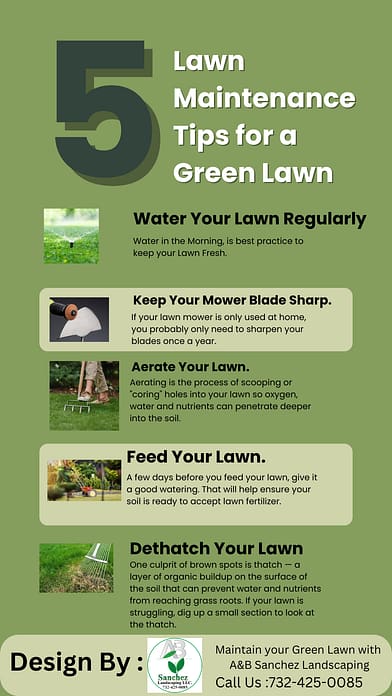
Credit: absanchezlandscaping.com
Best Time Of Day To Mow
Mowing in the early morningis best to reduce water loss. The grass holds moisture from the night. This helps keep the lawn healthy and green.
Cutting grass during hot midday can cause plant stress. The sun is strong, and grass blades dry quickly. This can make your lawn weak and brown.
- Mow when the grass is dry but cool.
- Avoid mowing in the heat of the day.
- Use electric or manual mowers for energy efficiency.
- Keep mower blades sharp to save energy and improve cuts.
Sustainable Mowing Equipment Choices
Choosing eco-friendly mowing schedules helps reduce fuel use and lowers pollution. Mowing less often supports healthier grass and saves energy. This simple change benefits both your lawn and the environment.
Electric Vs Gas Mowers
Electric mowersare quiet and don’t produce smoke. They are easy to start with a button. Gas mowers are louder and need fuel. They are more powerful for big lawns. Choose electric for a cleaner environment.
Manual And Reel Mowers
Manual mowersuse your energy to cut grass. They are quiet and do not need gas. Reel mowers have spinning blades. They are good for small lawns and keep grass healthy. These mowers help save energyand reduce pollution.
Maintenance For Efficiency
Keep blades sharpfor easy cutting. Clean your mower after use. Check and replace parts when worn out. Store in a dry place to avoid rust. Regular care helps your mower last longer and work better.
Credit: designwiz.com
Complementary Lawn Care Practices
Natural fertilizationhelps keep your lawn healthy without chemicals. Compost and manure add nutrients to the soil. Grass clippings left on the lawn return nutrients naturally. Using organic fertilizerssupports earthworms and beneficial microbes.
Water your lawn deeply but less often to encourage strong roots. Early morning is best to reduce water loss. Avoid watering in the heat of the day. Use rainwater or recycled water to save resources.
- Inspect plantsregularly for pests.
- Use natural predators like ladybugs to control bugs.
- Apply organic pest sprays only when needed.
- Keep grass healthy to resist pests better.
Monitoring And Adjusting Your Schedule
Tracking lawn healthhelps decide the best mowing schedule. Watch for grass color, growth rate, and weed presence. Healthy grass is usually green and grows steadily. If grass looks dry or patchy, it may need more care or less frequent mowing.
Weather changesaffect lawn needs. During hot, dry times, grass grows slower and needs less cutting. Rainy periods cause faster growth and require more mowing. Adjust your schedule based on temperatureand rainfallto keep the lawn healthy and conserve water.
Balancing lawn appearanceand ecologymeans mowing enough to look neat but not too much. Leaving grass a bit longer helps soil stay moist and protects small creatures. This balance supports healthy soiland a thriving ecosystemwhile keeping your yard pleasant.

Credit: fairwaylawns.com
Frequently Asked Questions
What Is The Best Eco Friendly Mowing Schedule?
The best eco-friendly mowing schedule involves mowing less frequently, about once every 2 weeks. This reduces fuel use and stress on grass. Adjust based on grass type and weather conditions to promote healthy growth and biodiversity.
How Does Mowing Frequency Impact The Environment?
Frequent mowing increases fuel consumption and emissions. Less frequent mowing encourages deeper roots and better soil health. It also supports pollinators by allowing flowers to bloom, improving local ecosystems.
When Is The Ideal Time To Mow For Eco Benefits?
Mow early morning or late evening to reduce stress on grass and avoid peak heat. This timing helps conserve moisture and supports beneficial insects active during cooler parts of the day.
Can Mowing Height Affect Lawn Sustainability?
Yes, higher mowing height promotes stronger roots and better drought resistance. It also shades soil, reducing evaporation and weed growth. Maintain grass height around 3 inches for optimal eco benefits.
Conclusion
Choosing an eco-friendly mowing schedule helps protect nature. Grass grows healthier with less water and fewer chemicals. You save energy and reduce pollution from machines. Mowing less often lets insects and small animals thrive. Simple changes in your routine make a big difference.
A greener lawn means a cleaner, safer environment. Try these tips to care for your yard wisely. Small steps lead to a healthier planet for everyone. Keep it green, keep it clean.