Are you tired of seeing piles of grass clippings and yard waste go to the landfill? Your lawn deserves better, and so does the planet.
Choosing eco-friendly lawn disposal methods not only keeps your yard neat but also helps reduce pollution and conserve resources. Imagine turning your lawn waste into something useful, like nourishing compost, instead of trash. You’ll discover simple and effective ways to dispose of your lawn waste that benefit both your garden and the environment.
Ready to make a change that feels good and does good? Let’s dive in!
Benefits Of Eco Friendly Lawn Disposal
Eco friendly lawn disposalhelps keep landfills smaller. Grass clippings and leaves break down naturally. This means less trash piling up in landfill sites. Composting lawn waste turns it into nutrient-rich soil. This process reduces the need for chemical fertilizerswhich can harm the environment.
Using natural lawn waste improves soil health. It adds organic matter and helps soil hold water better. Healthy soil grows stronger, greener grass. It also supports earthworms and beneficial microbes. These tiny creatures keep the soil alive and healthy.
- Lowering carbon footprintis key for a cleaner planet.
- Burning or hauling lawn waste creates pollution.
- Composting or mulching lawn clippings stops this pollution.
- Less fuel is used for waste transport and processing.
- Overall, eco friendly methods help reduce greenhouse gases.
Credit: www.familyhandyman.com
Composting Lawn Clippings
Composting lawn clippings is a great way to reduce waste and enrich soil. Choosing the right composting method depends on your space and time. Some popular methods include pile composting, bin composting, and vermicomposting (using worms).
Balancing green and brown materials is key. Green materials like fresh grass clippings provide nitrogen. Brown materials such as dry leaves add carbon. A good mix helps break down materials faster and prevents bad smells.
- Turn the compost regularly to add oxygen
- Keep the compost moist, like a wrung-out sponge
- Chop clippings into small pieces to speed up decay
- Avoid adding weeds or diseased plants
Grasscycling Techniques
Mulching mowerscut grass into tiny pieces. These pieces fall back onto the lawn. This keeps the grass healthy and moist. Mulching mowers save time by not needing to collect clippings.
Leaving clippings on the lawn helps soil stay rich. The clippings break down quickly. They add important nutrients like nitrogen to the soil. This supports strong grass growth without extra fertilizer.
There are many benefits for lawn nutrition:
- Improves soil moisture retention
- Reduces need for chemical fertilizers
- Encourages healthy root growth
- Helps prevent lawn diseases
Creating Natural Mulch
Turning grass clippings and leaves into natural mulch reduces waste and nourishes soil. This eco-friendly lawn disposal method saves water and keeps gardens healthy.
Grass clippings and leaves are great for mulch. Collect them after mowing the lawn. Twigs and small branches also work well. Store these in a pile in the yard. Make sure they are dry before using. Wet waste can rot and smell bad. Add kitchen scraps like vegetable peels too. Avoid meat and dairy as they attract pests. Spread mulch around plants in garden beds. Keep it two inches thick for best results. This layer keeps soil moist. It helps plants grow strong. Be careful not to cover the plant stems. Too much mulch can suffocate plants. Mulch stops weeds by blocking sunlight. Weeds need light to grow. A thick mulch layer does the trick. Make sure to pull any weeds before mulching. This makes your garden clean and tidy. Enjoy a healthy garden with less work! `Recycling Yard Waste Locally
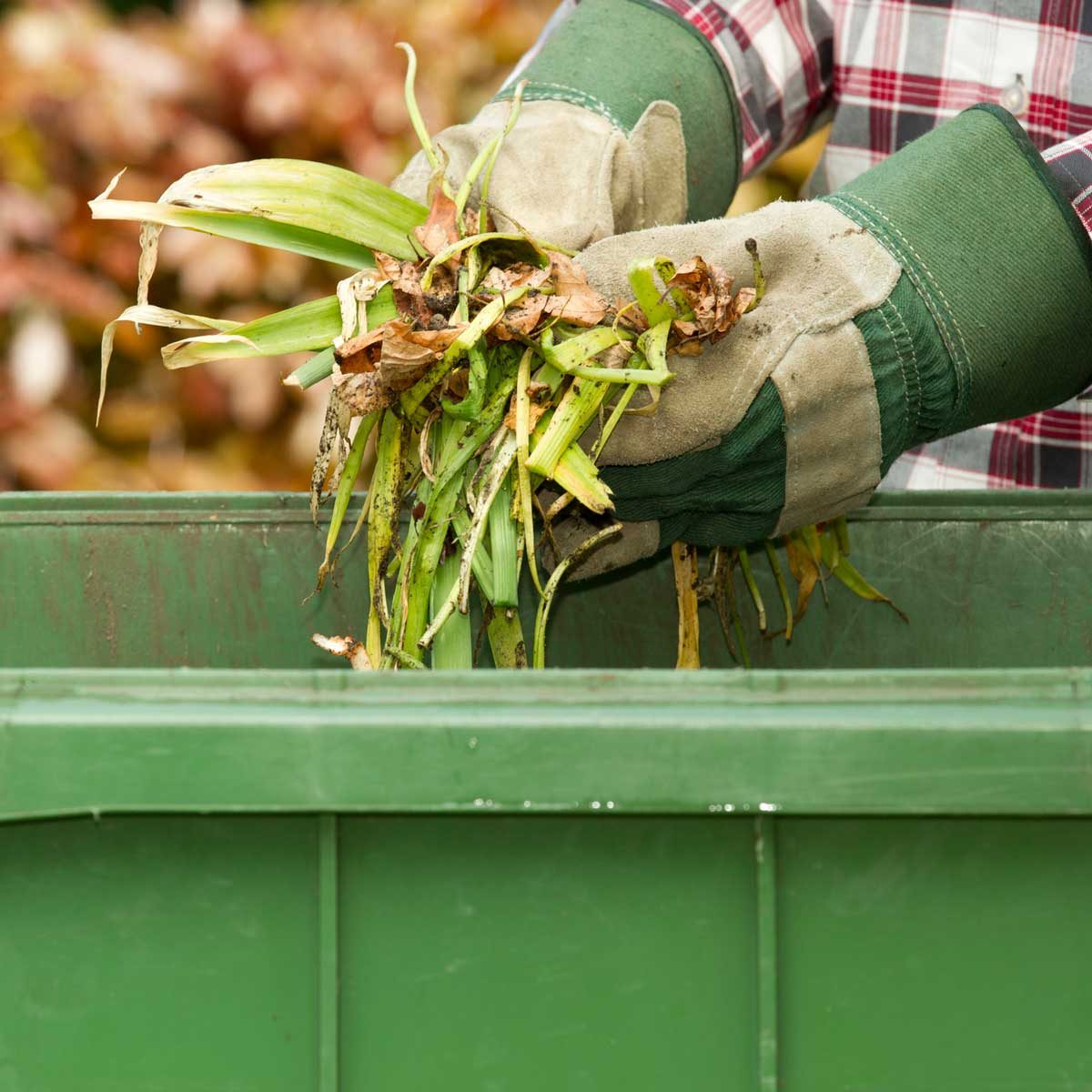
Community yard waste programshelp recycle leaves, grass, and branches. They turn waste into compostor mulch for gardens. Many towns have drop-off siteswhere residents bring organic waste. These sites often accept items like yard clippings, small branches, and plant debris.
Before using these programs, check rules and regulations. Some sites have limits on type and amountof waste allowed. Many ask to keep waste free from plastic, trash, and non-organic material. Following these rules helps keep the process safe and effective.
Credit: www.coryslawnservice.com
Using Lawn Waste For Wildlife Habitats
Building brush piles with lawn waste creates safe homes for small animals. These piles offer shelter from weather and predators. They also serve as nesting spots for birds.
Attracting beneficial insects and birds helps control pests naturally. Lawn waste provides food and hiding places for these creatures. This supports a balanced, healthy garden.
Maintaining natural yard areas means leaving some spaces wild. These zones encourage biodiversity and give animals a place to live. They reduce waste by using grass and leaves on site.
Avoiding Harmful Disposal Practices
Burning lawn wastereleases smoke that harms air quality and health. It creates toxic gasesthat pollute the environment. Also, it can cause wildfiresand damage nearby plants and animals. Better to avoid burning and choose safer disposal methods.
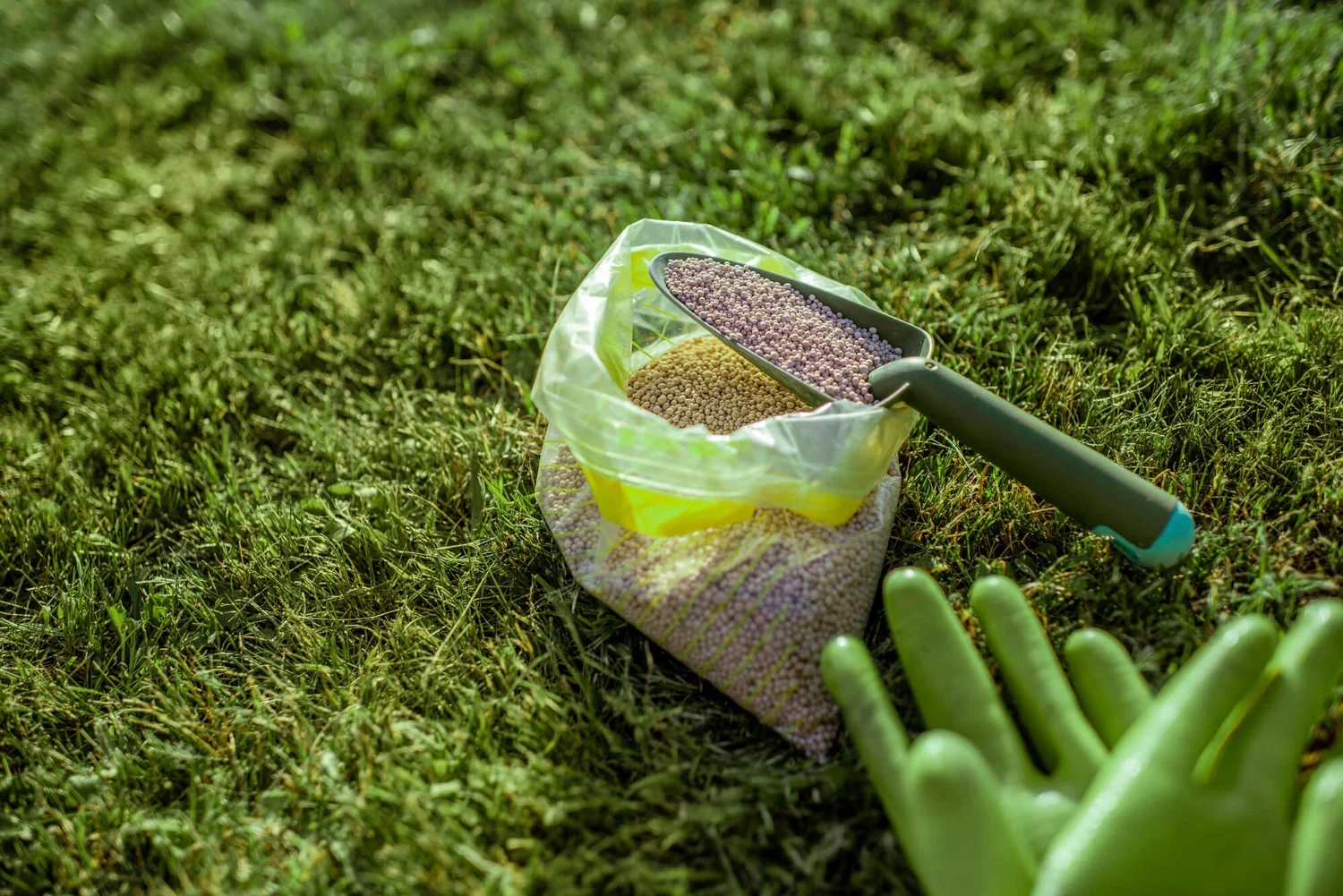
Chemical treatments on lawns can be harmful too. Pesticides and fertilizers may kill bugs but can also harm soil healthand beneficial insects. Chemicals can seep into the ground and water, causing pollution. Using natural or organic treatments helps protect nature and keeps the lawn healthy.
Water pollution can happen if lawn waste or chemicals enter streams or rivers. This affects fish and other wildlife. To stop water pollution:
- Keep lawn waste away from water bodies
- Use composting to recycle grass clippings
- Limit or avoid chemical use near water
- Pick up pet waste to prevent contamination

Credit: www.epicgardening.com
Frequently Asked Questions
What Are The Best Eco-friendly Lawn Disposal Methods?
Composting is the top eco-friendly lawn disposal method. It recycles grass clippings into nutrient-rich soil. Mulching is another green option, reducing waste and feeding your lawn naturally.
How Does Composting Help With Lawn Waste Disposal?
Composting breaks down lawn waste into organic matter. This process enriches soil and reduces landfill use. It’s an easy, sustainable way to recycle grass clippings and leaves.
Can Mulching Replace Traditional Lawn Waste Disposal?
Yes, mulching recycles grass clippings directly onto your lawn. It reduces the need for disposal and adds nutrients back to the soil. This method conserves water and reduces yard waste.
Is Burning Lawn Waste Eco-friendly Or Harmful?
Burning lawn waste releases harmful pollutants into the air. It’s not an eco-friendly disposal method. Composting or mulching are healthier and safer alternatives.
Conclusion
Choosing eco friendly lawn disposal helps protect the environment. It reduces waste and supports soil health. Composting grass and leaves returns nutrients back to the earth. Mulching keeps moisture in the soil and cuts down on trash. These methods save money and reduce pollution too.
Small steps in lawn care make a big difference. Start today for a cleaner, greener yard tomorrow. Simple actions create lasting benefits for your lawn and planet.