Are you ready to transform your lawn into a lush, green paradise without harming the environment? Your lawn can look amazing while saving water, reducing chemicals, and supporting local wildlife.
Imagine stepping outside to a healthy yard that’s safe for your family and pets. This guide will share simple, practical tips you can start using today to make your lawn care eco friendly. Keep reading to discover easy changes that make a big difference—for your grass and the planet.
Benefits Of Eco Friendly Lawn Care
Improved soil healthmeans richer, stronger ground for plants. Healthy soil holds water and nutrients better. It supports earthworms and helpful microbes that keep soil alive and growing. Using natural compost and avoiding chemicals keeps soil soft and fertile.
Water conservationsaves this precious resource. Using mulch and watering plants early or late reduces water loss. Lawns treated with eco-friendly methods need less water. This helps protect rivers and lakes from drying up.
- Reduced chemical uselowers pollution risks.
- Fewer pesticides and fertilizers keep water clean.
- Safe for kids, pets, and wildlife.
Enhanced biodiversitybrings many benefits. A healthy lawn attracts bees, butterflies, and birds. Diverse plants and animals create a balanced ecosystem. This natural balance helps control pests and improve plant growth.

Credit: landzie.com
Choosing The Right Grass
Native grass varietiesgrow well in local soil and weather. They need less water and care. These grasses help keep the lawn healthy without harming the environment.
Drought tolerant options use less water. They save water and stay green during dry times. Choosing drought-tolerant grass reduces your water bill and helps nature.
- Low maintenance typesneed less mowing and fertilizer.
- They save time and money.
- Less work means a happier lawn and owner.
Soil Preparation Techniques
Compostingadds rich nutrients to the soil. It helps plants grow strong and healthy. Mulching keeps soil moist and stops weeds from growing. Both improve soil structure over time.
Aerationlets air and water reach the roots easily. Using a garden fork or aerator tool can help. This makes the lawn green and lush by improving root health.
Natural fertilizerslike bone meal, fish emulsion, and seaweed provide gentle nutrients. They feed the soil without harmful chemicals. These fertilizers support good bacteria and earthworms too.
Watering Strategies
Using efficient irrigation systems saves water. Drip irrigation directs water to roots. Less water is wasted. Sprinklers with timers are also helpful. They turn off automatically. This prevents overwatering and saves resources.
Early morning is the best time to water. The sun is not too hot. Water can soak into the ground. This helps roots grow strong. Evening watering is good too. But avoid late night as it may cause mold.
Collect rainwater in barrels. It is free and eco-friendly. Use this water for your lawn. It reduces the need for tap water. It’s a smart way to help the environment.
Natural Pest Control
Beneficial insectslike ladybugs and spiders help keep pests away naturally. They eat harmful bugs that can damage your lawn.
Organic pesticidesare made from natural ingredients. They protect your grass without using harsh chemicals. These pesticides are safer for pets, children, and the environment.
Companion plantingmeans planting certain plants close together. Some plants can repel pests or attract good insects. For example, marigolds can keep bugs away from your grass and flowers.
Mowing Practices
Set the mower blade height to cut only the top third of the grass. This helps keep the grass healthy and strong. Cutting too short can stress the lawn and invite weeds.
Grasscycling means leaving grass clippings on the lawn after mowing. These clippings return nutrients to the soil, reducing the need for fertilizer. It also saves time and helps the environment by reducing waste.
- Spring: Mow regularly to help new grass grow strong.
- Summer: Raise the mower height to protect grass from heat.
- Fall: Lower the mower slightly to prepare the lawn for winter.
Promoting Wildlife Habitats
Planting native flowershelps local birds, bees, and butterflies. These flowers need less water and care. They also fit well with the local soil and weather.
Creating shelter areaslike brush piles or small bushes gives animals safe homes. Birds and small mammals find a place to hide from predators and bad weather.
Avoiding harmful chemicalskeeps insects and soil healthy. Pesticides and fertilizers can hurt wildlife and pollute water. Use natural ways to control pests and feed plants.

Credit: getlawnbright.com
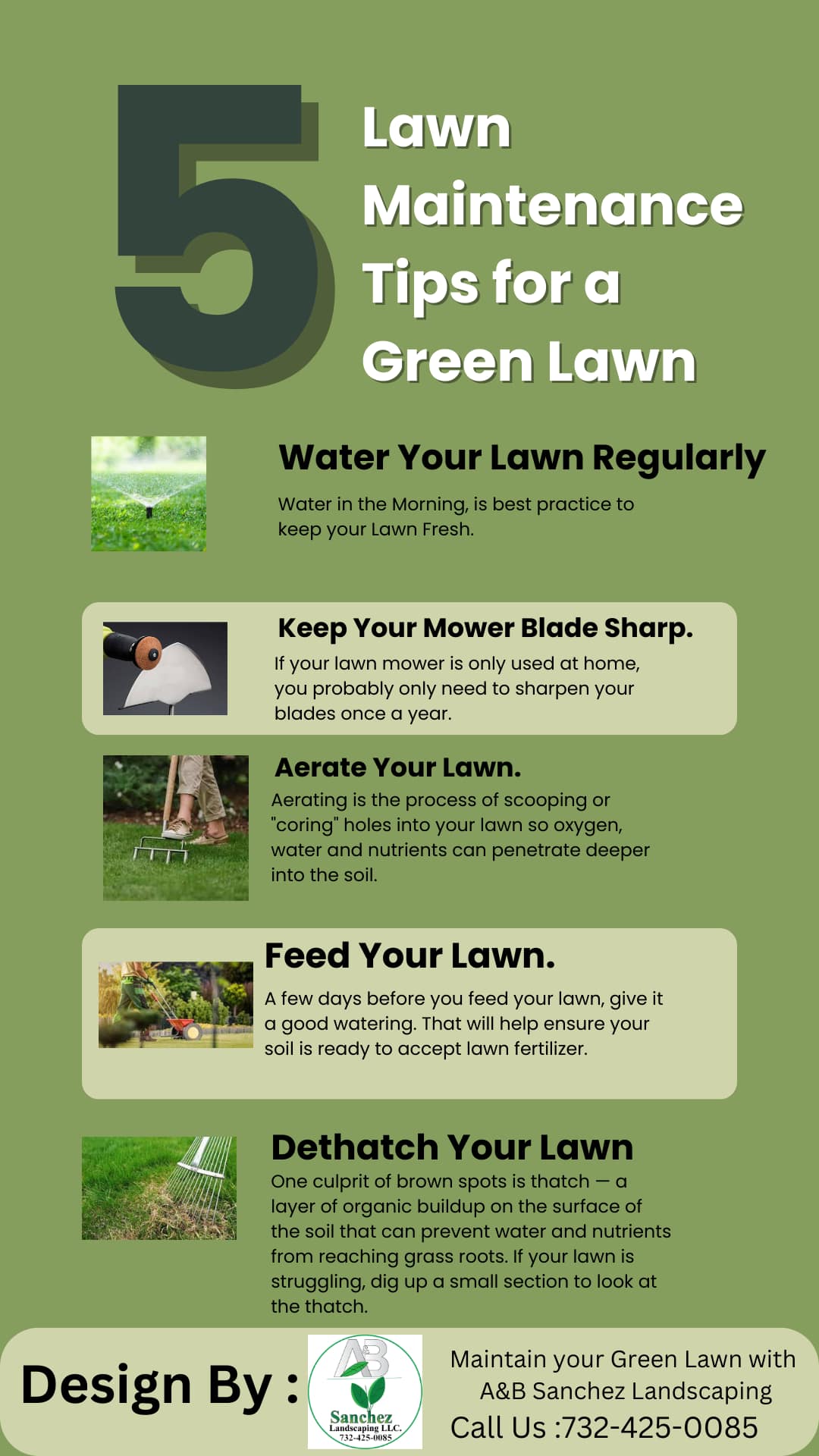
Credit: absanchezlandscaping.com
Frequently Asked Questions
What Are The Best Eco-friendly Lawn Care Practices?
Best eco-friendly lawn care includes using organic fertilizers, watering efficiently, mowing high, and planting native grass types. Avoid chemical pesticides to protect soil and water quality.
How Can I Reduce Water Use In Lawn Care?
Water your lawn early in the morning to minimize evaporation. Use drip irrigation or soaker hoses and fix leaks promptly. Choose drought-resistant grass varieties for less frequent watering.
Why Choose Organic Fertilizers For Lawn Care?
Organic fertilizers improve soil health and promote strong grass roots naturally. They release nutrients slowly, reducing pollution risks and enhancing long-term lawn sustainability.
How Does Mowing Height Affect Lawn Health And Environment?
Mowing high keeps grass roots deeper and soil cooler, reducing water needs. It also prevents weed growth and lessens lawn stress, supporting a healthier, eco-friendly yard.
Conclusion
Caring for your lawn can help protect the environment. Simple steps make a big difference. Use less water and avoid harmful chemicals. Choose native plants that grow well in your area. This keeps your lawn healthy and saves energy. Small changes add up over time.
Your lawn can be green and eco-friendly. Enjoy a beautiful yard that helps the planet too. Start today and see the benefits soon.