Are you tired of seeing piles of grass clippings go to waste after every lawn mow? What if you could turn that leftover grass into something useful, saving money and helping the planet at the same time?
Eco friendly grass recycling is a simple way to do just that. It’s not only good for your garden but also reduces waste and cuts down on harmful emissions. Keep reading to discover easy, smart steps you can take to recycle your grass clippings and make a real difference right in your own backyard.
Credit: www.epicgardening.com
Benefits Of Grass Recycling
Grass recyclinghelps lower the amount of waste sent to landfills. It stops grass clippings from piling up and causing problems. This process keeps the environment cleaner and reduces bad smells from trash.
Using grass clippings on the lawn adds nutrients back into the soil. These nutrients help the grass grow strong and green. It also improves the soil’s ability to hold water and stay healthy.
| Benefit | Explanation |
|---|---|
| Saving Water | Grass clippings act as mulch, keeping soil moist longer. This means less watering is needed. |
| Reducing Fertilizer Use | Natural nutrients from grass reduce the need for extra fertilizers. This saves money and helps the environment. |
Methods For Grass Recycling
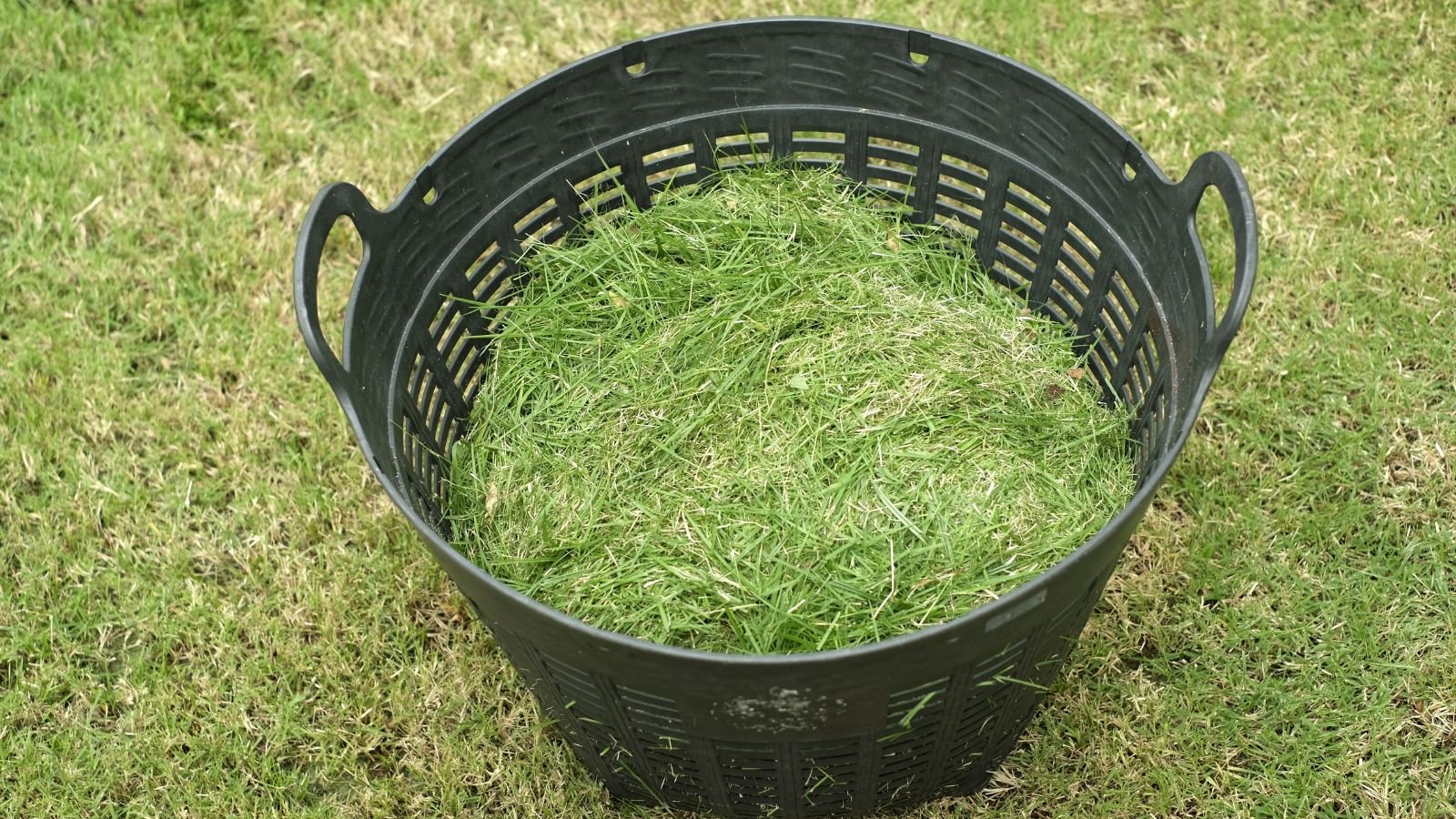
Grasscyclingmeans leaving grass clippings on the lawn. It helps grass get natural food. The clippings break down and add nutrientsto the soil. This saves time and reduces waste.
Composting grass clippingsturns them into rich soil for plants. Mix dry leaves or straw with fresh grass. Keep the pile moist and turn it often. This stops bad smells and speeds up decay.
Using mulch mowerscuts grass into tiny pieces. These pieces fall back into the lawn easily. Mulch mowers help grass stay green and healthy. They also reduce the need for extra fertilizer.
Choosing Eco-friendly Lawn Equipment
Electric lawn toolsare quieter and cleaner than gas-powered ones. They produce no harmful fumesand need less maintenance. Charging batteries is simple and saves money over time. Gas-powered tools offer more power and longer run times but create air pollutionand noise.
For better efficiency, keep blades sharp and clean. Check batteries often and charge before use. For gas tools, change oil regularly and clean air filters. Store tools in a dry place to avoid rust. Proper care extends tool lifeand saves energy.

Credit: www.dreamstime.com
Sustainable Lawn Care Practices
Natural fertilizers are safe for the earth. They help grass grow strong. Compost and manure are good choices. They give nutrients to the soil. For pest control, try using ladybugs. They eat harmful insects. Neem oil is another safe option. It keeps pests away without chemicals. Always check your plants for pests. Early detection keeps your lawn healthy.
Watering early in the morning saves water. Sun won’t dry it fast. Deep watering makes roots strong. It helps grass grow deep. Avoid watering every day. Twice a week is often enough. Use rain barrels to collect water. It’s a free source for watering. Drip irrigation can save water too. It delivers water directly to roots.
Native grasses are easy to grow. They need less water and care. They adapt well to local weather. This makes them strong and healthy. Native plants attract local wildlife. Birds and insects love them. Choose grasses that match your soil type. Research which grasses grow best in your area. Native grasses are nature’s choice for your lawn.
Community Initiatives And Resources
Local recycling programshelp communities turn grass clippings into useful compost. Many towns have drop-off points for grass waste. Some offer curbside collection for easy recycling. These programs reduce landfill waste and support soil health. They often provide bins or bags to separate grass from trash.
Workshops and educational events teach people how to recycle grass at home. These sessions show simple ways to compost or mulch grass. Participants learn about benefits like saving water and reducing chemicals. Community centers and libraries often host these free events. Joining these workshops can build greener habits and stronger local bonds.
Credit: stock.adobe.com
Frequently Asked Questions
What Is Eco Friendly Grass Recycling?
Eco friendly grass recycling means reusing grass clippings naturally. It reduces waste and enriches soil without chemicals. This process supports sustainable gardening and lowers environmental impact by preventing grass from ending up in landfills.
How Does Grass Recycling Benefit The Environment?
Grass recycling reduces landfill waste and lowers greenhouse gases. It enriches soil with natural nutrients, promoting healthier plants. This eco-friendly practice conserves resources, cuts pollution, and supports sustainable gardening efforts.
Can Grass Clippings Improve Soil Quality?
Yes, grass clippings add organic matter and nutrients to soil. They enhance moisture retention, reduce erosion, and promote healthy microbial activity. Using clippings as mulch or compost boosts soil fertility naturally.
Is Grass Recycling Cost-effective For Homeowners?
Grass recycling saves money by reducing waste disposal fees and fertilizer costs. It minimizes the need for chemical fertilizers and watering. This low-cost, natural solution supports sustainable lawn care and environmental health.
Conclusion
Recycling grass helps protect the earth and saves resources. It reduces waste and lowers pollution. Using grass clippings as mulch or compost improves soil health naturally. Small actions like these make a big difference over time. Everyone can join in and help the environment.
Choose eco-friendly grass recycling for a cleaner, greener future. Simple steps lead to lasting change.





