
Are you tired of spending hours cutting your grass, only to worry about the impact on the environment? What if you could keep your lawn looking great while helping the planet at the same time?
Eco friendly grass cutting techniques offer simple, smart ways to care for your yard without harming nature. You’ll discover easy methods that save energy, reduce waste, and protect your soil. Stick with us, and you’ll learn how to make your lawn care routine greener and more effective—starting today.

Credit: www.yahoo.com
Benefits Of Eco Friendly Lawn Care
Reducing carbon footprintmeans using tools that save energy. Electric or manual mowers cut down air pollution. Less fuel use helps keep the air clean.
Improving soil healthhappens by leaving grass clippings on the lawn. They act as natural fertilizer. This keeps the soil moist and full of nutrients. Healthy soil grows stronger grass.
Promoting biodiversitysupports many plants and animals. Letting parts of the lawn grow wild helps insects and birds. Diverse gardens are good for the environment and look nice too.

Credit: www.yahoo.com
Choosing Sustainable Lawn Mowers
Manual reel mowersare quiet and do not use fuel or electricity. They need physical effort but are good for small lawns. These mowers cut grass cleanly and help keep your lawn healthy.
Electric and battery-powered mowersproduce no direct emissions. They are lighter and easier to usethan gas mowers. Batteries allow cordless use, making them convenientand environmentally friendly.
| Type | Power Source | Pros | Cons |
|---|---|---|---|
| Manual Reel Mowers | Human effort | Quiet, no emissions, healthy cut | Requires physical work, small lawns only |
| Electric/Battery-Powered | Electricity/Battery | Easy to use, no fumes, cordless options | Limited run time, battery needs charging |
| Solar-Powered Mowers | Solar energy | Renewable energy, low running cost | Higher upfront cost, depends on sunlight |
Solar-powered mowersuse the sun’s energy to run. They reduce electricity bills and pollution. Their use depends on sunlight availability. These mowers are best for sunny areas.
Grass Cutting Techniques
Keep grass at the right height. Tall grass keeps more moisture. Cut grass when it’s dry. Use a sharp blade for clean cuts. Never remove more than one-third of the grass height. This keeps the grass healthy and strong. Mow regularly but not too often. This helps grass grow thicker and healthier.
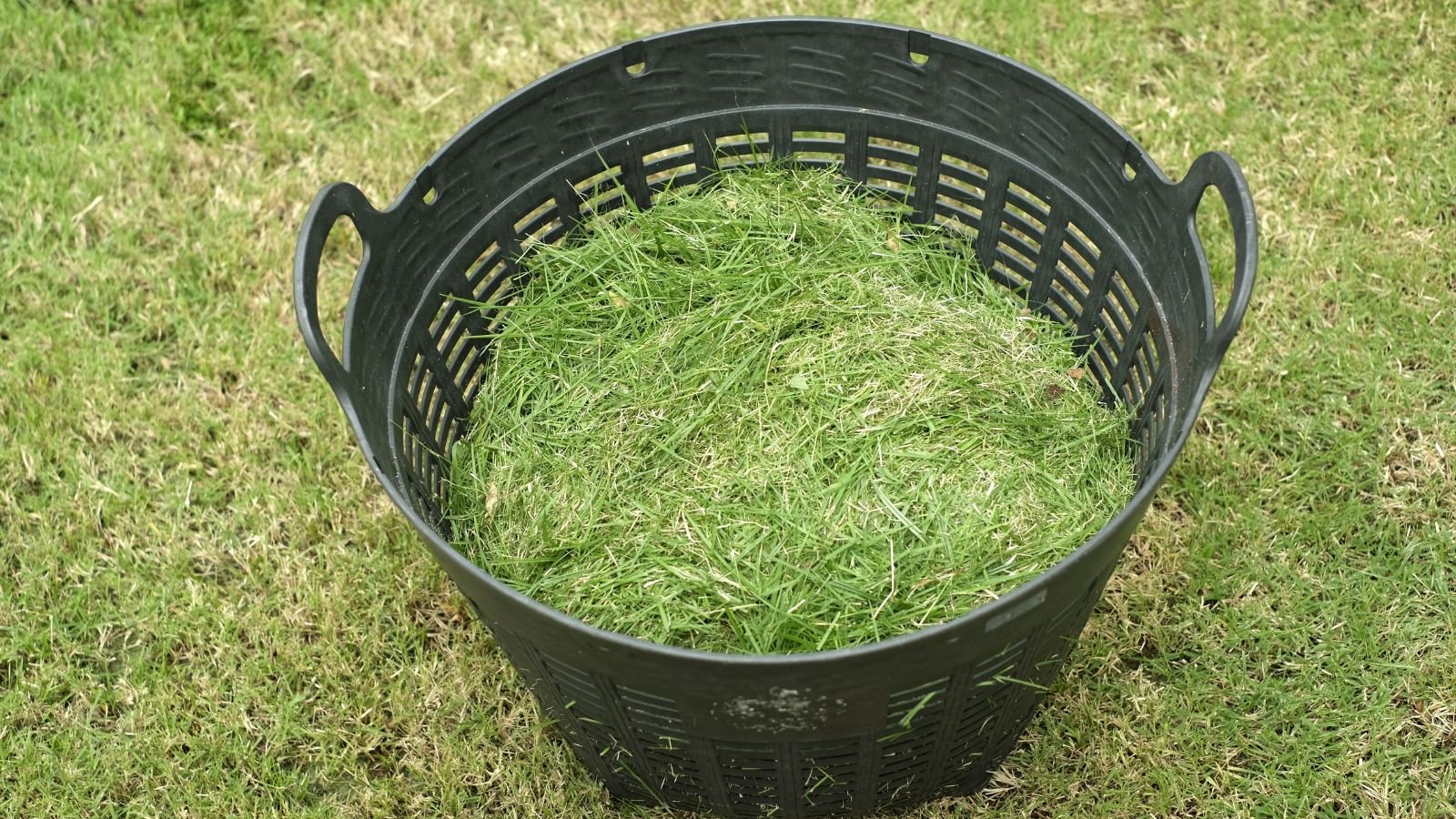
Grasscycling means leaving cut grass on the lawn. It helps in nutrient recycling. The cut grass acts as natural fertilizer. It keeps the lawn healthy. Grass clippings break down quickly. They return nutrients to the soil. This reduces the need for chemical fertilizers. It’s a simple and eco-friendly technique.
Scalping is cutting grass too short. It can harm the grass. It exposes soil to sunlight. This can dry out the soil. Keep mower blades high to avoid scalping. Protect the grass and soil. Healthy grass grows better. It also looks green and lush.
Water Conservation Strategies
Watering early in the morninghelps reduce evaporation. This means more water reaches the grass roots. Avoid watering in the heat of the day.
Drought-resistant grass typesneed less water. They stay green and healthy with less moisture. Examples include Bermuda grass and Buffalo grass.
| Rainwater Harvesting Benefits | Description |
|---|---|
| Reduces water bills | Collects rainwater for lawn use, saving tap water. |
| Good for the environment | Less strain on city water systems and rivers. |
| Easy to set up | Simple barrels or tanks can catch rainwater from roofs. |
Natural Lawn Fertilization
Composting grass clippings is a smart way to nourish your lawn naturally. Fresh clippings break down quickly, adding valuable nutrients back into the soil. Keep the pile moist and turn it often to speed up decomposition. This process creates rich compost that improves soil texture and fertility.
Organic fertilizers such as bone meal, fish emulsion, and seaweed extracts provide essential nutrients without chemicals. These natural amendments help the soil retain moisture and support healthy grass growth. Regular use improves the lawn’s strength and color.
Beneficial microorganisms play a key role in soil health. They break down organic matter and release nutrients plants can absorb easily. Encouraging these tiny helpers through organic matter addition enhances soil life. This leads to a greener, more resilient lawn with less need for synthetic products.
Promoting Wildlife And Pollinators
Planting native specieshelps local wildlife thrive. These plants attract bees, butterflies, and birds. They also need less water and care. This supports the natural balance in your garden.
Creating habitat zonesgives animals places to live and hide. Leave some areas with long grass or wildflowers. Small piles of leaves or logs also offer shelter. These zones boost biodiversity and protect pollinators.
- Avoiding harmful chemicalskeeps insects and soil healthy.
- Pesticides and herbicides can kill bees and worms.
- Use natural ways to control pests instead.
- This helps maintain a safe environment for all creatures.
Seasonal Lawn Care Tips
Spring Preparationinvolves clearing debris and mowing at a higher setting. This helps grass grow strong and healthy. Aerate the soil to improve air and water flow. Use organic fertilizers to feed the lawn gently. Plant native grass types to reduce water use and chemicals.
Summer Maintenancerequires watering early in the morning to save water. Keep the mower blades sharp for clean cuts. Raise the mower height to protect grass from heat stress. Avoid cutting more than one-third of the grass length at once. Leave grass clippings on the lawn to add natural nutrients.
Fall Cleanup and Winterizingmeans removing fallen leaves to prevent mold growth. Continue mowing until grass stops growing. Apply a light layer of organic fertilizer to help roots store energy. Rake the lawn gently to remove dead grass. Prepare your mower for winter by cleaning and storing it properly.
Credit: www.epicgardening.com
Frequently Asked Questions
What Are Eco Friendly Grass Cutting Techniques?
Eco friendly grass cutting uses manual or electric tools to reduce emissions. Techniques include mulching, leaving grass clippings, and mowing less often. These methods protect soil health and promote biodiversity while saving energy.
How Does Mulching Benefit Lawn Health?
Mulching cuts grass into fine pieces and leaves them on the lawn. This returns nutrients to the soil naturally. It reduces the need for fertilizers and keeps the grass moist, supporting a healthier, greener lawn.
Why Use Electric Mowers Over Gas-powered Ones?
Electric mowers produce zero emissions and are quieter than gas mowers. They reduce air pollution and noise disturbance. Additionally, electric mowers require less maintenance and save fuel costs, making them eco friendly and cost-effective.
How Often Should I Mow To Protect Grass?
Mowing your grass every 7 to 10 days is ideal. This prevents cutting too short, which stresses grass and wastes energy. Consistent mowing encourages strong roots and a healthier lawn ecosystem.
Conclusion
Choosing eco friendly grass cutting techniques helps protect nature. These methods save energy and reduce pollution. They also keep your lawn healthy and green. Small changes make a big difference over time. Try using hand tools or electric mowers with batteries.
Cut grass less often to support insects and soil. Caring for your lawn this way benefits the planet and your home. Simple steps create a cleaner, safer environment for everyone.





