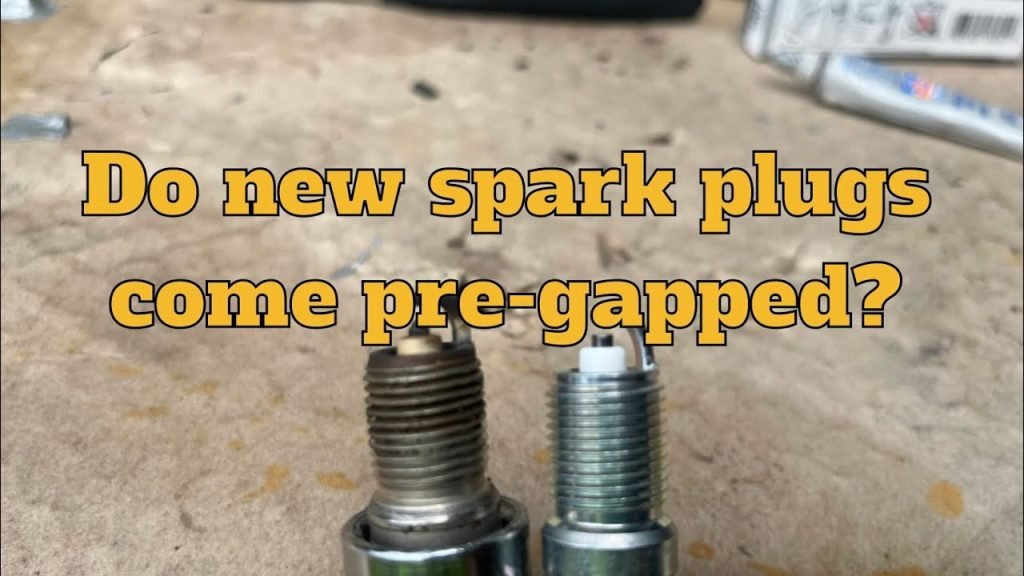
Are you gearing up for some car maintenance or looking to enhance your vehicle’s performance? If spark plugs are on your checklist, you’re probably wondering, “Do spark plugs come pre-gapped?”
This is a crucial question, as the gap in a spark plug can significantly affect your car’s efficiency and performance. Understanding whether you need to adjust the gap or if it’s already set can save you time, prevent potential issues, and ensure your engine runs smoothly.
We’ll uncover the truth about spark plug gaps and give you the knowledge you need to make informed decisions for your vehicle. Keep reading to discover whether you can skip the gapping step or if it’s a vital part of your car maintenance routine.
Credit: www.mustangecoboost.net
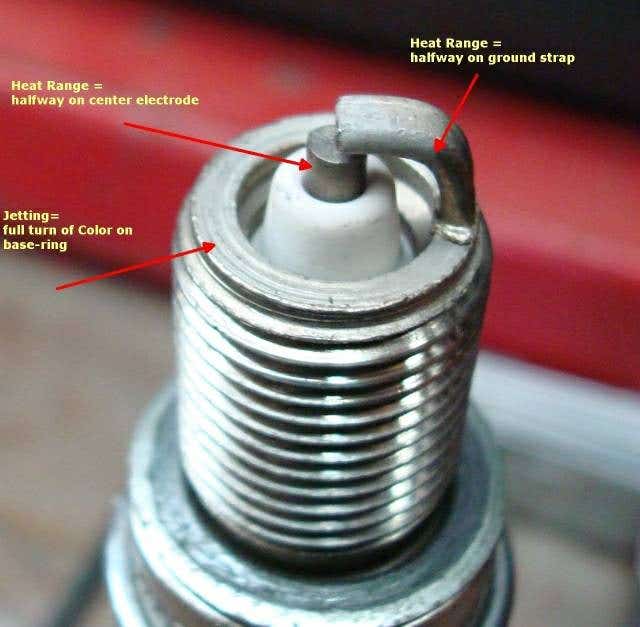
What Is Spark Plug Gap
The spark plug gap is the small space between the center and ground electrodes of a spark plug. This tiny gap plays a big role in how well your engine runs. It controls the spark that ignites the air-fuel mixture inside the engine cylinders. Getting the gap right is key for smooth engine performance and fuel efficiency.
Role Of The Gap In Engine Performance
The spark plug gap affects the strength and size of the spark. A correct gap allows a strong spark to jump across the electrodes easily. This spark lights the fuel-air mix quickly and completely. If the gap is too small, the spark is weak and may cause misfires. If the gap is too wide, the spark might not jump at all. Both cases can lead to poor engine power and higher fuel use.
Standard Gap Measurements
Different engines need different spark plug gaps. Usually, the gap ranges from 0.028 to 0.065 inches (0.7 to 1.6 mm). Most car manufacturers give the exact gap size needed. This information is in the vehicle’s manual or on a sticker under the hood. Always check and adjust the gap before installing new spark plugs to match your engine’s needs.
Are Spark Plugs Pre Gapped
Are spark plugs pre gapped? This question often comes up during car maintenance. The gap between spark plug electrodes affects engine performance. It controls the spark size and ignition quality. Many spark plugs come with a set gap from the factory. But this gap might not suit every engine. Understanding factory settings and variations helps you decide if you need to adjust the gap.
Factory Settings Explained
Most spark plugs arrive with a factory gap. This gap is usually close to the standard size recommended for many engines. Manufacturers set it to balance performance and durability. The factory gap ensures the plug works well for common uses. It saves time for mechanics and car owners. Yet, these settings are not perfect for every vehicle. Checking the gap before installation is a good practice. This prevents misfires and poor fuel economy.
Variations By Brand And Type
Spark plug gaps differ between brands and types. Some brands offer plugs with a wider or narrower gap. Performance plugs may have a different gap than standard ones. Iridium and platinum plugs often have smaller gaps. This suits their design and material properties. Off-the-shelf plugs might need regapping for specific engines. Always check the vehicle manual for the correct gap. Adjusting the gap helps achieve better ignition and engine health.
Why Gap Adjustment Matters
Adjusting the spark plug gap is more than just a technical step—it directly influences how well your engine performs. The gap controls the spark that ignites the air-fuel mixture in your engine’s cylinders. If this distance isn’t set correctly, you risk inefficient combustion and reduced engine life.
Many spark plugs come pre-gapped, but that doesn’t guarantee the gap suits your specific engine. Different vehicles and driving conditions demand different gap sizes. Ignoring this can lead to noticeable drops in performance and fuel economy.
Effects On Fuel Efficiency
The spark plug gap affects how completely the fuel burns inside the cylinder. A gap that’s too wide can cause a weak spark, leading to incomplete combustion. This means your engine wastes fuel, which you’ll see reflected at the pump.
On the other hand, a gap that’s too narrow can reduce the spark’s intensity. This also results in less efficient burning of fuel. Have you ever noticed your fuel gauge dropping faster than usual? The spark plug gap might be the culprit.
Adjusting the gap to the manufacturer’s recommended specification helps your engine burn fuel more efficiently. This small tweak can improve your miles per gallon (MPG) without any additional cost.
Impact On Ignition And Power
A correct spark plug gap ensures a strong, consistent spark to ignite the air-fuel mix. This leads to smoother starts, better throttle response, and more power from your engine. If you feel your car hesitates or lacks power, checking the gap might solve the problem.
Too large a gap can cause misfires because the spark struggles to jump across the electrodes. Misfires not only hurt your engine’s power but can also damage components over time. Conversely, a gap that’s too small can reduce spark strength, limiting the engine’s performance potential.
Think of the gap as the bridge for your spark. If it’s too wide or too narrow, the spark either won’t cross or won’t be strong enough. Setting the right gap gives your engine the power it needs to run smoothly and reliably.

Credit: www.theengineeringchoice.com
How To Check Spark Plug Gap
Checking the gap on your spark plugs is a simple yet crucial task. The right gap ensures your engine runs smoothly and efficiently. If the gap is too wide or too narrow, you might face misfires, poor fuel economy, or rough idling.
Before you start, make sure you have the right tools and a clear method to measure the gap accurately. This will save you time and prevent damage to the spark plug or engine.
Tools Needed
- Feeler Gauge:This is the most common tool to measure spark plug gaps. It has thin metal blades of various thicknesses.
- Spark Plug Gap Tool:A simple plastic or metal tool designed specifically for adjusting and measuring gaps.
- Caliper (optional):For more precise measurements, some mechanics prefer digital or dial calipers.
- Owner’s Manual or Manufacturer’s Specs:Always know the correct gap size for your vehicle’s spark plugs.
Step-by-step Measurement Process
Start by cleaning the spark plug to remove any dirt or debris that might affect the measurement.
Pick the feeler gauge blade or gap tool that matches the recommended gap size from your manual.
- Carefully slide the gauge between the center electrode and the ground electrode of the spark plug.
- The blade should fit snugly, allowing you to slide it with slight resistance. If it’s too loose or tight, the gap needs adjustment.
- To adjust, gently bend the ground electrode. Be careful not to apply too much force, which can damage the plug.
- Recheck the gap after adjusting until it matches the specified measurement exactly.
Have you ever wondered why your engine stutters or uses more fuel? It might be as simple as a spark plug gap that’s off by just a fraction. Checking and adjusting the gap yourself can save you money and improve your car’s performance.
Adjusting Spark Plug Gap
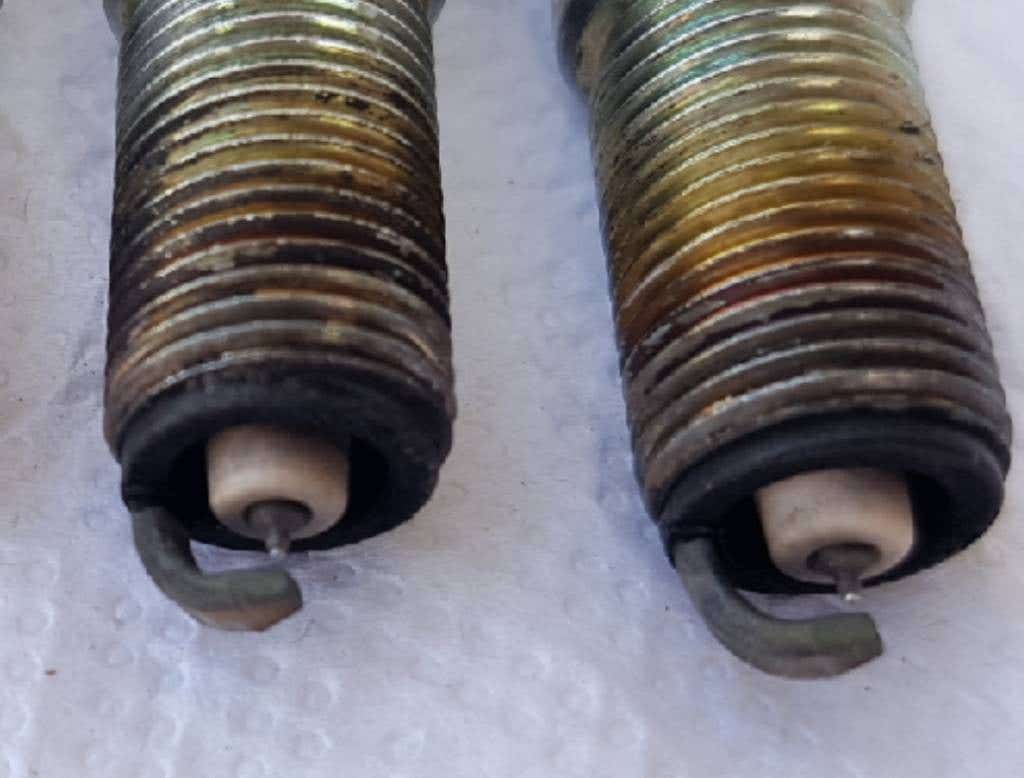
Adjusting the spark plug gap is a key step for proper engine performance. The gap affects how the spark ignites the fuel-air mix. A correct gap helps the engine run smooth and saves fuel. Sometimes spark plugs come pre-gapped, but double-checking is always wise. Adjusting the gap ensures it matches your engine’s needs.
Methods For Increasing Gap
- Use a spark plug gap tool or feeler gauge to measure the gap.
- Gently bend the ground electrode outward to widen the gap.
- Apply small, slow movements to avoid breaking the electrode.
- Recheck the gap after each adjustment for accuracy.
Methods For Decreasing Gap
- Press the ground electrode closer to the center electrode.
- Use the flat side of a spark plug tool to carefully push the electrode.
- Make slight adjustments to avoid over-tightening the gap.
- Measure the gap frequently to get the desired size.
Precautions To Avoid Damage
- Handle spark plugs with care to prevent electrode breakage.
- Do not use excessive force when adjusting the gap.
- Avoid scratching or damaging the electrode surface.
- Always use the correct tool designed for gap adjustment.
- Check the gap multiple times to ensure precision.
Credit: www.mustangecoboost.net
When To Replace Or Re Gap Spark Plugs
Knowing when to replace or re gap spark plugs helps keep your engine running smoothly. Spark plugs wear out over time and affect performance. Sometimes, adjusting the gap improves ignition and fuel efficiency. Checking spark plugs regularly prevents bigger engine problems.
Signs Of Worn Spark Plugs
- Engine misfires during acceleration or idling
- Hard starting or difficulty turning over
- Poor fuel economy compared to usual
- Rough or uneven engine idle
- Loss of power or sluggish acceleration
- Increased exhaust emissions or smoke
These symptoms indicate spark plugs may be damaged or out of specification. Inspecting and measuring the gap can reveal if re gapping is needed.
Recommended Maintenance Intervals
| Type of Spark Plug | Replacement Interval | Gap Checking Interval |
|---|---|---|
| Copper Spark Plugs | 20,000 to 30,000 miles | Every 10,000 miles |
| Platinum Spark Plugs | 60,000 to 100,000 miles | Every 20,000 miles |
| Iridium Spark Plugs | 100,000 miles or more | Every 30,000 miles |
Follow the vehicle manufacturer’s recommendations for exact intervals. Adjust the gap using a feeler gauge if it is outside the correct range.
Tips For Choosing Spark Plugs
Choosing the right spark plugs is key to your engine’s performance. The correct plugs improve fuel efficiency and reduce emissions. They also help your car start smoothly and run quietly. Knowing how to pick the best spark plug saves money and hassle.
Matching Plugs To Your Vehicle
Every vehicle needs specific spark plugs. Check your owner’s manual for the exact type. Using the wrong plugs can cause poor engine performance. The right plugs match your engine’s size and design. Some engines need platinum or iridium tips for durability. Others work well with copper plugs. Always follow manufacturer recommendations.
Considering Gap Specifications
The gap is the space between the plug’s electrodes. This gap affects the spark’s strength and timing. Most spark plugs come pre-gapped, but check before installation. The correct gap ensures proper ignition and fuel burning. Use a gap tool to measure and adjust if needed. Too wide or too narrow gaps cause misfires and poor mileage.
Frequently Asked Questions
Do Spark Plugs Come Pre-gapped From The Factory?
Yes, most spark plugs come pre-gapped from the factory. This gap suits many standard engines but may need adjustment for specific vehicles.
Why Should I Check The Spark Plug Gap Before Installation?
Checking the gap ensures optimal engine performance. An incorrect gap can cause misfires, poor fuel efficiency, and engine damage.
How Do I Adjust The Gap On A Spark Plug?
Use a spark plug gap tool to gently bend the electrode. Adjust until the gap matches your vehicle’s specifications.
Can A Wrong Spark Plug Gap Damage My Engine?
Yes, a wrong gap can cause misfires, rough idling, and reduced power. It may also increase emissions and fuel consumption.
Conclusion
Spark plugs often come pre-gapped for convenience. Still, checking the gap before installation is smart. Different engines need different gap sizes. A wrong gap can cause engine problems. Adjusting the gap is simple with the right tool. Always follow your vehicle’s manual for the correct gap.
Properly gapped spark plugs help your engine run well. Taking a moment to check saves time and money later. Keep your engine healthy by paying attention to spark plug gaps.





