Have you ever popped the hood of a car and wondered about the intricate maze of components that make it run? If you’ve ever pondered about diesel engines, you might find yourself asking: “Does a diesel engine have a spark plug?”
It’s a common question, and the answer might surprise you. Understanding the inner workings of your vehicle can seem daunting, but it’s easier than you think. This article will unravel the mystery behind diesel engines and their components, breaking it down into simple terms.
Dive in to discover how diesel engines operate differently from their gasoline counterparts and why the absence of a spark plug is crucial to their design. By the end, you’ll have a newfound appreciation for the engineering marvel sitting under your hood. Curious? Let’s satisfy that curiosity together!
How Diesel Engines Ignite Fuel
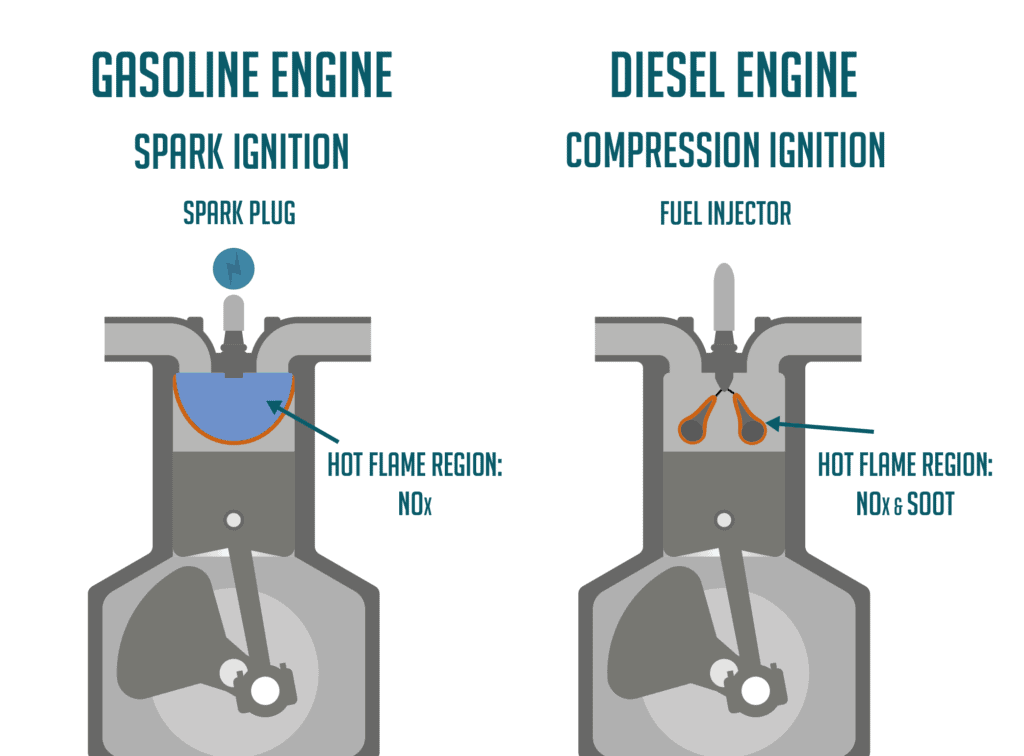
Diesel engines ignite fuel differently than gasoline engines. They do not use spark plugs. Instead, they rely on high temperature and pressure inside the cylinder. This process is called compression ignition. It allows diesel fuel to ignite without any external spark.
Compression Ignition Process
In a diesel engine, air is first compressed to a very high pressure. This compression heats the air to a temperature above diesel’s ignition point. Then, diesel fuel is injected into the hot, compressed air. The fuel instantly ignites due to the high temperature. This starts the combustion process, pushing the piston down to produce power.
Role Of Heat And Pressure
Heat and pressure play a key role in diesel engine ignition. The engine compresses air to about 14 to 25 times its original volume. This increases air temperature up to 900°C (1650°F). Diesel fuel injected into this hot air vaporizes and ignites quickly. No spark plug is needed because the heat and pressure cause spontaneous combustion.
Credit: www.alibaba.com
Spark Plugs In Gasoline Engines
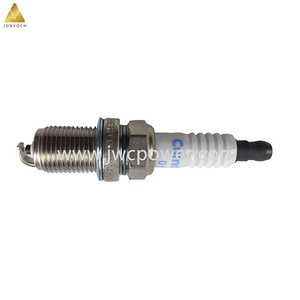
Spark plugs are vital parts of gasoline engines. They create the spark needed to ignite the air-fuel mix inside the engine cylinder. Without spark plugs, gasoline engines cannot start or run efficiently. These small devices ensure the engine burns fuel properly to produce power.
Function Of Spark Plugs
Spark plugs deliver an electric spark inside the engine cylinder. This spark lights the compressed air and fuel mixture. The ignition causes a small explosion, pushing the piston down. This movement turns the engine’s crankshaft, creating mechanical power. Spark plugs also help remove heat from the combustion chamber.
Why Gasoline Engines Need Them
Gasoline engines rely on spark plugs for combustion. Gasoline needs a spark to ignite because it does not compress easily. The spark plug provides the exact moment of ignition. This timing is critical for engine performance and fuel efficiency. Without spark plugs, gasoline engines would not start or run smoothly.
Diesel Engines And Spark Plugs
Diesel engines operate differently from gasoline engines. Their design and ignition system set them apart. One key difference involves the use of spark plugs.
Absence Of Spark Plugs
Diesel engines do not have spark plugs. They rely on compression to ignite the fuel. Air is compressed to a very high pressure. This compression raises the air temperature inside the cylinder. The hot air then ignites the diesel fuel injected into the cylinder. This process is called compression ignition.
Use Of Glow Plugs Instead
Diesel engines use glow plugs, not spark plugs. Glow plugs help start the engine in cold weather. They warm the air in the combustion chamber. This makes it easier for the diesel fuel to ignite. Glow plugs are small heating devices powered by the battery. They only work during engine startup and turn off once the engine runs smoothly.
Glow Plugs Vs Spark Plugs
Diesel engines and gasoline engines use different types of plugs to start and run efficiently. Spark plugs ignite the fuel-air mix in gasoline engines. Diesel engines do not have spark plugs. Instead, they use glow plugs to help start the engine, especially in cold weather. Understanding the difference between glow plugs and spark plugs helps explain how diesel engines work.
Purpose Of Glow Plugs
Glow plugs heat the air inside the diesel engine’s cylinder. This heat helps the diesel fuel ignite without a spark. Diesel engines rely on compression to ignite fuel, but cold air can stop ignition. Glow plugs provide the extra heat needed for smooth starting. They also reduce smoke and emissions during startup.
When Glow Plugs Activate
Glow plugs turn on before the engine starts. The vehicle’s computer controls the glow plug activation. It powers the plugs for a few seconds to warm the cylinders. In cold weather, glow plugs stay on longer. They may also activate briefly during engine running to keep temperature steady. This helps the engine run better and cleaner.
Benefits Of Diesel Engine Design
Diesel engines offer distinct advantages due to their unique design. Their operation does not rely on spark plugs but on compression to ignite fuel. This design leads to several benefits that make diesel engines popular for many uses. Efficiency and strength stand out as key features of diesel engine design.
Fuel Efficiency
Diesel engines use fuel more efficiently than gasoline engines. They compress air to a higher degree, raising the temperature enough to ignite diesel fuel. This process extracts more energy from each drop of fuel. As a result, diesel engines consume less fuel for the same power output. This makes them ideal for long-distance driving and heavy loads.
Durability And Maintenance
Diesel engines are built to handle higher pressure and heat. Their parts are stronger and last longer under tough conditions. These engines do not have spark plugs, so one less component needs regular replacement. Maintenance intervals tend to be longer, which lowers running costs. Diesel engines often perform well over many years with proper care.

Credit: www.chase.com
Common Misconceptions About Diesel Engines
Diesel engines often get misunderstood, especially by those more familiar with gasoline engines. These misconceptions can lead to confusion about how diesel engines work and what components they use. Clearing up these myths helps you make better decisions about maintenance and performance.
Spark Plug Confusion
Many people assume diesel engines use spark plugs like gasoline engines. This isn’t true. Diesel engines rely on compression to ignite the fuel, not a spark.
Instead of spark plugs, diesel engines have glow plugs. These glow plugs help start the engine in cold weather by warming the combustion chamber. Knowing this difference can save you time and money when servicing your vehicle.
Performance Myths
Some believe diesel engines are slower or less powerful than gasoline engines. Actually, diesel engines produce more torque at lower RPMs, making them great for towing and heavy-duty work.
Others think diesel engines are noisier and less refined. Modern diesel technology has greatly reduced noise and vibration, offering a smooth driving experience. Have you noticed how newer diesel cars handle compared to older models?

Credit: www.underhoodservice.com
Frequently Asked Questions
Does A Diesel Engine Use Spark Plugs?
No, diesel engines do not use spark plugs. They rely on compression to ignite fuel, unlike gasoline engines that use spark plugs.
How Do Diesel Engines Ignite Fuel Without Spark Plugs?
Diesel engines compress air to high pressure and temperature. This heat causes diesel fuel to ignite upon injection, eliminating the need for spark plugs.
What Components Replace Spark Plugs In Diesel Engines?
Diesel engines use glow plugs to aid cold starts. Glow plugs heat the combustion chamber but do not ignite fuel like spark plugs.
Can A Diesel Engine Run If Spark Plugs Are Missing?
Yes, because diesel engines never have spark plugs. They ignite fuel through compression, so missing spark plugs is irrelevant for diesel engines.
Conclusion
Diesel engines do not use spark plugs to start. They rely on compression to ignite fuel. This makes them different from gasoline engines. Diesel engines use glow plugs sometimes, but not spark plugs. Knowing this helps understand how engines work.
It also helps when choosing the right engine type. Diesel engines offer strong power and fuel efficiency. Now you know the key difference clearly. This knowledge can guide your engine questions and choices.





