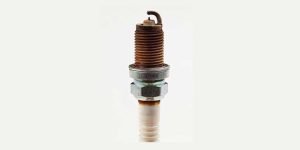
Are you wondering if you should put anti-seize on your spark plugs? This small detail can make a big difference when it comes to your car’s performance and maintenance.
You might think it’s a simple step, but using anti-seize the wrong way—or not at all—can cause problems down the road. You’ll discover exactly when and how to use anti-seize on spark plugs to save time, avoid damage, and keep your engine running smoothly.
Keep reading to get the facts that could make your next spark plug change much easier.

Credit: www.kiasoulforums.com
Purpose Of Anti Seize
Understanding the purpose of anti seize is key if you want to maintain your spark plugs and engine parts in top condition. Anti seize is a special lubricant designed to prevent metal parts from sticking together under extreme heat and pressure. This simple step can save you a lot of trouble and money in the long run.
What Anti Seize Does
Anti seize creates a protective barrier between metal surfaces. It stops corrosion, rust, and galling—where metal parts wear or stick due to friction.
When you apply it to spark plug threads, it helps them screw in smoothly and come out easily later. This means you avoid damaging the threads, which can be costly to repair.
It also withstands high temperatures, so it won’t break down in your engine’s heat. Have you ever struggled to remove a stuck spark plug? Anti seize prevents that hassle.
Common Applications
Beyond spark plugs, anti seize is handy for any threaded metal parts exposed to heat or moisture. Mechanics often use it on:
- Exhaust manifold bolts
- Brake caliper bolts
- Wheel lug nuts
- Engine head bolts
If you’ve ever dealt with rusted bolts or seized parts, you’ll appreciate how anti seize saves time and effort. Applying it is a small step that makes future maintenance easier.
Credit: www.can-amforum.com
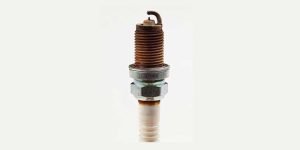
Spark Plug Threads And Materials
Understanding spark plug threads and materials is key to deciding whether you should apply anti-seize on them. The threads are not all the same, and the material of the spark plug affects how it interacts with the engine’s cylinder head. Knowing these details helps you avoid damage and ensures your engine runs smoothly.
Thread Types
Spark plug threads vary mainly by diameter and pitch, which are crucial for a proper fit. Common thread sizes include 10mm, 12mm, 14mm, and 18mm, with different thread pitches like 1.0mm or 1.25mm.
Using the wrong thread type can cause cross-threading, which damages the cylinder head and spark plug. Have you ever tried screwing a spark plug in only to feel resistance? That’s often a sign of incompatible threads or dirt on the threads. Always check your vehicle’s manual for the exact thread specifications before installation.
Material Considerations
Spark plugs come with different shell materials, usually steel or nickel alloy, and your engine’s cylinder head is often aluminum or cast iron. Aluminum heads are softer, so they are prone to galling or seizing if the spark plug threads bind during installation.
Anti-seize can help prevent this in aluminum heads, but if you’re dealing with steel or cast iron heads, it might not be necessary. However, using anti-seize on nickel alloy spark plugs can cause over-tightening because it reduces friction, leading to thread damage.
Have you noticed spark plugs sticking or breaking when trying to remove them? That’s a sign your material combination may need anti-seize or a different installation approach. It’s always safer to follow manufacturer recommendations on using anti-seize for your specific spark plug and engine material.
Pros Of Using Anti Seize On Spark Plugs
Using anti seize on spark plugs offers several practical benefits that can save you time and frustration during vehicle maintenance. It helps protect the threads and ensures that removing spark plugs in the future won’t turn into a difficult task. Let’s look at the main advantages you can expect when you apply anti seize to your spark plugs.
Preventing Thread Galling
Thread galling happens when metal threads stick together and tear during tightening or removal. This problem is common in spark plugs, especially in aluminum cylinder heads. Applying anti seize creates a thin protective layer that reduces friction and prevents the threads from binding.
I once had to remove spark plugs from an aluminum head without anti seize, and several threads were damaged. It made the job harder and required costly repairs. Using anti seize stops this from happening, saving you from similar headaches.
Ease Of Future Removal
Have you ever struggled to remove spark plugs that seem stuck or rusted in place? Anti seize makes future removal smoother and quicker. The lubricant prevents corrosion and seizing, so you won’t need excessive force or risk breaking the plugs.
This is especially useful if you service your vehicle regularly or work on older engines. A small amount of anti seize can turn a tough removal into a simple twist, giving you peace of mind when it’s time to replace or inspect your spark plugs.
Cons Of Using Anti Seize On Spark Plugs
Using anti seize on spark plugs might seem like a good idea to prevent them from sticking or seizing in the cylinder head. However, this practice can bring some drawbacks that you should carefully consider before applying any lubricant. Let’s look at the main cons that could affect your engine’s performance and maintenance.
Potential Over-tightening
Applying anti seize reduces friction between the spark plug threads and the cylinder head. This can trick you into thinking the plug is tight enough, but in reality, it can lead to over-tightening.
Over-tightening can damage the threads, causing costly repairs or even a stripped cylinder head. Have you ever felt the plug suddenly become too tight without much resistance? That’s a classic sign of over-tightening caused by lubricants like anti seize.
Impact On Torque Settings
Manufacturers provide specific torque settings for spark plugs based on dry threads. When you add anti seize, these torque values no longer apply accurately.
This means the torque wrench reading can be misleading, and you might not achieve the proper clamping force. If the plug is under-tightened, it can lead to poor engine performance or even leaks. Over-tightening, as mentioned earlier, can cause thread damage.
Do you check your spark plug torque with or without lubricant? Understanding this difference can save you from engine headaches down the road.
Manufacturer Recommendations
Manufacturer recommendations hold the key to understanding whether you should apply anti-seize on your spark plugs. Each automaker and spark plug brand provides specific guidelines based on the materials used and the engine design. Ignoring these instructions can lead to problems like incorrect torque, damaged threads, or poor performance.
When To Follow Instructions
Always check the spark plug packaging or your vehicle’s manual before adding anti-seize. Some manufacturers explicitly advise against using it because modern spark plugs often come with a special coating that acts like anti-seize. Adding extra lubricant in these cases can cause over-tightening and may damage the cylinder head threads.
Do you want to avoid stuck spark plugs or stripped threads? Following the exact instructions can save you from costly repairs and frustration. If the manual says no anti-seize, don’t add it just because you think it might help.
Variations By Spark Plug Brands
Different spark plug brands have varied recommendations regarding anti-seize use. Brands like NGK and Denso often use a nickel alloy coating on their plugs, which eliminates the need for extra anti-seize. On the other hand, some brands that use plain steel threads might suggest applying a small amount.
- NGK:Usually advises against anti-seize due to its special plating.
- Denso:Typically recommends installing dry, without any lubricant.
- Bosch:Sometimes suggests light anti-seize on specific spark plug models.
- ACDelco:May recommend anti-seize depending on the engine type and plug material.
Have you checked what your spark plug brand says about anti-seize? This small step can prevent you from making costly mistakes and ensure your spark plugs perform optimally.
Alternative Lubrication Options
When it comes to spark plugs, the question of lubrication often comes up. While anti-seize is a common choice, there are alternative options that might fit your specific needs better. Understanding these alternatives can help you make the best decision for your engine’s performance and longevity.
Dielectric Grease
Dielectric grease is a silicone-based lubricant that prevents moisture and corrosion in spark plug boots. Unlike anti-seize, it doesn’t affect the metal threads but protects the electrical connection.
Applying dielectric grease inside the spark plug boot can make removal easier and reduce misfires caused by poor connections. Have you ever struggled with spark plug boots sticking or cracking? This grease can save you from that hassle.
Keep in mind, dielectric grease is not a thread lubricant. Use it alongside proper thread treatment if needed, but don’t rely on it to prevent spark plug threads from seizing.
No Lubrication Scenarios
Sometimes, the best choice is to apply no lubricant at all. Many manufacturers recommend installing spark plugs dry, especially if they come with a nickel or plated coating.
Using anti-seize or other lubricants can cause over-torquing. This happens because lubrication lowers friction, making it harder to judge the right tightness by feel. Over-tightened spark plugs risk damaging the threads or the cylinder head.
Have you noticed spark plugs sticking or seizing in your engine? If not, you might be better off skipping lubrication entirely. Always check your vehicle’s service manual before deciding.
Best Practices For Installation
Proper installation of spark plugs ensures better engine performance and longer spark plug life. Following best practices reduces the risk of damage and improves reliability. Pay attention to cleaning, applying anti seize, and torque for a smooth installation process.
Cleaning Threads
Clean threads remove dirt and old lubricant. Use a wire brush or thread chaser to clear debris. Avoid harsh chemicals that may damage the metal. Clean threads help the spark plug fit tightly and prevent cross-threading.
Applying Anti Seize Correctly
Apply a small amount of anti seize on the spark plug threads. Spread it evenly without overdoing it. Avoid applying anti seize on the spark plug tip or electrode. Correct application prevents seizing and makes future removal easier.
Proper Torque Application
Use a torque wrench to tighten spark plugs to the manufacturer’s specs. Over-tightening can strip threads or damage the spark plug. Under-tightening may cause poor sealing and engine issues. Proper torque ensures a secure fit and optimal performance.

Credit: www.carparts.com
Signs You Need To Use Anti Seize
Knowing when to use anti seize on spark plugs can save you from a lot of hassle down the road. It’s not always necessary, but certain conditions clearly signal its benefits. Recognizing these signs helps you protect your engine and avoid stuck or damaged spark plugs during maintenance.
Rust And Corrosion Issues
If you notice rust or corrosion around your spark plug threads, it’s a strong hint that anti seize should be applied. Moisture and road salts can cause metal parts to corrode quickly, making spark plugs difficult to remove later. Using anti seize prevents metal from fusing together, which means you won’t struggle with stuck plugs when it’s time for a change.
Think about your last time working on your car—did you have to use excessive force or special tools to get the plugs out? That’s a classic sign rust and corrosion took hold. Protect your investment by applying a thin layer of anti seize before installation.
High-temperature Environments
Engines generate intense heat, especially if you drive in hot climates or push your vehicle hard. These high temperatures can cause spark plug threads to expand and contract, leading to seizing if no lubricant is used. Anti seize helps manage this thermal stress by allowing easy removal despite the heat cycles.
Have you ever felt worried about damaging your spark plug threads during removal? Using anti seize can prevent galling and thread damage caused by extreme temperatures. It’s a simple step that keeps your engine parts in good shape for longer.
Frequently Asked Questions
Should I Apply Anti Seize On Spark Plug Threads?
Applying anti seize on spark plug threads prevents seizing and corrosion. However, many modern spark plugs come pre-coated. Check manufacturer guidelines before applying to avoid over-tightening or damage.
What Happens If I Don’t Use Anti Seize On Spark Plugs?
Without anti seize, spark plugs may seize or corrode in the engine head. This can cause difficult removal and damage, increasing repair costs and downtime.
Can Anti Seize Affect Spark Plug Torque Settings?
Yes, anti seize reduces friction, which can lead to over-tightening if torque specs aren’t adjusted. Always follow torque recommendations when using anti seize for proper installation.
Is Anti Seize Necessary For All Types Of Spark Plugs?
Not always. Some spark plugs have a special coating that eliminates the need for anti seize. Always refer to the spark plug manufacturer’s instructions before use.
Conclusion
Deciding to use anti-seize on spark plugs requires care. Some mechanics recommend it. Others advise against it. Anti-seize can prevent thread damage. But it also alters torque readings. This may affect engine performance. Always check your vehicle’s manual first. Follow manufacturer guidelines.
This ensures the best results for your car. Regular maintenance is key. Keep your spark plugs clean and in good condition. Proper care helps your engine run smoothly. Safety and efficiency should always guide your choices. Stay informed and make the right decision for your vehicle.
Happy driving!