
Have you ever wondered if you need to disconnect your car battery when changing spark plugs? You’re not alone.
This seemingly simple task can stir up a lot of questions and concerns. You might be worried about safety, the potential for electrical shocks, or even damaging your car’s electrical system. These concerns can easily make a straightforward task feel overwhelming.
But don’t worry, you’re about to uncover the truth behind this common car maintenance question. Stick around, because understanding this one detail could save you time, money, and a lot of unnecessary stress. Let’s get to the bottom of it together!

Credit: www.youtube.com
Why Disconnect The Battery?
Disconnecting the battery is an important safety step before changing spark plugs. It stops the flow of electricity in the car’s system. This action lowers the risk of injury and damage. Understanding why this step is necessary helps you work safely and protect your vehicle. Here are the main reasons to disconnect the battery first.
Preventing Electrical Shocks
Car batteries carry high electrical power. Touching wires or metal parts connected to the battery can cause shocks. Disconnecting the battery cuts off this power. It keeps you safe from accidental shocks while working on spark plugs.
Avoiding Short Circuits
Metal tools can accidentally touch two electrical points at once. This contact creates a short circuit. Short circuits can damage parts and cause sparks or fires. Removing the battery connection stops electricity flow. This step prevents dangerous short circuits during spark plug changes.
Protecting Vehicle Electronics
Modern cars have sensitive electronic systems. These systems can get damaged by sudden electrical surges. Disconnecting the battery protects the car’s computer and sensors. It helps avoid costly repairs to the vehicle’s electronics while you work.
When You Can Skip Disconnecting
Knowing when you can skip disconnecting the battery makes spark plug changes easier. Not all cars need this step. Some modern vehicles have safety features that protect their electrical systems during maintenance. Understanding these cases helps save time and effort.
Modern Cars With Advanced Systems
Many newer cars have built-in safeguards to prevent electrical damage. These systems can handle spark plug replacements without disconnecting the battery. The car’s computer controls the ignition and fuel systems carefully. This reduces risks of short circuits or error codes.
Check your owner’s manual before starting. It may say that disconnecting the battery is unnecessary. Some vehicles even recommend leaving the battery connected to keep settings intact. This avoids losing radio presets or engine adaptations.
Quick Spark Plug Checks
Small inspections or quick spark plug checks often do not require battery disconnection. When just removing one plug to check its condition, it is usually safe to leave the battery connected. The car’s electronics stay stable during short tasks.
For simple tests, like spark plug gap measurement or visual inspection, keep the battery on. Disconnecting is more important for full replacements or working near electrical parts. Quick checks save time and keep your vehicle ready to start.
Step-by-step Spark Plug Replacement
Changing spark plugs is a simple task that improves engine performance. Following clear steps ensures a smooth process and prevents damage. This guide covers all essential actions, from preparing tools to installing new plugs safely.
Gathering Tools And Materials
Prepare the following items before starting:
- Spark plug socket and ratchet
- Torque wrench
- New spark plugs
- Dielectric grease
- Anti-seize compound (optional)
- Compressed air or a brush
- Gloves and safety glasses
Having these ready saves time and avoids interruptions.
Locating Spark Plugs
Open the hood and find the spark plug wires or ignition coils.
They usually sit on top of the engine cylinder head.
Check your vehicle manual for exact positions.
Clean around plugs with compressed air to prevent dirt entry.
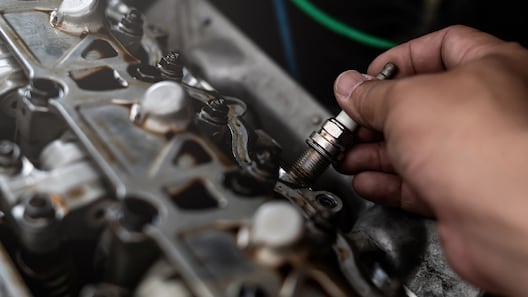
Removing Old Spark Plugs
First, disconnect the battery to avoid shocks or short circuits.
Remove ignition coils or wires carefully without damage.
Use the spark plug socket and ratchet to turn plugs counterclockwise.
Pull out each spark plug gently once loose.
Inspect plugs for wear and deposits to understand engine health.
Installing New Spark Plugs
Check new plugs for correct size and gap before installation.
Apply a small amount of anti-seize compound on the threads if needed.
Insert plugs by hand to avoid cross-threading.
Tighten plugs with a torque wrench to the manufacturer’s specs.
Reattach ignition coils or wires firmly and reconnect the battery.

Credit: shop.advanceautoparts.com
Safety Tips During Replacement
Changing spark plugs involves working with electrical parts and engine components. Safety is very important to avoid injuries and damage. Following key safety tips helps keep the process smooth and risk-free.
Wearing Protective Gear
Always wear gloves to protect your hands from sharp edges and hot surfaces. Safety glasses shield your eyes from dirt and debris. Use long sleeves to prevent skin contact with chemicals or burns.
Working In A Well-ventilated Area
Work in an open space or a garage with good airflow. Engine fumes and cleaning sprays can be harmful if inhaled. Proper ventilation reduces risks and keeps the air fresh while you work.
Handling Spark Plugs Carefully
Handle spark plugs gently to avoid cracking or damaging them. Use the correct tools to loosen and tighten plugs. Keep spark plugs clean and store them safely before installation.
Common Mistakes To Avoid
Changing spark plugs seems simple but many make mistakes that cause problems. Avoiding common errors saves time and protects your engine. Some mistakes can damage parts or reduce car performance. Knowing what to avoid makes the job easier and safer.
Not Disconnecting Battery When Needed
Failing to disconnect the battery risks electric shock or short circuits. Modern cars often need battery disconnection to reset the engine control unit safely. Sparks can occur if the ignition system stays live during plug removal. Disconnect the negative terminal before starting the work.
Over-tightening Spark Plugs
Too much force damages the spark plug or cylinder head threads. Over-tightening can cause cracks or make future removal difficult. Use a torque wrench and follow manufacturer specs for tightness. Hand-tighten first, then apply the correct torque slowly and evenly.
Using Wrong Spark Plug Types
Wrong spark plugs affect engine performance and fuel efficiency. Different engines need specific heat ranges and sizes. Using incorrect plugs may cause misfires or damage. Check the owner’s manual or parts guide to pick the correct type. Always choose plugs designed for your vehicle model.
Credit: www.chase.com
Signs Your Spark Plugs Need Replacement
Knowing the signs that spark plugs need replacement saves time and money. Spark plugs play a key role in your engine’s performance. Worn or faulty plugs cause several engine problems. Spotting these signs early helps avoid bigger issues. Check your car for these common symptoms.
Engine Misfires
Engine misfires happen when spark plugs fail to ignite fuel properly. You may feel the engine jerk or hesitate during acceleration. The engine may run rough or stall unexpectedly. Misfires lower engine power and cause uneven running. They can damage the catalytic converter if ignored.
Poor Fuel Economy
Bad spark plugs lead to incomplete fuel burning. This wastes fuel and lowers gas mileage. Notice if your car uses more fuel than usual. Poor fuel economy means your engine is working harder. Replacing spark plugs improves fuel efficiency and saves money.
Difficulty Starting Engine
Old spark plugs make the engine hard to start. The ignition system struggles to create a strong spark. You might hear prolonged cranking or need several tries to start. This problem worsens in cold weather. New spark plugs help the engine start quickly and smoothly.
Frequently Asked Questions
Do You Need To Disconnect Battery To Change Spark Plugs?
Yes, disconnecting the battery is recommended to avoid electrical shocks and accidental shorts when changing spark plugs. It ensures safety and protects the vehicle’s electronic systems during the process.
What Happens If You Don’t Disconnect Battery Changing Spark Plugs?
Not disconnecting the battery can cause sparks, electrical shocks, or damage to the ignition system. It may also trigger error codes or harm sensitive electronics in modern cars.
How To Safely Disconnect Battery Before Spark Plug Change?
Turn off the engine, open the hood, and use a wrench to remove the negative battery terminal first. This prevents electrical current flow and ensures safe spark plug replacement.
Can Spark Plug Replacement Damage Car Electronics?
Yes, improper handling or not disconnecting the battery can cause voltage spikes, damaging sensors and electronic control units. Always follow safety steps to protect your car’s electronics.
Conclusion
Disconnecting the battery is a smart safety step before changing spark plugs. It helps prevent electric shocks and protects the car’s computer. Always use the right tools and take your time. This simple action can save you from costly repairs.
Remember, safety first keeps your work easy and safe. Now, you can change spark plugs with more confidence.





