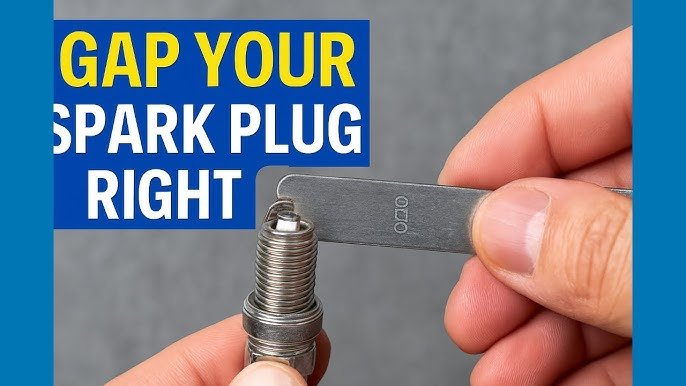
Have you ever wondered if you need to gap your spark plugs? It’s a question that might seem trivial but can have a big impact on your vehicle’s performance.
Whether you’re a seasoned car enthusiast or someone who just wants to keep their ride running smoothly, understanding spark plug gapping can save you time, money, and hassle. We’re diving into the nuts and bolts of spark plugs. We’ll clear up common misconceptions and provide you with practical tips that can make a noticeable difference in how your engine performs.
By the end, you’ll know exactly why gapping matters and how to do it right, ensuring your engine purrs like a kitten and roars like a lion when needed. Let’s get started!
Why Spark Plug Gap Matters
Setting the correct gap on spark plugs is vital for your engine’s performance. The gap controls the spark size that ignites the air-fuel mix. A wrong gap can cause poor ignition and engine troubles. Understanding why spark plug gap matters helps maintain engine health and efficiency.
Impact On Engine Efficiency
The right spark plug gap ensures a strong spark. This spark lights the fuel mixture fully and quickly. A gap too wide can cause weak sparks or misfires. A gap too small leads to incomplete combustion. Proper gaps keep the engine running smoothly and powerfully.
Effects On Fuel Economy
Correct spark plug gaps help burn fuel completely. Complete combustion means the engine uses less fuel. When gaps are wrong, fuel wastes and mileage drops. Keeping the gap right saves money on fuel over time. It supports better fuel efficiency in everyday driving.
Role In Emission Control
Proper spark plug gaps reduce harmful emissions. Full combustion lowers unburned fuel and pollutants. Wrong gaps increase smoke and toxic gases from the exhaust. Correct gaps contribute to cleaner air and meet emission rules. This keeps your vehicle eco-friendly and legal.

Credit: craigscarcare.com
How To Check Spark Plug Gap
Checking the gap on your spark plugs is a simple task that can make a big difference in how your engine runs. A correct gap ensures efficient combustion and smooth performance. Ignoring this step can lead to rough idling, misfires, or poor fuel economy.
Tools You Need
- Feeler Gauge:This is the most accurate tool for measuring spark plug gaps. It has thin metal blades of different thicknesses.
- Spark Plug Gap Tool:Often a wire or coin-style tool that lets you adjust and check the gap easily.
- Caliper (optional):For precise measurement, especially if you want to double-check the gap size.
- Clean Cloth:To wipe off any dirt or debris on the spark plug before measuring.
Step-by-step Gap Measurement
Start by cleaning the spark plug to remove any dirt or oil. Dirt can affect your reading and make it less accurate.
Take your feeler gauge and insert the blade that matches the recommended gap for your engine. It should slide in with slight resistance — not too tight or too loose.
If the gap is too wide, gently tap the side of the electrode on a hard surface or use the gap tool to close it slightly. If the gap is too narrow, carefully pry it open with the tool. Repeat the measurement until you get the correct gap.
Common Gap Sizes For Different Engines
| Engine Type | Typical Spark Plug Gap |
|---|---|
| Small Gas Engines (Lawn Mowers, Chainsaws) | 0.020″ – 0.030″ |
| Passenger Cars (Modern Fuel-Injected) | 0.028″ – 0.045″ |
| Older Carbureted Cars | 0.035″ – 0.055″ |
| Motorcycles | 0.025″ – 0.040″ |
Have you checked your spark plug gap lately? Sometimes, just a slight adjustment can revive your engine’s performance and save you fuel. Give it a try and see how smooth your engine can run with the right gap.
When To Adjust Spark Plug Gap
Knowing when to adjust the spark plug gap can save you from engine misfires and poor fuel efficiency. The gap affects the spark’s strength, which directly impacts your engine’s performance. But how do you know when it’s time to check or change this gap?
Signs Of Incorrect Gap
You might notice rough idling, trouble starting your engine, or a drop in fuel economy if the spark plug gap is off. Another red flag is engine misfires or hesitation during acceleration. If your check engine light comes on without an obvious cause, the spark plug gap could be the culprit.
Pay attention to these signs because they indicate your spark plugs aren’t firing as efficiently as they should. Have you ever experienced your car stalling for no clear reason? That could have been a sign that your spark plug gap needed adjustment.
Manufacturer Recommendations
Always start with the spark plug gap specifications in your vehicle’s manual. Manufacturers test and set ideal gaps for optimal performance and emissions compliance. Ignoring these guidelines can cause damage or reduce your engine’s lifespan.
Even if you buy pre-gapped plugs, it’s wise to double-check before installation. Sometimes shipping or handling can alter the gap slightly. Have you ever skipped this step only to face engine issues shortly after? It’s a simple check that can prevent big problems.
Aftermarket Vs Stock Spark Plugs
Stock spark plugs usually come pre-gapped to fit your engine’s original settings. Aftermarket plugs, however, might require adjustment because their default gaps can vary. Using aftermarket plugs without adjusting the gap can lead to poor combustion or misfires.
If you switch to aftermarket plugs, always measure and set the gap according to your car’s manual. This step ensures you get the same or better performance than stock plugs. Have you noticed any difference in your engine’s behavior after switching spark plugs? Proper gapping could be the key to smoother running.
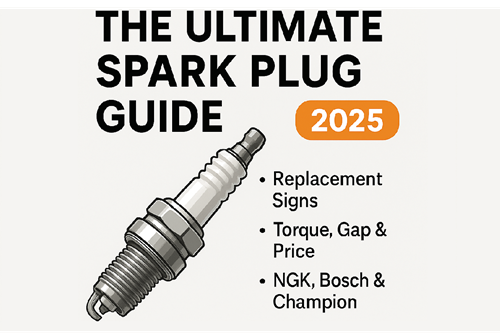
Credit: modernautoparts.co.za
Tips For Gapping Spark Plugs
Gapping spark plugs correctly can make a big difference in how your engine runs. It’s not just about setting the right distance; it’s about doing it carefully to avoid damage and ensure every plug performs well. Here are some practical tips to help you get it right.
Using A Gap Tool Correctly
A proper gap tool lets you measure and adjust the spark plug gap with ease. Slide the tool gently between the electrodes to check the distance without forcing it. If you need to adjust, use a tool designed to bend the ground electrode only—never the center electrode.
Think about how your engine might react if the gap is too wide or too narrow. Have you noticed rough idling or misfires? Correct gapping can often fix those issues quickly.
Avoiding Damage To Electrodes
Electrodes are delicate, so handle them with care. Don’t use pliers or excessive force to adjust the gap; this can cause cracks or misalignment. A damaged electrode means poor spark and reduced engine performance.
Remember, even a small chip can lead to inefficient combustion. Have you ever replaced a spark plug only to find it didn’t solve the problem? Check the electrodes carefully before installation.
Ensuring Consistent Gap Across Plugs
Each spark plug in your engine should have the same gap for smooth operation. Measure every plug individually, even if they’re new out of the box. Manufacturers sometimes set gaps wider or narrower than your engine requires.
- Use the same gap tool for all plugs.
- Double-check your measurements before installation.
- Keep a record of your desired gap for future reference.
Have you ever experienced one cylinder running differently from the others? Uneven gapping might be the cause. Consistency matters for balanced performance and fuel efficiency.
Consequences Of Ignoring Spark Plug Gap
Ignoring the correct spark plug gap can lead to multiple issues that affect your vehicle’s performance and longevity. This small but crucial adjustment impacts how efficiently your engine ignites the air-fuel mixture. If you overlook this detail, you might face frustrating symptoms that seem unrelated at first.
Misfires And Rough Idling
When the spark plug gap is too wide or too narrow, the spark may be weak or inconsistent. This causes misfires, where the engine fails to ignite the fuel properly. You’ll notice your engine running roughly or shaking when idling, making your driving experience uncomfortable and unreliable.
Have you ever felt your car hesitate or jerk unexpectedly? That could be due to improper spark plug gaps disrupting the ignition process.
Reduced Power And Performance
Your engine’s power depends on a strong, consistent spark. A wrong gap causes incomplete combustion, which lowers engine output. This means slower acceleration, reduced fuel efficiency, and an overall drop in performance.
Think about the last time your car felt sluggish. It might not be the fuel or the air filter—sometimes the spark plug gap is the hidden culprit behind poor engine responsiveness.
Increased Emissions And Engine Wear
Incomplete combustion from an incorrect spark plug gap doesn’t just waste fuel—it produces more harmful emissions. Over time, this can lead to clogged catalytic converters and fail emissions tests. Additionally, the engine has to work harder, accelerating wear and potentially causing costly repairs.
Are you prepared to face higher maintenance bills or environmental penalties because of a simple oversight? Paying attention to your spark plug gap can save you money and keep your vehicle running cleaner.
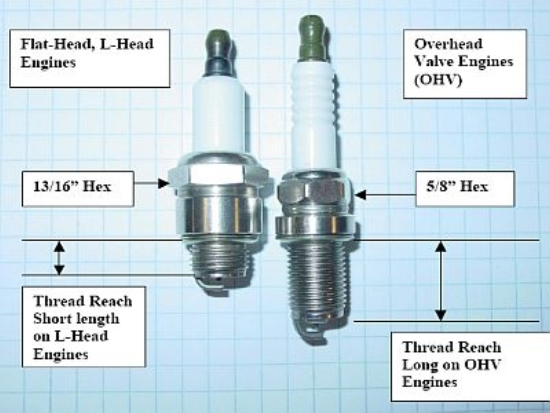
Credit: www.vanguardpower.com
Professional Vs Diy Spark Plug Gapping
Deciding between professional and DIY spark plug gapping depends on your comfort level and the tools you have. Both options come with their own advantages and challenges. Understanding these differences can save you time, money, and potential engine troubles.
When To Seek Expert Help
If you’re unsure about the correct gap size for your vehicle, a professional can offer precision. Cars with advanced ignition systems may need specialized tools that only mechanics possess. Also, if you notice persistent engine misfires or rough idling after gapping, it’s wise to let an expert inspect the plugs.
Cost And Time Considerations
Professionals charge for labor, which can add up, especially if you need multiple plugs gapped and installed. However, a quick visit to a mechanic might save you hours of trial and error. On the other hand, doing it yourself requires investing in a gap tool, but it can be a one-time purchase that pays off over time.
Benefits Of Doing It Yourself
Gapping spark plugs at home puts you in control and deepens your understanding of your vehicle. It’s a satisfying task that can boost your confidence in handling other car maintenance jobs. Plus, you can do it at your own pace without waiting for an appointment or paying extra labor fees.
Frequently Asked Questions
Do Spark Plugs Need Gapping Before Installation?
Yes, spark plugs usually require gapping to match your engine’s specifications. Proper gaps ensure optimal spark and engine performance. Manufacturers may pre-gap plugs, but it’s best to verify before installation. Incorrect gaps can cause misfires and reduce fuel efficiency.
How Often Should You Check Spark Plug Gaps?
Check spark plug gaps during every tune-up or replacement. Regular checks ensure consistent engine performance and fuel economy. Gaps can widen over time due to wear and heat. Maintaining the correct gap prevents ignition problems and keeps your engine running smoothly.
What Tools Do You Need To Gap Spark Plugs?
You need a spark plug gap tool, like a feeler gauge or gapper. These tools measure the distance between electrodes accurately. Using the right tool prevents damage to the spark plug. Always adjust the gap gently to avoid bending or breaking parts.
Can Incorrect Spark Plug Gaps Damage Your Engine?
Yes, incorrect gaps can cause misfires, poor combustion, and engine knocking. This leads to reduced power and increased emissions. Over time, it may harm engine components and decrease fuel efficiency. Proper gapping is essential for engine health and performance.
Conclusion
Gapping spark plugs helps your engine run smoothly and saves fuel. Each car may need a different gap size for best results. Checking and adjusting spark plugs can prevent engine problems. It takes only a few minutes but improves performance a lot.
Keep your spark plugs clean and properly gapped for longer life. Regular maintenance keeps your car healthy and saves money on repairs. Simple steps like this make a big difference in how your car drives.





