Have you ever found yourself standing in an auto parts store, staring at a set of iridium spark plugs and wondering, “Do I need to gap these?” You’re not alone.
Many car enthusiasts and DIY mechanics face this exact dilemma. Iridium spark plugs are known for their durability and performance, but the question of whether or not they require gapping often leaves people scratching their heads. Imagine the peace of mind you’ll feel knowing exactly what to do with your iridium spark plugs to ensure your engine runs smoothly.
You’ll discover the truth about gapping these high-performance plugs. Whether you’re a seasoned car aficionado or just someone who wants to keep their vehicle in top shape, this guide will provide you with the answers you need. Stick around, and you’ll unlock the secrets to optimizing your car’s performance, saving you time, money, and potential headaches in the future.
Why Gap Iridium Spark Plugs
Iridium spark plugs are known for their durability and performance. Properly gapping these plugs is crucial for optimal engine function. The gap affects the spark’s size and strength, influencing combustion efficiency. Correct gapping ensures the engine runs smoothly and efficiently.
Benefits Of Proper Gapping
- Improves fuel efficiency by creating a stronger spark
- Reduces emissions with better combustion control
- Extends spark plug life through balanced wear
- Prevents misfires that can damage the engine
Impact On Engine Performance
Properly gapped iridium spark plugs ignite fuel-air mixtures more effectively. This leads to quicker starts and steady idling. The engine produces more power with fewer interruptions. Incorrect gaps cause weak sparks, reducing power and increasing fuel use. Consistent combustion lowers engine strain and enhances overall reliability.
Tools Needed For Gapping
Getting the gap right on your Iridium spark plugs is crucial for your engine’s performance and fuel efficiency. To achieve this, having the right tools makes the process easier and more precise. Understanding what tools you need can save you time and prevent damage to your spark plugs.
Spark Plug Gap Gauge Types
Choosing the right gap gauge is the first step. There are several types available, each with its own advantages.
- Feeler Gauges:Thin metal strips of varying thickness. They slide between the electrodes to measure the gap. These are highly accurate but require a steady hand.
- Coin-Style Gauges:Plastic or metal discs with notches of different sizes. You insert the spark plug gap into the notch that fits snugly. These are simple to use and great for beginners.
- Wire-Type Gauges:Thin wires of specific thicknesses used to check the gap. They provide good precision and are easy to carry around.
From my experience, coin-style gauges are the easiest to use when you’re doing this for the first time. They give you a quick visual check without fuss.
Additional Equipment
Besides the gap gauge, a few other tools can help you achieve the perfect spark plug gap.
- Gap Adjuster Tool:This tool helps you gently bend the ground electrode to increase or decrease the gap. Avoid using pliers or improvised tools to prevent damage.
- Torque Wrench:Ensures you tighten the spark plug to the manufacturer’s specifications. Over-tightening can strip threads or crack the plug.
- Anti-Seize Compound:Applying a small amount on the plug threads can prevent them from sticking in the engine head, making future removal easier.
- Protective Gloves:Keeps your hands clean and provides better grip when handling small parts.
Have you ever tried gapping without the right tools and ended up frustrated? Investing in these simple gadgets not only improves accuracy but also makes the entire process smoother.
How To Measure The Gap
Measuring the gap on your Iridium spark plugs is crucial for optimal engine performance. Too wide or too narrow a gap can cause misfires, poor fuel economy, or even engine damage. Knowing how to check and adjust the gap ensures your engine runs smoothly and efficiently.
Step-by-step Measurement
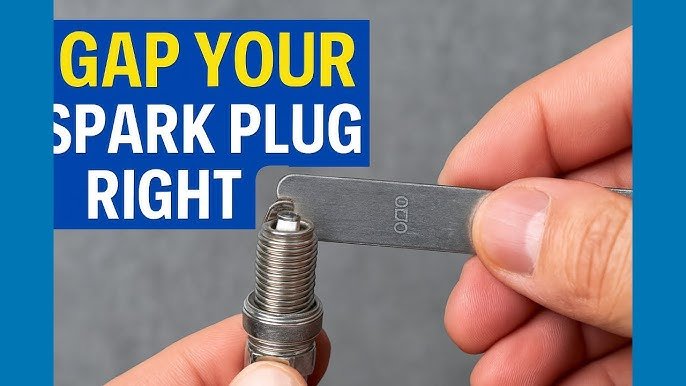
First, gather a spark plug gap tool or a feeler gauge. These tools are affordable and easy to use.
- Hold the spark plug firmly but gently to avoid damaging the electrode.
- Place the gap tool between the center and ground electrode.
- Slide the tool back and forth to feel the resistance; the tool should fit snugly without forcing.
- If the gap is too small, gently bend the ground electrode outward using the tool’s adjustment feature or a small screwdriver.
- If it’s too wide, carefully tap the electrode inward until the correct gap is reached.
Always check the vehicle’s manual or the spark plug packaging for the exact gap specification. Each car model can require a different setting.
Common Mistakes To Avoid
One common error is measuring the gap with the spark plug dirty or oily. This can give an inaccurate reading. Always clean your spark plug before measuring.
Another mistake is applying too much force when adjusting the gap. The electrode is delicate and can break or weaken, causing premature wear.
Don’t rely solely on guesswork. Using a proper gap tool is essential for precision. Have you ever skipped measuring the gap and noticed rough idling or loss of power?
Finally, avoid reusing spark plugs that are worn out or damaged. Even a perfectly gapped old plug won’t perform well.
Credit: www.ebay.ca
Adjusting The Gap Correctly
Adjusting the gap on your Iridium spark plugs is a small task that can make a big difference in how your engine runs. A gap that’s too wide or too narrow can cause misfires, poor fuel economy, or rough idling. Getting this adjustment right ensures your engine fires efficiently and smoothly.
Techniques For Safe Adjustment
Start by using a proper spark plug gap tool, not a ruler or random object. These tools are designed to measure and adjust the gap without damaging the delicate iridium tip.
Gently bend the ground electrode, not the center electrode, to change the gap size. The center electrode is fragile and can break if you apply too much pressure.
Work slowly and check the gap often. It’s easy to overshoot the measurement if you don’t proceed carefully.
Recommended Gap Sizes
Each vehicle has its own ideal spark plug gap, usually found in the owner’s manual or on a sticker under the hood. For many modern engines using Iridium plugs, the gap ranges between 0.028 to 0.044 inches.
| Engine Type | Recommended Gap (inches) |
|---|---|
| Small 4-cylinder engines | 0.028 – 0.032 |
| V6 engines | 0.035 – 0.039 |
| V8 engines | 0.040 – 0.044 |
Have you checked your gap lately? Even new plugs might need a quick adjustment to meet your engine’s specs perfectly.
When To Re-gap Iridium Spark Plugs
Knowing when to re-gap your iridium spark plugs can save you from engine troubles and boost your vehicle’s performance. Although these spark plugs are designed to last longer, the gap can still change over time due to heat, vibration, or improper installation. Keeping an eye on the right time to adjust the gap ensures your engine runs smoothly and efficiently.
Signs Of Improper Gap
You might notice your engine misfires, has trouble starting, or experiences rough idling if the gap on your iridium spark plugs is off. Another clear sign is a drop in fuel efficiency or a loss of power during acceleration. If you see carbon deposits or uneven wear on the plug tips, it’s a strong hint that the gap isn’t right.
I once ignored a slight misfire for weeks, thinking it was minor, but it led to expensive repairs. Checking and re-gapping the plugs early could have prevented that. Do you want to risk your engine’s health for a small adjustment?
Maintenance Schedule Tips
- Check your vehicle’s owner manual for recommended spark plug inspection intervals.
- Inspect the gap every 30,000 miles or whenever you experience performance issues.
- Use a proper spark plug gap tool for accurate measurement before reinstalling.
- Always handle iridium plugs carefully to avoid damaging the fine electrode.
Regularly checking and adjusting the gap isn’t just about maintenance; it can extend the lifespan of your spark plugs. Have you marked a reminder to check your plugs before that next long trip? Taking a few minutes now might save you hours and money later.
Credit: www.ebay.ca
Risks Of Incorrect Gapping
Incorrect gapping of Iridium spark plugs can cause serious engine problems. The gap affects how well the spark plug ignites the fuel-air mix. A gap too wide or too narrow disrupts engine function. This leads to poor performance and higher repair costs.
Engine Misfire Issues
Wrong gap size often causes engine misfires. The spark may be too weak to ignite the fuel. Misfires create rough idling and loss of power. Repeated misfires can damage the engine over time. Proper gapping ensures smooth, reliable combustion.
Fuel Efficiency Concerns
Incorrect gaps reduce fuel efficiency significantly. Poor ignition wastes fuel and lowers mileage. This means more frequent fuel stops and higher costs. Correctly gapped plugs burn fuel more completely. This helps save money and reduces emissions.
Tips For Maintaining Spark Plug Performance
Maintaining spark plug performance ensures your engine runs smoothly and efficiently. Proper care prevents misfires and helps save fuel. Simple steps keep your iridium spark plugs working at their best for longer.
Cleaning And Inspection
Check spark plugs regularly for dirt, oil, or carbon buildup. Use a soft brush or cloth to clean the electrodes gently. Avoid harsh chemicals that can damage the iridium tip. Inspect the plug for cracks, wear, or corrosion. Replace any plug showing signs of damage to avoid engine issues.
Replacement Guidelines
Follow the manufacturer’s recommended replacement interval for your spark plugs. Iridium plugs often last longer but still need timely replacement. Use the correct gap size for your vehicle to maintain proper combustion. Always install new plugs with clean hands or gloves to avoid contamination. Tighten plugs to the proper torque to prevent damage or poor contact.

Credit: www.impreza5.com
Frequently Asked Questions
Do Iridium Spark Plugs Need Gapping Before Installation?
Iridium spark plugs usually come pre-gapped from the factory. However, it’s wise to check the gap before installation. Correct gapping ensures optimal engine performance and fuel efficiency. Always refer to your vehicle’s manual for the recommended gap size.
How To Properly Gap Iridium Spark Plugs?
Use a spark plug gap tool to measure and adjust the gap. Gently bend the ground electrode to widen or narrow the gap. Avoid damaging the iridium tip during adjustment to maintain performance and durability.
What Happens If Iridium Spark Plugs Are Incorrectly Gapped?
Incorrectly gapped spark plugs can cause misfires, poor fuel economy, and engine performance issues. Too wide a gap may cause hard starts, while too narrow a gap can reduce power. Proper gapping ensures reliable ignition and smooth engine operation.
Can I Skip Gapping Iridium Spark Plugs?
Skipping gapping is risky, even for Iridium plugs. Factory settings might not match your engine’s requirements. Always verify the gap to avoid performance problems. Proper gapping helps maximize spark plug lifespan and engine efficiency.
Conclusion
Gapting iridium spark plugs can improve engine performance and fuel efficiency. It helps create a stronger spark for better combustion. Most iridium plugs come pre-gapped, but checking the gap ensures proper fit. A wrong gap can cause misfires or poor starts.
Use a feeler gauge to measure the gap carefully. Adjust only if needed, and follow your car’s manual. Small steps like this keep your engine running smooth. So, take time to gap iridium spark plugs right. It saves money and avoids engine trouble later.
Simple care makes a big difference.





