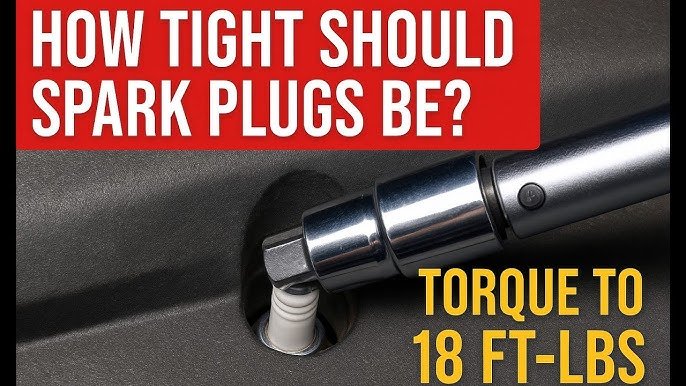
Are you wondering if you really need to torque your spark plugs? You’re not alone.
Many car enthusiasts and DIY mechanics often question the importance of this step. Ignoring it might seem tempting, but it could lead to some unexpected headaches down the road. Think about the peace of mind you’ll gain from knowing your engine is running smoothly and efficiently.
This article will unravel the mystery behind torquing spark plugs and why it matters more than you might think. Stick around to discover how a simple adjustment can save you from costly repairs and ensure your engine’s optimal performance.

Credit: modernautoparts.co.za
Importance Of Proper Torque
Applying the correct torque to spark plugs is more than just a technical step—it directly affects how your engine runs and lasts. Proper torque ensures the spark plug seals perfectly, allowing your engine to perform efficiently and safely. Ignoring this detail can lead to problems that are often costly and frustrating to fix.
Impact On Engine Performance
Your engine relies on a tight seal between the spark plug and the cylinder head to maintain proper compression and combustion. If the torque is spot on, the spark plug fires consistently, helping your engine run smoothly and efficiently. Have you ever noticed rough idling or decreased fuel efficiency? Improper torque could be the hidden cause behind those issues.
Risks Of Over-tightening
Applying too much torque can strip the threads in the cylinder head or even crack the spark plug itself. This not only leads to expensive repairs but also risks engine damage from poor sealing. Think about the last time you tried to force something tight—sometimes less is more, especially with spark plugs.
Consequences Of Under-tightening
On the flip side, not tightening spark plugs enough can cause them to loosen over time. This results in loss of compression, poor ignition, and potential engine misfires. Loose spark plugs might also allow combustion gases to escape, damaging the threads and leading to costly repairs down the road.

Credit: www.reddit.com
Torque Specifications For Spark Plugs
Knowing the correct torque specifications for spark plugs is crucial for your engine’s performance and longevity. Too much torque can strip the threads or damage the spark plug, while too little can lead to poor sealing and misfires. Let’s break down what you need to know to get it just right.
Manufacturer Guidelines
Every spark plug comes with recommended torque values set by the manufacturer. These guidelines are based on the plug’s material, size, and the engine’s design. Ignoring these specs can cause costly damage or reduce efficiency.
You can usually find these details in the vehicle’s service manual or on the spark plug packaging. Following the exact torque specs ensures a proper seal and prevents issues like overheating or thread damage.
Variations By Engine Type
Torque requirements change depending on whether you have an aluminum or cast iron cylinder head. Aluminum heads generally need less torque because they are softer and more prone to damage. Cast iron heads can handle higher torque values without stripping.
High-performance engines or turbocharged setups may call for specific torque settings to handle extra stress. It’s important to identify your engine type before tightening spark plugs to avoid mistakes that affect engine health.
Using A Torque Wrench
A torque wrench is your best tool for hitting the perfect tightness every time. It prevents over-tightening and under-tightening by giving you precise control. If you don’t have one, consider investing in a good quality wrench—it can save you money and frustration.
Always clean the threads and apply a small amount of anti-seize compound if recommended before torquing. Tighten the spark plug in stages and stop as soon as the wrench clicks or shows the correct reading.
Have you ever tried tightening spark plugs by feel alone? Using a torque wrench can make a huge difference in how smoothly your engine runs after maintenance.
Step-by-step Torque Process
Tightening spark plugs with the correct torque is vital for engine health. It ensures proper sealing and prevents damage. The process follows clear steps to avoid common mistakes. Each phase helps achieve the right fit without over-tightening or loosening.
Preparing The Spark Plug
First, clean the spark plug threads gently. Check for any dirt or oil. Use a gap tool to set the spark plug gap correctly. Inspect the plug for cracks or damage. Make sure the spark plug matches your engine’s specifications.
Hand-tightening First
Insert the spark plug carefully into the cylinder head by hand. Turn it slowly to avoid cross-threading. Feel for resistance as the plug seats. Hand-tightening prevents damage to the threads. Stop tightening once it feels snug and firm.
Applying The Correct Torque
Use a torque wrench set to the manufacturer’s recommended value. Place the wrench on the spark plug’s hex head. Turn the wrench smoothly until it clicks or shows the set torque. Do not exceed the specified torque to avoid stripping threads. Double-check the torque for each plug for consistency.
Safety Tips During Installation
Installing spark plugs safely is crucial for engine performance and longevity. Careful handling prevents damage and ensures a secure fit. Follow basic safety tips to avoid common installation mistakes. These simple steps protect your engine and save repair costs.
Checking For Damage
Inspect each spark plug before installation. Look for cracks or chips on the ceramic insulator. Bent or worn electrodes reduce efficiency. Replace any damaged spark plugs immediately. Using damaged plugs can cause misfires or engine damage.
Avoiding Cross-threading
Start threading spark plugs by hand. This helps prevent cross-threading in the cylinder head. Cross-threading damages the threads and causes air leaks. Use a spark plug socket and wrench carefully. Stop if resistance is too high and realign the plug.
Ensuring Proper Heat Range
Select spark plugs with the correct heat range for your engine. Too hot plugs cause pre-ignition and engine knocking. Too cold plugs foul quickly and misfire. Check your vehicle manual or consult a mechanic. Proper heat range keeps your engine running smoothly.
Signs Of Improper Torque
Incorrect torque on spark plugs causes several problems in your engine. Signs of improper torque are often easy to notice if you know what to watch for. These signs affect engine performance and the lifespan of your spark plugs. Pay attention to these symptoms to avoid costly repairs and maintain smooth engine operation.
Engine Misfires
Loose or over-tightened spark plugs can cause engine misfires. Misfires happen when the spark plug does not ignite the fuel-air mixture properly. This leads to rough idling, poor acceleration, and strange noises. Misfires reduce engine power and can cause damage to other parts over time.
Fuel Efficiency Issues
Improper torque affects fuel consumption negatively. A spark plug that is too loose leaks compression, wasting fuel. Over-tightened plugs may cause poor combustion, leading to higher fuel use. Both conditions reduce your car’s miles per gallon, increasing running costs.
Physical Damage To Spark Plugs
Over-tightening spark plugs can crack the ceramic insulator. Cracked insulators cause misfires and may let moisture enter the combustion chamber. Loose plugs can cause thread damage in the cylinder head. Both issues require costly replacements and repairs. Proper torque prevents this physical damage and ensures a secure fit.
Maintaining Spark Plug Health
Maintaining the health of your spark plugs is key to keeping your engine running smoothly. Spark plugs wear out over time, and neglecting them can lead to poor fuel efficiency, rough idling, or even engine misfires. Paying attention to how you care for these small but vital components can save you time and money down the road.
Regular Inspection Intervals
Check your spark plugs regularly to spot early signs of wear or damage. Most manufacturers suggest inspecting them every 30,000 miles, but this can vary based on your vehicle and driving habits. Ask yourself: have you noticed any changes in engine performance or fuel economy? These can be clues that it’s time for a look.
Cleaning And Replacement
Cleaning spark plugs can extend their life if done properly. Use a wire brush or specialized spark plug cleaner to remove carbon deposits gently. However, if the electrodes are worn or the porcelain is cracked, replacement is the better choice. Keep a spare set handy—you never know when you might need a quick swap.
Using Quality Parts
Choosing high-quality spark plugs makes a noticeable difference. Cheaper plugs might save money upfront but often wear out faster and can harm engine performance. Consider brands recommended by your vehicle manufacturer or trusted automotive experts. Have you ever swapped to a premium spark plug and felt the engine respond better? That’s the power of quality parts.

Credit: www.clubrsx.com
Frequently Asked Questions
Do Spark Plugs Require Specific Torque Settings?
Yes, spark plugs need specific torque settings to ensure proper sealing and performance. Over-tightening can damage threads, while under-tightening may cause misfires or leaks.
What Happens If Spark Plugs Are Not Torqued Correctly?
Incorrect torque can lead to engine misfires, poor fuel efficiency, or damage to the cylinder head. Proper torque ensures optimal engine function and longevity.
Can I Tighten Spark Plugs By Hand Without Torque Tools?
Hand tightening is not recommended as it can cause improper seating. Using a torque wrench ensures precise tightening and prevents damage or engine issues.
How Often Should Spark Plug Torque Be Checked?
Torque should be checked during every spark plug replacement or engine service. Regular checks prevent mechanical issues and maintain engine efficiency.
Conclusion
Spark plugs need proper torque to work well. Tightening them too much can cause damage. Too little torque may lead to poor engine performance. Using a torque wrench helps get the right tightness. This keeps your engine running smoothly and safely.
Remember, correct torque saves time and money on repairs. Always follow the car maker’s torque guide. Taking care with spark plug installation improves your vehicle’s life. Simple steps make a big difference in engine health. Don’t skip this important part of car maintenance.





