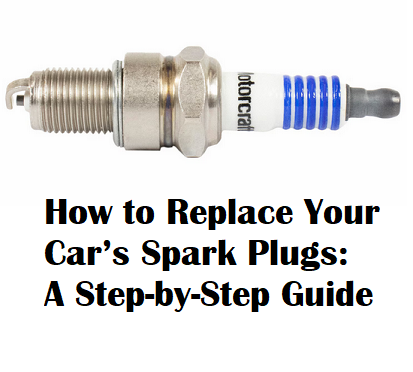
Are you wondering if your car’s spark plugs need replacing? You’re not alone.
Many drivers overlook this small but crucial component of their vehicle. Ignoring spark plugs can lead to poor performance, reduced fuel efficiency, or even engine damage. You might be asking yourself, “How do I know when it’s time for a change?
” Or “What happens if I don’t replace them? ” These are important questions, and understanding the answers can save you time, money, and headaches down the road. Stick around to discover the telltale signs that your spark plugs need attention and how timely replacement can keep your engine running smoothly. This knowledge could be the difference between a quick fix and costly repairs. Let’s dive in and ensure your car stays in top shape.
Role Of Spark Plugs
Spark plugs play a vital role in a car’s engine. They create the spark that ignites the fuel. This tiny spark starts the engine and keeps it running. Without spark plugs, the engine cannot function properly. They need to be in good condition for smooth engine performance.
How Spark Plugs Work
Spark plugs deliver electrical energy to the engine’s combustion chamber. This energy creates a spark. The spark ignites the air-fuel mixture. The explosion from this ignition powers the engine. Spark plugs must withstand high pressure and heat inside the engine. They repeat this process thousands of times per minute.
Impact On Engine Performance
Worn or dirty spark plugs cause weak or no sparks. This leads to poor fuel burning. The engine may misfire or hesitate. Fuel efficiency drops, and emissions rise. Smooth acceleration and starting become difficult. Replacing spark plugs helps the engine run cleaner and stronger.

Credit: www.acg.aaa.com
Signs Of Worn Spark Plugs
Worn spark plugs can quietly cause serious issues with your car’s performance. Recognizing the signs early can save you from costly repairs and frustrating breakdowns. Here are some clear indicators that your spark plugs might need a replacement.
Engine Misfires And Rough Idling
If your engine stumbles or misfires, it could be a sign of worn spark plugs. You might notice the engine running unevenly, especially when idling. This happens because the spark plugs fail to ignite the fuel-air mixture properly, disrupting smooth engine operation.
Have you ever felt your car shake or jerk unexpectedly at stoplights? That’s often due to spark plugs struggling to keep the engine firing consistently. Ignoring this can lead to more serious engine damage over time.
Poor Fuel Economy
Are you filling up your gas tank more often than usual? Worn spark plugs can reduce your fuel efficiency by causing incomplete combustion. This means your engine burns more fuel to deliver the same power.
Think about the last time you tracked your mileage—did it suddenly drop? Replacing spark plugs can restore fuel economy, saving you money at the pump without any extra effort on your part.
Difficulty Starting The Engine
Struggling to start your car, especially on cold mornings, might point to spark plug issues. Old or fouled spark plugs can fail to generate the spark needed to ignite the fuel. This delays the engine’s start and puts extra strain on your battery.
Have you noticed your engine turning over longer than usual? This subtle sign often goes unnoticed until the spark plugs are completely worn out. Replacing them promptly keeps your car reliable and ready to go every time.
When To Replace Spark Plugs
Knowing when to replace spark plugs is key to keeping an engine running well. Old or worn spark plugs can cause poor fuel economy, rough idling, and hard starts. Regular checks help prevent engine problems and save on costly repairs.
Recommended Replacement Intervals
Most car makers suggest changing spark plugs every 30,000 to 100,000 miles. This range depends on the spark plug type and vehicle model. Copper spark plugs need replacement more often, usually around 30,000 miles. Platinum or iridium plugs last longer, often up to 100,000 miles. Always check the owner’s manual for exact timing.
Factors Influencing Replacement Frequency
Several things affect how often spark plugs wear out:
- Driving habits – frequent short trips or heavy acceleration can wear plugs faster.
- Engine type – high-performance engines put more stress on spark plugs.
- Fuel quality – poor fuel can cause deposits and damage plugs quicker.
- Maintenance – regular tune-ups and cleaning extend spark plug life.
Watching for signs like engine misfires, poor acceleration, or trouble starting helps decide when to replace plugs sooner.
Credit: modernautoparts.co.za
Types Of Spark Plugs
Spark plugs play a key role in your car’s engine. They ignite the air-fuel mixture to start the engine. Different types of spark plugs suit different engines and driving styles. Choosing the right spark plug helps your engine run smoothly and saves fuel.
Copper Vs Platinum Vs Iridium
Copper spark plugs are the most basic type. They conduct electricity well but wear out faster. They are good for older cars and simple engines.
Platinum spark plugs last longer than copper ones. They resist corrosion and provide better performance. Most modern cars use platinum plugs for better efficiency.
Iridium spark plugs are the most durable. They have a fine tip that improves ignition. Iridium plugs last the longest and give the best fuel economy. They cost more but need less frequent replacement.
Choosing The Right Spark Plug For Your Vehicle
Check your car’s manual for recommended spark plugs. Using the right type keeps the engine healthy. Consider driving habits and conditions.
- For daily driving, platinum plugs balance cost and performance.
- For high-performance engines, iridium plugs offer better spark and durability.
- For older vehicles, copper plugs may be enough and cost-effective.
Replacing spark plugs on time improves fuel efficiency. It also prevents engine misfires and rough idling. Use the correct gap size for proper ignition. A good spark plug keeps your car running strong.
Replacing Spark Plugs
Replacing spark plugs is a vital task for maintaining your vehicle’s engine. Old or worn spark plugs can cause poor fuel efficiency and rough idling. Changing them regularly keeps your engine running smoothly and saves you from costly repairs.
Tools Needed
- Spark plug socket wrench
- Ratchet and extension bar
- Torque wrench
- Spark plug gap tool
- Anti-seize lubricant
- Compressed air or a brush
- Gloves and safety glasses
Step-by-step Replacement Guide
- Locate the spark plugs under the engine cover or manifold.
- Clean the area around each spark plug using compressed air.
- Remove the spark plug wire or coil pack carefully.
- Use the spark plug socket wrench to unscrew the old spark plug.
- Check the gap on the new spark plug with the gap tool.
- Apply a small amount of anti-seize lubricant to the threads.
- Insert the new spark plug and hand-tighten it.
- Tighten the spark plug to the manufacturer’s torque specifications.
- Reconnect the spark plug wire or coil pack securely.
- Repeat for all spark plugs and replace the engine cover if removed.
Safety Precautions
- Work on a cool engine to avoid burns.
- Wear gloves and safety glasses for protection.
- Disconnect the car battery to prevent electric shocks.
- Handle spark plugs carefully to avoid damage.
- Ensure tools are in good condition and fit properly.
- Follow the vehicle’s manual for specific instructions.
Maintaining Spark Plug Health
Keeping your spark plugs in good shape is key to your engine’s performance and fuel efficiency. Neglecting them can lead to rough idling, poor acceleration, and even increased emissions. Let’s look at some practical ways you can maintain spark plug health and avoid unexpected breakdowns.
Regular Inspection Tips
Check your spark plugs every 30,000 miles or as recommended in your vehicle’s manual. Look for signs like worn electrodes, carbon deposits, or cracks in the ceramic insulator. If you notice any damage or excessive buildup, it’s time to replace or clean them.
Don’t wait for engine trouble to start inspecting. A quick visual check during routine oil changes can save you from costly repairs later. Have you ever found a spark plug that looked fine but was actually causing misfires?
Cleaning Spark Plugs
Cleaning spark plugs can extend their life if the wear isn’t severe. Use a wire brush or spark plug cleaner to remove carbon deposits gently. Avoid harsh sanding, as it can damage the electrodes and affect performance.
After cleaning, check the gap between the electrodes with a feeler gauge and adjust it if needed. A properly gapped spark plug ensures a strong, consistent spark. Have you tried cleaning your plugs before deciding to replace them?
Avoiding Common Issues
Fuel quality and engine tuning directly affect spark plug health. Poor fuel can cause deposits, while a misfiring engine can overheat plugs. Make sure your fuel system and ignition timing are in check to prevent premature spark plug failure.
Also, avoid over-tightening spark plugs during installation. This can crack the insulator or damage threads, leading to leaks or misfires. Using a torque wrench ensures you apply the right amount of pressure every time.

Credit: simonsautorepairtaunton.com
Frequently Asked Questions
How Often Should Spark Plugs Be Replaced?
Spark plugs typically need replacement every 30,000 to 100,000 miles. Check your vehicle’s manual for specific intervals. Regular replacement ensures optimal engine performance and fuel efficiency.
What Are Signs Of Worn-out Spark Plugs?
Common signs include engine misfires, poor fuel economy, rough idling, and difficulty starting. If you notice these, inspect or replace your spark plugs promptly.
Can Bad Spark Plugs Damage The Engine?
Yes, faulty spark plugs can cause misfires and poor combustion. This may lead to engine damage over time if not addressed quickly.
Are All Spark Plugs Interchangeable?
No, spark plugs vary by engine type and size. Always use spark plugs recommended by your vehicle manufacturer for best results.
Conclusion
Spark plugs wear out over time and affect engine performance. Regular checks help keep your car running smoothly. Worn spark plugs can cause poor fuel economy and rough starts. Replacing them on time saves money and avoids bigger problems. Simple maintenance like this keeps your vehicle reliable and safe.
Remember, healthy spark plugs mean a healthier engine. Don’t wait for trouble—stay ahead with regular spark plug care.





