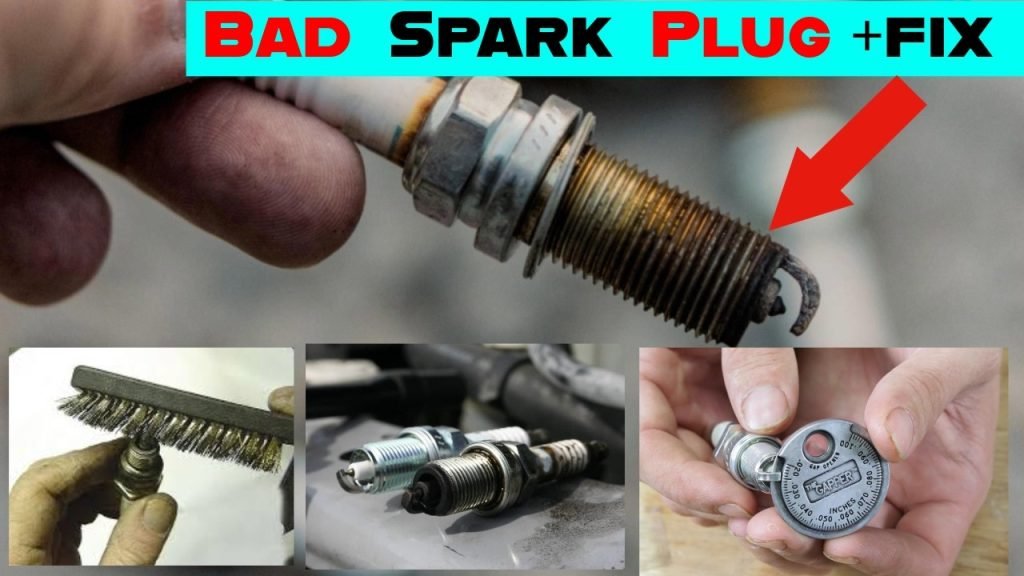
Have you ever wondered if your car’s spark plugs could be causing those engine troubles? It’s easy to overlook these small yet essential components, but they play a crucial role in your vehicle’s performance.
If you’re experiencing issues like rough idling, poor fuel economy, or trouble starting your car, it might be time to consider whether your spark plugs are going bad. Understanding the signs and knowing when to replace them can save you from unexpected breakdowns and costly repairs.
Stick around, and we’ll delve into what makes spark plugs fail, how you can spot the warning signs, and the steps you can take to keep your engine running smoothly. Your car’s health could depend on it!

Credit: www.reddit.com
Spark Plug Lifespan
Spark plugs play a vital role in engine performance. They ignite the air-fuel mixture inside the engine cylinders. Over time, spark plugs wear out and lose efficiency. Knowing their lifespan helps keep your car running smoothly. It also prevents unexpected breakdowns and poor fuel economy.
The lifespan of spark plugs depends on several factors. These include the type of spark plug, driving habits, and engine condition. Regular checks ensure you replace them before problems arise.
Spark Plug Types And Their Lifespan
Different spark plugs last different lengths of time. Here is a quick overview:
- Copper spark plugs last about 20,000 to 30,000 miles.
- Platinum spark plugs can last up to 60,000 miles.
- Iridium spark plugs often last over 100,000 miles.
Choosing the right type affects how often you must change them.
Signs Your Spark Plugs Are Wearing Out
Worn spark plugs cause several symptoms. These include:
- Engine misfires or rough idling.
- Difficulty starting the engine.
- Reduced fuel efficiency.
- Slower acceleration.
Spotting these signs early can prevent bigger issues.
Factors That Shorten Spark Plug Life
Some conditions can reduce spark plug lifespan:
- Frequent short trips with cold engine starts.
- Using low-quality fuel.
- Excessive idling or heavy towing.
- Engine oil or coolant leaks.
Maintaining your vehicle well helps spark plugs last longer.
Common Signs Of Failure
Spark plugs play a key role in your engine’s performance. Over time, they can wear out and cause issues. Recognizing the common signs of spark plug failure helps you avoid bigger problems. These signs often show up as changes in how your car runs.
Engine Misfires
Engine misfires happen when spark plugs fail to ignite the fuel. This causes the engine to run unevenly or jerk. You might feel a sudden drop in power during acceleration. Misfires also increase emissions and can damage the engine.
Poor Fuel Economy
Worn spark plugs burn fuel less efficiently. Your car will use more gas to go the same distance. This leads to higher fuel costs and more trips to the pump. A drop in fuel economy often signals spark plug issues.
Difficulty Starting
Bad spark plugs make starting your car hard. The engine may crank longer or fail to start at all. This is because the spark is weak or missing. Easy starts depend on good spark plug performance.
Rough Idling
When spark plugs are failing, the engine may idle roughly. You may hear shaking or uneven sounds while the car is still. Rough idling shows the engine is not firing smoothly. This can lead to stalling in some cases.
Reasons Spark Plugs Fail
Spark plugs are crucial for engine performance. They ignite the air-fuel mixture inside cylinders. Over time, spark plugs can fail and cause engine problems. Understanding why spark plugs fail helps in proper maintenance. Several factors contribute to spark plug failure. These issues reduce engine efficiency and increase fuel consumption.
Wear And Tear
Spark plugs wear out naturally with use. The metal electrodes slowly erode after many ignitions. This erosion increases the gap between electrodes. Larger gaps make sparks weaker and inconsistent. Old spark plugs cause misfires and rough engine running. Regular replacement prevents these problems.
Carbon Buildup
Carbon deposits form on spark plugs over time. This happens due to incomplete fuel combustion. Thick carbon layers block the spark gap. Blocked gaps stop the spark from jumping properly. Engines may hesitate or stall because of this. Cleaning or replacing plugs clears the buildup.
Overheating
Excessive heat damages spark plugs quickly. Overheating causes the electrodes to melt or burn. This damage prevents proper spark generation. Causes include lean fuel mixture or engine timing issues. Hot spark plugs lead to engine knocking and poor performance.
Oil Contamination
Oil leaks inside the engine can foul spark plugs. Oil coats the electrode and insulator. This coating stops spark formation. Fouled plugs cause misfires and hard starts. Fixing the oil leak and replacing plugs restores engine function.
How To Inspect Spark Plugs
Inspecting spark plugs helps find engine issues early. Regular checks keep the engine running smoothly. Simple tools and careful observation reveal if spark plugs need replacement. Here is how to inspect spark plugs effectively.
Visual Checks
Remove the spark plug carefully. Examine the ceramic insulator for cracks or chips. Look at the electrode for wear or buildup.
- Check for black soot, indicating a rich fuel mix.
- Look for oily deposits that suggest oil leaks.
- Observe the electrode gap for erosion or damage.
- Inspect for rust or corrosion on the metal parts.
Clean spark plugs might only need gap adjustment. Damaged or heavily fouled plugs require replacement.
Using A Spark Plug Tester
A spark plug tester shows if the plug sparks correctly. Connect the tester to the spark plug and ground it properly. Crank the engine and watch for a strong, blue spark.
- No spark means a faulty plug or ignition problem.
- A weak or inconsistent spark suggests plug wear.
- Use the tester regularly for accurate diagnosis.
This tool saves time and helps avoid guesswork in repairs.
When To Replace Spark Plugs
Knowing when to replace spark plugs is key to keeping your engine healthy. Worn-out spark plugs cause poor fuel efficiency and rough starts. Timely replacement avoids damage to other engine parts and saves money on repairs.
Check the owner’s manual for the recommended spark plug change interval. This varies by car make and model but often falls between 30,000 and 100,000 miles. Driving conditions also affect this timeline.
Watch for signs that signal spark plug wear. These hints help decide if replacement is needed before the scheduled mileage.
Engine Misfires And Rough Idling
Misfires happen when spark plugs fail to ignite fuel properly. The engine may shake or feel rough when idling. This reduces performance and causes higher emissions.
Difficulty Starting The Engine
Old spark plugs can make starting your car hard. You might hear repeated clicking or experience delayed starts. This is a warning to inspect and possibly replace them.
Decreased Fuel Efficiency
Fuel economy drops when spark plugs wear down. The engine burns more fuel to maintain power. Replacing spark plugs improves mileage and lowers fuel costs.
Visible Wear And Deposits On Spark Plugs
Remove and examine spark plugs during maintenance. Check for carbon buildup, oil deposits, or worn electrodes. These signs mean the plugs need replacement.
Check Engine Light Activation
The check engine light may turn on due to spark plug issues. Modern vehicles detect ignition problems and alert the driver. Never ignore this warning.

Credit: www.reddit.com
Replacement Tips
Replacing spark plugs might seem straightforward, but choosing the right one and knowing how to install it properly can make a huge difference in your engine’s performance. The right spark plug ensures efficient combustion and smoother rides, while a poor choice or incorrect installation can lead to engine problems. Let’s dive into some practical tips that will help you replace your spark plugs with confidence and avoid common pitfalls.
Choosing The Right Spark Plug
Your vehicle’s manual is the best place to start when selecting spark plugs. It lists the exact type, heat range, and gap size that suit your engine’s design. Using spark plugs not recommended for your car can cause poor fuel economy or even engine damage.
Consider the material of the spark plug tip—copper, platinum, or iridium. Iridium plugs last longer but cost more, while copper plugs are cheaper but wear out faster. Think about your driving habits: if you often drive long distances, investing in iridium plugs might save you money over time.
Diy Replacement Steps
Replacing spark plugs yourself can save money and give you a better understanding of your car. Start by letting your engine cool down completely to avoid burns. Gather tools like a spark plug socket, ratchet, and a gap gauge before you begin.
- Remove the ignition coil or spark plug wire gently to avoid damage.
- Use the spark plug socket to unscrew the old plug carefully.
- Check the gap on your new spark plug and adjust it if necessary using the gap gauge.
- Install the new plug by hand first to avoid cross-threading, then tighten it with the socket.
- Reconnect the ignition coil or spark plug wire firmly.
Do you feel the difference when your engine runs smoothly after replacing the plugs? It’s rewarding to know you fixed a part that directly impacts your car’s efficiency.
When To Seek Professional Help
If you notice persistent engine misfires, rough idling, or difficulty starting your car even after replacing spark plugs, it might be time to consult a mechanic. Some vehicles have hard-to-reach spark plugs or complex ignition systems that require specialized tools.
Also, if you’re unsure about the spark plug specifications or how to properly gap and install them, a professional can prevent costly mistakes. Remember, improper installation can lead to stripped threads or damage to your cylinder head, which are expensive to fix.
Would you rather risk a small investment in professional service than face bigger repair bills? Sometimes, knowing your limits is the smartest choice for your car and your budget.
Maintenance For Longer Spark Plug Life
Keeping your spark plugs in good shape is key to your engine’s smooth performance. Proper maintenance not only extends their life but also helps you avoid unexpected breakdowns and costly repairs. You might be surprised how small habits can make a big difference in how long your spark plugs last.
Regular Engine Tune-ups
Scheduling regular engine tune-ups can catch spark plug issues before they cause bigger problems. During a tune-up, mechanics check and replace spark plugs if needed, ensuring optimal ignition. Have you noticed your engine running rough or struggling to start? That’s often a sign your spark plugs need attention.
Keeping up with your car’s maintenance schedule helps you avoid sudden failures. Even if your spark plugs seem fine now, replacing them at recommended intervals keeps your engine firing efficiently.
Using Quality Fuel
The type of fuel you use directly affects spark plug health. Low-quality or contaminated fuel can leave deposits on the plugs, reducing their effectiveness and causing misfires. Have you ever seen black soot on your spark plugs? That’s a sign of poor fuel burning.
Choosing high-quality fuel with proper additives helps keep your spark plugs clean. If you want longer spark plug life, consider fuels that meet your car manufacturer’s specifications.
Avoiding Engine Overheating
Overheating can damage spark plugs and other engine components quickly. When your engine runs too hot, the spark plug’s electrodes can wear out faster, leading to poor performance or failure. Have you checked your temperature gauge lately?
Simple actions like checking coolant levels regularly and fixing leaks can prevent overheating. Protect your spark plugs by keeping your engine cool and running within safe temperatures.

Credit: craigscarcare.com
Frequently Asked Questions
How Can I Tell If Spark Plugs Go Bad?
Bad spark plugs cause engine misfires, rough idling, and poor fuel economy. Check for difficulty starting and reduced acceleration. Inspect spark plugs for wear or deposits. Regular maintenance helps prevent spark plug failure and keeps your engine running smoothly.
How Often Do Spark Plugs Need Replacement?
Spark plug replacement typically occurs every 30,000 to 100,000 miles. The interval depends on the spark plug type and vehicle model. Consult your owner’s manual for specific guidance. Timely replacement ensures optimal engine performance and fuel efficiency.
What Causes Spark Plugs To Wear Out?
Spark plugs wear out due to heat, corrosion, and carbon buildup. Frequent short trips, poor fuel quality, or oil leaks accelerate wear. Over time, electrode erosion reduces spark efficiency, leading to ignition issues and decreased engine power.
Can Bad Spark Plugs Damage My Engine?
Yes, bad spark plugs can cause engine misfires and damage. Continuous misfiring leads to catalytic converter issues and poor combustion. Replacing faulty spark plugs promptly prevents costly engine repairs and maintains smooth vehicle operation.
Conclusion
Spark plugs wear out over time and affect engine performance. Regular checks help spot problems early. Worn plugs cause rough starts, poor fuel use, and weak power. Changing them keeps your car running smooth and saves money on repairs. Don’t ignore signs like engine misfires or low mileage.
Good spark plugs mean a strong, reliable engine. Stay on top of maintenance to avoid bigger issues later. Simple care goes a long way for your vehicle’s health.





