Are you wondering if spark plugs come pre-gapped? If you’ve ever worked on your car or thought about doing it yourself, this question probably crossed your mind.
Getting the gap right is crucial for your engine’s performance, but it can be confusing to know if you need to adjust it yourself or if the spark plugs are ready to go straight out of the box. Keep reading to discover the truth about spark plug gaps and how to make sure your engine runs smoothly without any guesswork.
Spark Plug Gap Basics
Spark plugs are small but vital parts of an engine. Their job is to create a spark that ignites the fuel-air mix in the cylinder. One key detail about spark plugs is the gap between their electrodes. This gap affects how well the spark forms and how the engine runs. Understanding the basics of spark plug gaps helps in choosing and installing the right plugs for your vehicle.
What Is A Spark Plug Gap
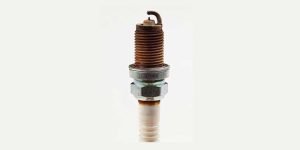
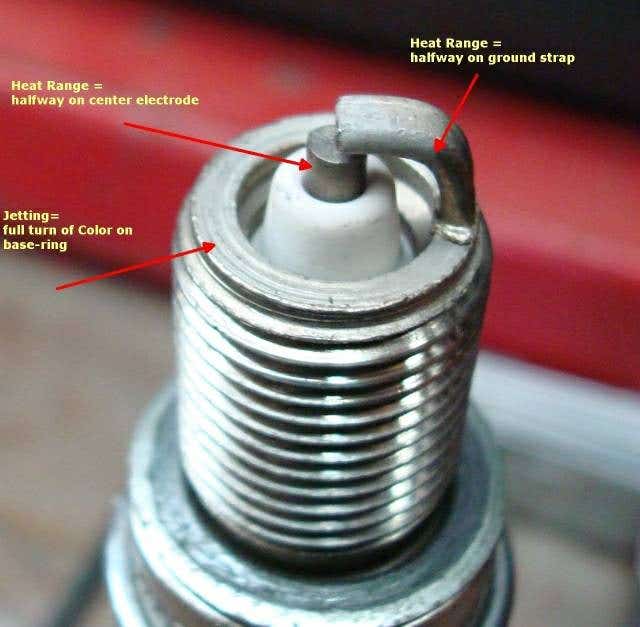
The spark plug gap is the space between two electrodes. These electrodes are metal pieces at the tip of the spark plug. When electricity jumps across the gap, it creates a spark. The spark ignites the fuel inside the engine cylinder. This gap size is measured in thousandths of an inch or millimeters.
Each engine has a recommended gap size. The size depends on the engine design and fuel type. A correct gap ensures a strong, steady spark. A gap that is too small or too large weakens the spark. This can cause engine problems like misfires or poor fuel economy.
Why Gap Size Matters
The gap size affects engine performance in many ways. A proper gap helps the spark burn fuel completely. This improves power and reduces harmful emissions. It also helps the engine start easily and run smoothly.
Too small a gap causes a weak spark. This leads to incomplete fuel burning and rough running. Too large a gap makes it hard for the spark to jump across. This can cause misfires and wasted fuel. Both cases reduce engine efficiency and may damage parts over time.
Checking and adjusting the spark plug gap is a simple but important task. It helps maintain engine health and saves fuel costs. Always follow the vehicle manual for the correct gap size.
Credit: www.mustangecoboost.net
Factory Gap Settings
Factory gap settings on spark plugs are often a source of confusion for many car owners and DIY mechanics. These settings refer to the distance between the center and ground electrodes of the spark plug as set by the manufacturer. Understanding how these gaps come pre-set and whether you need to adjust them can save you time and prevent engine issues.
Are Spark Plugs Pre Gapped
Most spark plugs do come pre-gapped right out of the box. Manufacturers set this gap based on the general requirements of popular vehicle models. However, this doesn’t mean the gap is always perfect for your specific engine.
It’s a good idea to check the gap yourself before installation. Using a feeler gauge, you can verify if the pre-gap matches your vehicle’s recommended specifications. This step can prevent misfires and improve fuel efficiency.
Common Gap Sizes From Manufacturers
Spark plug gap sizes typically range from 0.028 to 0.060 inches (0.7 to 1.5 mm). Here’s a quick look at typical factory gap settings for different types of engines:
| Engine Type | Typical Factory Gap |
|---|---|
| Standard passenger cars | 0.030″ – 0.044″ (0.76 – 1.12 mm) |
| High-performance engines | 0.040″ – 0.060″ (1.02 – 1.52 mm) |
| Motorcycles and small engines | 0.020″ – 0.040″ (0.5 – 1.0 mm) |
Have you checked your spark plug gaps recently? Even a small difference can impact how smoothly your engine runs. Adjusting the gap to match your vehicle’s manual can make a noticeable difference in performance and fuel economy.
Checking Spark Plug Gaps
Checking the gap on your spark plugs is a simple but crucial task. It ensures your engine runs smoothly and efficiently. Even if your spark plugs come pre-gapped, it’s smart to verify the gap before installation to avoid performance issues.
Tools For Measuring Gaps
To check your spark plug gap accurately, you need the right tools. A spark plug gap tool or feeler gauge is commonly used. These tools are affordable, easy to use, and can measure gaps in thousandths of an inch or millimeters.
Many mechanics prefer a wire-type gap tool because it easily slides into the gap without damaging the electrode. You can also find plastic or metal discs marked with various gap sizes. Having one of these tools on hand saves you a lot of guesswork.
How To Inspect The Gap
Start by cleaning the spark plug to remove any dirt or debris. Then, gently slide the gap tool into the space between the center and ground electrodes. The tool should fit snugly but still move with slight resistance.
If the gap is too wide, carefully bend the ground electrode closer to the center electrode. If it’s too narrow, gently pry it away. Be cautious—too much force can damage the electrode and ruin the spark plug.
Have you ever skipped checking the gap only to face rough idling or poor fuel economy later? Taking a few minutes to inspect and adjust the gap can save you time and money on engine troubles down the road.

Credit: www.124spider.org
Adjusting Spark Plug Gaps
Adjusting spark plug gaps is important for your engine’s performance. The gap is the small space where the spark jumps to ignite fuel. This gap must be just right. Too wide or too narrow can cause problems. Cars and machines need the correct gap to run smoothly and efficiently. Sometimes spark plugs come pre-gapped, but you may still need to check and adjust them.
When To Re-gap
Check the gap before installing new spark plugs. Some plugs arrive with the wrong gap for your engine. Engines may need different gaps based on design. Also, old spark plugs can wear out and change gap size. If the engine misfires or runs rough, the gap might be off. Adjusting the gap can fix these issues and improve fuel use.
Safe Techniques For Gap Adjustment
Use a spark plug gap tool to measure the space. These tools are cheap and easy to use. Avoid using sharp objects that can damage the plug. Gently bend the side electrode to change the gap. Make small adjustments and re-measure often. Never force the electrode as it can break or weaken. Keep the gap uniform and smooth for the best spark.
Impact Of Incorrect Gaps
Incorrect spark plug gaps can silently sabotage your engine’s performance and efficiency. Even a tiny mismatch in the gap size can cause noticeable problems, leaving you frustrated with your vehicle’s behavior. Understanding these impacts helps you avoid costly repairs and keeps your ride smooth and reliable.
Performance Issues
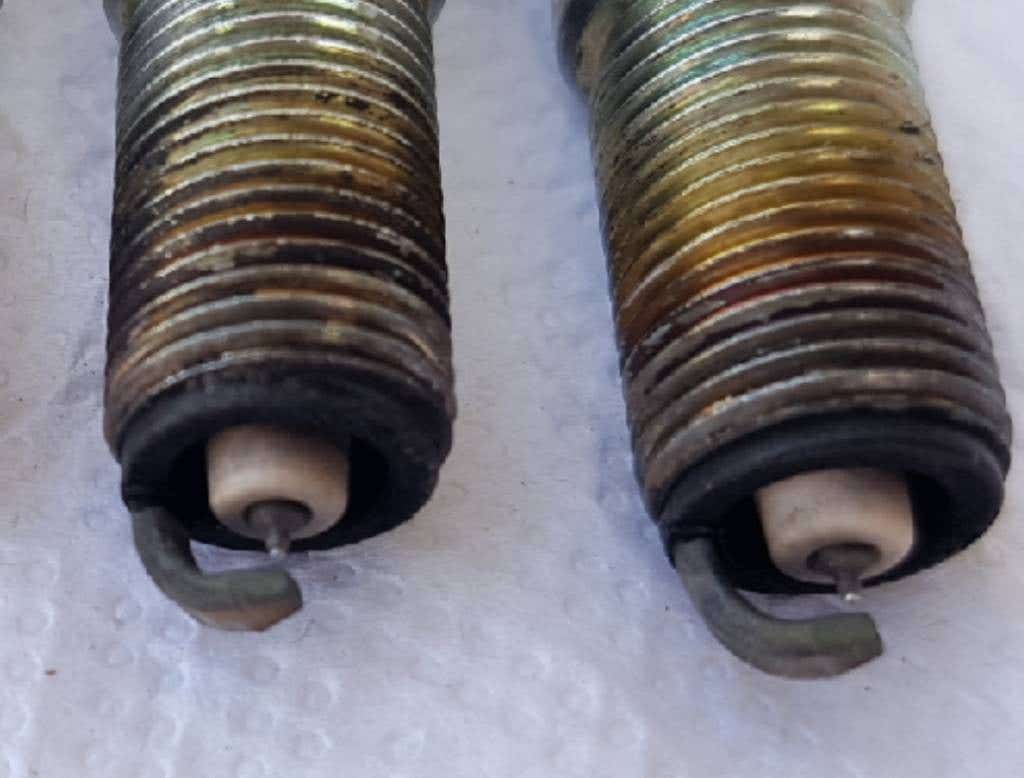
If the gap is too wide, your spark might struggle to jump across, causing weak or inconsistent ignition. This often results in engine misfires or rough idling, which you can feel immediately as hesitation or jerking during acceleration.
On the other hand, a gap that’s too narrow produces a weak spark, reducing the power your engine generates. You might notice your vehicle feeling sluggish or less responsive, especially when climbing hills or carrying heavy loads.
Have you ever experienced sudden engine stalling or difficulty starting? Incorrect gaps are often the hidden culprit behind these frustrating moments.
Fuel Efficiency And Emissions
A spark plug gap that’s off balance can disrupt the combustion process. Poor combustion means your engine burns more fuel than necessary, increasing your fuel costs over time.
Besides wasting fuel, incomplete combustion leads to higher emissions of harmful gases. This not only affects the environment but can also cause your car to fail emissions tests, leading to fines or restrictions.
Thinking about your fuel bills and environmental impact, isn’t it worth checking that your spark plugs are gapped correctly before hitting the road?
Credit: www.mustangecoboost.net
Tips For Choosing Spark Plugs
Choosing the right spark plugs is more than just picking a brand off the shelf. Your engine’s performance depends heavily on the gap between the spark plug electrodes. Understanding how to select spark plugs with the correct gap can save you time, improve fuel efficiency, and prevent misfires.
Matching Gap To Engine Specs
Every engine has specific spark plug gap requirements listed in the owner’s manual or service guide. Using a plug with the wrong gap can cause weak sparks or even engine damage.
Before buying, check your engine’s recommended gap size. If you find a spark plug that’s pre-gapped, verify that it matches your specs exactly. If not, you’ll need to adjust it carefully using a gap tool.
Have you ever experienced rough idling or poor acceleration? It might be due to a misfit spark plug gap. Don’t guess—always confirm the gap measurement to keep your engine running smoothly.
Brands Known For Accurate Gaps
Some spark plug brands are known for their precision in pre-gapping. NGK and Denso, for example, often deliver plugs with gaps very close to factory specifications. Choosing these brands can reduce your need to adjust the gap manually.
However, even with trusted brands, always double-check the gap before installation. Manufacturing tolerances can vary, and a quick inspection can prevent future engine issues.
Have you tried lesser-known brands that promised pre-gapped plugs but didn’t deliver? Sharing your experience can help others avoid similar problems.
Frequently Asked Questions
Do Spark Plugs Come Pre Gapped From The Factory?
Yes, most spark plugs come pre gapped to fit common engine types. However, always verify the gap before installation.
Should I Check The Gap Before Installing Spark Plugs?
Absolutely. Checking the gap ensures optimal engine performance and fuel efficiency. Adjust the gap if it doesn’t match your vehicle’s specs.
Can I Adjust The Gap On Pre Gapped Spark Plugs?
Yes, you can adjust the gap carefully using a spark plug gap tool to meet your engine’s requirements.
Why Is The Correct Spark Plug Gap Important?
The right gap ensures efficient combustion, better mileage, and reduced emissions. Incorrect gaps can cause misfires and engine problems.
Conclusion
Understanding spark plug gaps is essential for engine performance. Some spark plugs come pre-gapped, but not all. Always check the gap before installation. It ensures your engine runs smoothly. Use a gap tool for accuracy. A correct gap boosts efficiency and power.
Ignoring it can lead to issues. Consider your vehicle’s requirements. Follow manufacturer guidelines. This simple step can save time and trouble. Proper maintenance prolongs engine life. Stay informed and proactive. Your vehicle will thank you.