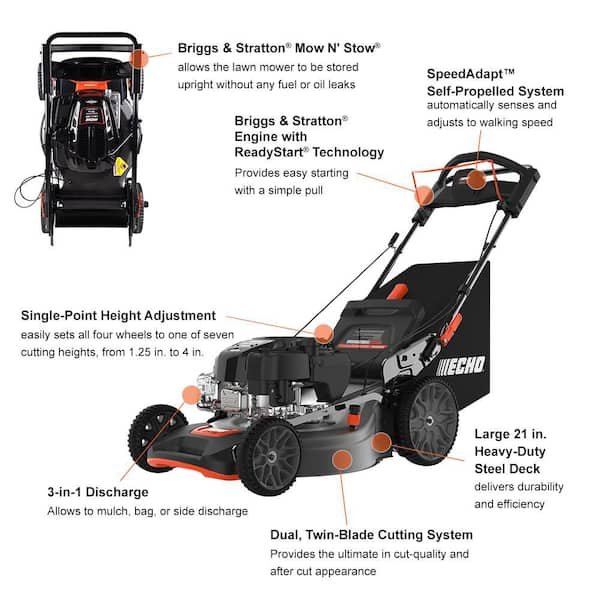
Have you ever found yourself standing in your garage, staring at your lawn mower, and wondering about the right type of fuel to use? You’re not alone.
The question “Do lawn mowers take mixed gas? ” Is more common than you might think. Choosing the wrong fuel can lead to costly repairs and frustrating afternoons. But what if you could easily avoid these pitfalls? Imagine the satisfaction of knowing your lawn mower is running at peak performance because you made the right choice.
In this guide, you’ll discover everything you need to know to keep your lawn mower in top shape and your lawn looking pristine. Get ready to save time, money, and effort with just a few simple insights.

Credit: www.familyhandyman.com
Fuel Types For Lawn Mowers
Choosing the right fuel for your lawn mower is more important than many realize. The type of fuel affects the engine’s performance, longevity, and maintenance needs. Before you pour mixed gas into your mower, it’s essential to understand how different fuels work and what manufacturers recommend.
Gasoline Vs. Mixed Gas
Regular gasoline is the most common fuel for lawn mowers. It’s readily available and easy to use, but it can degrade quickly if not stored properly. You might wonder if using mixed gas—gasoline blended with oil—is better for your mower.
Mixed gas is typically used for 2-stroke engines, where oil needs to mix with fuel for lubrication. Most lawn mowers have 4-stroke engines, which have separate oil reservoirs, so mixed gas isn’t necessary and can even harm the engine. Using mixed gas in a 4-stroke mower can cause excess smoke, clog spark plugs, and reduce engine life.
Ask yourself: does your mower’s engine type require oil in the fuel? If not, stick with pure gasoline to avoid damage and keep your mower running smoothly.
Common Fuel Recommendations
Manufacturers usually specify the fuel type in the user manual. Most recommend unleaded gasoline with an octane rating of 87 or higher. Avoid gasoline with more than 10% ethanol, as ethanol can attract moisture and cause corrosion.
If you don’t use your mower frequently, consider adding a fuel stabilizer to fresh gasoline. This prevents the fuel from breaking down and keeps the engine ready for action. Always drain the tank before storing your mower for months to prevent gum buildup.
- Use fresh gasoline:Fuel older than 30 days can cause starting problems.
- Check the octane rating:Most mowers run well on 87 octane or higher.
- Avoid mixed gas unless specified:4-stroke engines don’t need oil mixed in fuel.
- Add fuel stabilizer:This extends the life of stored fuel.
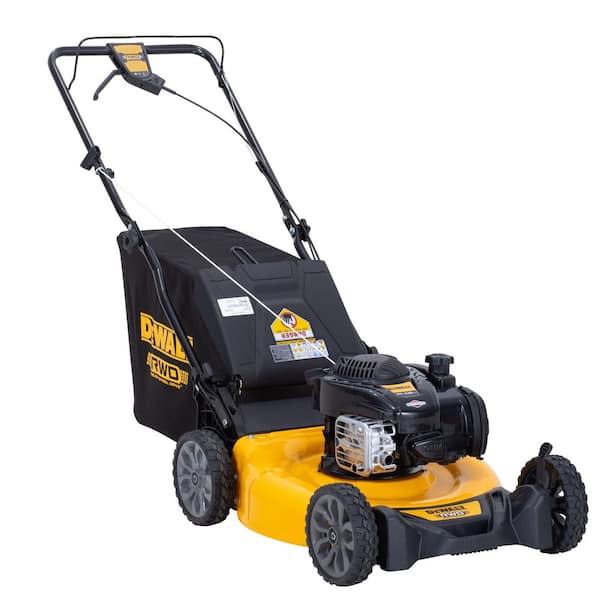
Credit: www.homedepot.com
What Is Mixed Gas?
Understanding what mixed gas is can save you from damaging your lawn mower’s engine. Many people ask whether lawn mowers take mixed gas, but first, you need to know exactly what mixed gas means and why it’s used. Let’s break down the basics so you can make the best choice for your mower.
Composition And Purpose
Mixed gas is a blend of gasoline and two-stroke engine oil. Typically, the ratio ranges from 40:1 to 50:1, meaning 40 or 50 parts gasoline to one part oil. This mixture lubricates the engine while it runs, which is essential for two-stroke engines that don’t have a separate oil reservoir.
If you’ve ever seen a container labeled “premixed fuel,” that’s mixed gas ready to use. It helps keep the engine parts moving smoothly and prevents overheating or seizing. Without this oil, the engine would quickly suffer damage.
Differences From Regular Gasoline
Regular gasoline doesn’t contain any oil; it’s just fuel. Using straight gasoline in a two-stroke engine can cause it to run dry and wear out fast. That’s why mixed gas is necessary for these engines.
On the other hand, four-stroke engines, like those in many lawn mowers, have separate oil systems. They don’t require mixed gas because the oil and fuel are kept apart. So, mixing oil into the gas for these mowers can actually harm the engine.
Have you checked what type of engine your mower has? Knowing this can help you avoid costly mistakes and keep your mower running smoothly.
Compatibility With Lawn Mowers
Understanding the compatibility of mixed gas with your lawn mower is crucial before you start filling up the tank. Using the wrong fuel can damage the engine or reduce its performance. Let’s look deeper into how engine types and manufacturer guidelines influence whether mixed gas is suitable for your mower.
Two-stroke Vs. Four-stroke Engines
Two-stroke engines require a precise mix of gasoline and oil to run smoothly. This mixed gas lubricates the engine parts during combustion, so using straight gasoline can cause serious damage. If you’ve ever tried using pure gas in a two-stroke mower, you might have noticed it sputters or overheats quickly.
Four-stroke engines, on the other hand, have separate compartments for gas and oil. They typically run on straight gasoline without any oil mix. Using mixed gas in a four-stroke mower can lead to excess smoke, fouled spark plugs, and even engine failure.
- Two-stroke: Requires mixed gas (gas + oil)
- Four-stroke: Uses straight gasoline only
Manufacturer Guidelines
Always check your mower’s manual for fuel recommendations. Manufacturers test their engines extensively and provide specific fuel instructions to ensure optimal performance and longevity. Ignoring these guidelines can void your warranty and lead to costly repairs.
Some modern two-stroke mowers come with pre-mixed fuel options or require a different oil-to-gas ratio, so mixing your own fuel might not always be straightforward. Even if you think your mower can handle mixed gas, confirming the correct ratio and fuel type is essential.
Have you ever faced issues from using the wrong fuel in your mower? Sharing your experience might help others avoid the same mistakes. What does your mower’s manual say about fuel compatibility?

Credit: ahmcorp.com
Risks Of Using Mixed Gas
Using mixed gas in lawn mowers can lead to several risks. Mixed gas is a blend of gasoline and oil. Not all lawn mowers are designed for this type of fuel. Using it incorrectly can cause serious problems.
Engine Damage Potential
Mixed gas can cause engine damage in many ways. The wrong fuel mix may not lubricate engine parts properly. This leads to increased friction and wear. Over time, the engine can overheat and fail. Residue from improper fuel can clog fuel lines and carburetors. Repairs can be costly and time-consuming. Using the correct fuel prevents these issues and extends engine life.
Performance Issues
Lawn mowers running on mixed gas may have poor performance. The engine might start hard or stall often. Power output can drop, making mowing slower and harder. Fuel efficiency decreases, causing the mower to use more fuel. Unstable fuel mixtures cause inconsistent engine speed. This affects the quality of your lawn mowing job. Consistent fuel keeps the mower running smoothly and efficiently.
Proper Fuel Handling
Proper fuel handling keeps your lawn mower safe and working well. Using the right type and mix of fuel prevents damage and poor performance. Fuel can go bad if stored wrong or mixed badly. Careful storage and correct mixing protect the engine and extend the mower’s life.
Storage Tips
- Keep fuel in a cool, dry place away from sunlight.
- Use approved containers designed for fuel storage.
- Label containers clearly with the fuel type and date.
- Do not store fuel near heat sources or flames.
- Use fuel within 30 days for best performance.
- Seal containers tightly to prevent air and moisture entry.
Mixing Ratios And Safety
Use the manufacturer’s recommended fuel-to-oil ratio. Common mixes are 50:1 or 40:1, but check your mower’s guide. Too much oil can cause smoke and deposits. Too little oil risks engine damage.
Mix fuel in a clean, well-ventilated area. Avoid inhaling fumes and keep away from sparks. Use a clean container and measure oil and gas accurately. Shake the container gently to blend the fuel.
Alternatives To Mixed Gas
If you’re hesitant about using mixed gas for your lawn mower, there are several alternatives that can keep your equipment running smoothly without the hassle of mixing fuel yourself. These options can save you time and reduce the risk of damaging your mower’s engine. Let’s look at some practical choices that many lawn care enthusiasts trust.
Ethanol-free Gasoline
Ethanol-free gasoline is a popular choice for small engines like lawn mowers. It doesn’t contain ethanol, which can attract moisture and cause corrosion over time. This means your mower’s carburetor and fuel lines stay cleaner and last longer.
You might find ethanol-free gas at marinas or specialty gas stations. It often costs a bit more, but many people find the extra expense worth it for better engine health and fewer maintenance headaches. Have you noticed your mower running rough after using regular gas? Ethanol-free gas could be the fix.
Commercially Available Blends
Several brands now offer pre-mixed fuel blends designed specifically for small engines. These blends combine gasoline and oil in the correct ratio, so you don’t have to worry about measuring or mixing. Using these products can save you time and reduce spills or incorrect mixing mistakes.
Look for products labeled “2-cycle fuel” or “pre-mixed fuel” at hardware stores or online. They’re convenient for anyone who wants a quick, reliable fuel option. Have you tried one of these blends? Many users report smoother startups and less smoke compared to homemade mixes.
Maintenance Tips For Fuel Systems
Maintaining your lawn mower’s fuel system is key to keeping it running smoothly and avoiding costly repairs. Fuel issues can lead to poor engine performance or even complete failure. By paying attention to simple maintenance tasks, you can extend the life of your mower and ensure it starts easily every time.
Cleaning Carburetors
Carburetors can get clogged with old fuel and dirt, causing your mower to sputter or stall. Cleaning the carburetor regularly helps keep fuel flowing freely. You can use a carburetor cleaner spray to remove buildup without needing to take it apart.
Try removing the carburetor bowl and soaking it in a cleaning solution if buildup is heavy. Make sure all jets and passages are clear before reassembling. Have you noticed your mower running rough after sitting unused? That’s often a sign the carburetor needs attention.
Preventing Fuel Contamination
Fuel contamination damages your mower’s engine and fuel system parts. Water, dirt, and old fuel can cause blockages and corrosion. Store your fuel in a clean, sealed container and avoid mixing old fuel with fresh gas.
- Use fresh fuel and add a fuel stabilizer if you don’t use your mower often.
- Drain the fuel tank before storing your mower for long periods.
- Check and replace the fuel filter regularly to keep contaminants out.
Do you keep track of when you last changed your fuel? Simple habits like this prevent unexpected problems and save you time on repairs.
Frequently Asked Questions
Do Lawn Mowers Require Mixed Gas To Operate?
Most 2-cycle lawn mowers require mixed gas, a fuel and oil blend. This mix lubricates the engine properly and prevents damage.
Can You Use Regular Gasoline In A Lawn Mower?
Using regular gasoline alone in 2-cycle mowers can harm the engine. Always check your mower’s manual for fuel type requirements.
What Is The Correct Gas-to-oil Ratio For Mowers?
The typical gas-to-oil ratio for 2-cycle engines is 50:1. Always follow the manufacturer’s instructions for the exact ratio needed.
Is Mixed Gas Better For Lawn Mower Performance?
Mixed gas ensures proper lubrication and cleaner combustion, enhancing mower performance. Using the correct mix prevents engine wear and extends mower life.
Conclusion
Mixed gas can work in some lawn mowers, but not all. Always check your mower’s manual first. Using the wrong fuel can cause damage or reduce performance. Clean, fresh fuel helps your mower run smoothly. Avoid mixing old gas with new fuel.
Take care of your mower to keep your lawn neat. Simple steps make mowing easier and safer. Choose the right gas and keep your mower happy.





