Have you ever found yourself puzzled over the inner workings of your lawn mower? Maybe you’ve wondered, “Do lawn mowers have spark plugs?” You’re not alone.
This seemingly simple question is key to understanding how your trusty garden companion operates. Ignoring this small component could mean the difference between a perfectly manicured lawn and a frustrating day spent tugging at a stubborn starter cord. The secret to a smooth-running mower might be hiding in that tiny spark plug.
Dive into this article to uncover the crucial role it plays and how it can save you time, energy, and potentially costly repairs. Get ready to transform your lawn care routine with just a little bit of knowledge!
Credit: www.familyhandyman.com
Spark Plugs In Lawn Mowers
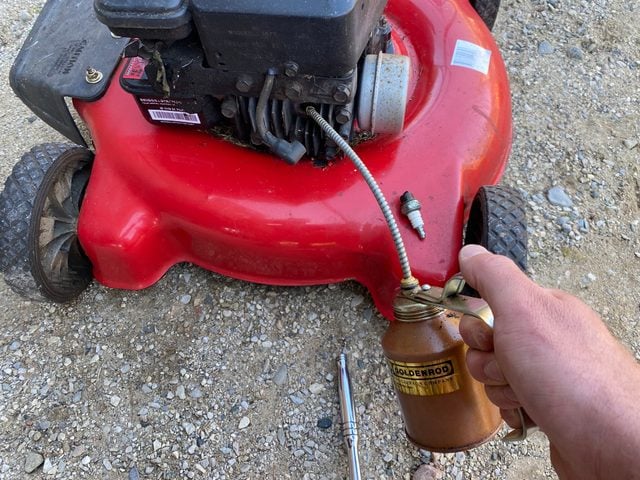
Lawn mowers often rely on small engines to power their blades and movement. Spark plugs play a key role in these engines. They create the spark needed to ignite the fuel-air mixture inside the engine cylinder. Without a spark plug, many lawn mowers would not start or run properly.
Understanding spark plugs helps maintain your mower and keep it running smoothly. Some lawn mowers use spark plugs, while others do not. Knowing which type your mower has can guide your maintenance routine.
Role Of Spark Plugs
Spark plugs create sparks to ignite the engine’s fuel. This ignition causes combustion, powering the mower’s engine. The spark plug must work well to ensure the engine starts quickly. A dirty or faulty spark plug can cause poor engine performance or prevent starting. Regular checking and replacement of spark plugs keep the mower efficient and reliable.
Types Of Lawn Mowers With Spark Plugs
Most gas-powered lawn mowers use spark plugs. These include:
- Push mowers with small gas engines
- Self-propelled mowers
- Riding mowers
- Zero-turn mowers
Electric and battery-powered mowers do not use spark plugs. They run on electric motors instead. Knowing your mower type helps decide if spark plug care is needed.
How Spark Plugs Work
Understanding how spark plugs work helps you grasp why they are crucial for your lawn mower’s performance. These small devices create the spark that ignites the fuel-air mixture inside the engine, allowing your mower to run smoothly. Let’s break down what happens during this process and what parts make up a spark plug.
Ignition Process
The ignition process starts when your mower’s engine sends an electrical charge to the spark plug. This charge jumps across a tiny gap at the tip of the plug, creating a spark.
This spark ignites the fuel-air mix inside the engine cylinder, causing a small explosion that powers the engine’s piston. Without this spark, your mower won’t start or run efficiently.
Have you ever noticed a mower that struggles to start or cuts out mid-use? Often, the spark plug is the first thing to check.
Spark Plug Components
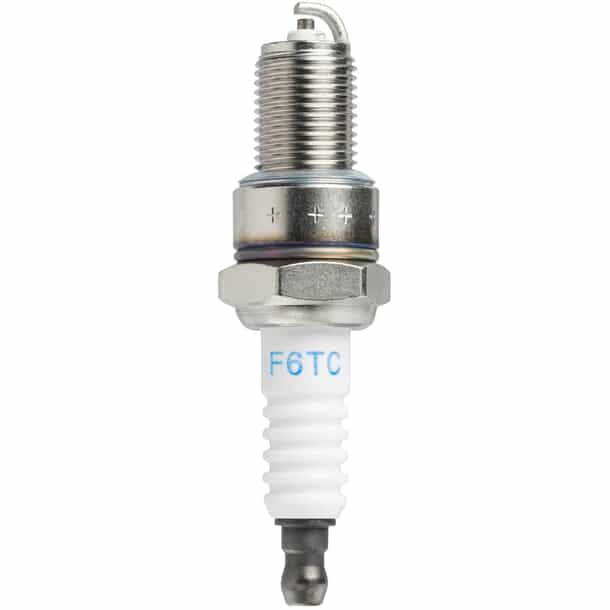
A spark plug looks simple but is made of several key parts:
- Center Electrode:Carries the electrical charge to the tip.
- Insulator:Surrounds the center electrode, keeping the electricity focused.
- Metal Shell:Screws into the engine and provides grounding.
- Ground Electrode:The part where the spark jumps to from the center electrode.
Each component plays a role in delivering a reliable spark. If any part wears out or gets dirty, the spark can weaken or disappear. Regularly checking and replacing your spark plug keeps your mower running at its best.
Signs Of A Faulty Spark Plug
A faulty spark plug can cause many issues with your lawn mower. Recognizing the signs early helps avoid bigger problems. Spark plugs play a key role in starting and running the engine smoothly. When they fail, the mower struggles to work properly. Watch for these common signs to know if the spark plug needs attention.
Starting Problems
A worn or damaged spark plug makes the mower hard to start. You might hear the engine crank but not catch. Sometimes, it takes several attempts before the engine fires up. The mower may start and then stall quickly. These issues signal the spark plug is not creating a strong spark. Without this spark, the engine cannot ignite the fuel.
Engine Performance Issues
The engine may run rough or lose power during mowing. You could notice sputtering or misfiring sounds from the mower. The cutting speed might slow down even at full throttle. Fuel consumption may increase as the engine struggles to burn fuel efficiently. These symptoms often mean the spark plug is fouled or worn out. Replacing the spark plug can restore smooth engine operation.

Credit: www.yahoo.com
Maintaining Spark Plugs
Maintaining spark plugs in your lawn mower is essential for keeping the engine running smoothly. Spark plugs ignite the fuel-air mixture, so any dirt or damage can lead to poor performance or starting issues. Regular care helps you avoid unexpected breakdowns and extends the life of your mower.
Cleaning Techniques
Cleaning spark plugs is a simple task you can do at home with basic tools. Start by removing the spark plug using a wrench, then inspect it for carbon buildup or dirt.
- Use a wire brush to gently scrub away carbon deposits from the electrode and insulator.
- Spray a little carburetor cleaner to dissolve stubborn grime.
- Make sure the spark plug is completely dry before reinstalling it.
Have you noticed your mower sputtering or struggling to start? A quick cleaning might be all it needs to fire back to life.
When To Replace
Cleaning isn’t always enough. Over time, spark plugs wear out and need replacing to maintain optimal mower performance.
- If the electrode is rounded or the insulator is cracked, it’s time for a new plug.
- Difficulty starting your mower despite cleaning indicates a failing spark plug.
- Replacing spark plugs every 25-50 hours of use is a good rule of thumb for most lawn mowers.
Ignoring worn spark plugs can lead to increased fuel consumption and engine damage. Would you rather spend a few dollars on a new plug or face costly repairs later?
Choosing The Right Spark Plug
Choosing the right spark plug for your lawn mower is crucial to keep the engine running smoothly. The right spark plug improves performance, fuel efficiency, and helps avoid frustrating breakdowns. Let’s look at what you need to consider before making your choice.
Compatibility Factors
Not all spark plugs fit every lawn mower. You must check your mower’s manual or the existing spark plug to find the correct size and heat range. Using the wrong plug can cause poor engine performance or damage over time.
Pay attention to:
- Thread size:This ensures the spark plug screws in properly.
- Heat range:A plug that runs too hot or too cold can affect ignition.
- Gap size:The space between electrodes affects spark strength.
- Type of engine:Some engines require specific spark plug designs.
Have you ever struggled with a mower that just wouldn’t start? Often, it’s because of a spark plug mismatch. Checking these factors first saves time and money.
Popular Spark Plug Brands
Choosing a trusted brand can make a big difference in durability and performance. Here are some brands that many lawn mower owners rely on:
| Brand | Features | Why Choose It? |
|---|---|---|
| NGK | Wide range, reliable ignition, good heat control | Trusted by professionals for consistent starts |
| Champion | Durable, good for various engine types, affordable | Great balance of quality and price |
| Bosch | High-quality materials, long-lasting | Excellent for heavy-duty use |
Have you tried switching brands to improve your mower’s performance? Sometimes a simple brand change can make your machine feel like new again.
Troubleshooting Tips
Troubleshooting lawn mower spark plugs can save time and money. Knowing common issues helps keep your mower running smoothly. Easy DIY fixes can restore performance without expert help.
Common Spark Plug Issues
- Dirty or fouled spark plug causes poor engine start.
- Worn electrodes lead to weak or no spark.
- Incorrect spark plug gap reduces ignition efficiency.
- Cracked or damaged insulator causes misfires.
- Loose spark plug connection interrupts engine operation.
Diy Fixes
- Remove the spark plug with a wrench carefully.
- Clean deposits using a wire brush or spark plug cleaner.
- Check and adjust the gap with a spark plug gap tool.
- Replace the spark plug if cracked, worn, or damaged.
- Ensure spark plug is tightened snugly but not too tight.
- Inspect the spark plug wire and replace if frayed or broken.
Credit: www.homehardware.ca
Frequently Asked Questions
Do All Lawn Mowers Have Spark Plugs?
Most gas-powered lawn mowers have spark plugs. Electric mowers do not use spark plugs. Spark plugs ignite the fuel-air mix for engine start.
How Often Should Lawn Mower Spark Plugs Be Replaced?
Replace spark plugs annually or every 25 hours of use. Dirty or worn plugs reduce engine efficiency and cause starting issues.
Can A Faulty Spark Plug Stop A Lawn Mower?
Yes, a bad spark plug can prevent the mower from starting. It disrupts the ignition process, causing engine misfires or no spark.
How Do I Check My Lawn Mower’s Spark Plug?
Remove the spark plug and inspect it visually. Look for carbon buildup, wear, or damage. Use a spark tester to check functionality.
Conclusion
Lawn mowers usually have spark plugs to start their engines. These small parts help create the spark needed for power. Keeping spark plugs clean and working well improves mower performance. Check them regularly to avoid problems during mowing. Replacing old spark plugs is simple and saves time.
Understanding spark plugs helps you maintain your mower better. A well-kept mower cuts grass more easily and lasts longer. Spark plugs play a key role in lawn mower function.





