
Imagine stepping out on a sunny morning, ready to tackle your lawn. You grab your trusty lawn mower, but it won’t start.
Frustrating, right? You might wonder, “Do lawn mowers have batteries? ” It’s a question that could change the way you care for your garden. Understanding if your mower relies on a battery not only saves you from these hiccups but also empowers you to make smarter choices.
We’ll explore the ins and outs of lawn mower batteries, and by the end, you’ll be equipped with the knowledge to keep your mower running smoothly. Stay tuned to discover how a small detail could make a big difference in your lawn care routine.
Types Of Lawn Mower Power
Choosing the right lawn mower power type can change your whole mowing experience. Each option offers different benefits and challenges that affect how you maintain your yard. Understanding these options helps you pick a mower that fits your needs, budget, and lawn size.
Gas-powered Mowers
Gas-powered mowers are often the go-to for big lawns and tough grass. They pack a strong punch, making quick work of thick and tall grass. However, they require regular maintenance like oil changes and fuel refills, which can add time and cost to your routine.
If you value power and don’t mind a bit of noise and fumes, gas mowers might be your best bet. But have you considered how much time you spend on upkeep? It’s worth thinking about if you want a low-fuss option.
Corded Electric Mowers
Corded electric mowers offer a clean and quiet alternative to gas models. They run on electricity from a power outlet, so you don’t need to worry about fuel or batteries. The downside? You’re limited by the length of the cord, which can be frustrating in larger yards.
These mowers are perfect if your lawn is close to your home and you prefer a lighter, easier machine. Think about your yard’s layout—can you manage the cord without tripping or disconnecting it? That’s a big factor in deciding if this type works for you.
Battery-powered Mowers
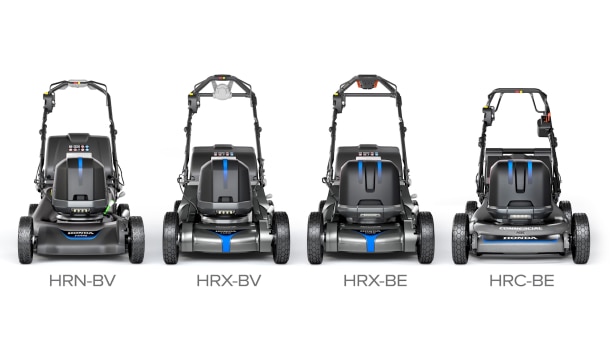
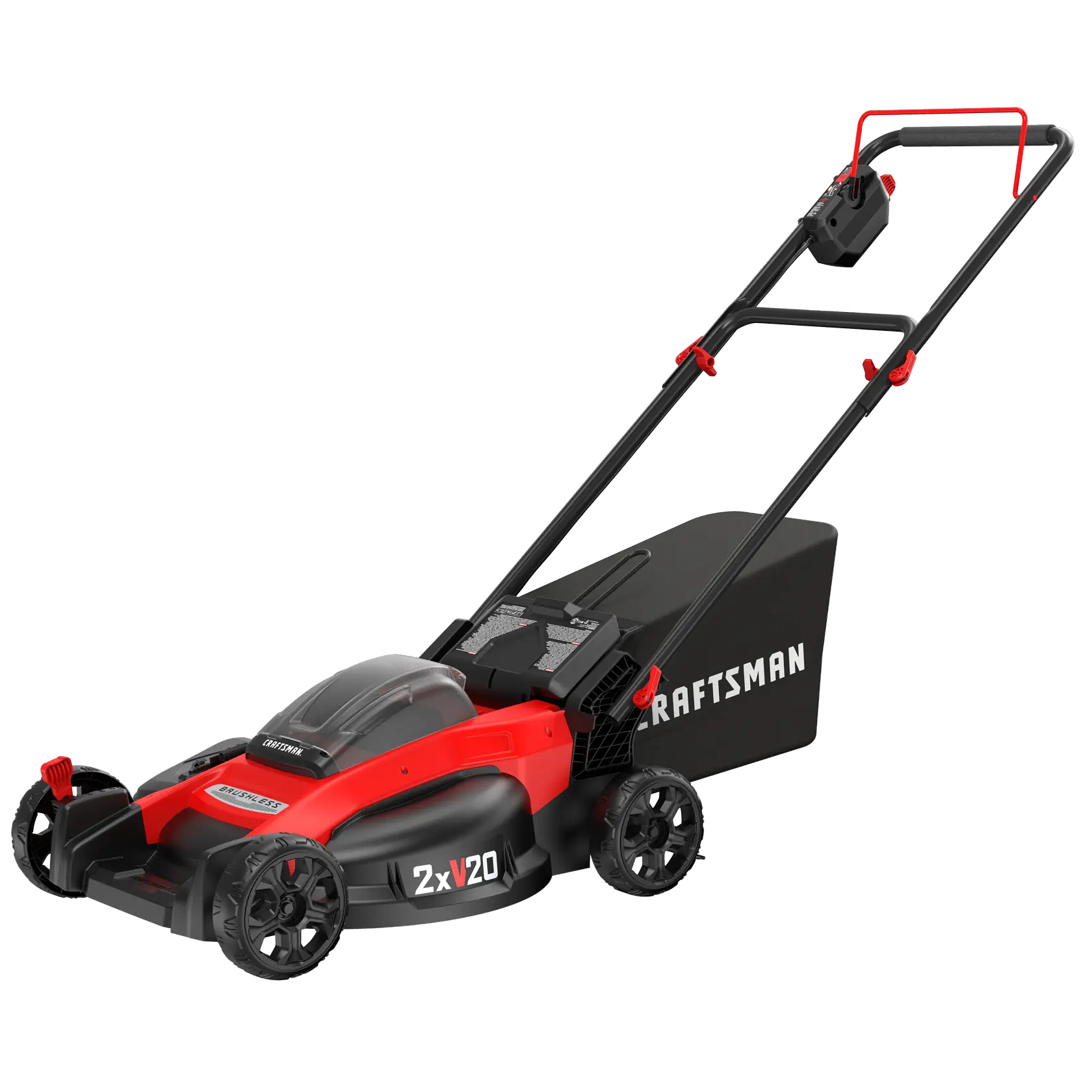
Battery-powered mowers combine the convenience of electric power with cordless freedom. Modern lithium-ion batteries deliver enough runtime and power for small to medium lawns. Plus, they’re quieter and require less maintenance than gas mowers.
Still, battery life can limit how much you mow at once. Do you have a large yard that needs longer runtime? Carrying extra batteries or choosing a model with fast charging could be a smart move. These mowers are a favorite for people who want a balance of power and portability.
Credit: powerequipment.honda.ca
Battery-powered Mower Features
Battery-powered mowers bring a new level of convenience to lawn care. They eliminate the hassle of fuel mixing and reduce noise significantly. Understanding their features can help you choose the right one for your yard and lifestyle.
Battery Types And Technologies
Most battery-powered mowers use lithium-ion batteries due to their lightweight and high energy density. These batteries hold charge longer and last through multiple mowing sessions. Some models still use nickel-metal hydride (NiMH), but lithium-ion dominates the market for better performance.
Have you noticed how your phone’s battery lasts longer with newer models? The same technology improvements apply to lawn mower batteries. It means you get more mowing time without frequent interruptions.
Run Time And Charging
Run time varies widely depending on battery capacity and mower design, typically ranging from 30 minutes to over an hour. Charging times have improved, with many batteries reaching full charge in about an hour. Some brands offer quick charge options that get you back on the lawn faster.
Think about your yard size and how long it takes to mow. If your mower runs out of power too soon, do you want to wait hours for a recharge? Choosing a mower with a battery that matches your lawn’s size saves frustration and keeps the job efficient.
Power And Performance
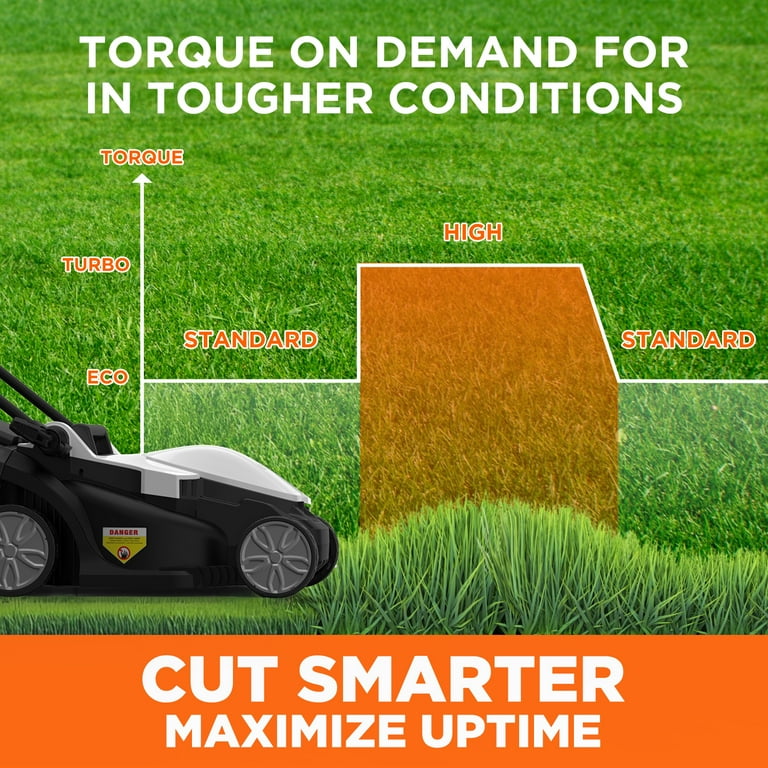
Battery-powered mowers can deliver impressive cutting power comparable to gas mowers. Brushless motors paired with advanced batteries provide smooth and consistent performance. You won’t have to worry about losing power mid-mow on flat or slightly uneven terrain.
Have you tried pushing a mower that struggles with thick grass? Battery models handle such challenges better than ever, but very dense or tall grass might still require multiple passes. Understanding power needs ensures your mower fits your lawn’s demands perfectly.
Advantages Of Battery Mowers
Battery-powered lawn mowers bring many advantages over gas models. They offer a modern, efficient way to keep your lawn neat. These mowers are easy to use and better for the environment. Their design leads to quieter operation and less upkeep.
Environmental Benefits
Battery mowers produce no direct emissions. They do not use gasoline or oil. This means fewer pollutants in the air. Using battery mowers helps reduce your carbon footprint. Their power comes from rechargeable batteries, which can be reused many times. This lowers waste compared to gas cans and oil filters.
Noise Levels
These mowers run much quieter than gas models. The electric motors create less noise and vibration. This means less disturbance for neighbors and wildlife. You can mow early or late without loud noise complaints. Quieter operation makes the task more pleasant and less tiring.
Maintenance Requirements
Battery mowers need less maintenance than gas ones. No oil changes or spark plugs to worry about. Fewer moving parts reduce the risk of mechanical problems. Just charge the battery and clean the blades. This saves time and money on repairs and upkeep.
Credit: www.craftsman.com
Limitations Of Battery Mowers
Battery-powered lawn mowers offer a cleaner and quieter alternative to gas-powered models, but they come with some clear limitations you should consider. Understanding these drawbacks helps you decide if a battery mower fits your lawn care needs and budget. Let’s break down the key challenges you might face.
Battery Life And Replacement Costs
Battery life is a major concern with electric mowers. Most batteries last between 30 to 60 minutes on a full charge, which might not be enough for larger yards.
Replacing these batteries can be expensive—often costing a significant portion of the mower’s original price. Have you thought about how often you’d need a new battery and what that means for your wallet in the long run?
Power Constraints
Battery mowers typically don’t deliver the same raw power as gas mowers. This can make it harder to cut through thick or tall grass, especially if it’s been a while since your last mow.
If your lawn has tough patches or weeds, you might find yourself going over the same spot multiple times. Do you prefer a tool that works quickly and efficiently or don’t mind spending extra time on tougher areas?
Weather And Terrain Impact
Wet or uneven terrain can significantly affect a battery mower’s performance. Batteries drain faster in cold weather, and slippery or hilly lawns demand more energy, reducing run time even further.
This means you might need to charge more frequently or wait for better conditions to mow effectively. How often does your weather or lawn terrain challenge your current mowing routine?
Choosing The Right Battery Mower
Choosing the right battery mower can make a huge difference in your lawn care routine. It’s not just about picking the latest model, but finding one that fits your lawn’s needs, your budget, and offers reliable support. Let’s break down what matters most when selecting a battery-powered mower.
Lawn Size And Terrain
Your lawn’s size directly impacts the type of battery mower you should choose. Smaller lawns work well with lightweight mowers that have shorter battery life. But if your yard is large or uneven, you’ll need a mower with a bigger battery and more power to handle slopes and thick grass.
Think about how often you mow and how long the battery lasts. Some mowers offer interchangeable batteries so you can swap and keep mowing without waiting for a recharge. Have you ever stopped mid-mow because the battery died? Choosing the right capacity can save you that frustration.
Budget Considerations
Battery mowers come in a wide price range, so it’s important to set a budget before shopping. High-end models often have longer battery life and extra features, but there are affordable options that work well for basic lawn care.
Don’t forget to factor in the cost of replacement batteries—they can add up over time. Would you rather spend more upfront for a durable battery or save initially and replace batteries more frequently? Your answer shapes your budget decisions.
Brand And Warranty
Choosing a reputable brand can give you peace of mind. Established companies often provide better customer service, parts availability, and warranties. A solid warranty protects you against defects and unexpected issues.
Look for brands that offer at least a two-year warranty on both the mower and the battery. Also, check online reviews to see how other users rate the brand’s reliability. Have you checked if the brand’s customer support is easy to reach? That can be a game-changer when you need help.
Credit: www.walmart.com
Battery Care And Safety Tips
Battery care and safety are vital for lawn mower performance. Proper handling extends battery life and avoids accidents. Follow simple tips for charging, storage, and disposal. Safe practices protect both you and the environment.
Proper Charging Practices
Always use the charger that came with your lawn mower. Avoid overcharging by unplugging once fully charged. Charge batteries in a dry, cool place away from direct sunlight. Never charge damaged or swollen batteries. Keep the charger and battery contacts clean and dry.
Storage Recommendations
Store batteries in a cool, dry area at room temperature. Avoid freezing or exposing batteries to heat. Remove batteries from the mower if not used for a long time. Store batteries partially charged, not fully drained or full. Check batteries periodically during storage to ensure they hold charge.
Handling And Disposal
Handle batteries with care to avoid drops or impacts. Wear gloves if the battery leaks or is damaged. Do not throw batteries in household trash. Take old batteries to designated recycling centers. Proper disposal prevents pollution and allows material recovery.
Future Trends In Lawn Mower Power
The future of lawn mower power is shifting quickly, and batteries are at the heart of this change. As technology evolves, you’ll find new features and capabilities that make mowing easier, quieter, and more eco-friendly. Let’s look at what’s coming next and how it might affect your lawn care routine.
Advancements In Battery Technology
Batteries are getting lighter, more powerful, and faster to charge. New lithium-ion and solid-state batteries can run longer on a single charge, giving you more mowing time without interruptions.
This means you can maintain larger yards with battery-powered mowers without worrying about losing power halfway through. Have you noticed how some newer models charge in under an hour? That’s a game-changer for busy homeowners.
Smart And Automated Mowers
Smart technology is making mowers more independent. Some models now use GPS and sensors to map your lawn and avoid obstacles automatically.
Imagine setting your mower to work while you relax inside or focus on other tasks. These smart mowers can even adjust cutting patterns based on grass growth, saving you time and effort.
Sustainability Innovations
The push for greener solutions means manufacturers are designing mowers with recyclable parts and eco-friendly batteries. Many new batteries use materials that reduce environmental impact during production and disposal.
Plus, electric mowers produce zero emissions while running, improving air quality around your home. How much value do you place on reducing your carbon footprint when choosing lawn care tools?
Frequently Asked Questions
Do All Lawn Mowers Have Batteries?
Not all lawn mowers have batteries. Gas-powered mowers use engines without batteries. Electric and cordless mowers rely on rechargeable batteries for power and mobility.
How Long Do Lawn Mower Batteries Last?
Lawn mower batteries typically last 30 to 60 minutes per charge. Battery life depends on mower model, battery capacity, and usage intensity.
Can I Replace A Lawn Mower Battery Myself?
Yes, you can replace a lawn mower battery yourself. Ensure you buy the correct battery type and follow safety instructions for installation.
Are Battery-powered Lawn Mowers Better Than Gas?
Battery-powered mowers are quieter, eco-friendly, and require less maintenance. Gas mowers offer longer runtime but produce emissions and need fuel.
Conclusion
Battery-powered lawn mowers offer a quiet and clean option. They run without gas and produce less noise. Many models use rechargeable batteries for easy use. You can find lawn mowers with different battery sizes. This helps to choose one that fits your yard.
Remember to check battery life before buying. Corded or gas mowers still have their place, too. Each type has pros and cons to consider. Understanding battery use helps you pick the right mower. Keep your lawn care simple and efficient with the right choice.





