
When you’re gearing up for a day of lawn care, the last thing you want is unexpected surprises. You’ve just purchased a new lawn mower and are eager to get started.
But wait—do lawn mowers come with oil, or is that something you need to buy separately? This small detail can make a big difference in your mowing experience. Imagine starting your mower, only to find out it’s not running smoothly because it’s missing this crucial component.
We’ll uncover everything you need to know about lawn mower oil so you can get the most out of your new purchase. You’ll gain peace of mind knowing you’re fully prepared to tackle your lawn with confidence. Curious to find out if your new lawn mower comes ready to roll? Let’s dive in!
Credit: www.homedepot.com
Types Of Lawn Mower Engines
Lawn mowers come with different types of engines. Each engine type needs specific care and maintenance. Understanding these engines helps you know if the mower comes with oil or not. It also helps you maintain your mower better and keep it running smoothly.
Gas-powered Mowers
Gas-powered mowers use small gasoline engines. These engines need oil to work well and avoid damage. Most new gas mowers come with oil already added. You must check the oil level before starting to mow. Regular oil changes keep the engine healthy and extend its life.
Electric Mowers
Electric mowers run on electricity and do not use oil. They have electric motors instead of engines. This means less maintenance and no need to check oil levels. They are quieter and cleaner but need a power source. Electric mowers suit small to medium lawns.
Battery-operated Mowers
Battery-operated mowers use rechargeable batteries. Like electric mowers, they have motors without oil. They offer more freedom as no cords are needed. Battery life limits mowing time, but they are easy to use. These mowers need less upkeep compared to gas models.
Oil In New Lawn Mowers
Understanding whether new lawn mowers come with oil can save you time and prevent damage to your machine. Different models vary in how they handle oil, which can affect your first mowing experience. Knowing what to expect helps you prepare properly and ensures your mower runs smoothly from day one.
Pre-filled Oil Models
Many new lawn mowers arrive with oil already filled in the engine. This means you can start mowing almost immediately after unpacking. Manufacturers fill these models to the correct level, so you don’t have to worry about adding oil right away.
However, it’s still important to check the oil level before your first use. Sometimes oil can settle or leak during shipping. Have you ever started a machine only to find it sputtering because of low oil? A quick check can save you from that frustration.
Oil-free Models
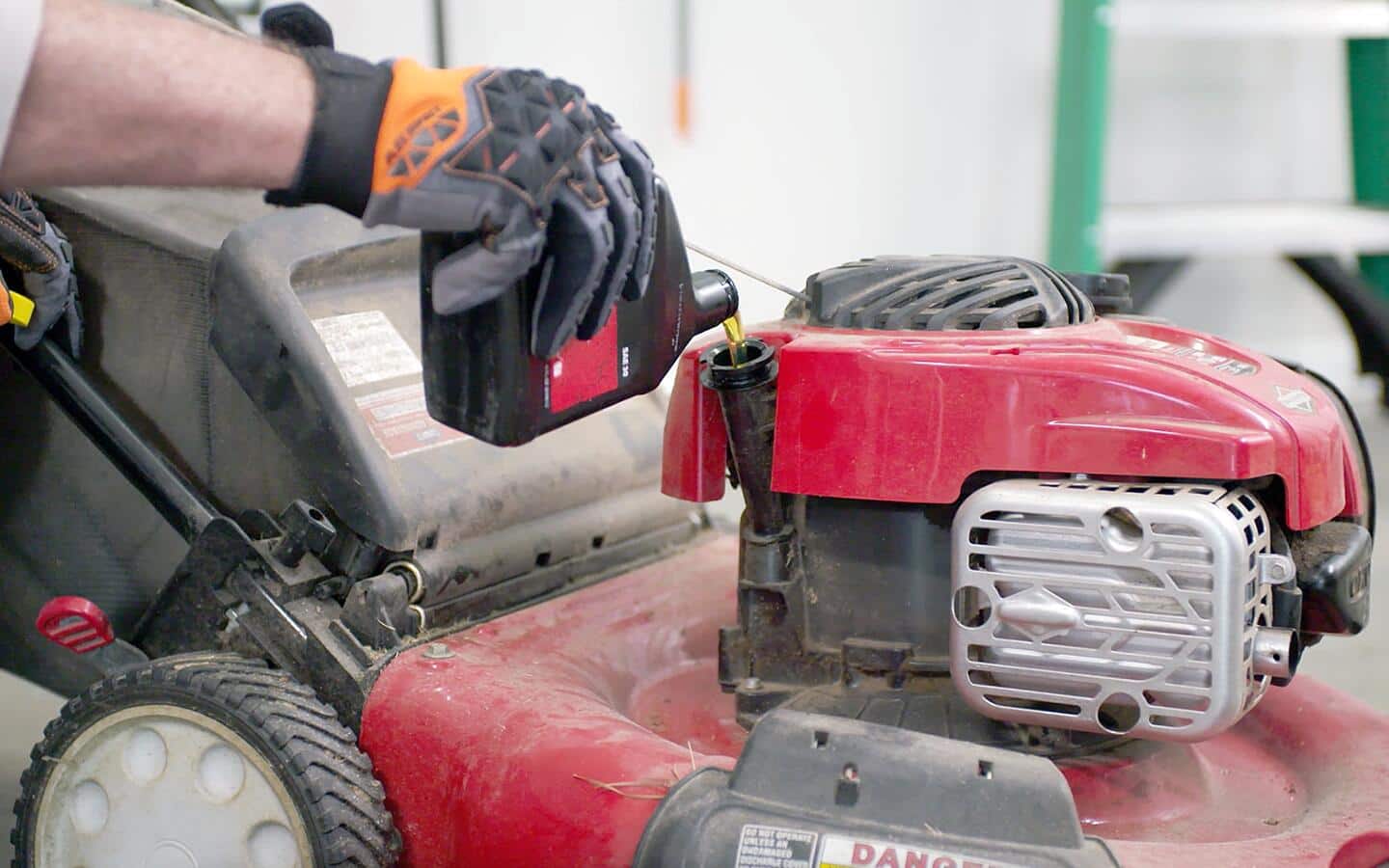
Some lawn mowers come without any oil inside the engine. This is often the case with engines shipped separately or certain brands that want you to add fresh oil yourself. It might seem like an extra step, but it gives you control over the oil quality and quantity.
If your mower is oil-free, the instruction manual will guide you on the exact type and amount of oil to add. Skipping this step can cause serious engine damage, so don’t overlook it. Have you checked your mower’s oil requirements before the first start?
Checking Oil Levels
Checking oil levels in your lawn mower is important for its smooth operation. Low oil can cause the engine to overheat or stop working. Regular checks help keep the mower running well and extend its life.
It takes just a few minutes to check the oil. Knowing how and when to check can save you from costly repairs. Always check oil before starting the mower, especially if it is new or stored for a while.
How To Check Oil
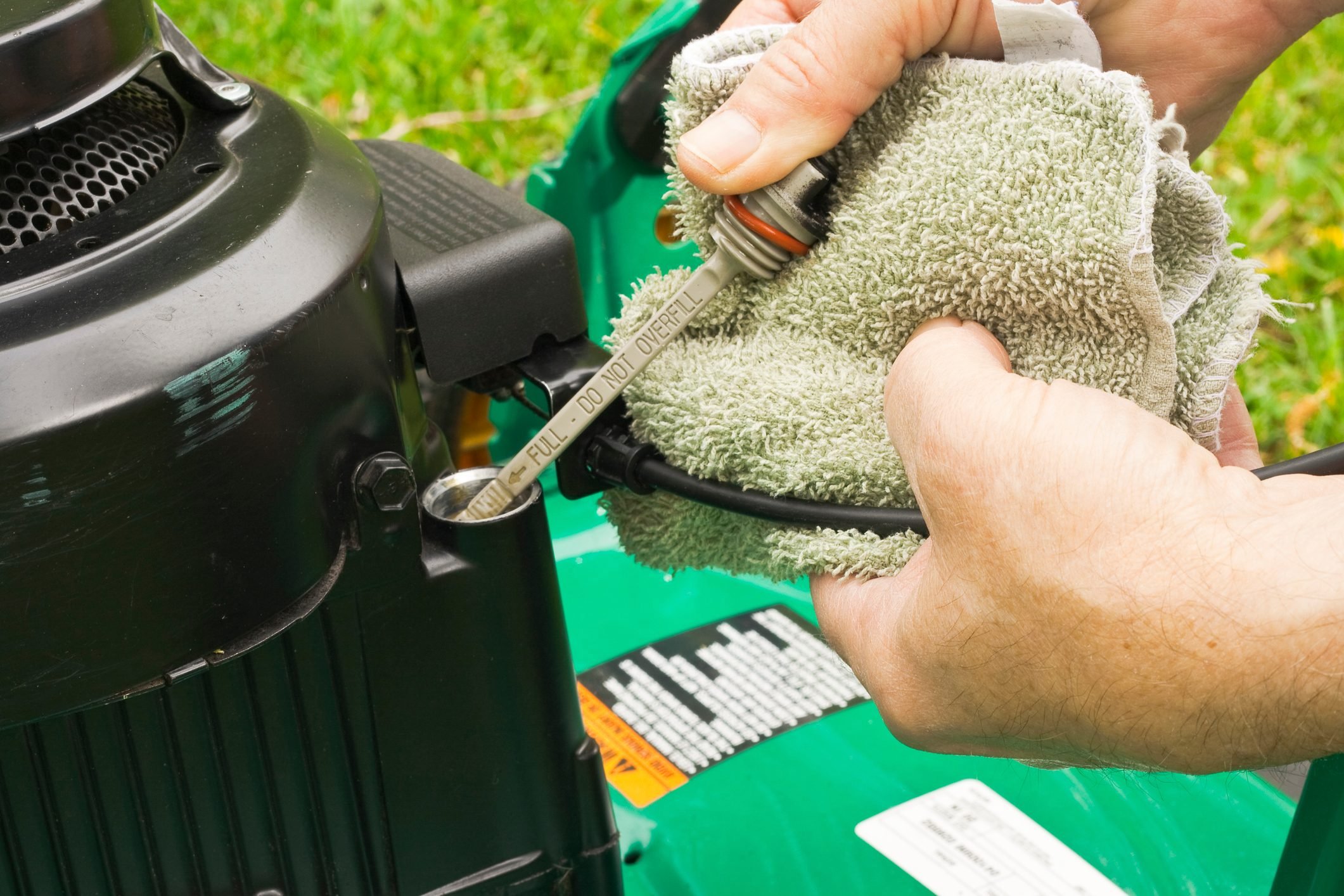
Find a flat surface to park your mower. Turn off the engine and wait for it to cool down. Locate the oil dipstick, usually near the engine. Pull the dipstick out and wipe it clean with a cloth. Reinsert the dipstick fully and then pull it out again. Look at the oil level on the stick. The oil should be between the “full” and “add” marks. If it is below the “add” mark, you need to add oil.
When To Add Oil
Check oil before each use during the mowing season. Add oil if the level is low or the oil looks dark and dirty. Change oil after 25 hours of use or once a season. Add oil slowly to avoid overfilling. Use the type of oil recommended in your mower’s manual. Overfilling can damage the engine, so keep the level correct.
Credit: www.familyhandyman.com
Choosing The Right Oil
Choosing the right oil for your lawn mower is essential to keep the engine running smoothly and extend its lifespan. Using the wrong oil can cause poor performance or even damage the mower. Let’s break down what types of oil work best and what specifications you should look for.
Types Of Oil Suitable For Lawn Mowers
Most lawn mowers use either conventional or synthetic oil. Conventional oil is cheaper and works well for standard engines, especially if you mow regularly in moderate temperatures.
Synthetic oil offers better protection in extreme weather and lasts longer, but it costs more. If you store your mower over winter or use it heavily, synthetic might be worth the investment.
- SAE 30: Common for warm weather and small engines.
- 10W-30: Versatile for varying temperatures, often recommended for newer mowers.
- SAE 5W-30: Best for cold climates as it flows easier at low temperatures.
Think about your mowing habits and local climate when picking oil. Have you noticed your mower struggling to start on chilly mornings? That could be a sign you need a different oil viscosity.
Oil Viscosity And Specifications
Viscosity is how thick or thin the oil is. The number you see on the bottle, like 10W-30, tells you the oil’s thickness at cold and hot temperatures.
Using the right viscosity helps your mower’s engine get proper lubrication at all times. Too thick oil can make starting difficult, while too thin oil might not protect engine parts enough.
| Viscosity | Best For | Temperature Range |
|---|---|---|
| SAE 30 | Warm weather | Above 40°F (4°C) |
| 10W-30 | All-season use | Below 40°F to above 100°F (-17°C to 38°C) |
| 5W-30 | Cold weather | Below 32°F (0°C) |
Always check your mower’s manual for recommended oil types and viscosity. Using oil that meets the manufacturer’s specifications keeps your warranty intact and prevents unnecessary repairs.
Changing Lawn Mower Oil
Changing your lawn mower’s oil is essential for keeping the engine running smoothly. Fresh oil reduces friction, prevents overheating, and extends the life of your mower. If you’ve ever noticed your mower running rough or emitting unusual smoke, checking and changing the oil might solve the problem.
When To Change Oil
Knowing the right time to change your lawn mower oil can save you a lot of headaches. Most manufacturers recommend an oil change after the first 5 hours of use on a new mower.
After that, it’s good practice to change the oil every 25 to 50 hours of use or at least once per mowing season. If you mow frequently, consider changing it more often. Dark or dirty oil is a clear sign it’s time for a change.
Do you keep track of your mowing hours? If not, setting a reminder on your phone can help you stay on top of maintenance.
Step-by-step Oil Change Process
- Prepare your mower:Make sure the engine is cool and place the mower on a flat surface.
- Drain the old oil:Locate the oil drain plug or remove the oil fill cap. Use a small container to catch the draining oil.
- Dispose of used oil properly:Take the oil to a recycling center to protect the environment.
- Add fresh oil:Use the oil type recommended in your owner’s manual. Pour slowly, checking the level with the dipstick to avoid overfilling.
- Check for leaks:After adding oil, start the mower briefly and inspect for leaks or unusual noises.
Changing the oil yourself can feel satisfying and save money. Have you ever tried this? Sharing your experience might help others feel confident in maintaining their mowers too.
Common Oil-related Issues
Oil is the lifeblood of your lawn mower’s engine. Without the right amount and quality of oil, your mower can face serious problems that affect its performance and longevity. Understanding common oil-related issues helps you spot problems early and keep your mower running smoothly.
Low Oil Symptoms
Running your mower with low oil can cause damage fast. You might notice the engine overheating or making unusual knocking sounds. These noises often mean the engine parts aren’t getting enough lubrication.
Another sign is your mower shutting off unexpectedly or struggling to start. If you see smoke coming from the engine, that’s a clear warning that oil levels are dangerously low. Checking your oil level regularly is a small step that saves you from costly repairs.
Oil Leaks And How To Fix Them
Oil leaks are a common headache for mower owners. You might see oil spots under your mower or notice a drop in oil levels without explanation. Leaks usually come from worn gaskets, loose bolts, or cracked oil seals.
Fixing leaks involves locating the source and tightening bolts or replacing faulty parts. Sometimes, cleaning the mower’s underside helps you spot leaks sooner. Have you checked your mower’s oil cap and drain plug lately? Loose caps or plugs are often the cause of leaks and are easy fixes you can do yourself.
Maintenance Tips For Longevity
Keeping your lawn mower in top shape extends its life and saves you time and money. Simple habits can prevent costly repairs and ensure smooth operation every time you mow. Let’s look at two essential maintenance tips that make a big difference.
Regular Oil Checks
Your mower relies on oil to keep its engine running smoothly. Checking the oil level before each use helps you spot leaks or low levels early. Low oil can cause serious engine damage, so don’t skip this step.
Here’s a quick way to check the oil:
- Park your mower on a flat surface and turn off the engine.
- Remove the dipstick, wipe it clean, then reinsert it fully.
- Pull the dipstick out again and look at the oil level.
If the oil looks dirty or smells burnt, it’s time for a change. Keeping fresh oil inside keeps your mower’s parts well-lubricated and cool. How often have you overlooked this and paid for it later?
Proper Storage Practices
Where and how you store your mower can affect its lifespan just as much as how you use it. Leaving your mower outside exposes it to moisture and rust. Instead, store it in a dry, sheltered place like a garage or shed.
Before storing for the winter, take these steps:
- Drain the fuel or add a stabilizer to prevent buildup.
- Clean the mower to remove grass clippings and dirt.
- Check and change the oil if needed.
- Disconnect the spark plug to avoid accidental starts.
Have you noticed your mower struggling after a long winter? Proper storage can prevent that problem entirely.

Credit: www.slashgear.com
Frequently Asked Questions
Do New Lawn Mowers Come With Oil Included?
Most new lawn mowers do not come pre-filled with oil. You usually need to add oil before the first use. Check the manufacturer’s manual for the correct oil type and amount to ensure proper engine function.
How Often Should I Change Oil In A Lawn Mower?
Change lawn mower oil after every 25 to 50 hours of use. For new mowers, replace oil after the first 5 hours. Regular oil changes keep the engine running smoothly and extend its lifespan.
What Type Of Oil Is Best For Lawn Mowers?
Use SAE 30 oil for warm weather and 10W-30 for cooler climates. Always check your mower’s manual for recommended oil types. Using the right oil prevents engine damage and improves performance.
Can I Use Car Oil In My Lawn Mower?
Yes, you can use car oil like 10W-30 in lawn mowers. Ensure it matches the mower’s specifications. Avoid synthetic oils unless the manual specifically approves them.
Conclusion
Most lawn mowers do not come with oil inside. You usually need to add oil before use. Check your mower’s manual for the right oil type. Using the correct oil keeps the engine running smoothly. Regular oil changes help your mower last longer.
Always keep an eye on oil levels during mowing season. Proper care saves you time and money. Now you know how to handle mower oil easily. Ready to keep your lawn mower in top shape?





