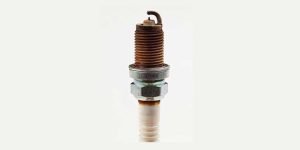
If you’ve ever worked on your car’s engine, you might wonder whether iridium spark plugs need anti-seize. Using the right approach can save you time, money, and frustration down the road.
But applying anti-seize the wrong way could cause more harm than good. You’ll discover the simple truth about iridium spark plugs and anti-seize. By the end, you’ll know exactly what to do to keep your engine running smoothly and avoid common mistakes that many car owners make.
Keep reading—it’s easier than you think!

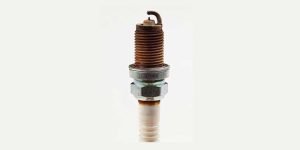
Credit: www.kiasoulforums.com
Iridium Spark Plugs Basics
Iridium spark plugs are a popular choice for many car owners. They offer better ignition and last longer than regular plugs. Understanding their basics helps in knowing why they behave differently during installation and use.
Material And Design
Iridium spark plugs use iridium metal on the electrode tip. Iridium is very hard and resistant to wear. This material allows the spark plug to have a thinner electrode. A thinner electrode improves spark efficiency and reduces voltage needs.
The design includes a fine wire center electrode. This design helps create a strong spark. The strong spark ignites fuel more effectively in the engine cylinder.
Performance Benefits
Iridium spark plugs provide better fuel combustion. This leads to smoother engine starts and improved fuel efficiency. The plugs last much longer than copper or platinum types.
They also reduce misfires and engine knocking. This keeps the engine running cleaner and quieter. The long lifespan means fewer replacements and less maintenance cost.

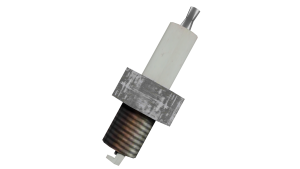
Credit: www.amazon.ca
Purpose Of Anti Seize
Anti seize is a special lubricant used on spark plug threads. Its main role is to make installation and removal easier. It also helps protect the threads from damage and rust. Understanding its purpose helps decide if iridium spark plugs need anti seize.
Preventing Thread Damage
Thread damage happens when spark plugs are tightened too hard or stuck. Anti seize creates a thin barrier between the metal parts. This barrier stops metal from grinding or sticking inside the cylinder head. It helps keep the threads smooth and safe for future use.
Without anti seize, spark plugs can become very hard to remove. This can lead to broken threads or damaged engine parts. Using anti seize reduces the risk of this kind of damage.
Reducing Corrosion
Corrosion occurs when metal reacts with moisture and heat inside the engine. This can cause rust and make spark plugs hard to remove. Anti seize protects threads by blocking moisture and preventing rust.
It forms a protective layer that slows down corrosion over time. This keeps spark plugs secure but easier to remove later. This is important for maintenance and spark plug replacement.
Compatibility With Iridium Plugs
Iridium spark plugs have a unique design that affects how they fit and function in an engine. Their fine electrode tips offer better performance and longer life. Because of this, their compatibility with anti-seize compounds differs from other spark plugs.
Using anti-seize on iridium plugs is not always necessary. It depends on the materials used and the manufacturer’s advice. Understanding these details helps protect the spark plug and engine threads.
Manufacturer Recommendations
Most iridium spark plug makers say not to use anti-seize. The plugs already have a special coating on the threads. This coating prevents corrosion and makes removal easy. Adding anti-seize can change how the plug tightens. It may cause over-tightening or damage to the threads.
Always check the product instructions. Follow the advice for your specific spark plug model. Ignoring these guidelines can void warranties or cause engine issues.
Potential Risks
Using anti-seize on iridium plugs can lead to problems. It may cause the plug to seize or become stuck in the cylinder head. This happens because anti-seize changes the torque needed to install the plug properly. Over-tightening can crack the plug or damage the engine.
Another risk is contamination of the spark plug threads. This can affect electrical conductivity and engine performance. It can also cause misfires or rough idling.
When To Use Anti Seize
Knowing when to use anti seize on iridium spark plugs can save you from a lot of hassle. While these plugs are designed to resist fouling and seizing, certain conditions call for extra care. Understanding the right moments to apply anti seize helps protect your engine and makes future maintenance easier.
Engine Conditions
Not every engine needs anti seize on iridium spark plugs. If your engine operates in high-heat environments or if you frequently drive in stop-and-go traffic, the chances of spark plugs seizing increase. Engines with aluminum cylinder heads especially benefit from anti seize because aluminum is softer and more prone to thread damage.
Think about how often your vehicle experiences extreme conditions like racing, towing heavy loads, or long idling periods. In these cases, applying anti seize can prevent the spark plugs from sticking tightly and causing thread galling. If your car rarely faces these stresses, you might skip the anti seize, but always check your vehicle’s manual first.
Installation Tips
When you decide to use anti seize, apply it sparingly and only to the spark plug threads. Too much compound can interfere with the spark plug’s torque readings, leading to improper installation. Using a small amount ensures easy removal later without compromising the plug’s performance.
Always clean the threads before applying anti seize to avoid trapping dirt or debris. Hand-thread the spark plug initially to avoid cross-threading, then use a torque wrench to tighten it to the manufacturer’s specifications. This careful approach prevents damage and keeps your engine running smoothly.
Consequences Of Improper Use
Using iridium spark plugs incorrectly, especially regarding anti-seize application, can lead to several problems that affect your engine’s health and performance. These issues often arise from either over-tightening or neglecting the right installation process. Understanding these consequences helps you avoid costly repairs and keep your vehicle running smoothly.
Over-tightening Issues
Applying anti-seize on iridium spark plugs can reduce friction, making it easier to tighten the plug. But this often tricks people into over-tightening. Over-tightening can damage the spark plug threads or even crack the ceramic insulator.
When threads get stripped, you risk expensive repairs to your engine’s cylinder head. Cracked insulators cause misfires and poor combustion. Have you ever felt your spark plug was too tight? That might be the reason.
Misfires And Performance Loss
Improper use of anti-seize can cause uneven torque, leading to poor contact between the spark plug and the cylinder head. This weak connection can cause misfires. Misfires reduce fuel efficiency and make your engine run rough.
You might notice your car hesitating or losing power during acceleration. These symptoms often trace back to spark plug installation errors. Are you confident your spark plugs are seated correctly? Paying attention here can save you from frustrating performance issues.
Credit: www.can-amforum.com
Alternatives To Anti Seize
Choosing alternatives to anti seize for iridium spark plugs can save you time and prevent common installation issues. Many modern spark plugs come with features that eliminate the need for extra compounds. Understanding these options helps you make smarter maintenance choices and keeps your engine running smoothly.
Pre-coated Threads
Many iridium spark plugs arrive with pre-coated threads designed to prevent seizing and corrosion. This factory-applied coating acts like a built-in lubricant, making anti seize unnecessary.
Using a plug with pre-coated threads means you avoid adding extra substances that could interfere with torque readings. Have you ever over-tightened a spark plug because you applied too much anti seize? Pre-coated threads help prevent that common mistake.
Always check your spark plug packaging or manufacturer’s instructions to confirm if the threads are pre-coated. This simple step can save you from stripping threads or dealing with difficult removal later.
Proper Torque Application
Applying the correct torque when installing spark plugs is crucial. Even the best coatings can’t protect threads if the plug is over-tightened or too loose.
Using a torque wrench ensures you apply just the right amount of force. This prevents damage and helps maintain a good seal without needing anti seize.
Think about the last time you worked on your engine—did you use a torque wrench or rely on feel? Precision tools can make all the difference in spark plug longevity and engine performance.
Frequently Asked Questions
Do Iridium Spark Plugs Require Anti-seize Lubricant?
Iridium spark plugs usually have a nickel alloy coating that prevents seizing. Using anti-seize is generally not necessary and can cause over-tightening issues.
Can Anti-seize Damage Iridium Spark Plugs?
Yes, applying anti-seize on iridium plugs may lead to over-tightening. This can damage threads or the plug itself during installation.
How Does Anti-seize Affect Spark Plug Installation?
Anti-seize reduces friction, making spark plugs easier to install and remove. However, for iridium plugs, it can alter torque readings and cause improper tightening.
Are Iridium Spark Plugs Harder To Remove Without Anti-seize?
Iridium plugs resist corrosion and seizing, so removal without anti-seize is usually smooth. Proper torque and maintenance help prevent sticking issues.
Conclusion
Iridium spark plugs often don’t need anti-seize. Their coating prevents sticking. Using anti-seize can affect torque readings. This might lead to over-tightening. Always check the manufacturer’s guidelines first. They provide the best advice for maintenance. Following these instructions ensures engine efficiency.
It also extends spark plug life. Regular checks and proper installation are key. They help maintain your vehicle’s performance. This simple step can save future headaches. So, be informed and make the right choice. Your engine will thank you.