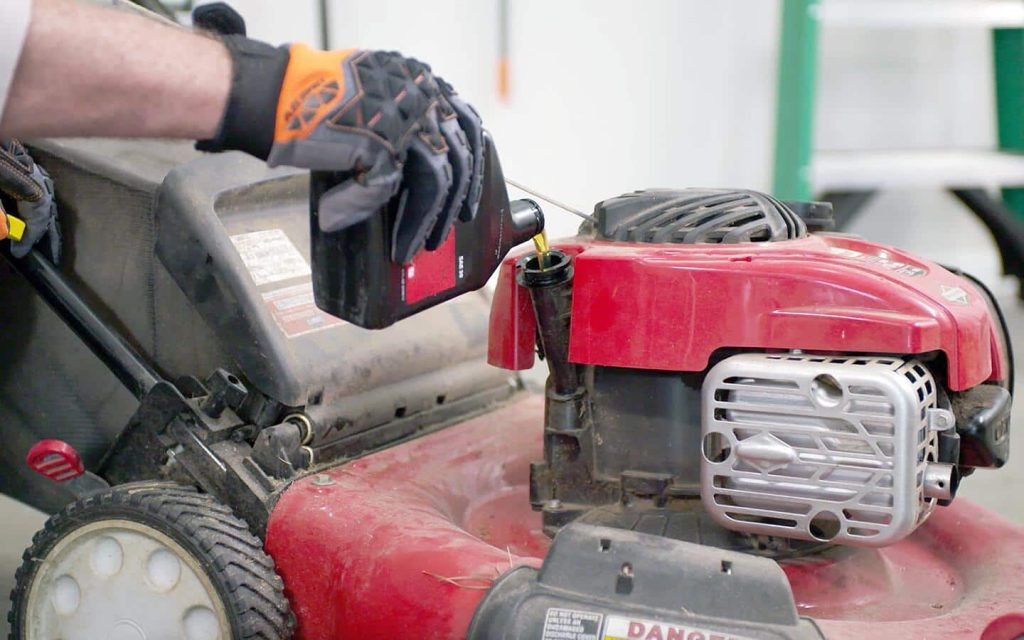
Have you ever wondered if your trusty gas lawn mower needs oil? You’re not alone.
Many homeowners like you are curious about the maintenance needs of their lawn equipment. Understanding whether oil is necessary for your gas lawn mower can save you time, money, and prevent unexpected breakdowns. Imagine being able to enjoy a perfectly manicured lawn without the stress of a malfunctioning mower.
You’ll uncover the essentials of gas lawn mower care, making mowing your lawn a breeze. Stick around to learn the simple steps that can keep your mower running smoothly and efficiently.
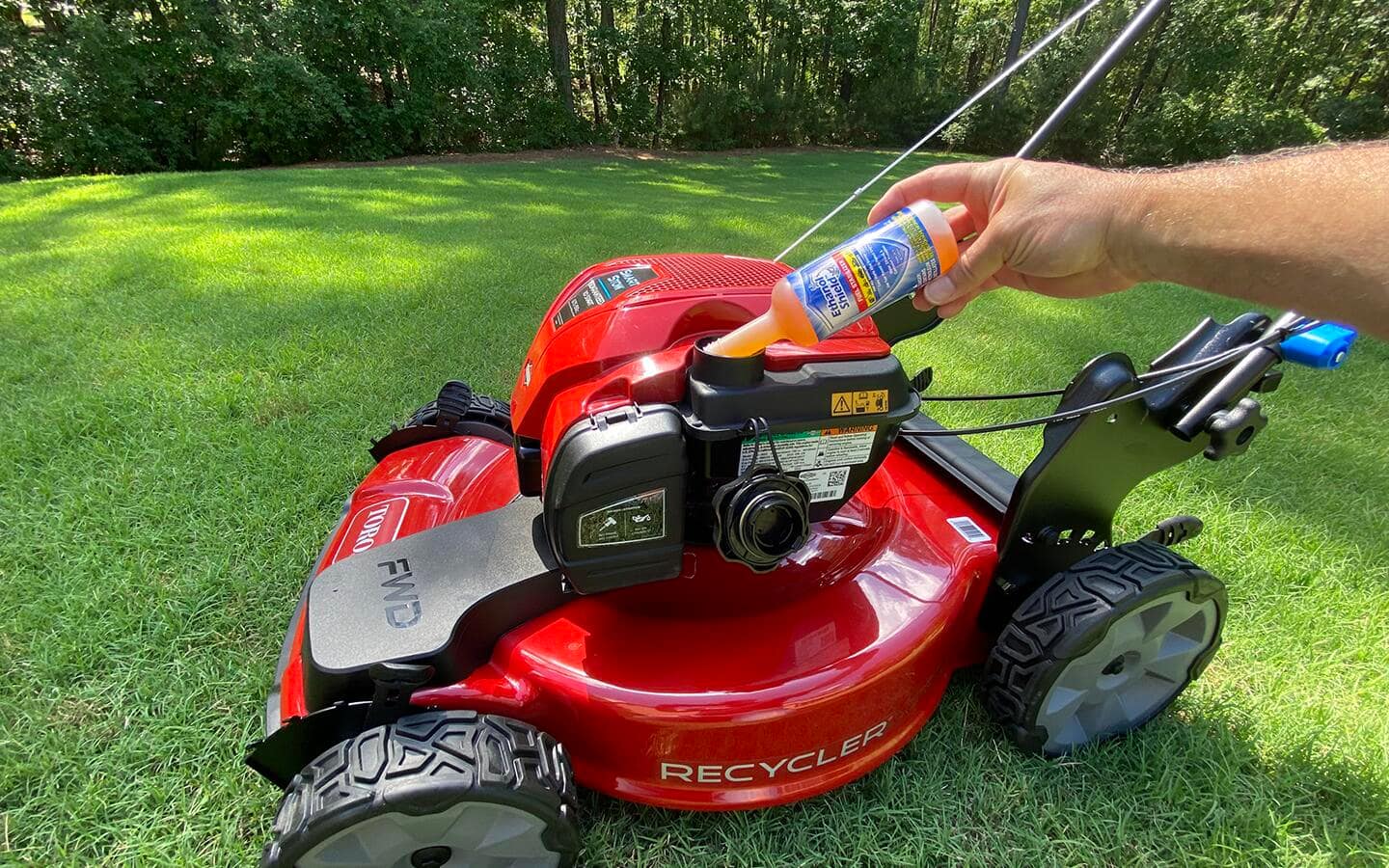
Credit: www.homedepot.com
Why Oil Matters
Oil plays a crucial role in keeping your gas lawn mower running smoothly. Without the right amount and quality of oil, your mower’s engine can suffer serious damage. Understanding why oil matters can help you maintain your mower better and extend its life.
Role Of Oil In Gas Mowers
Oil lubricates the moving parts inside the engine, reducing friction and wear. It also helps to cool the engine by carrying heat away from the parts that get hot during operation.
Besides lubrication and cooling, oil cleans the engine by trapping dirt and metal particles, preventing buildup that could cause damage. Without oil, these metal parts would grind against each other, leading to quick breakdowns.
Consequences Of Low Oil Levels
Running your mower with low oil can cause the engine to overheat and seize up. This often results in costly repairs or even the need for a complete engine replacement.
You might notice symptoms like unusual noises, smoke, or the mower stalling frequently. Ignoring these signs can lead to permanent damage that simple oil checks could have prevented.
Have you ever skipped an oil check only to face a mower breakdown at the worst time? That frustration is avoidable by keeping an eye on your oil level regularly.
Types Of Oil For Lawn Mowers
Choosing the right oil for your gas lawn mower is crucial to keep its engine running smoothly and extend its lifespan. Not all oils are the same, and understanding the types available helps you make a better choice for your mower. Let’s look at the main types of oil and how to pick the best one for your needs.
Synthetic Vs Conventional Oil
Synthetic oil is engineered in labs to provide better performance under extreme conditions. It resists breaking down at high temperatures and offers superior protection against engine wear. If you use your mower frequently or in tough mowing conditions, synthetic oil can be a smart investment.
Conventional oil comes from natural crude oil and is less expensive. It works well for basic lawn mower use but may need to be changed more often. If your mower is older or you mow occasionally, conventional oil might be enough.
Have you noticed your mower running hotter or louder? That could be a sign to switch to synthetic oil for better protection.
Choosing The Right Viscosity
Viscosity refers to how thick or thin the oil is. It’s shown by numbers like 10W-30 or 5W-20 on the bottle. The right viscosity ensures your engine parts are properly lubricated without causing drag.
Most gas lawn mowers recommend 10W-30 oil because it balances flow and protection in various temperatures. But if you live in a very cold or hot climate, you might need a different grade.
Check your mower’s manual for the recommended viscosity. Using the wrong one can cause poor engine performance or damage. If you aren’t sure, 10W-30 is usually a safe bet for everyday lawn mowing.
How To Check Oil Levels
Checking the oil level in your gas lawn mower is essential to keep the engine running smoothly. Too little oil can cause serious damage, while too much can lead to poor performance. Knowing how to check the oil correctly ensures your mower lasts longer and works efficiently every time you use it.
Tools You Need
- Clean rag or paper towel:To wipe the dipstick clean before checking.
- Funnel:Useful if you need to add oil without spilling.
- Owner’s manual:To confirm the correct oil type and level for your specific mower model.
Step-by-step Checking Process
First, make sure your mower is on a flat surface and the engine is off. This helps get an accurate reading.
Locate the oil dipstick, usually near the engine. Pull it out and wipe it clean with your rag or paper towel.
Insert the dipstick back into its tube fully, then pull it out again to check the oil level. The oil should be between the “Full” and “Add” marks.
If the oil is below the “Add” mark, add small amounts of the recommended oil using the funnel. Recheck after each addition to avoid overfilling.
Have you ever ignored this step and then faced mower trouble? Checking oil regularly can save you from unexpected repairs and keep your lawn looking great.
When To Change The Oil
Changing the oil in a gas lawn mower is essential for its smooth operation and long life. Oil lubricates the engine parts and helps keep it cool. Over time, oil breaks down and gets dirty, which can harm the engine. Knowing when to change the oil keeps the mower running well and prevents costly repairs.
Recommended Intervals
Most manufacturers suggest changing the oil after the first 5 hours of use on a new mower. After that, change the oil every 25 to 50 hours of mowing. For typical homeowners, this means changing the oil once every season or after about 20-25 hours of use.
Regular oil changes help maintain engine power and reduce wear. Always check the owner’s manual for exact recommendations. Some mowers require more frequent oil changes if used in tough conditions.
Signs Oil Needs Changing
Look for these signs that the oil needs a change:
- Oil looks dark and dirty instead of clear amber.
- Engine runs rough or sounds louder than usual.
- Smoke comes from the mower’s engine area.
- The mower stalls or has trouble starting.
Changing the oil promptly prevents damage and keeps the mower reliable. Check the oil level regularly to avoid running the engine on low or dirty oil.
Oil Change Procedure
Changing the oil in a gas lawn mower keeps the engine healthy and running smoothly. The oil lubricates engine parts and prevents damage from friction. Regular oil changes help the mower last longer and work better. Follow these simple steps to change the oil properly and avoid common mistakes.
Draining Old Oil
Start by warming the engine for a few minutes. Warm oil drains faster and more completely. Turn off the mower and disconnect the spark plug wire for safety. Place an oil pan under the drain plug or oil fill tube. Remove the drain plug or tilt the mower to drain the oil. Let all the old oil flow out. Dispose of the used oil at a recycling center or auto shop.
Adding New Oil Correctly
Check your mower’s manual for the right oil type and amount. Use a funnel to pour new oil into the fill tube. Pour slowly to avoid spills. Stop filling when the oil reaches the full mark on the dipstick. Wipe any spilled oil from the mower. Reinstall the drain plug securely. Reconnect the spark plug wire and run the mower briefly. Check for leaks and ensure the oil level is correct.
Credit: www.mowmore.com
Maintaining Your Gas Mower
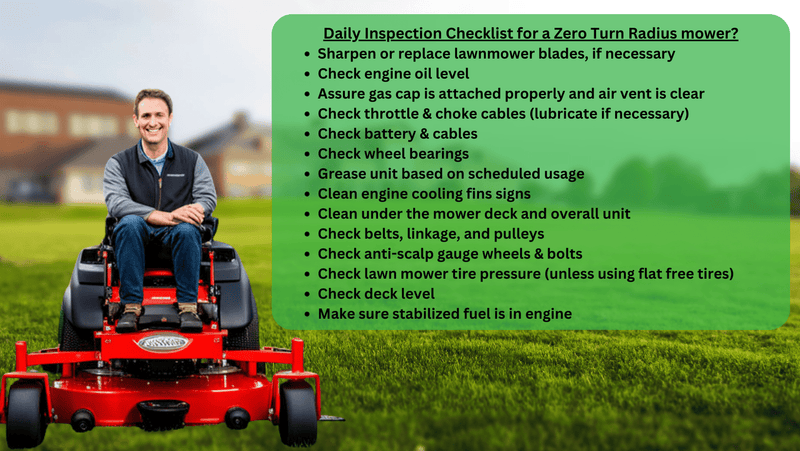
Keeping your gas lawn mower in top shape means regular care beyond just filling it with fuel. Proper maintenance helps your mower run smoothly and lasts longer, saving you time and money. You might be surprised how simple checks and small fixes can prevent bigger problems down the road.
Regular Oil Checks
Checking the oil level in your gas mower is crucial. Oil lubricates the engine parts, reducing friction and preventing overheating. Without enough oil, your mower can seize up quickly, leading to costly repairs.
Make it a habit to check the oil before every use or at least every few hours of mowing. You can do this by removing the dipstick, wiping it clean, reinserting it, and then pulling it out again to see the oil level. If the oil looks dirty or is below the recommended mark, it’s time to change or add oil.
Other Maintenance Tips
Besides oil, your mower needs attention in other areas to perform well. Keep the air filter clean or replace it regularly to ensure proper airflow to the engine. A clogged filter can cause the mower to run poorly or stall.
Sharpen the blades often to get a clean cut. Dull blades tear grass and stress the engine. Also, inspect the spark plug for wear or buildup; replacing it annually can improve starts and engine efficiency.
Have you ever noticed your mower bogging down on thick grass? That’s a sign it might need a tune-up. Taking a few minutes to care for your mower can make mowing less of a chore and more of a breeze.
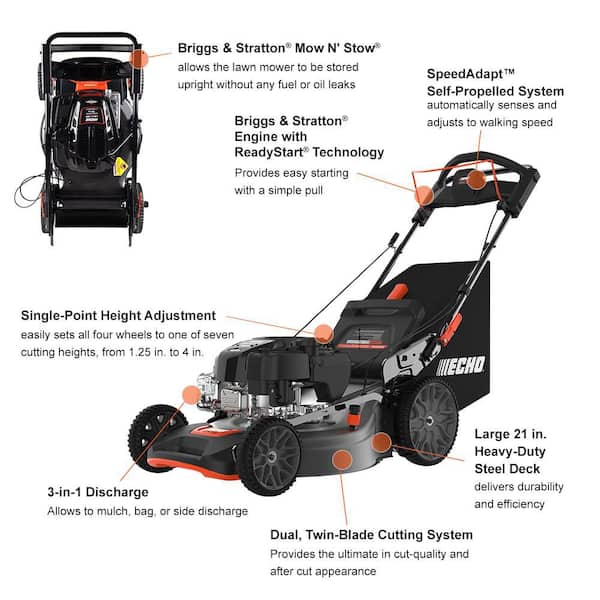
Credit: www.homedepot.com
Frequently Asked Questions
Do Gas Lawn Mowers Require Oil To Operate?
Yes, gas lawn mowers need oil for engine lubrication. Oil prevents overheating and reduces wear on moving parts. Always check the oil level before use to ensure smooth mower performance.
How Often Should I Change Oil In A Gas Mower?
Change oil after every 25-50 hours of use or once per season. Regular oil changes keep the engine clean and extend mower lifespan. Refer to your mower’s manual for specific intervals.
Can I Run A Gas Mower Without Oil?
No, running a gas mower without oil can cause severe engine damage. Oil is essential to lubricate engine parts and prevent overheating. Always maintain proper oil levels before starting the mower.
What Type Of Oil Is Best For Gas Lawn Mowers?
Use SAE 30 or 10W-30 oil for most gas lawn mowers. Check your mower’s manual to confirm the recommended oil type. Using the right oil ensures optimal engine performance and longevity.
Conclusion
Gas lawn mowers do need oil to run well. Oil keeps the engine parts moving smoothly. Without oil, the engine can overheat and break. Check the oil level often to avoid damage. Use the right type of oil for your mower.
Changing the oil regularly helps the mower last longer. Clean oil means a clean engine. Taking care of your mower saves money and time. Simple steps keep your mower working strong all season.





