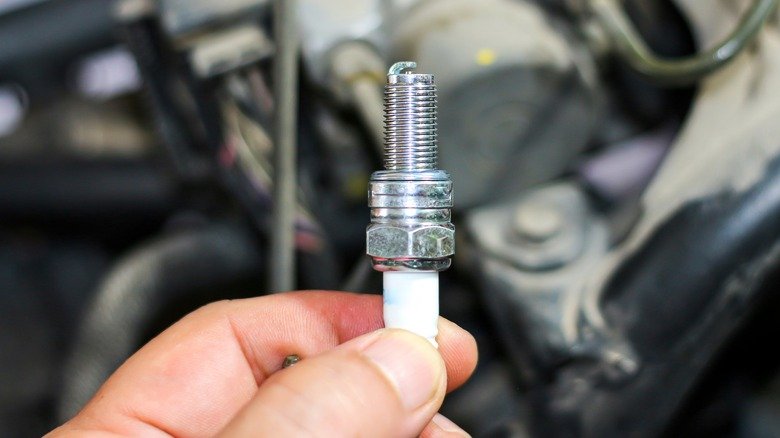
Have you ever wondered how diesel engines work without spark plugs? If you’re curious about the inner workings of these powerful machines, you’re in the right place.
Diesel engines are different from the gasoline engines most people are familiar with. This key difference often sparks questions, especially when it comes to ignition. So, do diesel engines need spark plugs? By the end of this article, you’ll have a clear understanding of why diesel engines operate the way they do and the unique components that make them tick.
Unlock the mystery and gain insights that could save you time and money, especially if you’re considering a diesel vehicle or already own one. Let’s dive into the details and dispel any myths you’ve heard. Keep reading to discover the truth about diesel engines and spark plugs.

Credit: www.chase.com
How Diesel Engines Work
Diesel engines work differently from gasoline engines. They do not use spark plugs to ignite the fuel. Instead, diesel engines rely on a unique process that uses high pressure and heat to start combustion. Understanding how they work helps explain why spark plugs are unnecessary in diesel engines.
Compression Ignition Process
Diesel engines use compression ignition to start the engine. Air is drawn into the cylinder and compressed tightly by the piston. This compression raises the air temperature to a very high level. When diesel fuel is injected into this hot air, it ignites instantly. This process eliminates the need for a spark plug.
Fuel Injection System
The fuel injection system sprays diesel fuel directly into the combustion chamber. It must deliver fuel at the right time and in the correct amount. The injector atomizes the fuel into tiny droplets for quick burning. This precise fuel delivery is key to efficient engine performance and lower emissions.

Credit: medium.com
Role Of Spark Plugs In Engines
Spark plugs play a key role in many engines. They create the spark needed to ignite the fuel-air mix. This ignition powers the engine and makes the vehicle move.
Not all engines use spark plugs. Diesel engines work differently and rely on compression to ignite fuel. Understanding how spark plugs work helps to see why they are essential for some engines and not for others.
Function In Gasoline Engines
In gasoline engines, spark plugs start the combustion process. They send a small electrical spark inside the cylinder. This spark ignites the fuel-air mixture quickly and cleanly.
The spark happens at the exact right time. This timing is vital for engine power and smooth running. Without spark plugs, gasoline engines cannot run or start.
Why Spark Plugs Are Important
Spark plugs ensure the engine runs efficiently. They help burn fuel completely, which saves gas and reduces pollution. Good spark plugs improve engine performance and fuel economy.
Worn or faulty spark plugs cause poor engine starts and rough running. They increase fuel use and emissions. Regular checks and replacements keep the engine healthy and strong.
Diesel Engines And Spark Plugs
Diesel engines operate differently from gasoline engines, especially in how they ignite fuel. If you’re wondering whether diesel engines need spark plugs like their gasoline counterparts, the answer lies in understanding their unique design and ignition process. Let’s break down why spark plugs are absent in diesel engines and what alternative components handle ignition.
Absence Of Spark Plugs
Diesel engines don’t use spark plugs because they rely on compression to ignite fuel, not a spark. The air inside the cylinder is compressed to a very high pressure, which raises its temperature enough to ignite the diesel fuel injected directly into the combustion chamber.
This process eliminates the need for a spark to start combustion. So, if you’ve ever opened a diesel engine, you won’t find spark plugs anywhere. Instead, the engine’s power comes from this intense heat generated by compression alone.
Role Of Glow Plugs Instead
While diesel engines skip spark plugs, they often use glow plugs to help start the engine, especially in cold conditions. Glow plugs are small heating elements that warm the air in the combustion chamber before starting.
This extra heat makes it easier for the fuel to ignite when the engine is cold or during chilly mornings. If you’ve struggled to start a diesel vehicle on a frosty day, you’ve experienced the glow plug’s role firsthand.
Without glow plugs, starting a diesel engine in cold weather can become a real challenge. They don’t replace spark plugs but serve as an important aid during startup, ensuring smooth ignition and reliable engine performance.
Glow Plugs Explained
Glow plugs play a vital role in diesel engines. They help start the engine, especially in cold weather. Unlike spark plugs, glow plugs do not ignite fuel directly. Instead, they warm the air inside the cylinder to aid fuel combustion. Understanding glow plugs clarifies why diesel engines do not need spark plugs.
Purpose And Operation
Glow plugs heat the engine’s combustion chamber. They use electric current to generate heat quickly. This heat increases the air temperature inside the cylinder. Warmer air helps diesel fuel ignite more easily. Glow plugs improve engine starting and reduce emissions. They stay hot for a short time after the engine starts. This helps the engine run smoothly until it reaches normal temperature.
When Glow Plugs Are Needed
Glow plugs are essential during cold starts. Diesel fuel is harder to ignite in cold air. Glow plugs provide the extra heat needed to start the engine. They work best in low temperatures below 10°C (50°F). In warmer weather, glow plugs may not be necessary. However, some modern diesel engines use glow plugs all the time. This ensures quick starts and reduces smoke. Glow plugs also help engines start after long stops or in damp conditions.
Common Misconceptions
Many people mix up parts and terms related to diesel engines. This causes wrong ideas about how diesel engines work. Some think diesel engines need spark plugs like gasoline engines. Others confuse glow plugs with spark plugs. These misunderstandings can lead to poor maintenance and care.
Confusing Spark Plugs With Glow Plugs
Spark plugs create sparks to ignite fuel in gasoline engines. Diesel engines do not use spark plugs. They rely on compression to ignite the fuel. Glow plugs help start diesel engines in cold weather. They heat the air inside the cylinder before starting. Glow plugs are not the same as spark plugs. Their job is to assist starting, not to ignite fuel during running.
Myths About Diesel Engine Maintenance
Some believe diesel engines need spark plug checks and changes. This is false. Diesel engines require different care. Fuel filters, air filters, and glow plugs need regular checks. Using spark plugs in a diesel engine can cause damage. Knowing the right parts helps keep diesel engines running well and lasting longer.
Maintaining Diesel Engines
Diesel engines require regular care to stay efficient and last long. Maintaining these engines ensures smooth starts and reliable performance. Unlike gasoline engines, diesel engines do not use spark plugs. Instead, they use other components that need attention to work well. Proper maintenance helps avoid costly repairs and keeps your engine running strong.
Glow Plug Care Tips
Glow plugs help diesel engines start in cold weather. Keep them clean and check for damage often. Replace glow plugs if the engine struggles to start or runs rough. Test glow plugs by measuring their resistance with a multimeter. A faulty glow plug can cause poor engine performance and higher fuel use.
- Inspect glow plugs before winter season.
- Clean any dirt or carbon buildup gently.
- Replace glow plugs every 60,000 to 100,000 miles.
- Use the correct replacement parts for your engine model.
Other Key Maintenance Areas
Check diesel fuel filters regularly to keep fuel clean. Dirty filters reduce engine power and cause damage. Change the oil and oil filter as recommended by the manufacturer. Use diesel engine oil for better protection. Keep the air filter clean to ensure proper air flow. Monitor coolant levels to prevent overheating and corrosion.
- Replace fuel filters every 15,000 to 25,000 miles.
- Change engine oil every 5,000 to 7,500 miles.
- Inspect air filters monthly and replace if dirty.
- Flush and refill coolant as per service schedule.
Credit: www.jalopnik.com
Frequently Asked Questions
Do Diesel Engines Require Spark Plugs To Start?
No, diesel engines do not use spark plugs. They rely on compression to ignite the fuel-air mixture. The high temperature from compression causes combustion without the need for spark plugs.
How Do Diesel Engines Ignite Fuel Without Spark Plugs?
Diesel engines ignite fuel through high compression. This compression heats the air inside the cylinder. When fuel is injected, it ignites due to the hot air, eliminating the need for spark plugs.
Can Diesel Engines Run With Spark Plugs Installed?
Diesel engines cannot run with spark plugs installed. Spark plugs are designed for gasoline engines. Diesel engines use glow plugs, which aid cold starts but do not ignite fuel.
What Replaces Spark Plugs In Diesel Engines?
Glow plugs replace spark plugs in diesel engines. They preheat the combustion chamber in cold conditions. This helps start the engine but does not ignite fuel like spark plugs do.
Conclusion
Diesel engines do not need spark plugs to run. They use compression to ignite fuel inside the cylinder. This makes their design different from gasoline engines. Spark plugs are only for gasoline engines. Knowing this helps when choosing or fixing engines.
Diesel engines rely on glow plugs, not spark plugs, to start in cold weather. Understanding these parts keeps your engine working well. Remember, diesel engines work with heat, not sparks. This simple fact saves time and money on repairs.





