Are you wondering if synthetic oil is the right choice for your lawn mower? You’re not alone.
Many people are curious about the benefits and potential drawbacks of using synthetic oil in their lawn care equipment. Maybe you’ve heard that synthetic oil can improve engine performance and extend the life of your mower. Or perhaps you’re worried about the cost and whether it’s truly necessary for your machine.
This article will break down everything you need to know, ensuring you make the best decision for your lawn mower’s health and efficiency. Let’s dive in and discover if switching to synthetic oil is the upgrade your mower needs.
Synthetic Oil Basics
Synthetic oil is a popular choice for many engines today. It offers better protection and performance than traditional oils. Understanding synthetic oil helps decide if it suits your lawn mower. This section explains the basics of synthetic oil clearly and simply.
What Is Synthetic Oil
Synthetic oil is a man-made lubricant. It is designed to work in extreme temperatures. Unlike natural oil, it goes through chemical processes. These processes remove impurities and improve oil quality. Synthetic oil flows smoothly, even when cold. It keeps engines cleaner by reducing deposits. It also lasts longer than regular oil.
How It Differs From Conventional Oil
Conventional oil comes from crude oil. It contains natural impurities and varies in quality. Synthetic oil is more uniform and pure. It resists breaking down under heat better than conventional oil. Synthetic oil protects engine parts more effectively. It reduces wear and tear during engine start-up. Conventional oil may thicken in cold weather. Synthetic oil stays fluid, ensuring better engine start.

Credit: www.youtube.com
Advantages Of Synthetic Oil
Synthetic oil offers several clear advantages that can make a noticeable difference in how your lawn mower runs and lasts. Choosing the right oil isn’t just about meeting basic needs; it can actually enhance your mower’s engine life and efficiency. Understanding these benefits helps you make smarter maintenance choices.
Improved Engine Protection
Synthetic oil provides stronger protection against engine wear. Its uniform molecular structure reduces friction better than conventional oil. This means your engine parts slide smoothly, lowering the risk of damage over time.
Think about the last time you used your mower after a long break. Synthetic oil helps prevent sludge buildup and keeps the engine cleaner. This reduces costly repairs and keeps your mower running reliably season after season.
Better Performance In Extreme Temperatures
Your lawn mower faces tough conditions, from cold early mornings to hot summer afternoons. Synthetic oil stays fluid in cold weather, ensuring easy starts and quick lubrication. It also resists thinning in high heat, maintaining stable performance.
Have you noticed your mower struggling on chilly mornings? Synthetic oil helps solve that by flowing faster and protecting parts right away. This means fewer stalls and smoother operation, no matter the temperature.
Extended Oil Change Intervals
One of the biggest benefits is that synthetic oil lasts longer than conventional oil. You don’t have to change it as often, which saves time and money. This is especially useful if you only mow sporadically and want to avoid frequent maintenance.
Extended intervals don’t mean you should forget about checking your oil. However, with synthetic oil, you get more out of each oil change without sacrificing engine health. Isn’t it better to spend more time mowing and less time on upkeep?
Suitability For Lawn Mowers
Synthetic oil offers several benefits for lawn mower engines. It flows smoothly at low temperatures and protects parts from wear. This oil type can help your mower run cleaner and last longer.
Choosing the right oil depends on the mower’s engine type and manufacturer advice. Not all synthetic oils fit every small engine. Understanding compatibility and recommendations ensures better performance.
Compatibility With Small Engines
Most modern lawn mowers use small, air-cooled engines. These engines often work well with synthetic oil. Synthetic oil resists breakdown under heat and pressure. It also reduces friction between moving parts.
Older engines or those with wet clutches might need specific oil types. Some synthetic oils can cause clutch slippage in these engines. Check oil labels for compatibility with your engine model.
Manufacturer Recommendations
Always read the mower’s owner manual for oil guidelines. Manufacturers test oils to match engine needs. Using the recommended oil helps maintain warranty coverage.
Some brands specifically approve synthetic oils for their engines. Others advise sticking with conventional oil. Ignoring recommendations can lead to engine damage or poor performance.

Credit: www.1972oil.com
Choosing The Right Synthetic Oil
Choosing the right synthetic oil for your lawn mower is more important than you might think. The wrong oil can lead to poor engine performance or even damage over time. By understanding the specific needs of your mower’s engine, you can pick an oil that helps it run smoothly and last longer.
Viscosity Grades For Lawn Mowers
Viscosity refers to how thick or thin the oil is at certain temperatures. Lawn mower engines often require oils with specific viscosity grades to ensure proper lubrication. Using an oil that’s too thick can cause starting problems in cold weather, while oil that’s too thin might not protect the engine adequately when it’s hot.
Common viscosity grades for lawn mowers include 10W-30 and 5W-30. The “W” stands for winter, indicating how well the oil flows at low temperatures. If you live in a colder climate, 5W-30 synthetic oil could help your mower start more easily on chilly mornings.
Additives And Formulations
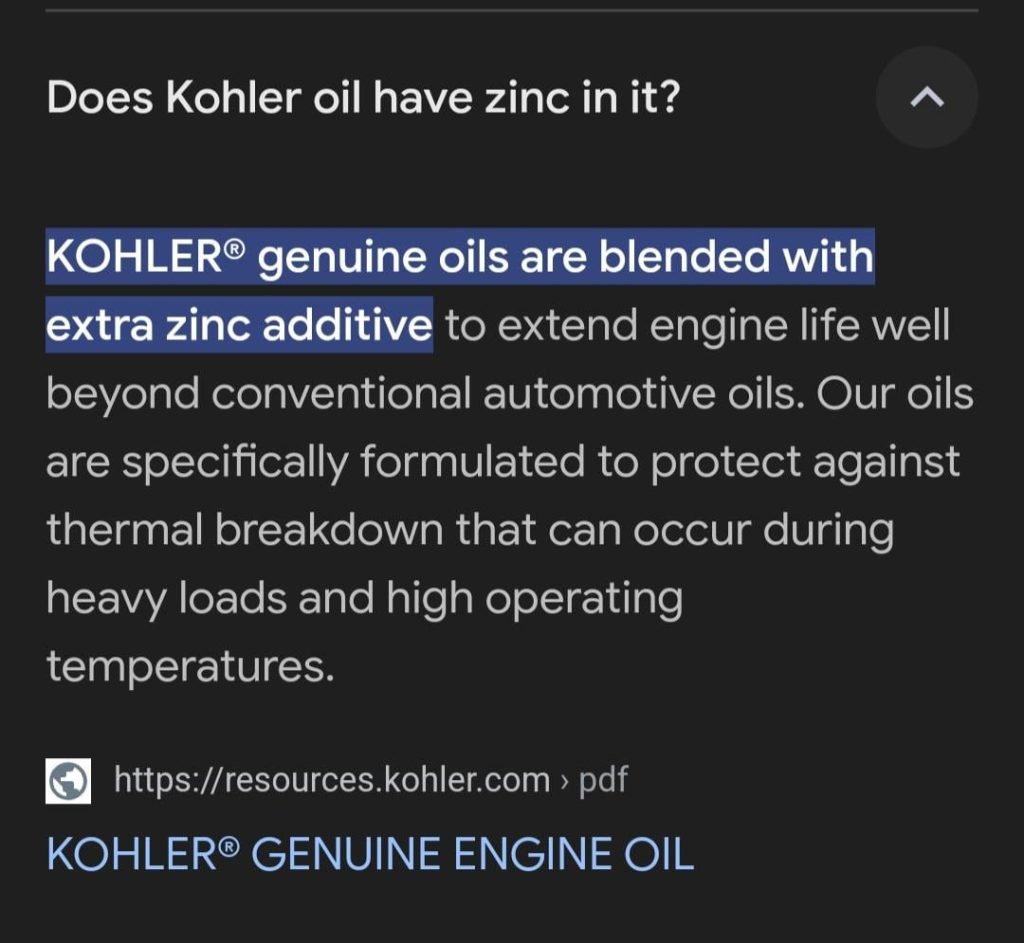
Synthetic oils come with various additives designed to improve engine protection. These additives help reduce wear, prevent rust, and keep the engine clean by stopping sludge buildup. When selecting synthetic oil, look for formulas specifically made for small engines or lawn mowers.
Some synthetic oils include detergents and dispersants that keep the engine free of deposits. Others have anti-foaming agents to maintain consistent oil flow under different operating conditions. Checking the label for these features can give you confidence that your mower’s engine is getting the best care.
Using Synthetic Oil Properly
Using synthetic oil in your lawn mower can boost its performance and extend engine life, but only if you handle it correctly. Synthetic oil behaves differently than conventional oil, so understanding the right way to use it is key. Let’s dive into how you can get the most out of synthetic oil, from changing it at the right time to disposing of it safely.
Oil Change Frequency
Synthetic oil lasts longer than traditional oil, but that doesn’t mean you can ignore regular oil changes. Check your lawn mower’s manual—many recommend changing synthetic oil every 50 hours of use or at least once a season.
If you run your mower less frequently, consider changing the oil annually. Synthetic oil resists breakdown better, but dirt and moisture still contaminate it over time.
Have you noticed your mower running rough or smelling burnt? That might be a sign it’s time for fresh oil, even if you haven’t hit the usual hours yet.
Safe Disposal Practices
Used synthetic oil is hazardous waste and shouldn’t go down drains or into the soil. Pour it into a clean, sealable container immediately after draining your mower.
Many auto shops and recycling centers accept used oil for free. Don’t toss it in the trash—this protects the environment and keeps your community safe.
Think about the last time you changed your oil. Did you have a plan for disposal? Planning ahead makes the process cleaner and easier.
Common Myths Debunked
Many people hesitate to use synthetic oil in their lawn mowers because of common myths that create confusion. These misconceptions often lead to sticking with traditional oils, even if synthetic options could be better for your engine. Let’s clear up these myths so you can make an informed choice for your mower’s health and performance.
Cost Concerns
One common myth is that synthetic oil is too expensive for lawn mowers. While synthetic oil can cost more upfront, it lasts much longer than conventional oil. This means fewer oil changes, which saves you money and time over the season.
Think about it this way: if you spend a little more once but change your oil less often, you actually reduce your overall maintenance costs. Many users report better engine performance and less frequent tune-ups, which adds more value than the initial price difference suggests.
Engine Wear Fears
Some believe synthetic oil might cause more wear or damage to lawn mower engines. This isn’t true. Synthetic oils provide superior lubrication that protects engine parts better than conventional oils.
In fact, synthetic oil handles heat and friction more effectively, reducing wear and extending engine life. If you want your mower to run smoothly season after season, synthetic oil is often the safer choice.
Credit: www.lucasoil.com
Frequently Asked Questions
Can Synthetic Oil Improve Lawn Mower Performance?
Yes, synthetic oil enhances performance by reducing engine friction. It offers better protection in extreme temperatures and extends engine life.
Is Synthetic Oil Safe For All Lawn Mowers?
Synthetic oil is generally safe for most lawn mowers. Always check the manufacturer’s recommendations before switching to synthetic oil.
How Often Should I Change Synthetic Oil In Mowers?
Change synthetic oil every 50 hours of use or annually. It lasts longer than conventional oil but still requires regular replacement.
Does Synthetic Oil Help In Cold Weather Starting?
Yes, synthetic oil flows better in cold temperatures. It improves cold starts and reduces engine wear during winter months.
Conclusion
Synthetic oil works well in many lawn mowers. It helps the engine run smoothly and lasts longer than regular oil. Using synthetic oil can protect your mower in hot and cold weather. It also reduces wear and tear on engine parts.
Always check your mower’s manual before changing oil types. Choosing the right oil keeps your mower healthy and saves money. A little care goes a long way for your lawn mower’s life. Simple steps can make mowing easier and more reliable.